Elk Viewing Tours at North Cumberland
There's a special kind of magic that comes with spotting wild elk in their natural habitat, and for many, the dream of seeing these magnificent animals up close in Tennessee feels almost impossible. The North Cumberland Wildlife Management Area, however, holds the key to making that dream a reality, offering incredible opportunities for wildlife enthusiasts. This guide will walk you through everything you need to know about experiencing the thrill of elk viewing tours in this stunning part of our state.
Understanding Tennessee's Elk Herd and the North Cumberland WMA
For many years, the idea of seeing wild elk in Tennessee was just a historical footnote, a story told of times long past. But thanks to dedicated conservation efforts, that's no longer the case. Our state now boasts a thriving, growing elk herd, and the North Cumberland Wildlife Management Area is at the heart of their resurgence. It’s a remarkable success story that every Tennessean can be proud of.
The Story of Tennessee's Elk Restoration
Tennessee’s native elk population was wiped out by the mid-19th century, a casualty of overhunting and habitat loss as the frontier pushed westward. For generations, the only elk we knew were those in zoos or far-off western states. However, beginning in 2000, the Tennessee Wildlife Resources Agency (TWRA) and its partners embarked on an ambitious reintroduction program. They brought elk from Canada and Kentucky to the rugged, reclaimed strip-mine lands of the North Cumberland Plateau. This area was chosen specifically because its vast, unfragmented forests, coupled with open reclaimed fields, provided the ideal blend of cover and forage for a burgeoning elk herd.
It wasn't an easy task. There were challenges with acclimation, disease monitoring, and ensuring the local communities embraced their new wild neighbors. But through careful management, robust conservation funding, and the dedication of countless individuals, the herd has grown significantly. Today, it’s a vibrant population that contributes not only to the state's biodiversity but also to unique wildlife viewing and Hunting Tennessee's Restored Elk Herd opportunities. The story of their return is a testament to what focused conservation can achieve.
What Makes North Cumberland Prime Elk Habitat
The North Cumberland WMA spans an enormous tract of land, covering parts of Campbell, Claiborne, Scott, Morgan, and Anderson counties. What was once a heavily mined landscape has, over decades, been meticulously reclaimed and managed to create a mosaic of habitats. This isn't just any forest; it's a dynamic environment that provides everything an elk needs to thrive. You'll find dense hardwood forests offering crucial cover, particularly during the hot summer months and harsh winters. Interspersed within these woods are vast, open areas—often the result of old strip mines that have been revegetated with grasses and legumes. These open fields are elk magnets, providing essential grazing areas and serving as natural food plots where elk often congregate, especially in the mornings and evenings.
Beyond the mix of forest and field, the topography itself plays a role. The Cumberland Plateau is characterized by rolling hills, steep hollows, and river drainages, which provide varied terrain for elk to seek refuge, feed, and breed. Water sources are abundant, and the relatively low human population density in many areas helps minimize disturbance. The WMA actively manages these habitats through prescribed burns, food plot plantings, and timber management to ensure a continuous supply of high-quality forage and cover, making it an ecological stronghold for the elk and a prime spot for anyone hoping to catch a glimpse of them.
Planning Your Elk Viewing Tour
You're excited, I know! The thought of seeing a massive bull elk bugle or a herd of cows grazing peacefully is thrilling. But a successful elk viewing tour isn't just about showing up; it requires a bit of planning to maximize your chances and ensure you have a safe, enjoyable experience. The North Cumberland is big, wild, and can be challenging to navigate without some preparation.
Best Times of Year for Elk Viewing
Timing is everything when it comes to wildlife viewing, and elk are no exception. Different seasons offer different experiences and present varying levels of viewing success.
- Late Summer to Early Fall (Late August – October): The Rut! This is hands down the most popular and often the most rewarding time for elk viewing. Late August and September bring the elk rut, or breeding season. This is when the bulls are most active and vocal, bugling their challenges across the mountainsides. It's an auditory spectacle as much as a visual one. The cooler temperatures also mean elk are often more active during daylight hours, moving between feeding and bedding areas. Bulls will be displaying their antlers, sparring, and herding cows, making for dramatic photo opportunities.
- Late Fall to Winter (November – February): Herds and Forage. After the rut, elk tend to gather in larger herds, especially as the weather gets colder and natural forage becomes scarcer. They'll often move to lower elevations or focus on open fields where winter food plots or lingering browse can be found. While less vocal than during the rut, seeing a large group of elk against a snowy backdrop is incredibly picturesque. This time of year, with fewer leaves on the trees, can also improve visibility in certain areas.
- Spring (March – May): Calving and Green-up. Spring brings new life to the herd, with calves typically born in late May and early June. While it's thrilling to know new elk are arriving, cows are highly secretive during calving season to protect their vulnerable young. You might see cows and yearlings, but finding large herds or active bulls is less common. This period is also characterized by rapid "green-up" as foliage returns, making visual detection more challenging.
- Summer (June – August): Antler Growth and Solitude. Summer is when bull elk are busy growing their impressive antlers, often staying in bachelor groups. The thick foliage, combined with warmer temperatures, means elk are typically more reclusive and active during the cooler hours of dawn and dusk. Viewing can be more challenging, but if you're patient and scout well, you might still catch a glimpse.
Remember, early morning and late evening are almost always your best bets, regardless of the season, as elk are crepuscular, meaning most active during twilight hours.
| Season | Key Activities/Behavior | Viewing Potential | Notes |
|---|---|---|---|
| Late Summer/Early Fall (Rut) | Bugling, sparring bulls, active herding | Highest | Most popular for dramatic encounters. |
| Late Fall/Winter | Larger herds, seeking winter forage, less vocal | Medium to High | Good for spotting groups, especially in open areas. Less foliage helps visibility. |
| Spring | Calving season, secretive cows, new calves (rarely seen) | Low to Medium | Elk are dispersed. Thickening foliage makes spotting harder. |
| Summer | Antler growth, bachelor groups, dense foliage | Low | Elk are more reclusive. Best during dawn/dusk in feeding areas. |
Essential Gear for a Successful Viewing Trip
Being prepared means having the right tools to enhance your viewing experience and keep you safe and comfortable in the wild Tennessee landscape.
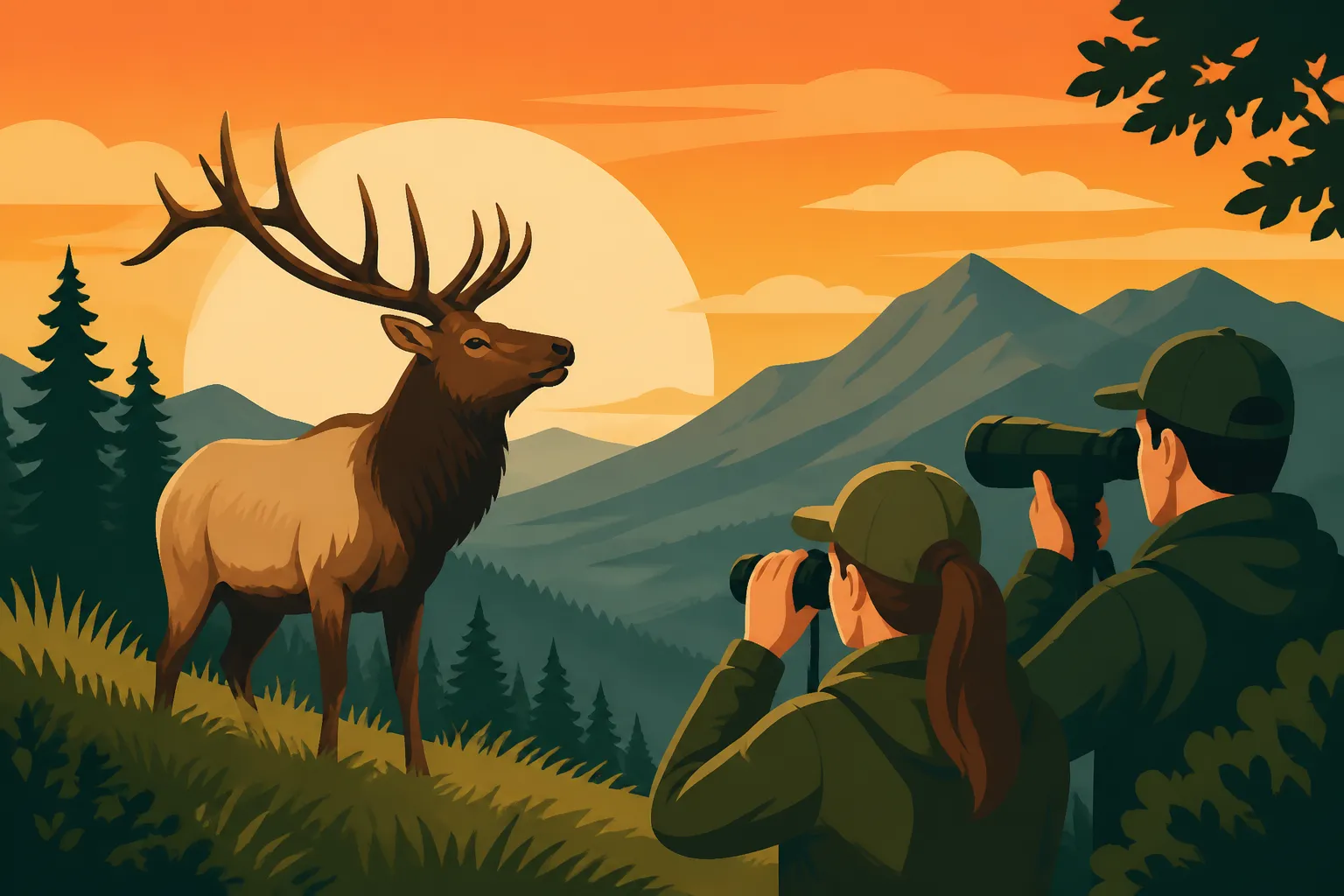
- Optics are Non-Negotiable: You absolutely need a good pair of binoculars. An 8x or 10x magnification is usually perfect for scanning distant fields and dense tree lines. If you're serious about getting closer views of specific animals or want to identify antler points, a spotting scope with a tripod is an excellent investment. You’ll be able to observe elk from a respectful distance without disturbing them. I remember one crisp October morning, without my trusty 10x42s, I would've missed a magnificent bull bedded a quarter-mile away, thinking he was just a fallen log.
- Navigation Tools: The North Cumberland WMA is vast, and cell service can be spotty at best. A reliable GPS unit or a mapping app like onX Hunt is crucial. Download offline maps before you go, so you're not relying on cell signal. Knowing your location, property lines, and access roads is vital. Believe me, getting turned around in those winding mountain roads and logging trails is no fun, especially when you're trying to follow a distant bugle!
- Comfort and Safety Gear:
- Layered Clothing: Tennessee weather can change rapidly. Dress in layers to adapt to temperature swings from chilly mornings to warm afternoons. Moisture-wicking base layers, insulating mid-layers, and a waterproof/windproof outer shell are ideal.
- Sturdy Hiking Boots: You'll likely be doing some walking over uneven terrain, so comfortable, supportive, and waterproof boots are a must.
- Water and Snacks: Always carry more water than you think you’ll need. Snacks high in protein and energy are also good to have on hand.
- First-Aid Kit: A basic kit for cuts, scrapes, and minor emergencies is essential.
- Bug Spray: Especially from spring through fall, ticks and mosquitoes can be prevalent.
- Headlamp/Flashlight: If you're out at dawn or dusk, you'll need it for navigating safely.
- Camera: To capture those unforgettable moments, of course!
Navigating North Cumberland for Elk
The North Cumberland WMA isn't a national park with paved viewing overlooks and designated "elk trails." It's a working forest and a wild space, and finding elk often means getting off the beaten path.
- Roads and Access Points: The WMA has a network of gravel roads, old logging trails, and reclaimed mine roads. Many of these are open to public vehicle access, but some might be gated or require walking. Always check the latest TWRA regulations and maps for any access restrictions. Tools like onX Hunt allow you to see these road systems, land boundaries, and even topography, which is invaluable. You can mark potential viewing spots, trailheads, and even record your tracks to avoid getting lost. This can be a lifesaver when you're focusing on glassing a distant ridge.
- Strategic Viewing Locations: Elk, like deer, prefer edges. Look for areas where dense forest meets open reclaimed fields, clear-cuts, or powerline rights-of-way. These transition zones are where they feed and travel. High vantage points overlooking these openings can offer fantastic glassing opportunities. Many experienced viewers use tools like GoHunt to research historical animal movements or habitat types, even though it's geared towards hunters, the habitat information is priceless for viewers too. Pay attention to south-facing slopes in winter, as they'll receive more sun and often have earlier green-up.
- Patience and Stealth: Elk are wild animals and incredibly wary. Drive slowly and quietly, scanning the edges of fields and forest lines. When you find a potential spot, pull over safely, turn off your engine, and observe silently for extended periods. Don't be afraid to park and walk a bit, moving slowly and using contours to your advantage. Early mornings and late evenings are prime times, so plan to be in place well before sunrise or stay until after sunset. Remember, the goal is to observe them naturally, not to chase them.
- Respect Gated Areas: Many old logging roads are gated to limit vehicle access and protect the integrity of the habitat. These can often be excellent places to walk in and find less-pressured areas for viewing. Just be prepared for a longer hike and ensure you know the rules regarding foot traffic.
Responsible Elk Viewing Practices
Seeing elk in the wild is a privilege, and with that privilege comes the responsibility to ensure your actions don't harm the animals or their habitat. We want these magnificent creatures to thrive, and part of that means being a respectful and ethical observer.
Respecting Wildlife and Their Habitat
Elk are wild animals, and their well-being should always be your top priority. Disturbance can cause stress, disrupt feeding patterns, and even lead to dangerous encounters, especially during the rut or when cows have calves.
- Maintain Distance: This is the golden rule. Use your binoculars and spotting scope to get "close-up" views from a safe and respectful distance. If the elk change their behavior because of your presence—if they stop feeding, stare at you, or move away—you are too close. The general recommendation is to stay at least 100 yards away, and often more is better. Getting too close to a rutting bull can be incredibly dangerous, as they are large, powerful, and often agitated.
- Never Feed Elk: Feeding wild animals is detrimental to their health and can habituate them to humans, leading to aggressive behavior and making them vulnerable to disease and vehicle collisions. It’s also illegal. Keep all food securely stored.
- Minimize Noise and Movement: When you've found elk, move slowly, quietly, and avoid sudden movements or loud noises. Talk in hushed tones, or better yet, stay silent. Blaring music or shouting can quickly send elk fleeing, ruining the experience for everyone, including yourself.
- Stay on Designated Trails/Roads: Avoid trampling vegetation or disturbing sensitive areas. Stick to established roads, trails, or open fields. This helps protect fragile habitats and minimizes your impact on the environment.
- Pack It In, Pack It Out: Leave no trace. Everything you bring into the WMA, take it back out with you. This includes all trash, food wrappers, and anything else you might have. We want to preserve the pristine nature of the North Cumberland for future generations of elk and viewers.
- Be Aware of Hunting Seasons: The North Cumberland WMA is also a popular hunting area. If you're viewing outside of the specific Tennessee Elk Quota Hunt Rules windows, that's fine, but always be aware that other users might be present. Wearing some blaze orange, even outside of gun season, is a wise safety precaution, especially during fall when many hunting seasons overlap.
Safety Considerations in Elk Country
While elk viewing is generally a safe activity, you are in wild, rugged terrain, and it's essential to be prepared for potential hazards.
- Wildlife Encounters: Besides elk, you might encounter other wildlife, including black bears, coyotes, and venomous snakes. Know how to react if you come across a bear: make noise, make yourself look big, and never run. Be aware of your surroundings when walking through tall grass or dense underbrush to avoid startling snakes.
- Terrain and Weather: The North Cumberland is beautiful but can be challenging. Trails can be steep, rocky, and muddy. Check weather forecasts before you go and be prepared for sudden changes. Hypothermia is a real risk in cold, wet conditions, and heat exhaustion can strike in summer. Tell someone your plans: where you're going, when you expect to return.
- Vehicle Preparedness: If you're driving on gravel and unimproved roads, ensure your vehicle is in good working order. A spare tire, jack, and basic tools are a good idea. Consider a vehicle with higher clearance if you plan to venture onto less-maintained roads. As mentioned, cell service can be nonexistent, so don't rely on your phone for emergency calls.
- Respect Private Property: While the North Cumberland WMA is vast public land, private land borders it in many places. Pay attention to signage and use your mapping apps to ensure you don't inadvertently trespass. Retrieving game from private land is a specific concern for hunters, but viewers should also ensure they are on public land.
Beyond Viewing: The Hunter's Perspective and Conservation
Even if your primary interest is just observing these majestic animals, understanding the broader context of elk management in Tennessee can deepen your appreciation. Wildlife viewing and hunting are often two sides of the same conservation coin, both playing crucial roles in the health and future of our elk herd.
The Role of Hunters in Elk Management
It might seem counterintuitive to link elk viewing with hunting, but hunters are often some of the most passionate conservationists, and their contributions are vital to maintaining healthy wildlife populations. In Tennessee, the elk reintroduction program was largely funded by hunting license fees and excise taxes on hunting equipment, through programs like the Wildlife and Sport Fish Restoration program. This funding not only supports the reintroduction efforts but also ongoing habitat management, research, and law enforcement that benefit all wildlife, not just game species.
Hunters, through regulated quota hunts, help manage the herd's population, ensuring it stays within the carrying capacity of the land and prevents overgrazing or disease outbreaks. This careful management benefits every elk in the herd, contributing to their overall health and vitality, which in turn means better viewing opportunities for everyone. It's a sustainable model that has brought many species back from the brink, and Tennessee's elk are a prime example.
Exploring Future Elk Hunting Opportunities
For some, an elk viewing tour might spark a deeper interest, leading to the dream of one day pursuing these animals with a bow or rifle. While this guide is focused on viewing, it's worth noting that Tennessee does offer extremely limited, highly coveted Tennessee Elk Quota Hunt Rules each year. These hunts are a testament to the success of the restoration program.
If you find yourself inspired, you can learn more about the application process, the different elk hunt zones, and what it takes to earn one of those rare permits. Even if you never draw a tag, understanding the challenge and commitment involved in an elk hunt can further enrich your appreciation for the animals you've had the privilege to observe. The knowledge gained from a viewing trip – understanding elk behavior, preferred habitats, and movement patterns – can also serve as invaluable scouting for any future hunting endeavors.
Remember, whether you're carrying binoculars or a bow, we all share the responsibility to respect the land and its wildlife.
Disclaimer
This article is for general informational purposes only and does not constitute professional advice. Laws, prices and regulations vary by location and change over time. Consult a qualified professional for guidance on your specific situation.