Kentucky Versus Tennessee Sides of the Lakes
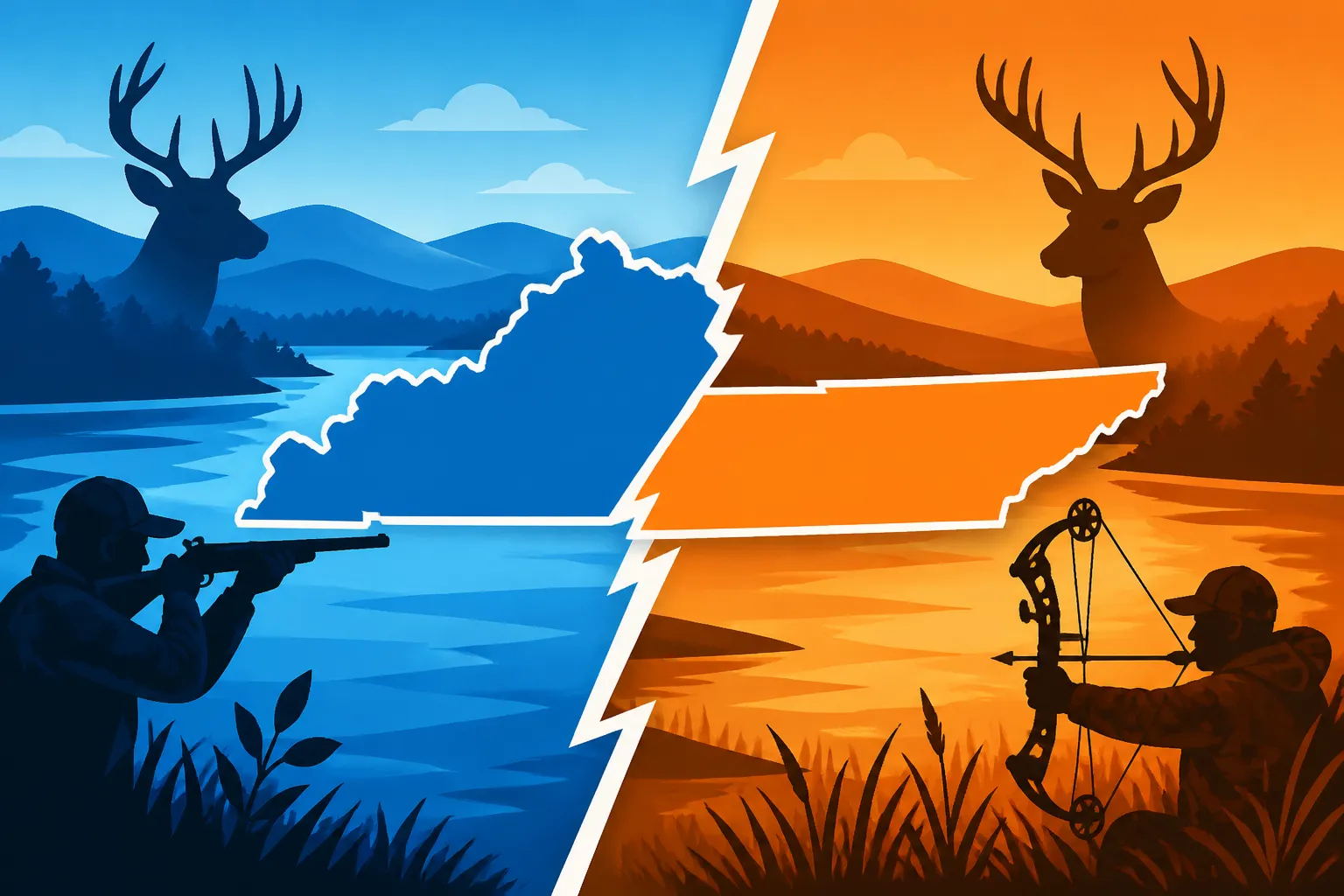
For many hunters, the Land Between the Lakes National Recreation Area presents both an incredible opportunity and a bit of a head-scratcher. This vast, beautiful stretch of public land, cradled between Kentucky Lake and Lake Barkley, straddles two states: Kentucky to the north and Tennessee to the south. While it’s managed as a unified federal entity, those state lines are far more than just arbitrary markers on a map when you’re carrying a rifle or a bow. Trying to figure out which rules apply where, and what licenses you need, can feel like you need a law degree just to chase a whitetail. This guide is here to walk you through the crucial distinctions and similarities between hunting the Kentucky and Tennessee portions of LBL, helping you navigate the regulations so you can focus on the hunt.
Understanding the Land Between the Lakes National Recreation Area
Land Between the Lakes (LBL) is truly a gem for public land hunters, spanning over 170,000 acres of forests, open lands, and shoreline. It's a place where you can find everything from rolling hills to dense bottomland, providing habitat for a wide array of game species. The sheer size of LBL means there's always new ground to explore, new ridges to walk, and new hollows to decipher. It’s a place that calls to hunters looking for a challenge and the chance to get away from the crowds of smaller parcels.
A Unique Interstate Hunting Opportunity
The appeal of LBL for hunters isn't just its size; it's the diversity of its landscapes and the management efforts that support robust wildlife populations. You'll find a healthy mix of mature hardwoods, pine plantations, and strategically managed open fields, all contributing to a rich ecosystem. This unique federal recreation area, nestled right between two major bodies of water, acts as a critical corridor for wildlife. Deer, turkey, and small game thrive here, offering varied hunting experiences. It's truly a special situation where two states share such a significant piece of public hunting ground, and for those willing to do their homework, it opens up a world of opportunity not found in many other places. Land Between the Lakes Hunting is truly a unique experience for many.
However, that interstate boundary, while invisible to the wildlife, is a very real line for us hunters. It means that while the land itself feels continuous, the legal framework shifts the moment you step from one side to the other. This can be a source of confusion, especially if you're not used to hunting across state lines. Understanding this foundational concept — that LBL operates under its own federal umbrella but still defers to state wildlife laws for many hunting specifics — is key to a successful and legal hunt.
Shared Rules, Distinct Management Nuances
When you hunt LBL, you're operating under a layered set of rules. First, there are the overarching LBL-specific regulations established by the federal management authority. These might cover things like permitted activities, vehicle access, camping rules, and the requirement for a special LBL hunting permit. These rules generally apply uniformly across the entire recreation area, regardless of which state you're in. This creates a consistent base level of conduct expected from all visitors.
But here's where it gets tricky: for the actual hunting seasons, bag limits, legal weapons, and licensing, LBL generally defers to the respective state's wildlife agencies. So, if you're hunting in the Kentucky portion, you're bound by Kentucky's hunting regulations and require a valid Kentucky hunting license. If you're in the Tennessee portion, you're under Tennessee's hunting regulations and need a Tennessee license. This distinction is absolutely critical. Imagine you're tracking a deer and it crosses that imaginary state line; suddenly, your legal weapon, your tag, or even the season dates might change. It's why always knowing your precise location within LBL is paramount. While LBL does offer special quota hunts, which often have their own specific dates and bag limits, even those are usually structured with state regulations in mind or require specific state licenses as a prerequisite.
Key Differences: Kentucky Side Versus Tennessee Side
The state line is more than just an administrative boundary; it directly impacts your hunting strategy and legal compliance. Ignoring this line can lead to serious legal trouble, which is the last thing any hunter wants. Understanding these differences isn't just about avoiding a citation; it's about maximizing your opportunities and knowing what to expect from the season.
Deer Hunting Opportunities and Regulations
This is where the differences between Kentucky and Tennessee within LBL become most pronounced. Both states have excellent deer hunting, but their season structures and specific rules vary significantly.
Licenses: First and foremost, you must possess the appropriate state hunting license for the side of LBL you are hunting on. If you plan to hunt both sides over the course of the season, you'll need both a valid Kentucky hunting license (along with any necessary deer permits or stamps) and a valid Tennessee hunting license (plus its big game permits). The LBL special hunt permit is a separate fee, but it doesn't replace the need for state licenses. It only grants you permission to hunt within LBL, provided you also hold valid state credentials. This is a common pitfall for hunters unfamiliar with the area. Tennessee Hunting Licenses and What They Cost will be a good starting point for the Tennessee side.
Season Dates: Kentucky and Tennessee have their own unique deer season dates for archery, muzzleloader, and gun seasons. For example, Tennessee might open its archery season in late September, while Kentucky's might begin a week or two earlier or later. Gun seasons can also vary widely in their opening dates, duration, and legal weapons. Some LBL quota hunts might have specific dates that override the general statewide seasons, but even then, you must be compliant with the state's licensing and general legal weapon requirements for that specific hunt. Always consult the current year's hunting guides for both states and the LBL-specific rules to confirm exact dates for your hunt. This attention to detail can make or break your hunt planning. Tennessee Deer Season Structure Explained covers a lot of the details for the Tennessee side.
Bag Limits and Harvest Structure: The way each state manages its deer harvest is another major differentiator. Kentucky typically employs a system that might include specific antler point restrictions (APRs) in certain zones, or limit hunters to one antlered deer per year, with additional antlerless tags. Tennessee, on the other hand, utilizes a Deer Management Unit (DMU) system, which dictates antlerless bag limits and sometimes buck harvest rules. The number of antlerless deer you can harvest, and even the rules for earning bonus tags (such as through CWD testing programs in Tennessee), will be entirely dependent on which state's portion of LBL you're hunting. Miscounting points or over-harvesting antlerless deer due to unfamiliarity with the other state's rules is a real risk if you're not paying close attention to your location.
CWD Management: Chronic Wasting Disease (CWD) is a serious concern for wildlife agencies, and both Kentucky and Tennessee have active CWD management plans. If a portion of LBL falls within a designated CWD zone in either state, there will be specific rules regarding carcass transportation, mandatory testing, and possibly unique harvest incentives like earn-a-buck programs. These rules can differ significantly between states, so always check the latest CWD regulations for both Kentucky and Tennessee before heading afield in LBL. It's a dynamic situation, and staying informed is crucial for responsible hunting.
Turkey Hunting Season Structure
Turkey hunting in LBL offers fantastic opportunities, but like deer hunting, it's governed by state-specific regulations. You'll find strong turkey populations in both the Kentucky and Tennessee portions, but your approach will need to adapt to the legal framework of each.
Licenses: Just as with deer, a valid Kentucky turkey license is required for the Kentucky side, and a valid Tennessee turkey license (plus any necessary big game permits) is required for the Tennessee side. This means if you plan to hunt both, you'll need to purchase both state licenses. The LBL permit simply grants you access to the area; it doesn't replace the state-specific turkey permits. Make sure all your paperwork is in order before you even step foot in the woods.
Season Dates: Spring turkey season dates are set independently by each state. Kentucky's spring season might open and close on different dates than Tennessee's, and the length of the season can also vary. This means you might find yourself with an earlier opening day on one side, or a longer season on the other. This can be a strategic advantage if you're flexible with your hunting schedule and location. Again, consult both states' regulations annually. Tennessee Spring Turkey Season Rules can give you an idea of what to expect for the TN side.
Bag Limits: Each state typically has a statewide turkey bag limit (e.g., number of gobblers per spring season). These limits will apply to your harvest within the LBL portion of that state. It's possible to take a bird in Kentucky LBL and another in Tennessee LBL if both states' limits allow for it and you have the appropriate licenses. However, you must meticulously keep track of your harvest and ensure you are compliant with the rules of the state in which you harvested each bird. This dual state opportunity is a perk for dedicated turkey hunters willing to manage the logistical challenge.
Small Game and Waterfowl Considerations
It's not just big game that sees regulatory shifts at the state line. Small game and waterfowl hunters also need to be vigilant about the specific rules that apply to their chosen side of LBL.
Small Game: Seasons for species like squirrel, rabbit, and quail (where populations allow) are determined by each state. The opening and closing dates, as well as bag limits, will differ between Kentucky and Tennessee. This means a prime squirrel woods might be open on the Kentucky side but closed on the Tennessee side, or vice-versa. Always check both state regulations. For upland bird hunters, this means your dog might be working legally one minute, and across a state line where the season is closed the next, which is why hyper-awareness of your location is paramount.
Waterfowl: LBL offers incredible waterfowl hunting opportunities, particularly given its location between two large lakes within the Mississippi Flyway. However, migratory bird seasons, including duck and goose seasons, are set by the U.S. Fish and Wildlife Service, with states then selecting their specific dates and bag limits within federal frameworks. Consequently, Kentucky and Tennessee will have distinct season segments, daily bag limits, and species-specific regulations. Additionally, waterfowl hunters often require state-specific migratory bird stamps and federal duck stamps. It's crucial to understand the nuances of Tennessee Waterfowl Zones and Seasons if you're targeting the southern end of LBL. Hunting waterfowl often involves blinds, decoys, and movement across water, making state line awareness even more challenging but no less important.
Here's a quick comparison of the general hunting characteristics within the Kentucky and Tennessee portions of LBL:
| Feature | Kentucky Side (within LBL) | Tennessee Side (within LBL) |
|---|---|---|
| State License Req. | Valid Kentucky hunting license & permits | Valid Tennessee hunting license & permits |
| LBL Permit Req. | Yes (LBL permit required for area access) | Yes (LBL permit required for area access) |
| Deer Season Dates | Follows Kentucky's statewide and specific LBL dates/zones | Follows Tennessee's statewide and specific LBL dates/zones |
| Deer Bag Limits | Follows Kentucky's antler restrictions and antlerless limits | Follows Tennessee's antler restrictions and antlerless limits |
| Turkey Season Dates | Follows Kentucky's statewide and specific LBL dates | Follows Tennessee's statewide and specific LBL dates |
| Turkey Bag Limits | Follows Kentucky's statewide limits (e.g., number of gobblers) | Follows Tennessee's statewide limits (e.g., number of gobblers) |
| Small Game Seasons | Follows Kentucky's statewide small game seasons | Follows Tennessee's statewide small game seasons |
| Waterfowl Seasons | Follows Kentucky's migratory bird seasons | Follows Tennessee's migratory bird seasons |
| CWD Regulations | Follows Kentucky's CWD zone rules (if applicable) | Follows Tennessee's CWD zone rules (if applicable) |
Navigating Permits, Access, and Scouting
Successfully hunting LBL, particularly when considering both sides of the state line, requires diligent preparation beyond just knowing the season dates. It involves understanding the permit system, leveraging modern technology for navigation, and smart scouting strategies.
Obtaining Your LBL Hunt Permit
Before you even think about putting boot to ground, you need to secure the necessary LBL hunting permit. This is a crucial step that many first-timers overlook, assuming their state license is all they need. While your state license is absolutely mandatory for the specific state you're hunting in, the LBL permit is an additional requirement for accessing the hunting opportunities within the federal recreation area. Getting a Land Between the Lakes Hunt Permit can sometimes be done online through the official LBL website or in person at various visitor centers or ranger stations located within the recreation area.
It's important to understand that this permit generally covers the entire LBL area, regardless of the state line. However, it explicitly states that you must also possess valid Kentucky or Tennessee hunting licenses for the state you intend to hunt. Think of the LBL permit as your entry ticket to the venue, and your state license as your permission to participate in the event. Always check the current year's LBL hunting information for any changes to permit requirements, fees, or how to apply, as these details can change from season to season. Pay particular attention if you're interested in one of the coveted Land Between the Lakes Deer Quota Hunts, as these often have specific application periods and drawing processes separate from the general LBL permit.
Utilizing Technology for Scouting and Navigation
In a sprawling area like LBL, where cell service can be spotty and navigating dense timber or expansive fields can be disorienting, modern mapping technology is your best friend. Relying solely on paper maps or your memory for state line awareness is a recipe for potential issues.
This is where apps like onX Hunt become indispensable. This app is an absolute game-changer for LBL hunters because its layered maps clearly show property boundaries, including the precise Kentucky/Tennessee state line running right through the recreation area. You can quickly see which state's regulations apply to your exact location, track your movement in real-time, and mark points of interest like potential bedding areas, food sources, or stand locations, all without guessing. The ability to download maps for offline use is crucial in areas of LBL where cell signal drops out, ensuring you always know where you are. Understanding onX Layers for Tennessee Land Status can give you an idea of how powerful these tools are.
While often associated with Western big game hunting, GoHunt also offers powerful scouting and data analysis features that can be adapted for LBL. While LBL specific data might not be its primary focus, its ability to overlay public land designations, satellite imagery, and even historical weather patterns can still give you an edge in understanding habitat and animal movement. Using these tools to identify potential travel corridors, pinch points, or overlooked corners can significantly boost your success rate. Just remember that no app replaces boots-on-the-ground scouting, but they certainly enhance your ability to make the most of your time in the field.
Practical Tips for Hunting Both Sides
Hunting both the Kentucky and Tennessee sides of LBL offers expanded opportunities, but it demands careful planning and execution. Here are a few practical tips to help you navigate this unique hunting landscape:
Carry Both State Licenses (if applicable): If there's even a remote chance you might pursue game across the state line, or if you plan to hunt both sides during your trip, ensure you have valid hunting licenses and permits for both Kentucky and Tennessee. It’s far better to be over-prepared than to find yourself in a bind with a game warden. This isn't just for harvesting; even tracking a wounded animal across the line can become complicated if you're not properly licensed for that state.
Double-Check Regulations Annually: Laws and regulations change. Never assume that last year's rules are still in effect. Before each season, visit the official websites for the Kentucky Department of Fish and Wildlife Resources, the Tennessee Wildlife Resources Agency (TWRA), and the Land Between the Lakes National Recreation Area to get the most current information on season dates, bag limits, CWD zones, and permit requirements.
Scout Strategically: Utilize aerial maps and topographical features to scout both sides. Look for natural funnels, food sources, and bedding areas that might be influenced by the state line. Sometimes, habitat management differences between the two states (e.g., timber cuts, prescribed burns) can subtly shift wildlife patterns right at the border. Scouting Tennessee Public Land Before Season with an eye on the state line can reveal interesting patterns.
Know Your Location, Always: Use your GPS or a reliable mapping app like onX Hunt consistently. Mark the state line on your maps. This is especially crucial when tracking game. If you shoot a deer on the Kentucky side and it runs into Tennessee, you need to be aware of the different regulations for retrieval and tagging. Some hunters even carry two separate tags, pre-filled for each state, just in case they're forced to make a quick decision.
Focus on Opportunity: Sometimes, one side of LBL might offer a better opportunity for a specific species or during a particular timeframe. For example, if Kentucky's muzzleloader season dates align better with the rut for your schedule, you might focus your efforts there. Conversely, if Tennessee has a more liberal antlerless deer limit in its LBL portion, that might be your target for a meat hunt. Being flexible and informed allows you to choose the best available hunting conditions.
Mind the Quota Hunts: Remember that LBL also conducts various quota hunts, often for deer and sometimes turkey. These hunts typically have their own specific set of dates, regulations, and permit requirements, which you must abide by in addition to holding the appropriate state license. Always apply well in advance if you're interested in these coveted hunts.
Hunting the Land Between the Lakes is a fantastic adventure, offering some of the best public land hunting in the region. By understanding and respecting the differences between the Kentucky and Tennessee sides, you can ensure a safe, legal, and ultimately more successful experience in this truly unique outdoor paradise.
Disclaimer
This article is for general informational purposes only and does not constitute professional advice. Laws, prices and regulations vary by location and change over time. Consult a qualified professional for guidance on your specific situation.