Hunting Tennessee’s Restored Elk Herd
Tennessee's majestic elk herd, once a distant memory, now roams the rugged landscape of the North Cumberland region, offering an incredible and truly unique hunting opportunity for a fortunate few. For years, many of us hunters in Tennessee longed for the return of elk, only dreaming of chasing such a magnificent animal in our home state. Now that it's a reality, navigating the highly competitive draw system and understanding the specific tactics needed for these Appalachian elk can feel a bit overwhelming, especially if you're used to chasing whitetails in the timber. This guide is designed to cut through the confusion and give you an in-depth look at everything you need to know about pursuing Tennessee's restored elk herd, from understanding their history to packing out your prize.
Understanding Tennessee's Elk Restoration Program
Before you even think about putting in for a tag, it's really helpful to grasp the backstory of elk in Tennessee. It's a testament to dedicated conservation efforts, and understanding it helps appreciate the unique hunt we now have.
A Brief History of Elk in Tennessee
Believe it or not, elk weren't always absent from Tennessee. These magnificent animals once roamed freely across much of the state, particularly in the mountainous regions and rich river bottoms. However, by the mid-19th century, unregulated hunting and drastic habitat loss, primarily due to westward expansion and agricultural development, led to their complete extirpation from Tennessee. They simply vanished, becoming a footnote in our state's natural history books.
Fast forward to the early 2000s, and thanks to the vision and hard work of the Tennessee Wildlife Resources Agency (TWRA) and various conservation partners, a remarkable reintroduction program began. Starting in 2000, elk were relocated from states like Canada and Kentucky to the North Cumberland Wildlife Management Area (WMA) in Scott, Morgan, and Campbell counties. These initial release sites, often on reclaimed surface mine lands, provided large areas of suitable habitat with a mix of open forage and dense cover. It wasn't an easy feat, and there were challenges along the way, but the commitment paid off. You can dive deeper into how the reintroduction succeeded by reading about How North Cumberland Elk Were Reintroduced.
Current Herd Status and Management Goals
Today, that initial restoration effort has blossomed into a thriving population. While exact numbers fluctuate, the elk herd in Tennessee is estimated to be several hundred strong, primarily concentrated within the North Cumberland Elk Zone. This is a significant achievement and a point of immense pride for Tennessee conservationists and hunters alike. The TWRA's ongoing management goals are multifaceted: they aim to maintain a healthy and sustainable population, ensure genetic diversity, and manage potential conflicts with agriculture or other land uses. This includes strategic habitat improvements, monitoring herd health, and, of course, implementing a carefully controlled hunting season to help manage population growth and provide recreational opportunities. The latest estimates on Tennessee Elk Herd Size Today are truly encouraging.
The Unique Challenge of Hunting Restored Elk
If you've ever dreamed of a Western elk hunt, picture something different here in Tennessee. Our elk hunting presents its own set of unique challenges and rewards. Unlike the vast, open expanses of the Rockies or the thick timber of the Pacific Northwest, Tennessee's elk country is a mosaic of reclaimed mining lands, steep Appalachian foothills, dense hardwood forests, and thick brush. This means the tactics you might use for deer often need to be adapted for elk. The animals can be found in unexpected places, often utilizing both the open, grassy areas of former mines and the security of dense, tangled thickets. It's an intimate, often physically demanding hunt that requires adaptability, patience, and a deep understanding of the local terrain and the elk's behavior within it. This isn't just a hunt; it's an experience intertwined with the story of a species brought back from the brink.
The North Cumberland Elk Zone: Where to Hunt
When we talk about hunting elk in Tennessee, we're talking about one specific, truly unique region: the North Cumberland Elk Zone. It's not just any patch of woods; it's a dynamic landscape shaped by both nature and human activity.
Geographical Overview of the Elk Zone
The North Cumberland Elk Zone encompasses a vast stretch of public land primarily within the North Cumberland Wildlife Management Area (WMA). This region spans parts of five counties: Scott, Morgan, Campbell, Anderson, and Claiborne. It's a rugged, beautiful part of East Tennessee, characterized by steep, heavily forested mountains, deep hollows, and, most distinctively, large tracts of reclaimed surface mine lands. These reclaimed areas, often open and grassy, act as crucial feeding grounds for elk, contrasting sharply with the dense timbered ridges and creek bottoms. Understanding the lay of the land, as well as the Which Counties Fall Inside the Elk Restoration Zone, is crucial for any prospective hunter.
The sheer scale and varied terrain can be intimidating. You'll find everything from open grasslands where you might spot elk grazing from a distance, to incredibly dense, almost impenetrable thickets where they seek refuge. It's a landscape that demands physical fitness and keen observation skills.
Key Public Access Points and Hunting Areas
Within the North Cumberland WMA, there are several large management units that fall under the Elk Zone, including areas like Royal Blue WMA, Sundquist WMA, and portions of other WMAs. Access is primarily via forest service roads, old logging roads, and reclaimed mine roads. Some of these roads are well-maintained, while others can be rough and require a high-clearance vehicle. Hunters need to pay close attention to WMA regulations regarding vehicle access, as many roads are gated or seasonal.
Identifying specific "hot spots" is difficult, as elk movements are dynamic and depend on food availability, pressure, and breeding cycles. However, focusing on areas with a mix of reclaimed fields (providing forage) and dense timber (providing cover) is generally a good starting point. Many hunters use the TWRA's Go Outdoors Tennessee mapping tool or apps like GoHunt to pinpoint potential access points, identify public versus private land boundaries, and mark promising habitat features. The TWRA also publishes maps specifically for the North Cumberland WMA, which are invaluable for planning your hunt. While challenging, exploring these public lands is what makes Scouting Tennessee Public Land Before Season so rewarding.
Navigating the Diverse Habitat
Successfully hunting in the North Cumberland Elk Zone means understanding how elk utilize this diverse habitat. They are masters of blending into their surroundings and using the terrain to their advantage.
- Reclaimed Mine Lands: These open, grassy expanses, often dotted with clumps of trees and brush, are prime feeding areas, especially during cooler parts of the day or when seeking warmth in the sun. Elk will graze these areas, often moving out of thick cover at dawn and dusk. This is where glassing becomes critical, allowing you to spot animals from a distance without disturbing them.
- Dense Timber and Thick Rushes: For bedding, security, and escape routes, elk retreat into the heavy timber of the mountainsides and the almost impenetrable thickets found in draws and along old clear-cuts. Navigating these areas is slow, arduous work, often requiring still-hunting or carefully planned calling strategies.
- Water Sources: While not as critical as in arid western states, elk still need water. Creek bottoms, spring heads, and man-made impoundments on reclaimed lands can be key areas, especially during warmer periods.
Learning to read this complex landscape and anticipate elk movement between these different habitat types is paramount. It’s a constant puzzle, but that’s precisely what makes Preparing for a North Cumberland Elk Hunt such an engaging challenge.
Applying for a Tennessee Elk Tag: The Quota Hunt System
Getting an elk tag in Tennessee is probably the hardest part of the entire process, even more so than the hunt itself. It’s a quota hunt, meaning only a very limited number of tags are issued each year, making the odds incredibly long but the reward all the sweeter.
The Tennessee Elk Quota Hunt Rules
The TWRA manages Tennessee's elk hunt through a highly competitive quota drawing. This isn't a guaranteed over-the-counter tag; it's a lottery, and the excitement (and anxiety) of the drawing is a significant part of the experience. Each year, only a handful of permits are issued – typically around 19 public permits, plus one landowner permit. This extremely limited number is why it’s so difficult to draw a tag.
The application window usually opens in the spring (often early May) and closes in late July or early August. You'll need a valid Tennessee hunting license to apply, and there's a non-refundable application fee. All applications are submitted online through the TWRA's Go Outdoors Tennessee portal. This system handles everything from license purchases to quota hunt applications, making it pretty streamlined, albeit nerve-wracking. For a full breakdown of requirements, check out the Tennessee Elk Quota Hunt Rules.
Understanding the Elk Hunt Zones
To add another layer of specificity, the North Cumberland Elk Zone is further divided into ten distinct Elk Hunt Zones (EHZ). When you apply, you're not just applying for an elk tag; you're applying for a tag within a specific EHZ, or for a general statewide elk permit which allows you to hunt any zone. Each EHZ has a unique tag allocation, and some zones might have more tags than others, or be designated for specific hunt types (e.g., archery-only, youth).
This zoning system is critical for management, helping to distribute hunting pressure and manage elk populations across the vast WMA. Before you apply, it’s wise to research each zone, looking at maps, terrain, and past harvest data if available, to make an informed decision about where you’d prefer to hunt. The Tennessee Elk Zone Boundaries Explained can give you a clearer picture of these divisions. It's a complex system, but it's designed to give the elk herd the best chance to thrive while offering a fair opportunity to hunters.
The Tennessee Elk Preference Point System
Tennessee does indeed incorporate a preference point system into its elk draw, which is a huge benefit for persistent applicants. Unlike a pure lottery where every applicant has the same odds each year, preference points increase your chances over time. Here’s how it works: for every year you apply for a Tennessee elk hunt and are unsuccessful in drawing a tag, you earn one preference point. When the draw occurs, those with more preference points effectively get a higher chance of being selected.
It's important to understand that preference points don't guarantee a tag, but they significantly improve your odds as you accumulate them. This system rewards hunters who consistently apply, year after year, demonstrating their long-term commitment to pursuing a Tennessee elk. So, even if you're not drawn your first year, every application is building towards a better chance in the future. It’s a marathon, not a sprint, but it means that dedication truly pays off. For more details on this, be sure to look into the Tennessee Elk Preference Point System. There are also specific seasons, such as the Tennessee Youth Elk Season Rules and the Tennessee Archery-Only Elk Season Dates, each with their own set of considerations.
Scouting Strategies for North Cumberland Elk
Drawing an elk tag is just the beginning. The real work starts with scouting, and in Tennessee's rugged North Cumberland, it's an absolute necessity. You can't just show up opening morning and expect to find elk.
Pre-Season Digital Scouting with Mapping Tools
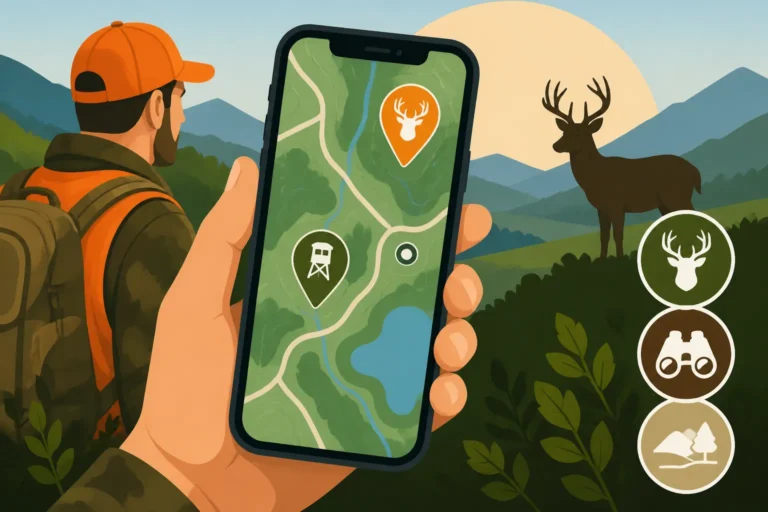
Before you ever set foot in the woods, the best place to start your scouting is from your computer or phone. Digital mapping tools have revolutionized how we approach public land hunting. Applications like GoHunt (a personal favorite for its detailed mapping layers) or the TWRA's own mapping interface are indispensable.
Start by identifying the specific Elk Hunt Zone you drew. Then, use the satellite imagery and topographic maps to pick out potential elk habitat. Look for a combination of features:
- Reclaimed Mine Lands: These often show up as large, open, grassy areas. They are crucial for elk feeding.
- Thick Timber: Identify large blocks of mature hardwoods for bedding and security. Look for areas with steep slopes and dense canopy, often at higher elevations.
- Connecting Corridors: Find pinch points, saddles, and ridge lines that connect feeding areas to bedding areas. These are natural travel routes for elk.
- Water Sources: Mark any perennial streams, small ponds, or springs.
- Access Points: Pinpoint legal parking areas, forest service roads, and old logging roads. Pay attention to vehicle access restrictions – some roads might be gated during certain times of the year.
This initial digital reconnaissance will save you countless hours of unproductive walking. It helps you prioritize areas for on-the-ground scouting and avoid wasting time in unlikely spots. For additional context, the Using the Go Outdoors Tennessee Map Tool can be a great resource to cross-reference your findings.
On-the-Ground Scouting for Sign and Travel Routes
Once you've narrowed down your areas digitally, it's time to hit the woods. On-the-ground scouting is where you confirm your theories and uncover the freshest intel. The best time to scout is typically late summer through early fall, before the leaves drop too heavily and well before the season, when elk are still settling into their patterns but aren't under intense hunting pressure.
When scouting, look for definitive elk sign:
- Tracks: Elk tracks are much larger than deer tracks. Look for fresh tracks in soft soil, mud around water sources, or along trails.
- Scat (Droppings): Elk droppings are distinct from deer, typically larger and more cylindrical. Freshness indicates recent presence.
- Rubs and Wallows: Bulls will rub their antlers on trees, creating much larger and higher rubs than deer. Wallows, muddy depressions where elk roll to cool off and remove parasites, are unmistakable and often smell musky.
- Feeding Areas: Look for cropped grasses and forbs in open fields, especially on the reclaimed mine lands.
- Game Trails: Elk create well-worn trails, especially between bedding and feeding areas. These trails are generally wider and more distinct than deer trails.
Pay close attention to how elk use the terrain. Are they moving along benches? Crossing saddles? Using creek bottoms as travel corridors? Understanding these travel routes will be key to positioning yourself for a shot.
Understanding Elk Movement Patterns
Elk movement in the North Cumberland is heavily influenced by time of day, weather, food availability, and hunting pressure. They typically follow a pattern similar to deer but on a grander scale:
- Dawn and Dusk: These are prime times to find elk actively feeding in the open reclaimed fields or moving to and from bedding areas. They'll often emerge from dense cover into these feeding grounds.
- Mid-day: During the middle of the day, especially if pressured or during warmer weather, elk will retreat to dense, cool bedding areas. These are often on shaded slopes, in thick timber, or in incredibly dense brush where they feel secure.
- Weather Influences: Cold, clear days might see elk staying out longer in feeding areas. Rainy or windy days might push them deeper into cover.
- Rutting Season: If your hunt falls during the rut (typically late September into early October), bull elk will be much more vocal and mobile, actively seeking cows. This is when calling can be highly effective. Understanding When Tennessee Elk Bugle can be vital for successful calling.
Elk in this unique environment are surprisingly adaptable, making them a challenging quarry. Learning their patterns requires patience and dedicated time afield. Don't underestimate the physical demands of navigating the diverse habitat; knowing the terrain will make your hunt much more effective.
Effective Elk Hunting Tactics in Tennessee
Once you've done your scouting homework and drawn that coveted tag, it's time to think about how you'll actually hunt these incredible animals. Tennessee elk hunting isn't a one-size-fits-all endeavor; it requires a blend of strategies, often adapted to the specific conditions of the North Cumberland.
Spot-and-Stalk in Reclaimed Mine Lands
The reclaimed mine lands, with their sweeping open fields and scattered islands of timber, are tailor-made for spot-and-stalk hunting, especially during the early and late hours of the day. This tactic relies heavily on good optics and meticulous planning.
Here's how it generally works:
- Glassing: Position yourself on a high vantage point overlooking large expanses of reclaimed land, ideally before dawn or in the late afternoon. Use high-quality binoculars or a spotting scope to methodically scan every inch of the open areas. Look for any movement, a patch of brown that seems out of place, or even the flick of an ear. Early morning thermals often carry scent uphill, so be mindful of the wind direction as you glass. Check out Optics for Glassing Elk Meadows for more details on choosing the right glass.
- Planning the Approach: Once an elk or a herd is spotted, the real chess match begins. The goal is to close the distance undetected. This involves using terrain features (ridges, draws, clumps of trees) to stay out of sight, always paying strict attention to the wind. Elk have an incredible sense of smell, and a swirling wind can blow your cover instantly. A successful stalk might involve a long, circuitous route, often taking hours, to get into an ethical shooting position.
- The Final Move: As you get closer, move even slower, utilizing every piece of cover. This often becomes a belly crawl or a very slow, deliberate walk. The key is patience; rushing will almost certainly lead to a busted stalk. This type of hunting requires not only keen observation but also physical endurance and mental fortitude.
Still-Hunting and Calling in Timbered Areas
While spot-and-stalk works well in the open, much of the North Cumberland is dense timber, especially in the steep hollers and untouched ridges. Here, still-hunting and calling become your primary tools.
- Still-Hunting: This involves moving incredibly slowly and deliberately through the timber, pausing frequently (often for minutes at a time) to scan your surroundings, listen for sounds, and look for subtle movement. You're not just walking; you're hunting every step. Focus on terrain features that funnel elk, like benches along a mountainside, saddles between ridges, or the edges of dense thickets. Always be ready for a shot, as encounters can happen suddenly and at close range.
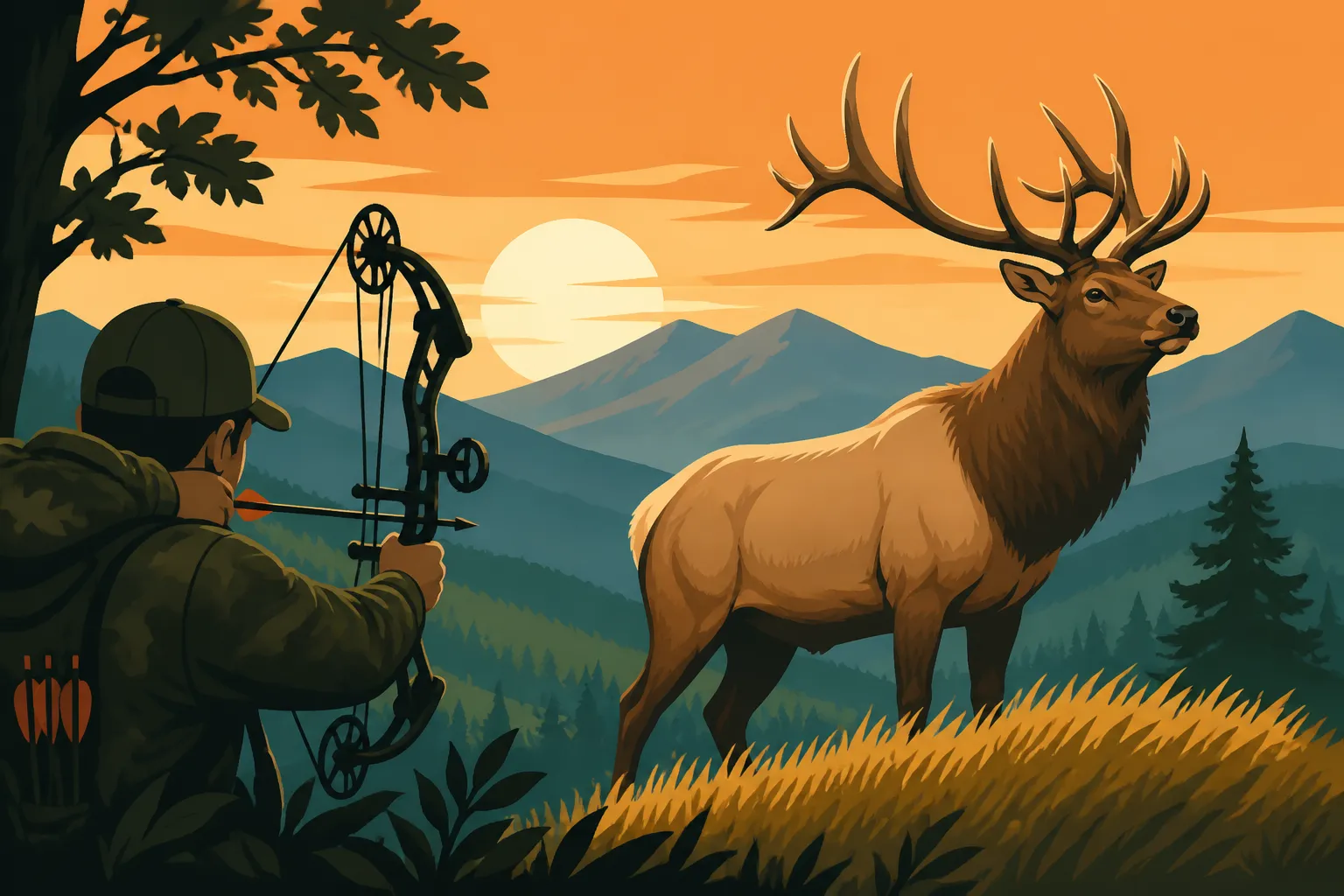
- Calling: Elk calls can be incredibly effective, particularly during the rut. Bugles (used by bulls to challenge rivals and attract cows) and cow calls (used to communicate within the herd) are the most common. Learning to use various calls and knowing when to use them is an art form. You can use aggressive bugles to draw a bull in, or soft cow calls to lure a curious animal. Sometimes, a subtle chuckle can make all the difference. Practice makes perfect, and understanding the nuances of how to effectively apply Calling a North Cumberland Bull Elk will drastically improve your chances.
- Combination Approach: Often, a combination of still-hunting and calling is best. You might still-hunt into a promising area, then set up and make a series of calls, waiting for a response. The dense cover means you might not see an elk until it's very close, so being quiet and ready is paramount.
Stand Hunting Over Food Sources or Travel Corridors
While less common than spot-and-stalk or still-hunting for Tennessee elk, stand hunting can be a viable tactic, especially in certain situations or specific areas. This involves positioning yourself in a fixed location, usually in a treestand or ground blind, along a predictable travel route or overlooking a preferred food source.
- Strategic Placement: Identify clear, consistent elk trails that connect bedding areas to feeding grounds, or funnel points like saddles, creek crossings, or narrow strips of timber between open fields. Elk, like deer, tend to use the path of least resistance.
- Food Sources: If there's a specific, highly used food source within range, such as a lush green field on reclaimed land or a heavy mast crop (like acorns) in timber, setting up a stand overlooking it can be effective, especially if you know elk are frequenting it during shooting hours. This is similar to Hunting After a Poor Acorn Year for deer, but on an elk scale.
- Concealment and Scent Control: Whether it's a treestand or a ground blind, absolute concealment and meticulous scent control are critical. Elk are highly intelligent and wary. Make sure your stand access is quiet and your scent is minimized. If using a ground blind, ensure it's well-brushed in and has been set up for a while to allow animals to get accustomed to it.
- Patience is Key: Stand hunting requires extreme patience. Elk don't always follow a precise schedule, and you might spend many hours waiting. However, if you've done your scouting right and identified a high-traffic area, the reward can be a close-range shot at a magnificent animal.
Choosing the right tactic often depends on the specific Elk Hunt Zone, the time of year, and the behavior of the elk you're encountering. Being flexible and ready to adapt your approach is a hallmark of a successful Tennessee elk hunter.
Essential Gear for a Tennessee Elk Hunt
Hunting Tennessee's restored elk herd is a physically demanding endeavor in rugged country. Having the right gear isn't just about comfort; it's about safety, efficiency, and maximizing your chances of success. Don't skimp on the essentials.
Rifle, Ammunition, and Optics Considerations
Your rifle and optics are arguably the most critical pieces of gear for an elk hunt. These animals are large and tough, requiring proper stopping power.
- Rifle Caliber: While Tennessee allows a variety of calibers, for elk, you want something that delivers ample energy and has good penetration. Common and effective choices include the .30-06 Springfield, .300 Winchester Magnum, 7mm Remington Magnum, and .338 Winchester Magnum. These calibers offer a good balance of power and manageable recoil for most hunters. Ensure your rifle is reliable and that you are proficient with it, especially in field positions. Remember that Rifles Built for a North Cumberland Elk Hunt will be different from typical deer rifles.
- Ammunition: Don't just grab any box off the shelf. Choose high-quality, bonded, or monolithic bullets designed for large game. These bullets retain their weight and penetrate deeply, increasing the likelihood of a clean, ethical kill. Practice with the exact ammunition you plan to hunt with to ensure accuracy.
- Optics (Rifle Scope): A good quality rifle scope with clear glass and reliable low-light performance is essential. Variable power scopes in the 3-9x or 4-12x range are popular, offering versatility for both closer timber shots and longer shots across reclaimed fields. An illuminated reticle can be a significant advantage in the dim light of dawn and dusk.
- Binoculars and Rangefinder: A pair of 8x or 10x binoculars are indispensable for glassing distant hillsides and spotting elk. A rangefinder is also non-negotiable for accurate shot placement, especially in terrain that can be deceivingly steep or flat. Don't forget to protect your optics with good covers and harnesses.
Clothing, Footwear, and Navigation Tools
The Appalachian weather can be notoriously unpredictable, and the terrain is unforgiving. Your clothing and footwear need to be up to the task.
- Layered Clothing System: This is paramount. Start with a moisture-wicking base layer, add insulating mid-layers (fleece or synthetic down), and top it off with a waterproof and windproof outer shell. You'll be shedding and adding layers throughout the day as you hike, glass, and sit. Blaze orange is required on certain public lands and during specific seasons, so always check the current TWRA regulations for Tennessee Blaze Orange Requirements.
- Sturdy Footwear: Invest in high-quality, broken-in waterproof hiking boots with good ankle support and aggressive tread. You'll be covering miles over uneven, steep, and potentially muddy terrain. Blisters or inadequate support can quickly ruin your hunt.
- Navigation Tools: A reliable GPS unit or a smartphone with a robust mapping app (like GoHunt's mapping features) is absolutely critical. Pre-load your maps, mark potential access points, water sources, and any other relevant features. Always carry a compass and a paper map as a backup, and know how to use them, especially if you're venturing into areas with limited cell service. Power banks for charging electronic devices are also a must. You can also explore Using the Go Outdoors Tennessee Map Tool for public land navigation.
Calling Devices and Backpack Essentials
Beyond your primary weapons system and clothing, a well-equipped backpack can make all the difference.
- Elk Calls: If you plan on calling, carry a variety: a bugle tube for long-range communication and challenging bulls, and several diaphragm or external reed cow/calf calls for close-in work and getting a bull to commit. Practice extensively before the hunt! Learning to use these effectively is a skill in itself, as detailed in Elk Calls and Cow Decoys.
- Day Pack: Choose a comfortable day pack large enough to carry all your essentials:
- Water and Snacks: Hydration is key, especially during strenuous hikes. High-energy snacks will keep you fueled.
- First-Aid Kit: A compact but comprehensive kit for minor injuries and emergencies.
- Headlamp: Essential for pre-dawn starts and post-dusk hikes out.
- Field Dressing Kit: Sharp knife, game bags, and rubber gloves for hygiene.
- Fire Starter: Waterproof matches, lighter, or a ferro rod for emergencies.
- Communication Device: Fully charged phone, and possibly a satellite messenger or two-way radios if hunting with a partner in remote areas.
- Small Repair Kit: Duct tape, zip ties, and a multi-tool for quick fixes.
Having this gear, and knowing how to use it, will equip you for a safer, more enjoyable, and ultimately more successful elk hunt in Tennessee.
Post-Harvest Considerations and Elk Management
Harvesting an elk in Tennessee is the culmination of years of waiting, diligent scouting, and a challenging hunt. But the work doesn't end when the animal is on the ground. Proper post-harvest care is crucial for meat quality and fulfilling your responsibilities as a hunter.
Field Dressing and Meat Care in Remote Terrain
This is where the true effort often begins, especially given the size of an elk and the rugged terrain of the North Cumberland. Elk are massive animals, typically weighing hundreds of pounds, and getting that meat from the field to a cooler requires a solid plan.
- Immediate Field Dressing: As soon as your elk is down, begin field dressing to cool the carcass quickly. This is paramount for meat quality, particularly if temperatures are mild. The sheer size of an elk means this is a significant undertaking, often requiring more than one person. Be prepared for a lot of work.
- The Gutless Method: Many experienced elk hunters opt for the "gutless method" in remote, rugged country. This involves skinning and quartering the animal without removing the internal organs. It significantly reduces the weight you need to move and eliminates the mess of gutting, which can be challenging on a steep hillside. This method allows you to remove the prime meat (backstraps, tenderloins, quarters) in manageable sections.
- Cooling the Meat: Once quartered, get the meat into breathable game bags immediately. Hang the bags in a shaded, well-ventilated area to allow air circulation and further cooling. Never pile meat directly on the ground. If you're a long way from your vehicle and temperatures are warm, even a few hours can make a difference in meat quality. This preparation is similar to advice on Field Dressing a Deer in Cold Weather, but scaled up significantly.
Packing Out Your Elk and Logistics
Packing out an elk in the North Cumberland is a monumental physical challenge. It will test your endurance and your team's resolve.
- Having a Plan (and Help): Before you even pull the trigger, have a detailed plan for how you will extract your animal. This includes knowing your route back to the vehicle, identifying any potential bottlenecks or extremely steep sections, and, most importantly, having enough help. An adult elk can easily require multiple trips and multiple people to pack out.
- Backpacking Frames: A sturdy external frame backpack is almost a necessity. It allows you to distribute heavy loads more effectively and attach awkward-shaped quarters. Each quarter of an elk can weigh 50-80 pounds or more, so be realistic about how much you can carry in one trip.
- Utilizing Carts or Sleds (if possible): If you're fortunate enough to kill an elk close to a relatively flat, accessible road or trail, a game cart or sled can be a lifesaver. However, the rugged, steep terrain of much of the North Cumberland often makes these impractical. Be prepared to simply carry it out, piece by agonizing piece. This is where Dragging a Deer Out of a Steep Hollow looks like child's play by comparison.
- Multiple Trips: Expect to make several trips back and forth, especially if you're hunting alone or with only one partner. Prioritize getting the meat out first, then return for the hide, head (if you're keeping it for a mount), and any remaining gear.
Reporting Requirements and Contribution to Conservation
Once your elk is safely out of the woods, your responsibilities as a hunter aren't quite over.
- Mandatory Harvest Reporting: Tennessee has strict harvest reporting requirements. You must report your elk kill to the TWRA within 48 hours of harvest. This can typically be done online through the Go Outdoors Tennessee website or app, or by phone. This data is absolutely crucial for the TWRA's wildlife biologists to monitor the herd's health, population trends, and inform future management decisions, including tag allocations.
- Checking Stations (if required): Depending on the year and specific zone, there may be designated elk check stations where you need to bring your animal for biological data collection. Always check your permit and the latest TWRA regulations for these requirements. This data provides invaluable insights into the age, health, and genetics of the herd.
- Contribution to Conservation: Every successful elk hunt is a direct testament to the success of Tennessee's conservation efforts. By participating in this regulated hunt and adhering to all rules, you're not just pursuing a trophy; you're actively contributing to the ongoing management and health of this incredible, restored resource. It’s a powerful connection to our state's wildlife legacy.
Disclaimer
All hunting regulations and season dates are subject to change. Always consult the current Tennessee Wildlife Resources Agency (TWRA) hunting guide and regulations prior to any hunting activity. This content is for informational purposes only and does not supersede official TWRA guidelines.