Why Bear Reserves Close During Dog Season
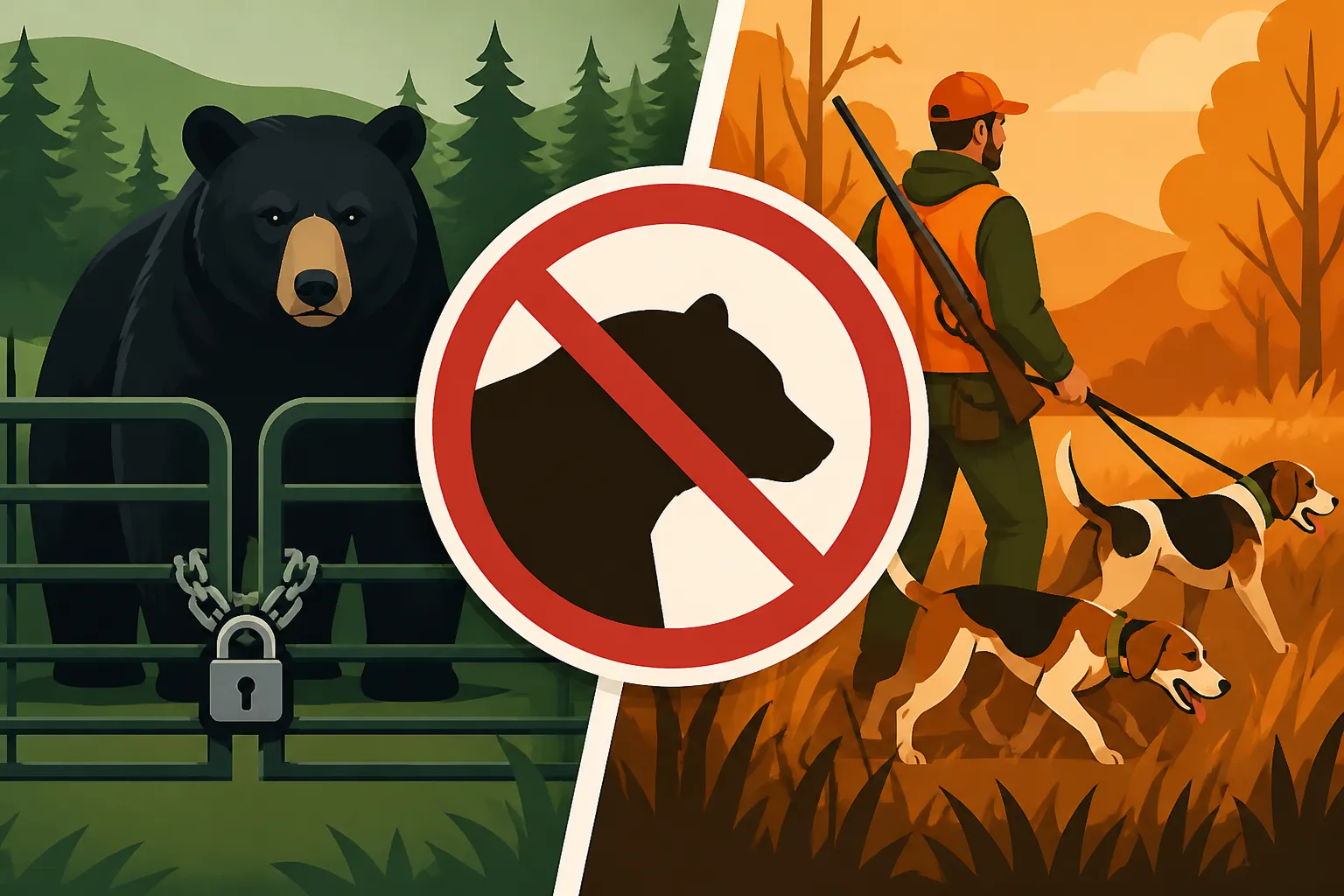
It can be incredibly frustrating to meticulously plan a bear hunt in Tennessee, only to discover that your prime hunting grounds, specifically certain bear reserves, are closed during the dog season. This isn't just a random restriction; these closures are put in place for very specific reasons, balancing hunter safety, bear conservation, and the unique challenges of hunting with hounds. This guide will walk you through the nuances of these closures, why they exist, and how you can still have a successful bear season.
Understanding Tennessee's Bear Reserves and Dog Season Restrictions
The decision to close specific bear reserves during portions of the dog season in Tennessee isn't arbitrary. It's a carefully considered management strategy by the Tennessee Wildlife Resources Agency (TWRA) to ensure the health of the bear population, manage hunter pressure, and mitigate potential conflicts between different hunting methods. These areas are often critical habitats for bears or face particular management challenges.
Bear Behavior and Conservation Needs
Tennessee's black bear population has seen a remarkable recovery, primarily due to dedicated conservation efforts. However, managing this growing population, particularly in areas like the Cherokee National Forest and the Cumberland Mountains, requires nuanced strategies. The closures during dog season are often linked to specific biological factors that directly impact bear conservation.
For instance, these reserves might contain crucial denning sites, especially for pregnant sows or sows with young cubs. Disturbing these areas with a pack of hounds could stress the bears, potentially leading to abandoned dens or increased cub mortality. While adult bears are robust, the younger generation is more vulnerable. The TWRA's primary goal is always to maintain a healthy, sustainable population, and sometimes that means designating certain areas as temporary sanctuaries during high-impact hunting periods. These closures help protect sensitive bear family units from excessive pressure, giving them space during critical times. Understanding Tennessee's Black Bear Population helps clarify the ongoing conservation efforts.
Managing Hunter and Dog Interactions
Another significant reason for these closures is to manage hunter and dog interactions, ensuring safety and minimizing conflicts. Bear hunting with hounds is an incredibly active and sometimes unpredictable pursuit. Dogs can travel long distances, and the chase can take them across varied terrain, potentially leading them into areas where other hunters are still-hunting or scouting without dogs.
When a pack of hounds is actively pursuing a bear, the noise and movement can disrupt the hunting experience for those using traditional still-hunting methods. More critically, it can pose safety concerns. Still-hunters might inadvertently get caught between a running bear and a pack of dogs, or vice versa. By closing specific reserves to hound hunting, the TWRA creates dedicated spaces for different hunting styles, reducing the chance of accidental encounters or conflicts. This also protects the dogs themselves, preventing them from being injured by other hunters or encountering unexpected hazards in densely hunted areas. It's about creating a harmonious, or at least segregated, hunting environment where everyone can pursue their quarry safely.
The Role of TWRA in Bear Management
The TWRA is responsible for overseeing all hunting and wildlife management within the state. Their decisions regarding bear seasons, bag limits, and specific area closures are based on extensive biological research, population surveys, and public input. These bear reserves are often designated as high-priority areas for bear management, requiring stricter regulations to meet specific conservation objectives.
The agency employs wildlife biologists who track bear health, reproduction rates, and mortality across different regions. For example, within Tennessee's Three Bear Hunting Zones, specific regulations are tailored to the unique conditions of each zone. The closures in certain reserves during dog season are a direct outcome of these assessments, aimed at preventing overharvest in localized populations or protecting crucial segments of the bear herd. They also consider the impact of various hunting methods. While Running Hounds for Cherokee Forest Bears is a time-honored tradition, the TWRA ensures it's done sustainably and without detrimental impacts on the overall bear population or other hunting experiences. This adaptive management approach allows the TWRA to respond to changing wildlife dynamics and ensure that future generations can also enjoy bear hunting.
Impact on Hunters and Navigating Regulations
These closures, while necessary for bear management, undeniably impact hunters. Both those who prefer still-hunting and those who run hounds need to be aware of these restrictions and adapt their hunting plans accordingly. It requires meticulous planning and a deep understanding of the regulations, which can sometimes feel like trying to untangle a bowl of spaghetti.
Challenges for Still-Hunters
For the still-hunter, someone who prefers to quietly stalk through the woods or sit patiently in a blind, these closures can be a mixed bag. On one hand, areas closed to hound hunting might offer a more tranquil hunting experience, free from the commotion of barking dogs and running bears. This could potentially increase the chances of encountering undisturbed bears, as the animals are less likely to be pushed out of the area by hounds. Spot-and-Stalk Tactics for Cherokee Forest Bears might even be more effective in these quieter zones.
However, the closure means that still-hunters cannot rely on hounds to push bears towards them, which can be a common tactic in other areas. It forces a more traditional, stealth-focused approach. Hunters need to spend more time scouting, identifying natural travel corridors, food sources like acorn flats, and bedding areas. They also need to be acutely aware of scent and wind direction. The sheer amount of ground a still-hunter can cover is limited compared to a pack of dogs, so pinpointing exact bear locations becomes even more critical. This often means relying on tools like detailed topographic maps or advanced GPS applications such as those offered by GoHunt, which can help pinpoint potential bear sign and favorable terrain within allowed areas.
Considerations for Hound Hunters
Hound hunters, in particular, face significant adjustments due to these reserve closures. Their primary method of hunting is directly impacted, as large tracts of land might be off-limits during their preferred season. This means they must carefully check boundaries and regulations before releasing their dogs, often requiring a detailed map to ensure they don't inadvertently enter a closed zone. Crossing into a closed area with hounds, even by accident, can lead to serious penalties and jeopardize the integrity of the conservation efforts.
Hound hunters must also consider where they can legally release their dogs and where they can realistically expect to tree a bear without running into a reserve boundary. This often requires them to focus on areas outside the reserves or plan their chases to steer clear of these restricted zones. It can mean shorter chases, more frequent checks on dog collars, and being prepared to call dogs off a bear if it heads towards a closed area. Getting Access to South Cherokee Dog Season might mean understanding very specific ingress and egress points, and being aware of the South Cherokee Bear Reserve Boundaries is paramount. Successful hound hunting in Tennessee, especially with these complex rules, demands a higher level of preparedness and adherence to the law.
Navigating Season Dates and Zones
Beyond specific reserves, hunters must also contend with the broader Tennessee's Three Bear Hunting Zones, each with its own season dates and regulations. These zones are designed to manage bear populations effectively across the state's diverse geography, from the Appalachian Mountains to the Cumberland Plateau.
For example, Tennessee Bear Zone One Rules might allow for hound hunting during certain periods, while an adjacent zone or a specific reserve within that zone might have different rules. It's not just about knowing if an area is open, but when it's open for a specific hunting method. The bear dog season typically runs for several weeks, often overlapping with gun and archery seasons, but special restrictions apply to the reserves. Hunters often utilize the GoHunt app or the TWRA website to overlay these complex regulations onto mapping layers, ensuring they are always within legal boundaries for their chosen hunting method. This granular understanding of dates and zones is absolutely essential to avoid violations and to maximize hunting opportunities.
| Bear Hunting Zone | Primary Geographic Area | General Hunting Methods Allowed (Outside Reserves) | Common Season Timing | Specific Restrictions (Outside Reserves) |
|---|---|---|---|---|
| Zone One | Northeast TN (Cherokee NF) | Archery, Muzzleloader, Gun, Dog Hunting | Typically early fall to late fall | Specific dates for gun and dog seasons vary; check TWRA regulations. |
| Zone Two | Smoky Mountain Foothills | Archery, Muzzleloader, Gun, Dog Hunting | Similar to Zone One, but often shorter dog season | Hound hunting usually has specific start/end dates. |
| Zone Three | South Cherokee NF | Archery, Muzzleloader, Gun, Dog Hunting | Shorter seasons, often later start | More emphasis on quota or limited access hunts. |
Note: This table provides a generalized overview. Always consult the most current TWRA regulations for precise dates, boundaries, and specific reserve closures, as these can change annually.
Specific Bear Reserves and Alternative Hunting Areas
While the general concept of "bear reserves" is clear, understanding the specific areas designated as such in Tennessee and their unique rules is vital. These areas are not always uniformly defined and can have varying restrictions based on their ecological significance and management goals.
Understanding Bear Zone Boundaries
Tennessee's bear zones are large geographical regions, primarily concentrated in the eastern part of the state where bear populations are densest. Within these zones, however, there are often smaller, more specific areas that operate under special regulations. A prime example is the Cherokee National Forest, which is a vast tract of public land spanning across multiple counties. While much of Cherokee National Forest Hunting is open to various methods, certain portions are designated as bear reserves or have specific rules for dog hunting.
For instance, the South Cherokee Bear Reserve is a well-known example. It's situated within the larger Cherokee National Forest but has distinct rules, particularly concerning the use of hounds. These boundaries aren't always marked with a big, obvious sign on every tree. Hunters need to rely on detailed maps, often GPS-enabled, to understand exactly where these lines are drawn. This granular knowledge prevents accidental trespass into a restricted area and helps hunters plan their approach effectively, ensuring they stay on legal ground whether they are Running Hounds for Cherokee Forest Bears or Spot-and-Stalk Tactics for Cherokee Forest Bears. The boundaries are there to protect the resource, and respecting them is a key part of ethical hunting.
Notable Bear Reserves and Their Regulations
The South Cherokee Bear Reserve is arguably the most prominent example of a "bear reserve" that specifically impacts dog hunting in Tennessee. Located in the southern portion of the Cherokee National Forest, this area has historically been managed with specific restrictions on hound hunting to protect its bear population and habitat. While specific regulations can change, the general intent is to reduce pressure during critical periods or to provide sanctuaries.
Hunters wishing to hunt bear with hounds in areas adjacent to or associated with these reserves must be intimately familiar with the regulations for Getting Access to South Cherokee Dog Season. This often means specific dates, permits, or even designated entry and exit points. Other areas, though not always labeled "reserves," might have similar restrictions or shorter hound seasons within specific Wildlife Management Areas (WMAs) or federal lands to achieve similar conservation goals. It's critical to remember that these aren't just about hounds; sometimes these reserves might also have unique rules for other hunting methods or even Camping Rules on Cherokee National Forest Land. Always check the current TWRA hunting guide and any specific WMA regulations before heading afield.
Planning Your Hunt Around Closures
Given these complexities, successful bear hunting in Tennessee often hinges on your ability to plan around these closures. This involves more than just looking at a calendar; it means strategic scouting and understanding the behavior of bears in different parts of their range.
If your preferred bear reserve is closed to dog hunting, you have a few options. One is to shift your focus to areas that are open during the dog season. This might mean exploring different parts of the Cherokee National Forest or other public lands that allow hounds. Another strategy, if you are a still-hunter, might be to target these closed-to-dogs reserves precisely because they offer a quieter experience, free from the disturbance of hounds. This requires excellent Scouting Tennessee Public Land Before Season to identify active bear sign. Additionally, using tools like GoHunt, hunters can mark these closed areas on their digital maps and plan alternate routes or hunting locations. This preparation can make the difference between a frustrating trip and a successful hunt.
Adapting Your Bear Hunting Strategies
The key to consistently finding success when faced with bear reserve closures is adaptability. Hunters who understand the regulations and are willing to adjust their strategies will find more opportunities. This might mean changing locations, adjusting your timing, or even altering your preferred hunting method.
Scouting Beyond Reserve Boundaries
When bear reserves are closed, it's a perfect opportunity to expand your hunting knowledge by scouting new areas just outside those boundaries. Bears don't recognize human-drawn lines on a map. They move freely between these areas based on food availability, mating cycles, and pressure. A bear that's been pushed by hounds up to the edge of a closed reserve might circle back or establish a new pattern just outside the restricted zone.
Focus your scouting efforts on public land adjacent to these reserves. Look for natural funnels, thick cover, and mast crops like acorns or wild berries that bears will be utilizing. Pay close attention to recent bear sign, such as tracks, scat, and rubbed trees. Using satellite imagery on mapping apps, like those provided by GoHunt, can help you identify potential access points and areas of dense cover where bears might be seeking refuge. The goal is to find Finding Ground Others Walk Past because it's slightly less obvious or requires a bit more effort. By doing so, you're not just finding alternative spots; you're gaining a deeper understanding of bear movement patterns across the landscape.
Focusing on Early or Late Season Opportunities
The timing of closures often coincides with peak dog hunting activity, but bear seasons in Tennessee can be quite extensive, encompassing archery, muzzleloader, and gun seasons. If hound hunting is restricted in a specific reserve, consider shifting your focus to hunting during the archery or muzzleloader portions of the season, which may have different regulations for that particular area.
Early archery season, for example, often offers less pressure and the chance to hunt bears over abundant natural food sources before they become heavily disturbed. Similarly, a late-season muzzleloader hunt might provide opportunities when bears are concentrated on specific food sources or when snow cover can aid in tracking. Hunting Bears Over Natural Mast in the Mountains is particularly effective during these earlier seasons. These periods allow for different tactics, like sitting over a productive acorn flat or patiently still-hunting thick bedding areas. By diversifying your approach and understanding the full range of Tennessee Bear Zone Two Rules or other zonal regulations, you can extend your hunting opportunities even when your primary method is restricted.
Utilizing Public and Private Lands
Tennessee offers a substantial amount of public hunting land, including the Cherokee National Forest and numerous Wildlife Management Areas (WMAs). While some of these might have specific reserve closures, many others remain open. It's crucial to consult the TWRA's WMA guide for detailed information on regulations and open areas for bear hunting.
Additionally, don't overlook the potential of private lands. While securing permission can be challenging, a significant portion of Tennessee's bear habitat is on private property. Building relationships with landowners can unlock prime hunting opportunities, often away from the crowds and specific public land restrictions. Always ensure you have proper Tennessee Hunter Education Requirements and understand Tennessee Public Land Hunting Hours and private land access laws. Combining scouting on open public lands with efforts to gain private land access can provide a robust set of options for your bear hunting season, allowing you to adapt gracefully to any reserve closures. Remember, after a successful hunt, proper Tennessee Bear Checking Requirements are always mandatory, regardless of where the bear was harvested.
Disclaimer
The information provided in this guide is for general informational purposes only and is subject to change. Hunting regulations, season dates, and specific area closures in Tennessee are set by the Tennessee Wildlife Resources Agency (TWRA) and can be updated annually. It is the hunter's sole responsibility to consult the most current official TWRA hunting guide and any relevant local regulations before engaging in any hunting activities. Failure to do so may result in legal penalties.