Tennessee Woodcock Singing Ground Surveys
Tennessee woodcock singing ground surveys track male American woodcock populations to help wildlife managers make informed conservation and hunting decisions.
Know what you’re after.
Big game, small game, upland birds, and waterfowl — identification, behavior, rut and migration timing, and how each species moves through the season.
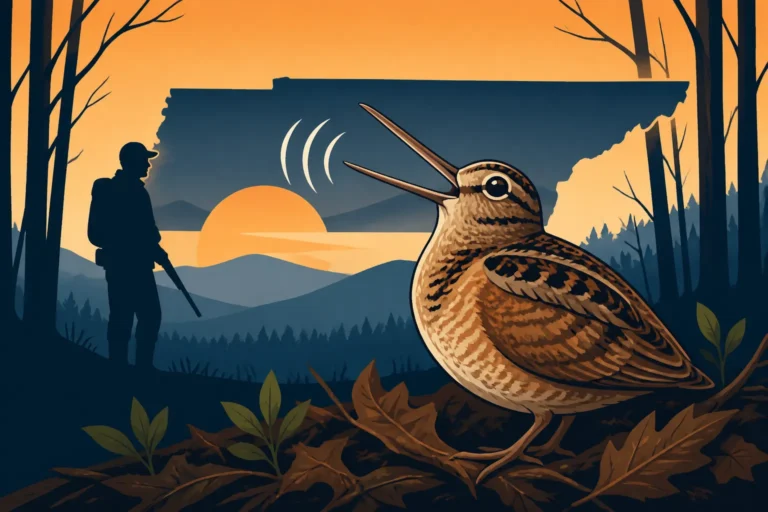
Tennessee woodcock singing ground surveys track male American woodcock populations to help wildlife managers make informed conservation and hunting decisions.
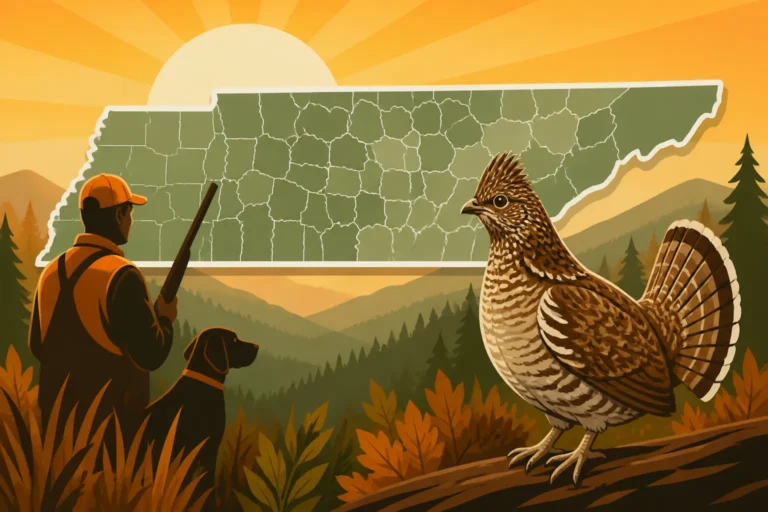
Ruffed grouse hunting in Tennessee requires finding specific regenerating woodlands and early successional forest habitats to locate birds.
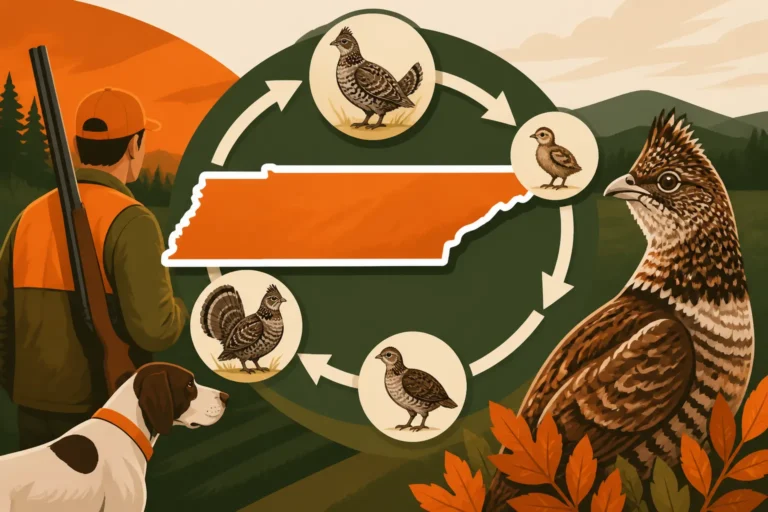
Tennessee ruffed grouse populations and their natural cycle, explaining regional differences, food availability, and habitat loss.
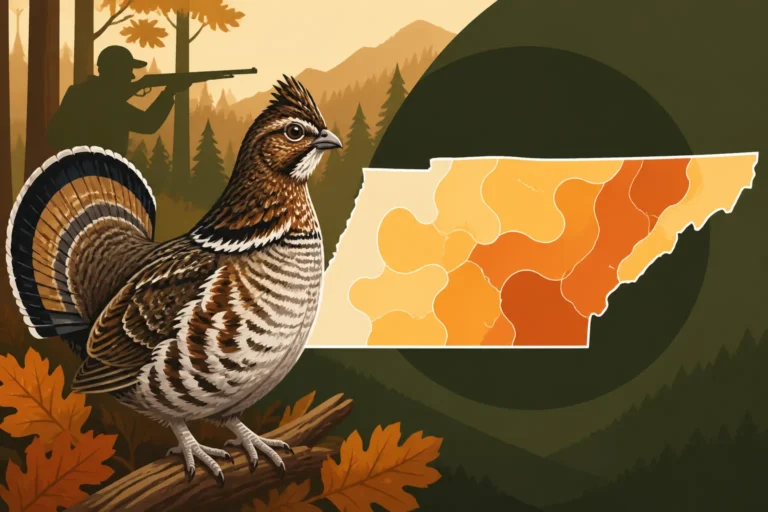
Tennessee ruffed grouse numbers, historical abundance, and reasons for population declines across eastern and central forest regions.

Historical red wolf populations in Tennessee, their original southeastern range, ecological roles, and causes of extinction.

Tennessee bobcat populations are rebounding statewide due to natural reforestation and regulated conservation management practices.
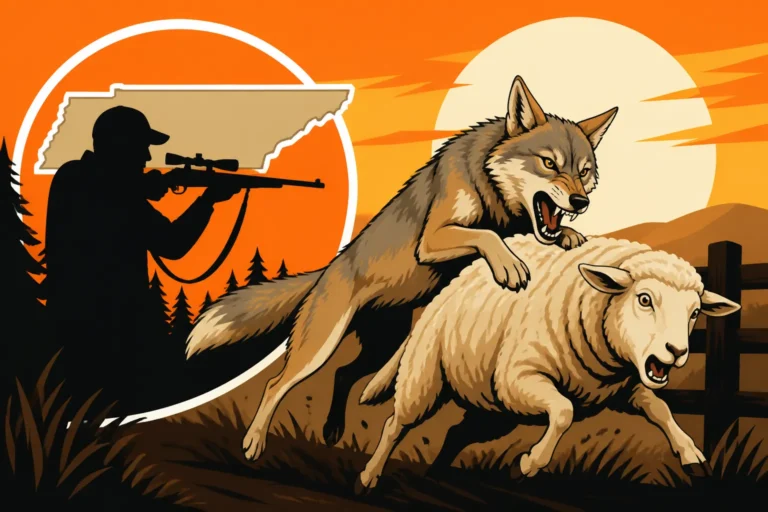
Tennessee coyote attacks on livestock cause losses, requiring farmers to identify specific predation signs and implement prevention strategies.
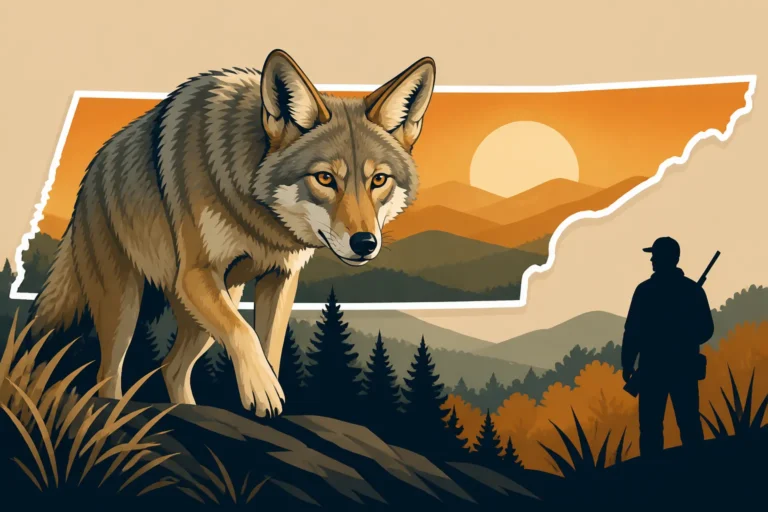
Tennessee coyotes expanded eastward naturally from the West, establishing breeding populations across the state during the 1970s and 1980s.

Tennessee coyote population numbers remain impossible to determine, yet litters of five to seven pups ensure statewide establishment.

Tennessee duck harvest numbers collected by wildlife agencies reveal waterfowl population health and regional hunting trends.