Resident Goose Problems Near Nashville
Resident goose populations in Nashville cause persistent challenges, explaining why these birds stay and how communities manage them.
Know what you’re after.
Big game, small game, upland birds, and waterfowl — identification, behavior, rut and migration timing, and how each species moves through the season.
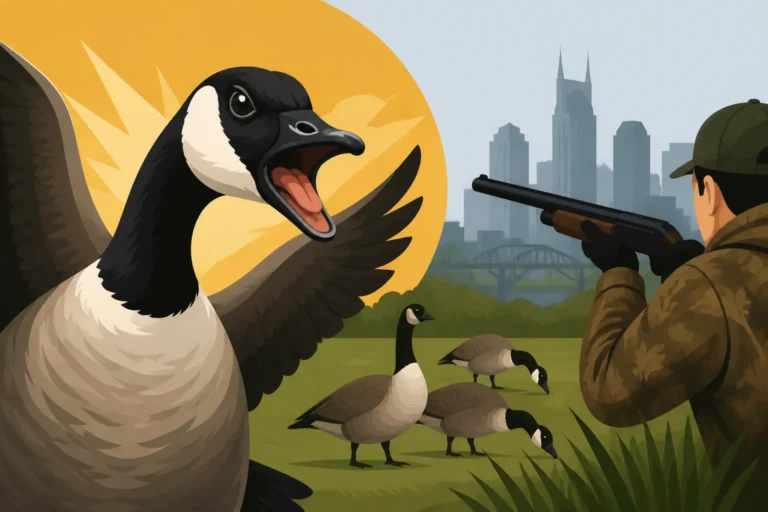
Resident goose populations in Nashville cause persistent challenges, explaining why these birds stay and how communities manage them.
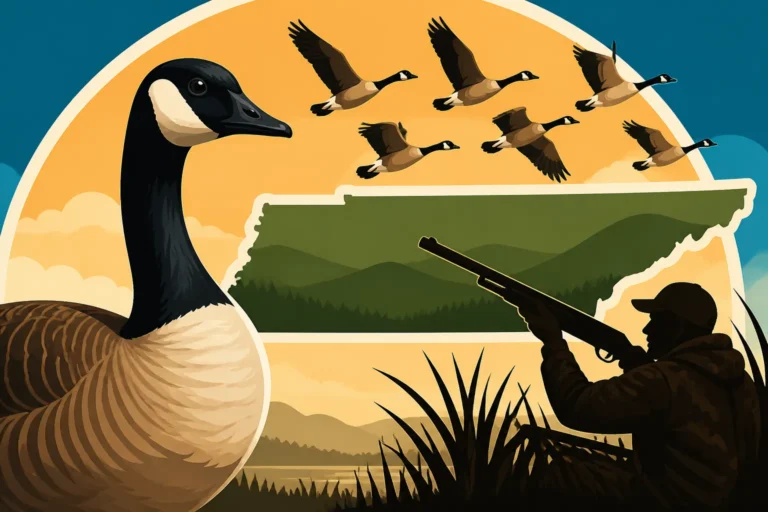
Tennessee Canada goose populations include resident birds and northern migrants that influence local hunting strategies and seasonal dynamics.
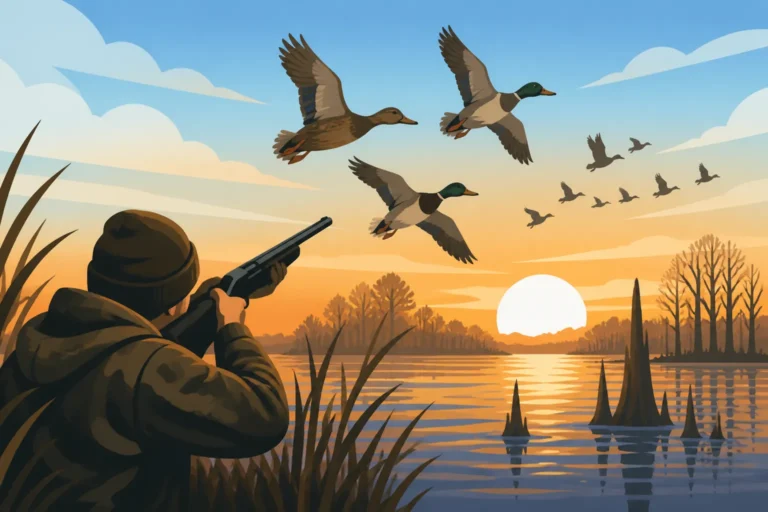
Reelfoot Lake in Northwest Tennessee attracts winter waterfowl through shallow waters, submerged vegetation, and flooded cypress timber.
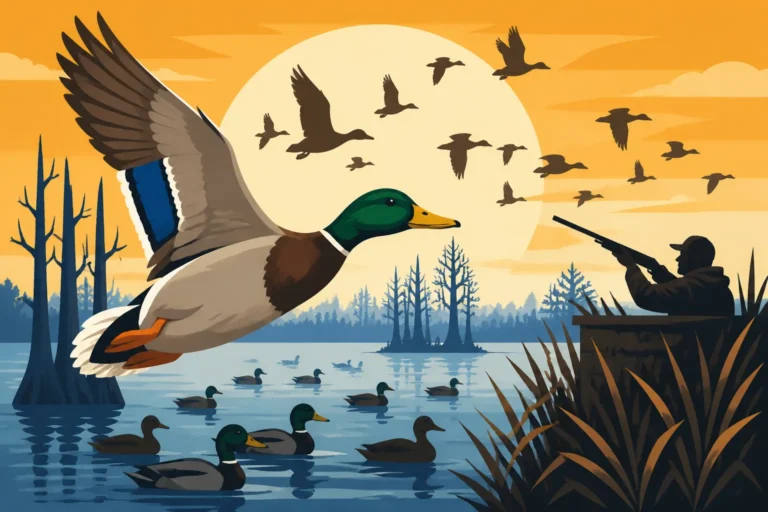
Reelfoot Lake winter duck populations fluctuate due to weather, seasonal changes, and habitat availability along the Mississippi Flyway.
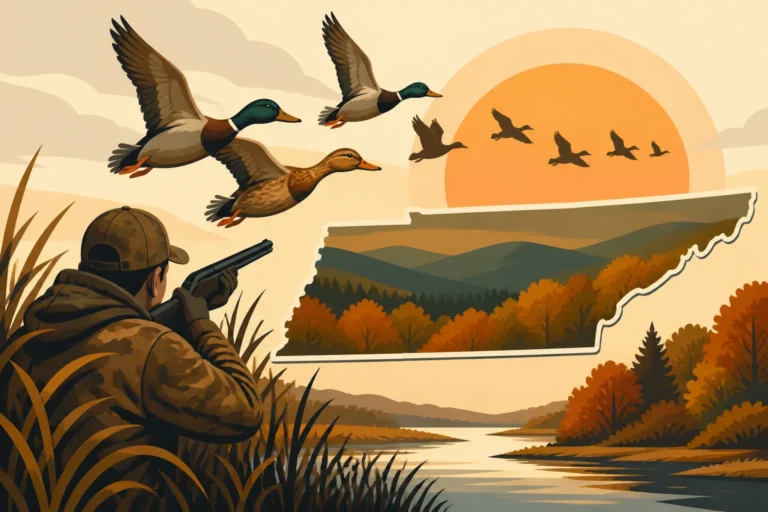
Tennessee duck migration timing depends on northern cold fronts, Mississippi Flyway geography, and local food availability.
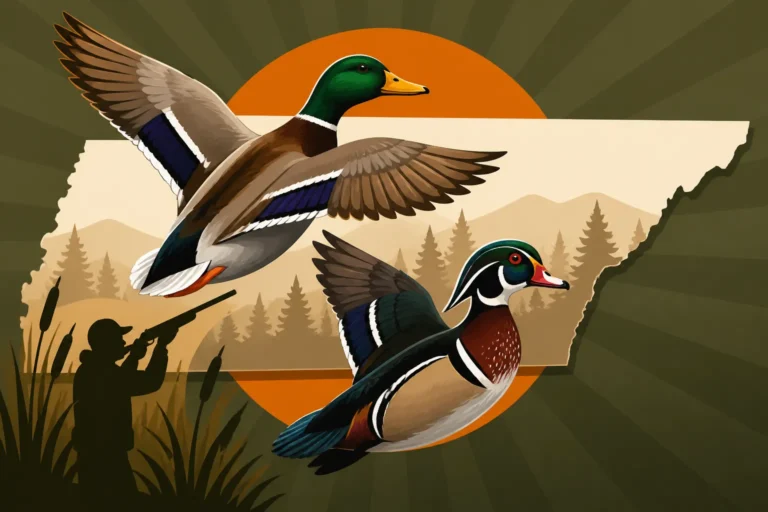
Tennessee mallard and wood duck populations fluctuate due to northern breeding conditions, weather patterns, and food availability.
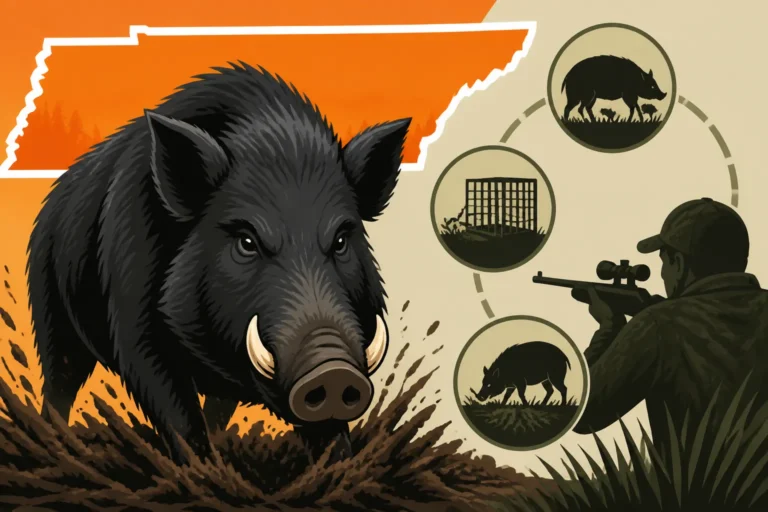
Wild hog biology, rapid reproduction rates, and high adaptability explain why these animals are difficult to eliminate in Tennessee.
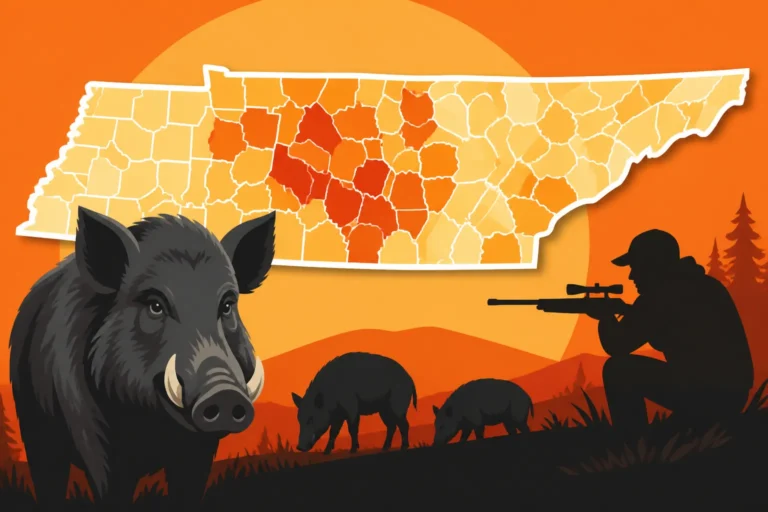
West Tennessee counties along the Mississippi River, including Obion and Fayette, harbor the state’s largest wild hog populations.
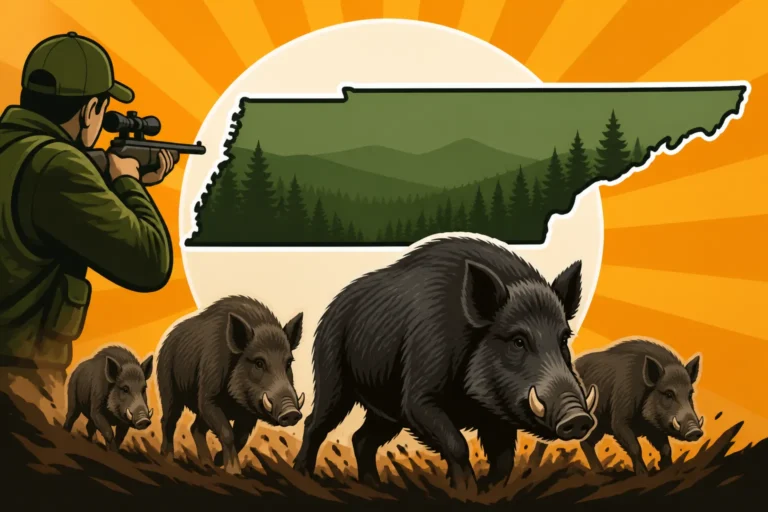
Tennessee wild hog population numbers remain unknown due to rapid reproduction, nocturnal habits, and varied state terrain.
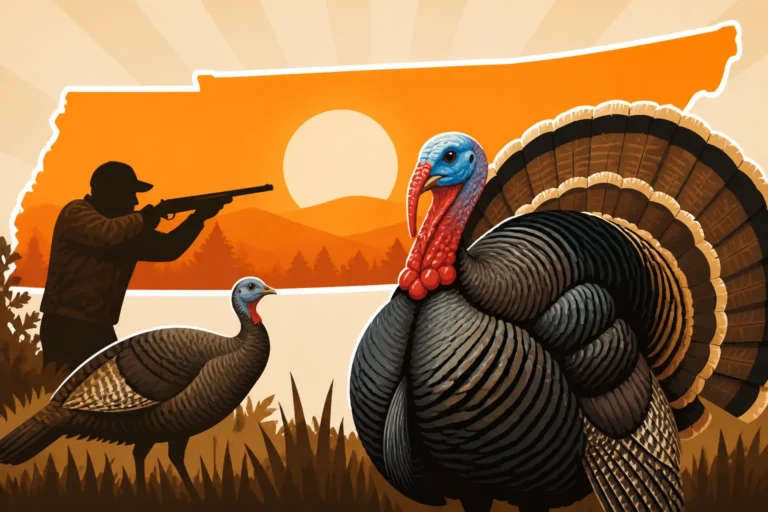
Tennessee turkey hunting scoring relies on National Wild Turkey Federation criteria combining live weight, spur length, and beard length.