Where Tennessee Bobcats Are Rebounding
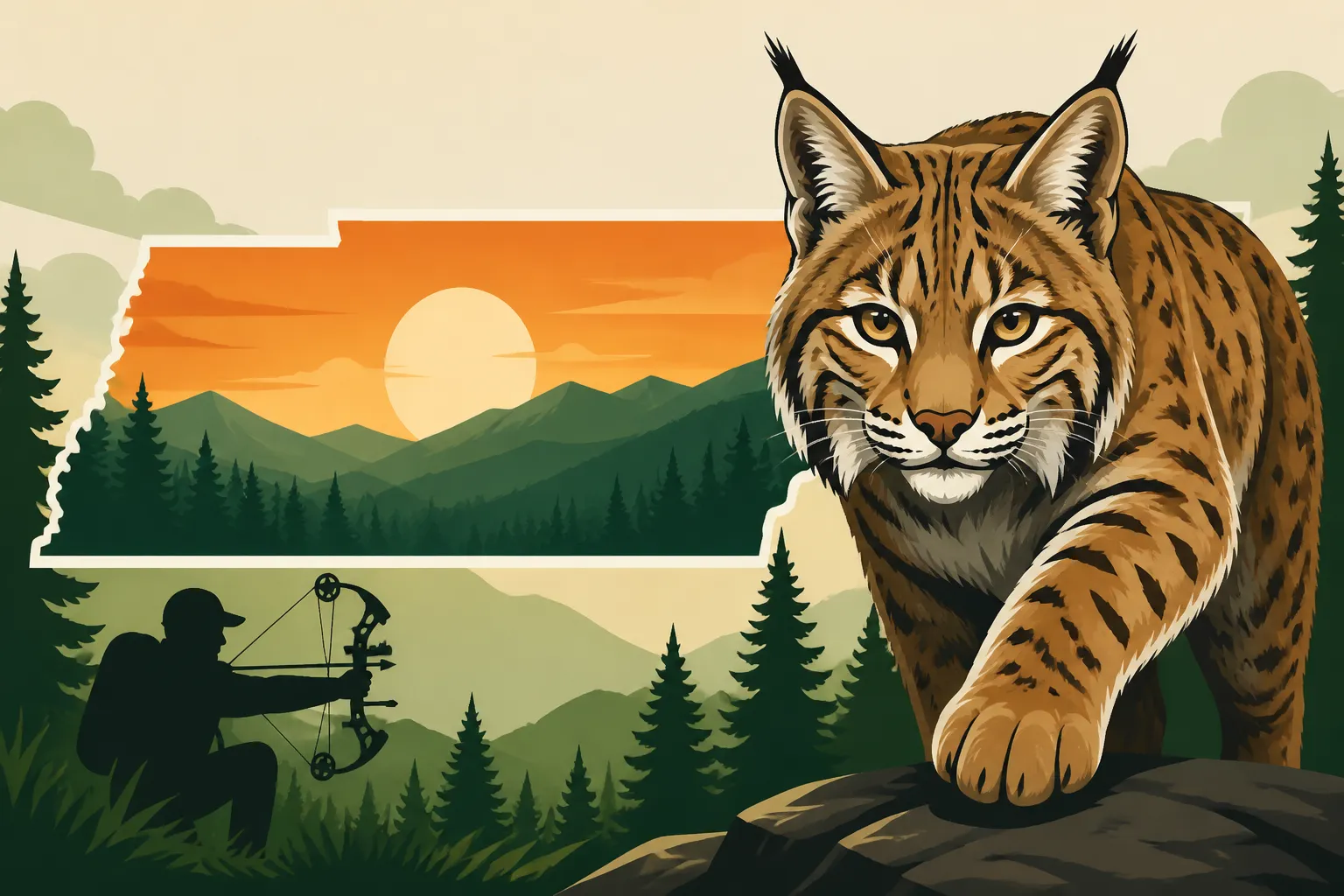
For many years, the elusive bobcat in Tennessee felt more like a myth than a reality for the average hunter. You might hear whispers of a sighting, but actually seeing one, let alone understanding where they truly thrive, was a rare treat. But let me tell you, things are changing! These beautiful, wild felines are making a remarkable comeback, and if you know where to look, you're more likely than ever to catch a glimpse or even pattern one. This guide is all about peeling back the curtain on Tennessee's bobcat resurgence, helping you understand where they’re rebounding and how you can find them in the wild.
The Remarkable Resurgence of Tennessee Bobcats
It’s truly a testament to nature's resilience and some thoughtful conservation that bobcats are now a thriving part of our Tennessee landscape. For decades, many hunters (myself included!) only ever saw a bobcat in books or perhaps as a fleeting shadow. Their comeback is a fascinating story, and understanding it helps us appreciate just how special these animals are.
A History of Decline and Restoration
Historically, bobcats faced a pretty tough road. Back in the day, especially from the late 1800s through the mid-20th century, their populations took a nosedive across much of their range, and Tennessee was no exception. It was a combination of things: widespread habitat loss as forests were cleared for agriculture and development, and unregulated hunting and trapping. To be brutally honest, there were even bounty systems in place in some areas, viewing them as nothing more than varmints that competed with humans for game or posed a threat to livestock. It's tough to imagine now, but there was a time when catching a glimpse of a bobcat was a truly monumental event, a sign of truly wild, untouched country that was becoming increasingly scarce.
Thankfully, mindsets shifted, and science-based wildlife management took hold. Conservation efforts, coupled with the natural reforestation of much of Tennessee's landscape (especially as agricultural lands were abandoned), provided these adaptable predators with a lifeline. Over time, protections were put in place, and hunting and trapping became regulated, allowing their numbers to slowly but steadily increase. It’s been a quiet, gradual restoration, but the results are undeniable: we now have a healthy, robust bobcat population across much of the state, something we can all be proud of.
Why Bobcats Are Thriving Now
So, what's behind this incredible success story? A big part of it comes down to the bobcat's inherent adaptability. These are not picky creatures when it comes to habitat, as long as there's decent cover and food. They can live in a wide variety of environments, from dense mountainous forests to more open farmlands with pockets of thick woods. And let's be real, Tennessee offers plenty of that! Our state is a mosaic of different landscapes, many of which have seen significant forest regrowth in the past 50-70 years. These regrowing timber stands, creek bottoms, and briar thickets are prime bobcat country.
Another huge factor is prey availability. Bobcats are primarily mousers, rabbit hunters, and squirrel chasers. They thrive on the abundance of small game we have in Tennessee, including healthy Tennessee Squirrel and Rabbit Populations. If you've got plenty of cottontails, voles, and gray squirrels, you've got dinner for a bobcat. Their stealthy nature also allows them to coexist remarkably well with humans, often living in close proximity without ever being detected. They're masters of camouflage and nocturnal movement, making them incredibly difficult to spot. Finally, while trapping still occurs, the overall pressure from humans is nowhere near what it was historically, giving these wild cats a much better chance to reproduce and flourish.
Prime Habitats and Regions for Bobcat Sightings
Now for the exciting part: where can you actually expect to find these elusive creatures? While bobcats are found statewide, certain regions and habitat types offer a higher probability of encountering them. Think of it as finding their preferred hunting grounds and dens.
East Tennessee's Mountainous Strongholds
When I think of prime bobcat country, my mind often goes straight to the rugged beauty of East Tennessee. The dense, sprawling forests of the Appalachian foothills and mountains, particularly in areas like the Cherokee National Forest Hunting lands and the vast stretches of the Cumberland Plateau, are absolute bobcat strongholds. This terrain offers everything a bobcat could ever want: an endless supply of rocky outcrops, secluded caves, and thick laurel and rhododendron thickets for denning and escape cover.
They love the broken topography, the steep hollows, and the mature timber that often has a dense understory. Imagine a mosaic of mature hardwoods, pine stands, and those impenetrable briar patches that are a nightmare for hunters but a haven for bobcats and their prey. These remote, less pressured areas are where bobcats can truly be wild and undisturbed. If you’re scouting for deer in the mountains, especially along the edges of clear-cuts or creek bottoms, you're also likely walking through prime bobcat habitat. The sheer amount of undeveloped land in counties like Polk, Monroe, and McMinn makes these areas excellent bets.
Middle Tennessee's Woodlots and River Corridors
Don't make the mistake of thinking bobcats are only found in deep wilderness. While they certainly appreciate it, their adaptability means they've also carved out a niche in Middle Tennessee, even in areas that might seem more settled. Here, you'll want to focus your search on larger, contiguous woodlots, especially those connected by Cumberland River Corridor Public Access or other river systems. These river bottoms and associated drainages provide excellent cover and travel corridors.
Bobcats in Middle Tennessee often utilize the edges of agricultural fields, fencerows, and creek beds that wind through farm country. They are adept at moving through these linear cover types, using them to hunt and travel undetected. Think about those neglected woodlots, thickets of cedars, or areas of dense brush along streams – places where rabbits and rodents thrive. While you might not find the same sheer numbers as in the mountains, an individual bobcat can certainly thrive in a substantial woodlot near a town, proving just how good they are at living under the radar. So, when you're thinking about Hunting West Tennessee River Bottoms or scouting property near Nashville, don't rule out the possibility of a bobcat.
West Tennessee's Bottomlands and Swampy Areas
Moving west, the landscape shifts dramatically, but the bobcat's presence remains strong, perhaps even more so in certain areas. The swampy, dense bottomlands and floodplains of West Tennessee, particularly along the Mississippi River and its major tributaries, are ideal bobcat habitat. These areas are characterized by vast stretches of flooded timber, canebrakes, briar thickets, and incredibly dense undergrowth that makes human travel difficult.
This impenetrable cover offers bobcats the ultimate sanctuary. They can easily move through these areas, stalk prey, and find secure den sites without much human disturbance. The abundance of water also contributes to a thriving ecosystem of small game, particularly rabbits and waterfowl, which further supports a healthy bobcat population. Counties like Obion, Lake, and Dyer, with their extensive bottomlands, often hold excellent numbers of bobcats. When you're slogging through those thick areas for Waterfowl Hunting Reelfoot Lake and Beyond or Hunting West Tennessee Bottomland Deer, remember you're also walking through prime bobcat real estate.
Signs to Look For and Scouting Strategies
Okay, you know where to look, but how do you actually find evidence of these stealthy creatures? It takes a keen eye and a bit of detective work, but once you start to recognize their signs, you’ll be amazed at how often they go unnoticed.
Tracks, Scat, and Other Tell-Tale Clues
One of the most definitive ways to confirm a bobcat's presence is by finding its tracks. Unlike domestic cats, you'll rarely see claw marks in a bobcat's track because they keep their claws retracted when walking. The track itself is typically rounder than a dog's, with four toes showing on both the front and hind feet. Look for these in soft mud, sand along creek beds, or fresh snow. Creek beds and logging roads, especially after a rain, are excellent places to scout for tracks. A good general scouting skill like Reading Tennessee Mud for Fresh Deer Movement can easily be adapted to spotting bobcat tracks too.
Scat can also provide clues, though it's often confused with coyote or fox droppings. Bobcat scat is typically segmented, often dark, and may contain hair or bone fragments from their prey. They often deposit scat in visible locations, like on logs or rocks, perhaps as a territorial marker. Less common, but still worth noting, are kill sites. If you stumble upon a partially eaten rabbit or bird that's been neatly plucked or skinned with very little mess, it could be a bobcat kill. You might also find scratch marks on trees, particularly smaller trees, where they sharpen their claws – similar to a domestic cat, but larger and more robust.
Utilizing Technology and Trail Cameras
In today's hunting world, technology is your friend, and that's certainly true when it comes to patterning bobcats. Trail cameras are an invaluable tool. Set them up along known game trails, especially those that parallel creek beds, run through thickets, or bottleneck between different habitat types. Natural funnels are always good places. Consider using scent lures specifically designed for felines (check local regulations on lure use), though even just placing a camera where small game is abundant can yield results.
Mapping applications like GoHunt can be incredibly helpful for identifying potential bobcat habitat. You can zoom in on aerial photos to pinpoint those dense, overlooked thickets, riparian corridors, and rocky bluffs that scream "bobcat." Look for areas with a mix of mature timber and heavy undergrowth, especially those that are difficult for humans to access. Using the topographical layers on GoHunt can help you find those steep, broken areas that bobcats love for cover and vantage points. Over time, you can use the data from your cameras, combined with your GoHunt mapping, to start seeing patterns in their movement and activity.
Best Times to Spot a Bobcat
Bobcats are primarily crepuscular, meaning they are most active during dawn and dusk. However, they are also quite nocturnal, especially in areas with human activity, so don't rule out nighttime movement. If you're out scouting early in the morning or late in the evening for deer or turkey, you're at the prime time for a bobcat encounter.
Seasonally, late fall and winter can be the best times to actually spot one. With deciduous leaves off the trees, visibility in the woods increases dramatically, making it easier to see these masters of stealth. Their coats also tend to be thicker and richer in color during the colder months, making them stand out a bit more against the subdued winter landscape. Any time you're in the woods for Tennessee's Gun Deer Season Into January or Bowhunting Tennessee's Long Archery Season, keep your eyes peeled. Patience and quiet observation from a good vantage point, like a ridgeline overlooking a hollow, will increase your odds.
Understanding Bobcat Behavior and Management
Beyond just finding them, understanding how bobcats live and how they're managed in our state offers a richer appreciation for these incredible animals.
Diet and Hunting Habits
Bobcats are opportunistic and efficient predators, and their diet primarily consists of smaller mammals and birds. Rabbits are a staple, along with squirrels, mice, voles, and various ground-nesting birds. They're not above taking a larger meal, though, and will occasionally prey on young deer fawns if the opportunity arises, or even adult deer when conditions are tough, or the deer is injured. However, this is generally not a significant impact on our robust White-Tailed Deer Across Tennessee population.
They employ a classic stalk-and-ambush hunting strategy. They'll patiently wait in dense cover for an unsuspecting meal to pass by, then pounce with incredible speed and agility. Their keen eyesight and hearing make them incredibly effective hunters, especially in low-light conditions. These fierce little predators play a vital role in maintaining the health of our ecosystem by helping to control populations of smaller prey animals. Their presence is a sign of a healthy, balanced wild environment.
Bobcat Management and Trapping in Tennessee
Tennessee manages its bobcat population through regulated hunting and trapping seasons, recognizing them as a valuable furbearer. Because their populations are healthy and thriving, the state allows for regulated take as part of its overall Tennessee Small Game Season Rules for furbearers. This management ensures that populations remain stable and healthy while providing opportunities for trappers and hunters.
If you're interested in pursuing bobcats, it's absolutely crucial to familiarize yourself with the current Tennessee Wildlife Resources Agency (TWRA) regulations regarding season dates, bag limits, and legal methods. These can change, so always check the most recent hunting and trapping guide. For example, Running a Trapline in Rural Tennessee for furbearers like bobcats requires specific permits and adherence to trap types and placement rules. Many hunters who are interested in Predator and Furbearer Hunting in Tennessee will consider bobcats, often using calls or incidental encounters during other seasons. Tools like GoHunt can also help you track regulatory updates and find public lands where bobcat hunting or trapping might be permitted. Just remember, responsible hunting and trapping are key to maintaining healthy populations for future generations to enjoy.
Disclaimer
This article is for general informational purposes only and does not constitute professional advice. Laws, prices and regulations vary by location and change over time. Consult a qualified professional for guidance on your specific situation.