Hunting a Green Field Planted for Deer
Tennessee deer hunting strategies explain movement patterns and food source preferences to help harvest wary bucks near green fields.
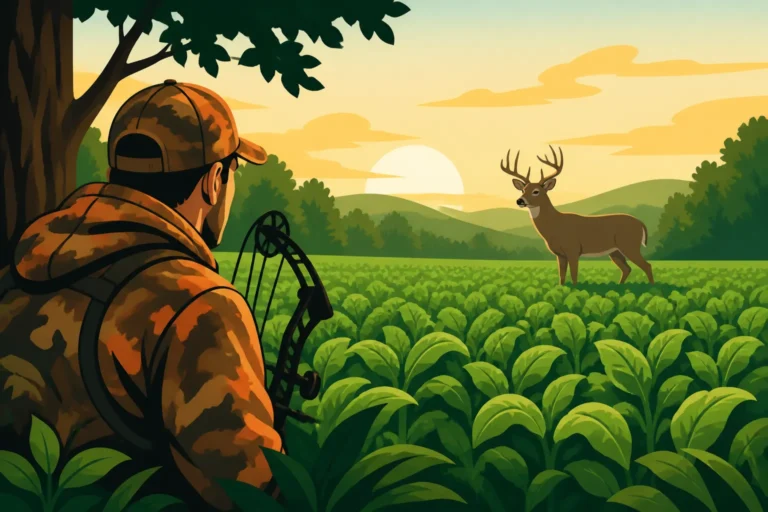
Tennessee deer hunting strategies explain movement patterns and food source preferences to help harvest wary bucks near green fields.

Tennessee whitetail deer hunting methods explain how to glass open powerline cuts during low light evening hours.
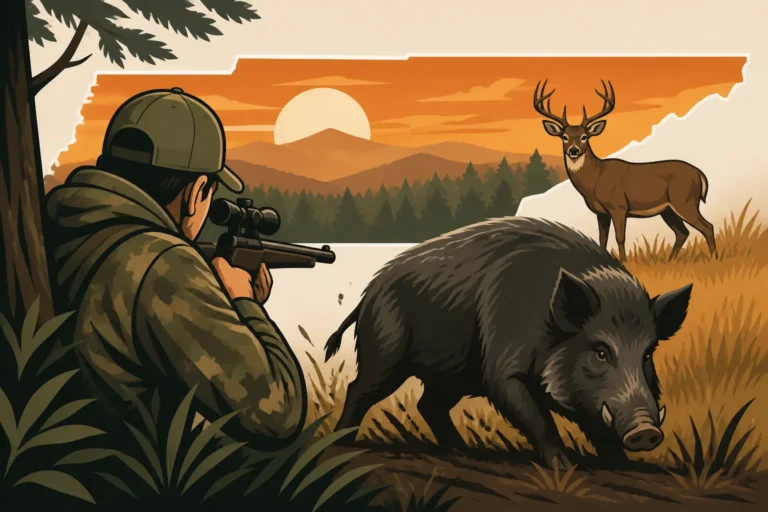
Wild hog hunting alongside Tennessee deer season lets hunters control invasive feral swine that disrupt whitetail deer habitats.
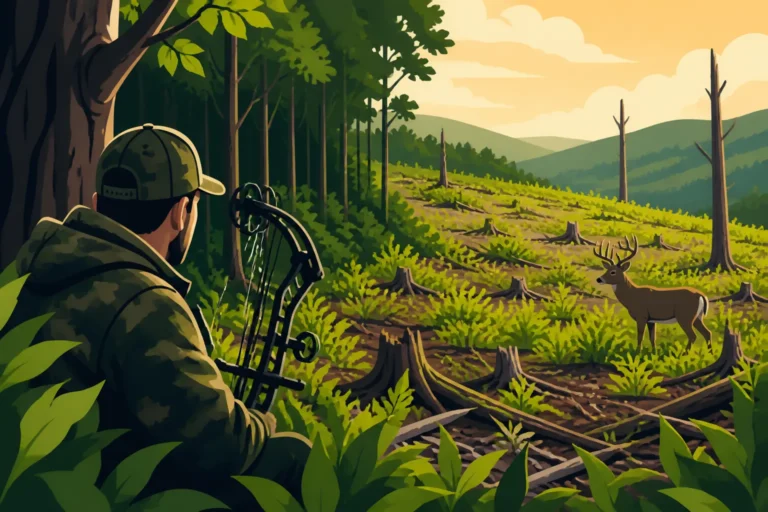
Tennessee clear-cut regrowth edges provide whitetails with abundant food and secure bedding cover for hunters to predict.
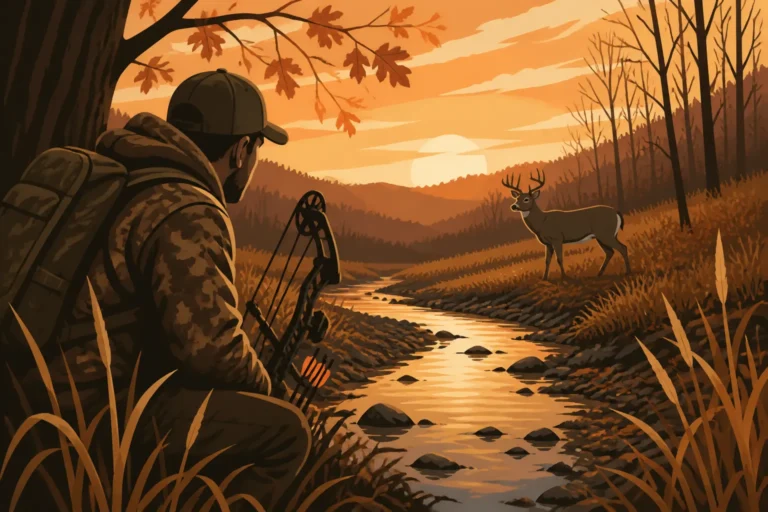
Tennessee creek bottoms provide late season deer thermal cover, persistent green browse, reliable water, and natural travel corridors.
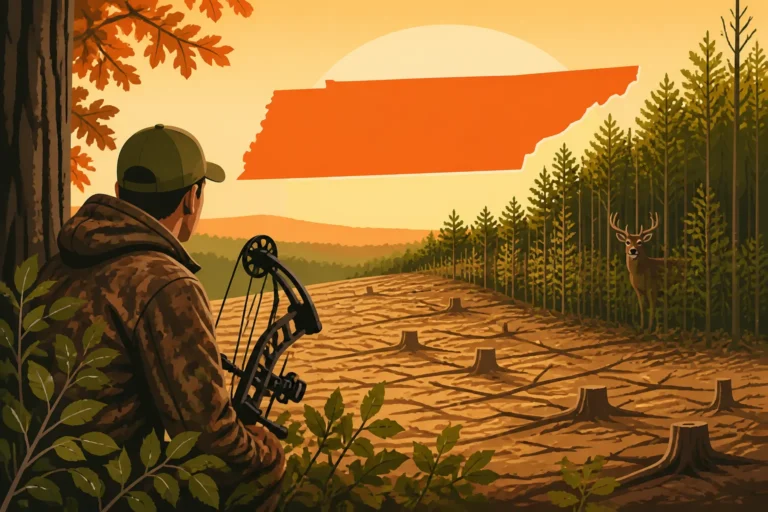
Tennessee whitetail deer shift patterns into standing cover after harvest, offering late season hunters new refuge locations.
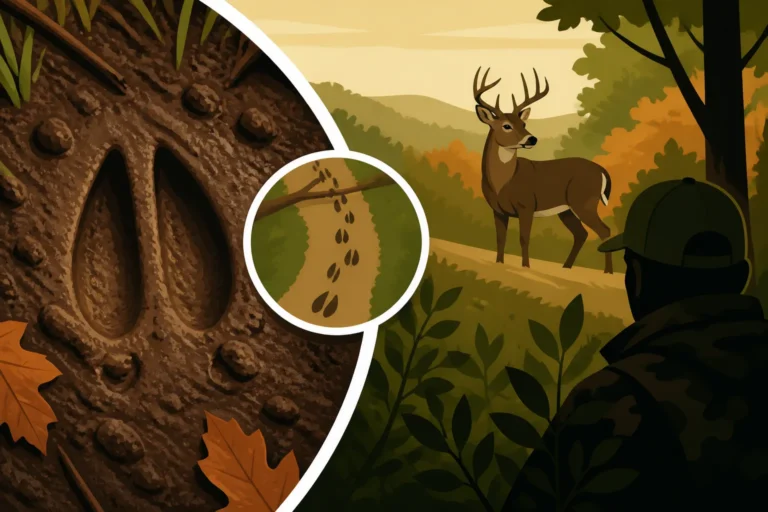
Tennessee mud tracking explains deer size, weight distribution, and gait to help hunters pinpoint fresh whitetail movement.
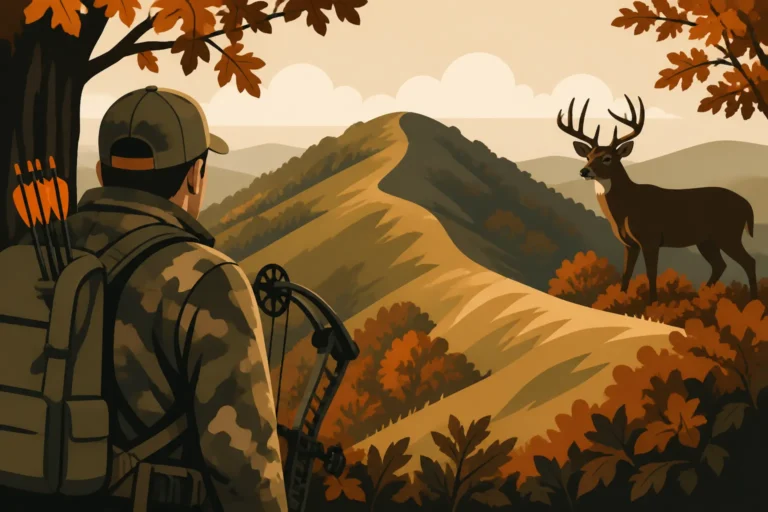
Ridge-top saddles in Tennessee act as natural travel funnels that help hunters intercept mature rutting bucks during November.

Bowfishing Tennessee rivers and lakes provides an off-season hunting challenge and targets invasive species like carp and gar.
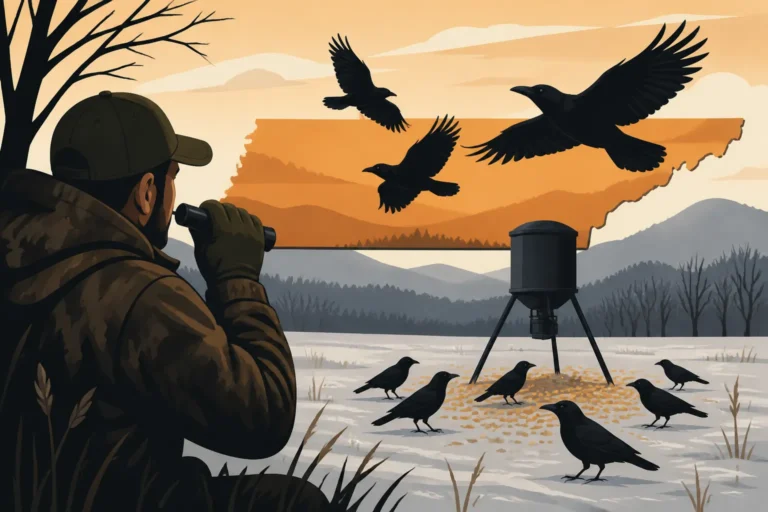
Effective hunting strategies and electronic calls protect winter feed sites in Tennessee from flocks of destructive crows.