Dragging a Deer Out of a Steep Hollow
Safe recovery methods explain how to retrieve a hunted deer from steep hollows in Tennessee using smart planning, tools, and terrain assessment.
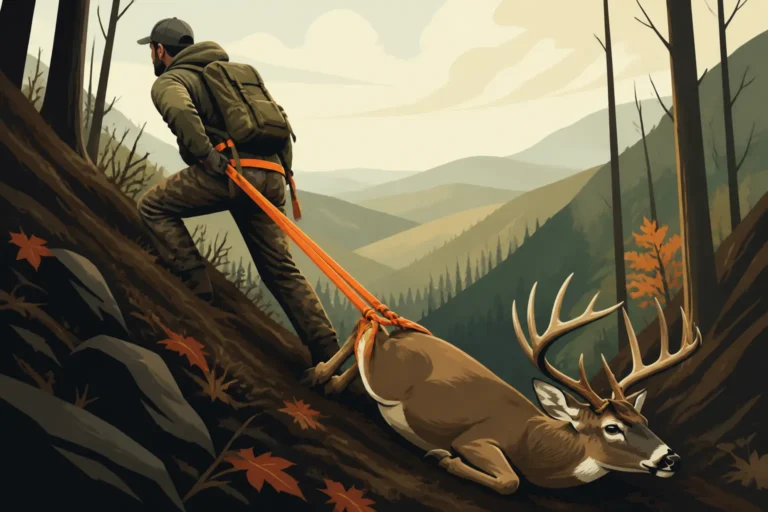
Safe recovery methods explain how to retrieve a hunted deer from steep hollows in Tennessee using smart planning, tools, and terrain assessment.
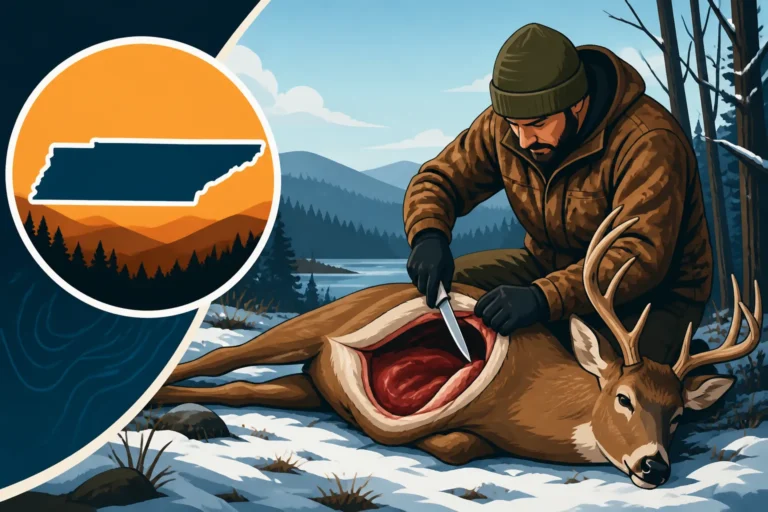
Cold weather deer field dressing slows bacteria growth, stops insects, and firms muscle tissue for easier Tennessee hunting meat care.
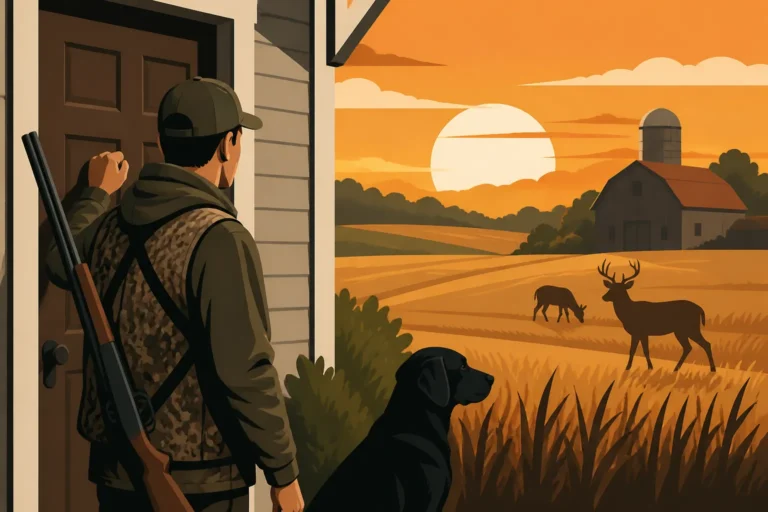
Approaching West Tennessee farm landowners requires specific strategies to secure private hunting permission for white-tailed deer.
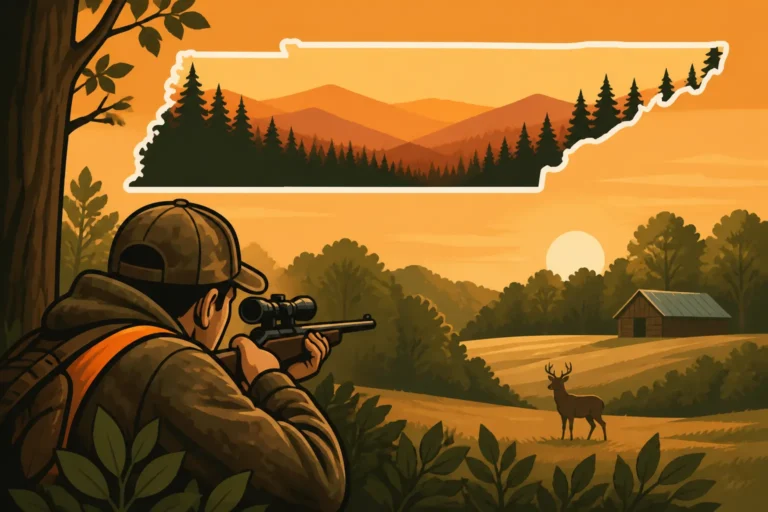
Hunting small private tracts in Tennessee requires building landowner trust, securing permission, and managing deer hunting access carefully.
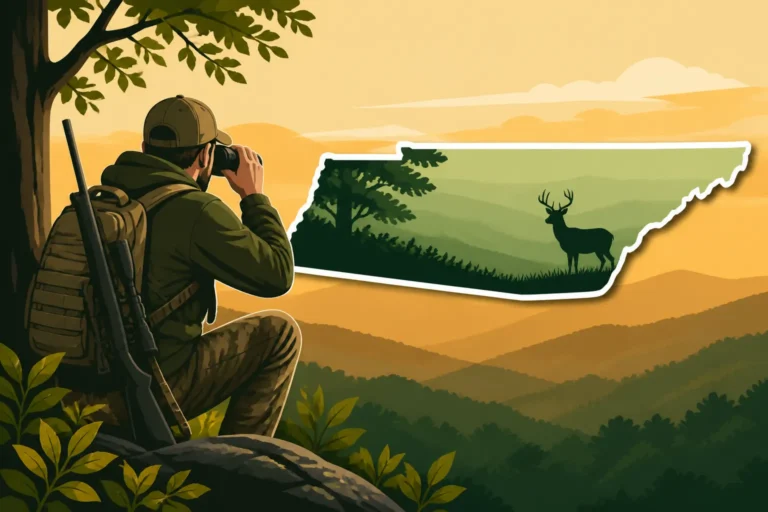
Tennessee public land hunting guides explain how to find unpressured ground by avoiding easy access traps and common knowledge spots.
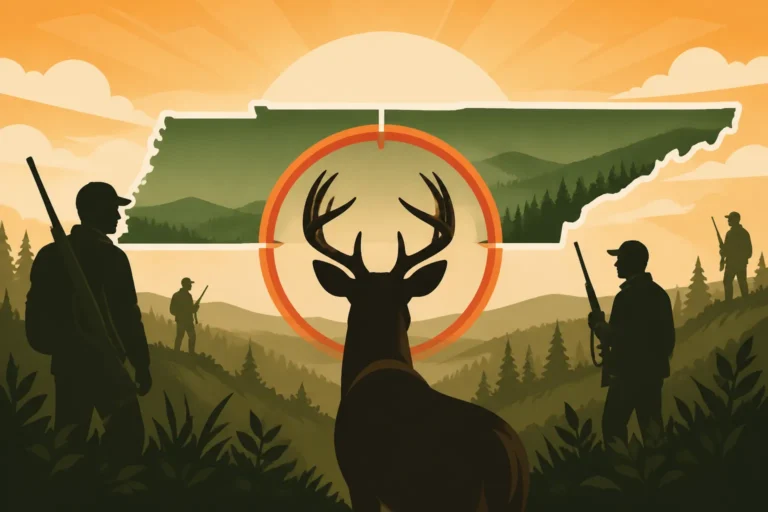
Hunting pressure on Tennessee public land alters deer behavior and creates crowded shared spaces that require strategic scouting tactics.
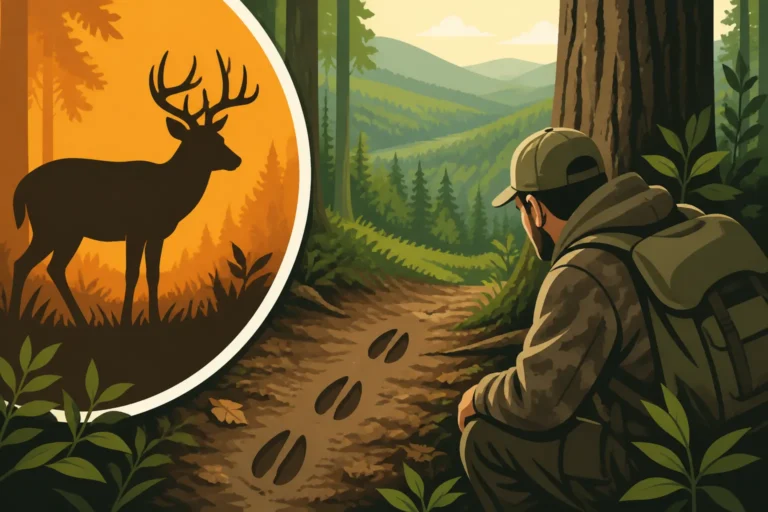
Cherokee National Forest deer sign identification methods help hunters locate animals across 655,000 acres of Tennessee timber.
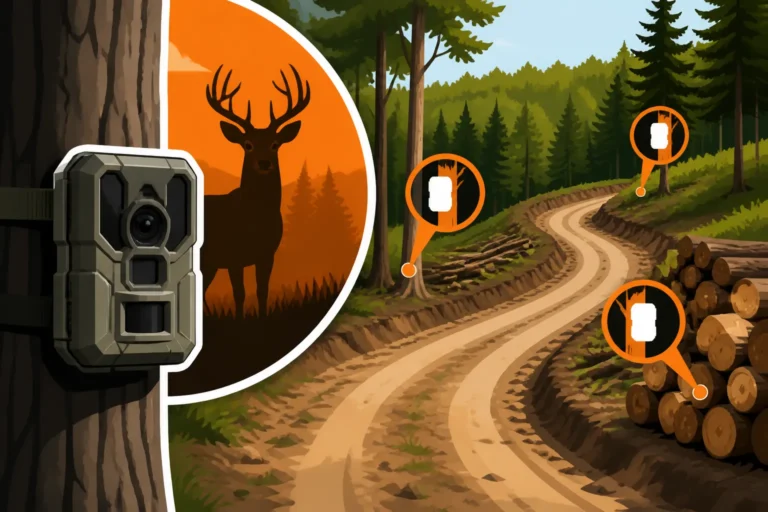
Tennessee logging road trail camera placement strategies explain how deer use forest travel corridors and high-percentage spots.
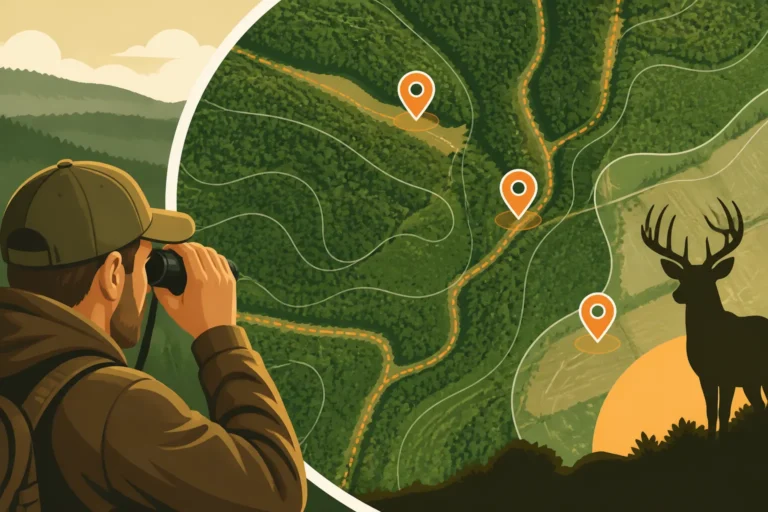
Aerial photographs reveal ridges, hollows, benches, and travel corridors to help deer hunters navigate the Cumberland Plateau.
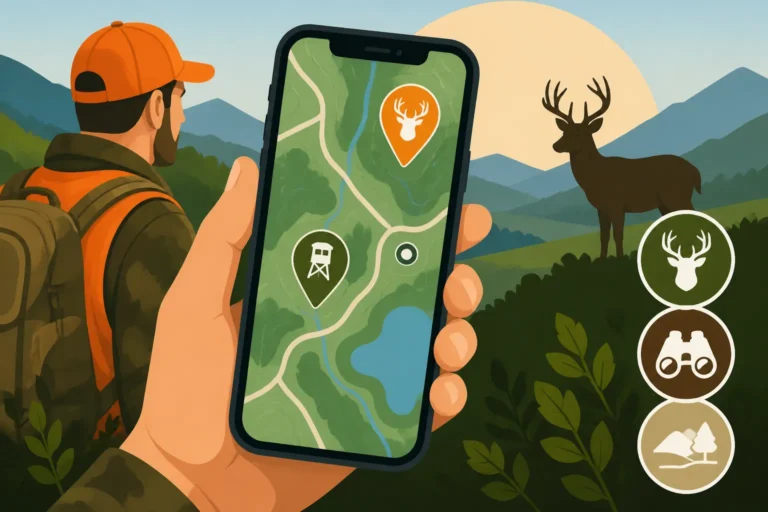
The Tennessee Wildlife Resources Agency app helps hunters track public boundaries, check regulations, and plan scouting trips.