Cooking a Wild Turkey Breast
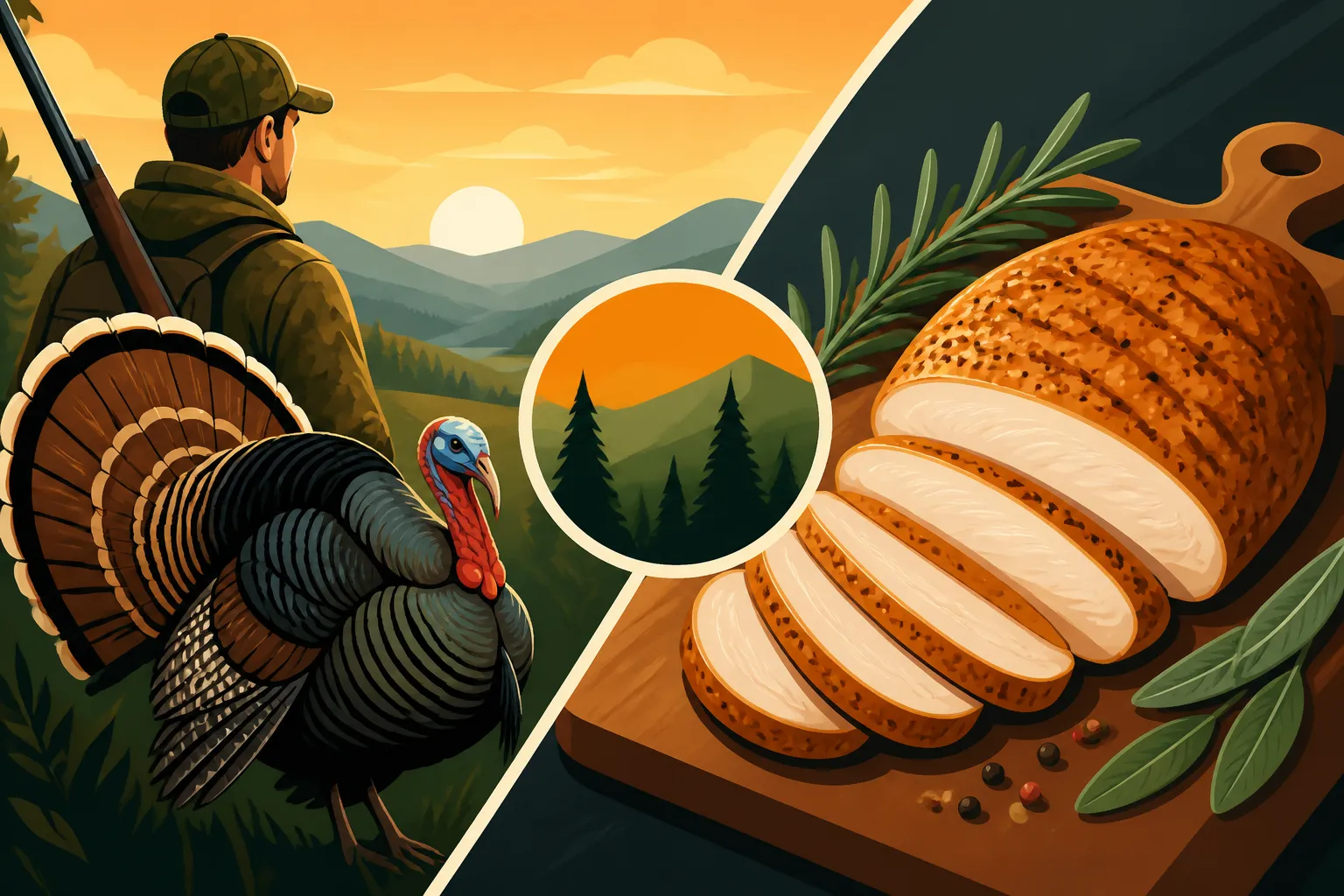
You've spent the hours scouting, set up in the pre-dawn chill, mastered the calls, and finally, the culmination of all that effort: a beautiful wild Tennessee gobbler. Bringing that bird home is a triumph, but often, the next challenge emerges in the kitchen. Wild turkey breast is a far cry from the bland, butter-injected birds you find at the grocery store, and if you treat it the same way, you're likely to end up with a dry, tough, and frankly disappointing meal. This guide is all about honoring that hard-earned game by transforming your wild turkey breast into a tender, flavorful centerpiece that truly celebrates your hunting success.
Understanding Wild Turkey Meat: It's Not Your Store-Bought Bird
Before you even think about seasoning or cooking, it's crucial to understand what makes wild turkey meat different. This isn't just a slight variation; it's a completely different animal, literally, and treating it like its domestic cousin is a recipe for disaster. Expecting the same outcome with the same techniques will only lead to frustration.
The Lean, Mean Difference
Wild turkeys are athletes of the forest. They fly, they run, they scratch, and they navigate varied terrain daily. This constant activity means their muscle fibers are much leaner and more developed than those of a farm-raised turkey. Domestic turkeys are bred for rapid growth, often living sedentary lives with unlimited food, resulting in fatty, tender meat. A wild turkey, on the other hand, boasts almost no intramuscular fat. This lack of fat means there's less natural lubrication and moisture within the meat to keep it tender during cooking. If you blast a wild turkey breast with high heat or cook it too long, that precious little moisture will evaporate, leaving you with something resembling shoe leather.
Think about the difference between a marathon runner's physique and a couch potato's. That's essentially the difference between wild and domestic turkey. The wild bird's meat is dense, fibrous, and packed with lean protein. Your cooking strategy needs to account for this inherent leanness by focusing on methods that introduce or retain moisture, or that break down those strong muscle fibers. It's a foundational principle: respect the leanness, or suffer the consequences of a dry meal.
Flavor Profile and Texture
Beyond the leanness, wild turkey offers a much more robust and complex flavor profile. It's often described as richer, deeper, and sometimes a bit "gamier" than domestic turkey. This isn't a bad thing; it's a characteristic that many hunters savor and appreciate. The flavor reflects its natural diet of acorns, insects, berries, and greens found in the Tennessee woods, giving it an earthy quality you simply won't get from a store-bought bird.
The texture, when cooked improperly, can be tough and stringy due to those well-used muscles. However, when prepared correctly, it can be incredibly satisfying, offering a chew that's more substantial than domestic poultry. It's vital to appreciate these unique qualities rather than trying to mask them. Embrace the natural flavor and work with the texture, rather than against it, to create a truly memorable meal.
Handling and Prep Basics
The journey to a delicious meal starts long before the kitchen. Proper field care is paramount for any wild game, and turkey is no exception. Once you've harvested your bird, cooling it down quickly is key. If you're planning on breasting it out in the field, get those breasts removed, cleaned, and into a cooler with ice as soon as possible. Allowing the meat to stay warm for too long can promote bacterial growth, affecting both flavor and shelf life.
When you're ready to process at home, carefully remove the breasts from the bone. You'll find two main sections, often called "lobes" or "fillets," on each side of the breastbone. Take your time to trim away any feathers, skin, or shot damage. This meticulous cleaning ensures you start with the best possible product. Remember, a clean, cool start means a better finish on your plate. If you're unsure about the nuances of field dressing other game, you might find guides on Field Dressing a Deer in Cold Weather or Butchering a Deer at Camp helpful for general game meat handling principles.
Essential Preparation Techniques for Tender Turkey Breast
Since wild turkey is so lean and can be tough, pre-cooking preparation is arguably more important than the actual cooking method itself. These steps are your secret weapons for achieving a tender, moist, and flavorful final product that will impress even the most skeptical dinner guests. Don't skip these; they make all the difference.
Brining for Moisture and Flavor
Brining is a game-changer for wild turkey. It involves soaking the meat in a saltwater solution, often with added sugars, herbs, and spices. The salt helps the muscle fibers relax and absorb moisture, which then gets locked in during cooking. This process doesn't just add moisture; it also infuses flavor deeply into the meat.
For a basic brine, dissolve about 1/4 cup of kosher salt and 1/4 cup of brown sugar per quart of water. You can add aromatics like garlic cloves, bay leaves, peppercorns, and fresh herbs like rosemary or thyme. Bring a small portion of the water to a simmer with the salt, sugar, and aromatics to dissolve everything, then cool it completely before adding the rest of the cold water. Submerge your turkey breasts in the cooled brine, ensuring they are fully covered. Brine for 4-8 hours in the refrigerator, depending on the thickness of the breasts. Over-brining can make the meat too salty, so keep an eye on the time. After brining, pat the breasts thoroughly dry before cooking. This helps achieve a nice sear.
Pounding and Marinating for Tenderness
Another excellent technique for tenderizing wild turkey breast is physically pounding it thin. This breaks down the tough muscle fibers, making the meat more uniform in thickness, which also ensures even cooking. Place the turkey breast between two sheets of plastic wrap and use a meat mallet or the flat side of a heavy pan to pound it to an even thickness, typically around 1/2 to 3/4 inch. This is especially useful if you plan to pan-sear or grill.
Following pounding, or even if you choose not to pound, marinating is an excellent way to add both flavor and tenderness. Marinades often contain acidic ingredients like vinegar, lemon juice, or buttermilk, which help break down muscle fibers. They also contain oils, which add moisture, and various herbs and spices for flavor. A simple marinade could be olive oil, lemon juice, minced garlic, a touch of Dijon mustard, and your favorite herbs. Let the turkey marinate for at least 2 hours, or ideally overnight, in the refrigerator. Just like with brining, don't over-marinate, especially with highly acidic marinades, as it can start to "cook" the meat and make it mushy.
Removing Silver Skin and Tendons
Before cooking, take a moment to inspect your turkey breasts for silver skin and any large, visible tendons. Silver skin is a tough, iridescent membrane that runs along the surface of the meat. Unlike fat, it doesn't break down during cooking; instead, it can contract and make the meat chewy and tough. It's also flavorless, so there's no benefit to keeping it.
To remove silver skin, carefully slide a sharp, thin knife (like a fillet knife) just under the edge of the membrane. Grip the silver skin firmly with your free hand and angle the knife slightly upwards, working it along the underside of the membrane, pulling it away from the meat as you go. This takes a little practice but is well worth the effort. Larger tendons, especially near where the breast attached to the wing, should also be removed. They are often white and stringy and won't soften with cooking. Taking these few extra minutes for meticulous trimming will significantly improve the final texture of your dish.
Top Cooking Methods for Wild Turkey Breast
Once you've prepped your turkey breasts with brining, pounding, and marinating, you're ready to apply heat. The key here is quick cooking at appropriate temperatures or slow, moist cooking to prevent drying out. Overcooking is the cardinal sin of wild turkey preparation.
Pan-Seared Perfection
Pan-searing is an excellent method for achieving a beautiful crust while keeping the inside moist, especially if you've pounded the breasts into uniform medallions. This method works quickly, which is crucial for lean meat.
Start by heating a heavy-bottomed skillet (cast iron works wonderfully) over medium-high heat with a tablespoon or two of high-smoke-point oil, like canola or grapeseed. Once the oil shimmers, carefully place the patted-dry turkey breasts in the hot pan. Sear for 3-5 minutes per side, depending on thickness, until deeply golden brown. The internal temperature should reach 165°F. Remove the turkey from the pan immediately and let it rest for 5-10 minutes, tented loosely with foil. Resting allows the juices to redistribute throughout the meat, preventing them from running out when you slice it. You can finish the dish by deglazing the pan with a little chicken broth or white wine to make a quick sauce.
Roasting and Baking to Retain Juices
For larger, thicker turkey breasts, roasting or baking can be a good option, but you need to be mindful of moisture. Low and slow is often the way to go, or at least covered for part of the cooking.
One effective strategy is to wrap the breasts in bacon or pancetta. As the bacon cooks, its fat renders, basting the turkey and adding incredible flavor and moisture. Preheat your oven to 325-350°F (160-175°C). Place the brined and seasoned turkey breasts in a roasting pan, optionally nestled with some mirepoix (chopped carrots, celery, and onions) and a splash of broth. If not wrapping in bacon, consider tenting with foil for the first portion of cooking to trap steam. Roast until an internal temperature of 165°F is reached. For a 1-pound breast, this might be 30-45 minutes. Basting periodically with pan juices or melted butter can help. Again, resting the meat is non-negotiable for juicy results. For more general advice on game preparation, you might find some useful tips by reading about Tennessee Deer Camp Traditions.
Grilling and Smoking for Outdoor Flavor
Grilling and smoking impart fantastic flavor, but they also expose the meat to direct, dry heat, making careful temperature management and moisture retention even more critical.
For grilling, ensure your turkey breasts are pounded thin and perhaps marinated. Preheat your grill to a medium-high heat. Brush the turkey with oil and place it directly over the heat, searing each side for 2-3 minutes to get nice grill marks. Then, move it to a cooler part of the grill, close the lid, and cook indirectly until it reaches 165°F, flipping once or twice. Keep an eye on it—it cooks fast! For smoking, maintain a low temperature (around 225-250°F / 107-120°C) and consider injecting the breast with broth or butter, or using a water pan in your smoker to keep the environment moist. Smoke until the internal temperature hits 165°F. Both methods benefit immensely from a good rest afterward.
Slow Cooking and Braising for Unbeatable Tenderness
When all else fails, or if you're dealing with a particularly tough bird or simply want melt-in-your-mouth tenderness, slow cooking or braising are your best friends. These moist-heat methods break down even the most stubborn muscle fibers, making the meat incredibly tender.
For slow cooking, you can use a slow cooker or a Dutch oven in a low oven. Sear the turkey breasts first for color, then transfer them to the slow cooker with plenty of liquid – chicken broth, stock, or even tomato sauce – along with vegetables and seasonings. Cook on low for 4-6 hours, or until the meat is fork-tender. Braising involves browning the meat, then cooking it slowly in a covered pot with a small amount of liquid, typically in the oven. This method is fantastic for creating rich sauces while tenderizing the meat. These methods are forgiving and ensure that your efforts in the field aren't wasted on a tough meal.
Recipes and Flavor Pairings to Elevate Your Meal
Now that we've covered the techniques, let's put them into practice with some delicious recipes. These ideas can be adapted to your preference, but they offer solid starting points for enjoying your wild turkey.
Classic Herb and Garlic Roasted Turkey Breast
This recipe is a timeless crowd-pleaser that allows the natural flavor of the turkey to shine, enhanced by aromatic herbs and garlic. It's perfect for a whole breast.
Ingredients:
- 1-2 wild turkey breasts (brined and patted dry)
- 2 tbsp olive oil
- 2 cloves garlic, minced
- 1 tbsp fresh rosemary, chopped
- 1 tbsp fresh thyme, chopped
- Salt and freshly ground black pepper to taste
- (Optional) 4-6 slices bacon or pancetta
Instructions:
- Preheat oven to 350°F (175°C).
- In a small bowl, combine olive oil, minced garlic, rosemary, and thyme.
- Rub the herb mixture generously over the brined and dried turkey breasts. Season with salt and pepper.
- If using, wrap the turkey breasts tightly with bacon or pancetta.
- Place the turkey in a small roasting pan or oven-safe dish.
- Roast for 30-45 minutes, or until the internal temperature reaches 165°F. Start checking around 25 minutes to avoid overcooking.
- Remove from oven, tent with foil, and let rest for 10 minutes before slicing against the grain and serving.
This simple yet elegant preparation pairs wonderfully with roasted root vegetables, mashed potatoes, or a wild rice pilaf. The flavors are straightforward, letting the quality of the game meat be the star. For a true taste of the Tennessee woods, consider foraging some wild mushrooms to serve alongside.
Spicy Blackened Wild Turkey Medallions
If you're looking for something with a kick and a quick cooking time, blackened turkey medallions are fantastic. This method is best for breasts that have been pounded thin.
Ingredients:
- 1-2 wild turkey breasts, pounded to 1/2-inch thickness
- 2 tbsp unsalted butter, melted
- 1 tbsp blackened seasoning (store-bought or homemade blend of paprika, cayenne, garlic powder, onion powder, thyme, oregano)
- Vegetable oil (for searing)
- Lemon wedges for serving
Instructions:
- Pat the pounded turkey medallions very dry. This is crucial for blackening.
- Melt butter in a shallow dish. Dip each side of the turkey medallions in melted butter, then dredge heavily in blackened seasoning, pressing it firmly into the meat.
- Heat a cast-iron skillet over high heat until it just begins to smoke (ensure good ventilation!). Add a very thin layer of vegetable oil to coat the bottom.
- Carefully place the seasoned turkey medallions in the hot skillet. Do not overcrowd the pan.
- Sear for 2-3 minutes per side, until a dark, flavorful crust forms and the internal temperature reaches 165°F. The cooking will be very fast due to the high heat and thin meat.
- Remove from skillet and serve immediately with fresh lemon wedges.
This fiery dish is excellent with fresh salsa, a cooling coleslaw, or even served in tacos or on a bun with some sharp cheddar. The quick sear ensures maximum flavor while minimizing the risk of drying out the lean meat.
Creamy Wild Turkey Stroganoff
This recipe is perfect for using up less-than-perfect cuts or leftover cooked breast meat, transforming it into a hearty, comforting meal. It also works beautifully for tougher cuts that benefit from braising.
Ingredients:
- 1-1.5 lbs wild turkey breast, cut into 1-inch cubes or strips (or use leftover cooked turkey)
- 2 tbsp olive oil
- 1 large onion, chopped
- 8 oz cremini mushrooms, sliced
- 2 cloves garlic, minced
- 1/2 cup beef broth
- 1/2 cup dry red wine (optional, but adds depth)
- 1 tbsp all-purpose flour
- 1 cup sour cream
- 2 tbsp fresh parsley, chopped
- Salt and pepper to taste
- Cooked egg noodles for serving
Instructions:
- Season turkey pieces with salt and pepper. Heat olive oil in a large skillet or Dutch oven over medium-high heat. Brown the turkey pieces in batches, then set aside.
- Add onion to the skillet and cook until softened, about 5-7 minutes. Add mushrooms and cook until they release their liquid and brown, about 8-10 minutes. Stir in minced garlic and cook for another minute until fragrant.
- Sprinkle flour over the vegetables and stir to coat, cooking for 1 minute.
- Gradually whisk in beef broth and red wine (if using), scraping up any browned bits from the bottom of the pan. Bring to a simmer and cook until slightly thickened.
- Return the turkey to the skillet. Reduce heat to low. Stir in sour cream until just combined, being careful not to boil, which can curdle the sour cream.
- Taste and adjust seasonings. Serve immediately over hot egg noodles, garnished with fresh parsley.
This hearty dish is incredibly forgiving and ensures that no part of your hard-won wild turkey goes to waste. It's a wonderful way to enjoy the richness of wild game meat in a familiar and comforting format. If you're planning your spring hunts, remember to consult resources on Spring Turkey Hunting in Tennessee or Tennessee Spring Turkey Season Rules to make sure you're ready for the season. Getting your limit is just the first step!
Here's a quick comparison of popular cooking methods for wild turkey breast:
| Cooking Method | Best For | Key Prep | Benefits | Considerations |
|---|---|---|---|---|
| Pan-Searing | Pounded medallions, thin cuts | Brine, pound, pat dry, season | Quick, crispy exterior, good for quick meals | Can dry out easily if overcooked |
| Roasting | Whole or halved breasts | Brine, season, optionally wrap in bacon | Even cooking, good for larger pieces | Requires careful temperature control to avoid dry meat |
| Grilling | Pounded medallions, strips | Marinate, oil, season | Smoky flavor, great for outdoor cooking | High risk of drying out, requires constant attention |
| Slow Cooking | Any cut, especially tougher pieces | Sear (optional), plenty of liquid, aromatics | Unbeatable tenderness, forgiving, hands-off | Longer cooking time, less "crisp" texture |
| Braising | Cubes or larger pieces, good for developing sauce | Sear, cook in liquid and aromatics, covered | Very tender, rich sauce, great for hearty meals | Longer cooking time |
Remember, the most important rule when cooking wild turkey breast is to avoid overcooking. A meat thermometer is your best friend. Aim for 165°F (74°C) internal temperature, then remove from heat and let it rest. With a little care and the right techniques, your wild turkey breast will be a meal to remember, truly honoring the hunt.
Disclaimer
This article is for general informational purposes only and does not constitute professional advice. Laws, prices and regulations vary by location and change over time. Consult a qualified professional for guidance on your specific situation.