Donating Venison in Tennessee
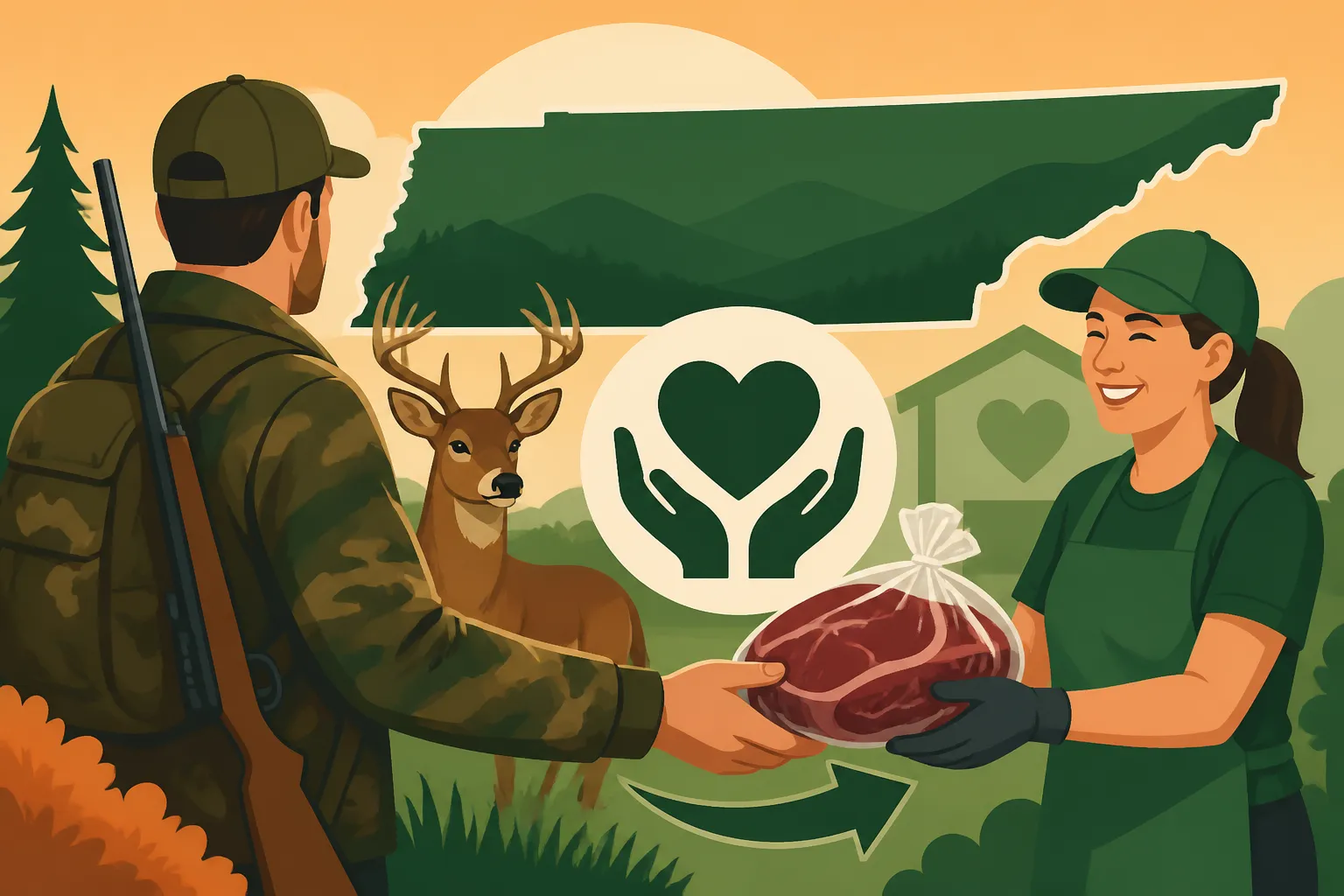
It's a wonderful feeling, isn't it? That moment when you've tagged out, or perhaps had an exceptionally fruitful season, and your freezer is packed solid with delicious venison. But sometimes, that "packed solid" feeling can turn into a bit of a dilemma. You've got more wild game than your family can realistically eat before next season, and the thought of letting any of that hard-earned, natural protein go to waste is just heartbreaking. This guide is all about helping you navigate the truly rewarding path of donating venison in Tennessee, ensuring your successful hunt helps feed neighbors in need across our great state.
The Heart Behind Venison Donation: Why Hunters Give Back
There's a deep-seated ethic among hunters – a reverence for the animal and a commitment to utilizing every bit of the harvest. When you're standing over a deer, that feeling of gratitude is immense. For many of us, it extends beyond our own dinner table to a desire to share that bounty. Donating venison isn't just about clearing freezer space; it's a powerful way to put high-quality, lean protein directly into the hands of those who might otherwise struggle to afford it. It's truly a way for the hunting community to demonstrate its generosity and commitment to conservation and community welfare.
Beyond the Freezer: Feeding Our Neighbors
Let's be honest, food insecurity is a very real issue, even here in Tennessee. While we might picture vast landscapes and bountiful harvests, there are families in every county who face daily challenges in putting nutritious meals on the table. Venison, with its low fat content and rich flavor, is an incredibly healthy source of protein, far superior to many processed foods found in typical food pantry offerings. When you donate venison, you're not just giving food; you're giving wholesome, natural sustenance that can make a real difference in someone's health and well-being. It's a direct way to combat hunger with a resource many of us are privileged to obtain through our passion.
The sense of personal satisfaction that comes from contributing to this cause is immense. We spend hours, days, even weeks, Scouting Tennessee Public Land Before Season or waiting patiently in a stand, all for the chance to harvest a deer. To know that the animal you ethically harvested will not only nourish your family but also provide for others, makes every minute of that effort even more meaningful. It connects us to a larger community and reinforces the value of our traditions.
Handling a Bountiful Harvest Responsibly
Picture this: it's early November, the rut is on, and you've had an incredible week. Maybe you were Hunting the Tennessee Rut in Early November and tagged out on a nice buck, and then a few days later, you filled an antlerless tag as well, especially if you're in a DMU with a generous limit. All of a sudden, your freezer looks like a venison warehouse! This is a fantastic problem to have, but it's a problem nonetheless. Most home freezers just aren't designed to hold that much meat indefinitely, and nobody wants to play a game of freezer Jenga.
That's where donation truly shines. Instead of struggling to make space or, worse, having to discard meat that's been in there too long, you can responsibly channel your surplus to a cause that genuinely needs it. It allows you to continue enjoying the full Tennessee Deer Season Structure Explained without worrying about over-filling your personal storage capacity. Plus, knowing that your successful season is also a boon for others just amplifies the joy of the hunt. Many hunters even set out with the intention of donating a portion of their harvest from the start, especially when they've used tools like GoHunt to scout areas known for higher deer densities, increasing their odds of a bountiful harvest.
Navigating the Process: How to Donate Your Venison in Tennessee
The idea of donating venison is straightforward, but the actual process involves a few key steps to ensure the meat is handled safely and legally. It’s not simply dropping off a freezer bag at a food pantry. Reputable organizations have specific protocols to follow, which ultimately protect both the donor and the recipient.
Key Organizations and Programs Making a Difference
In Tennessee, the primary avenue for venison donation is typically through programs like Hunters for the Hungry. These organizations act as a crucial link between generous hunters and local food banks, soup kitchens, and other charitable feeding programs. They coordinate with a network of approved, professional meat processors who can handle wild game according to strict health and safety guidelines.
What these programs do is invaluable. They take on the logistical heavy lifting: identifying participating processors, sometimes even helping to subsidize the processing costs, and then arranging for the distribution of the finished product. Without them, it would be incredibly difficult for individual hunters to ensure their venison donations meet the necessary standards for public consumption. Always seek out established, reputable organizations when considering a donation. A quick search for "Hunters for the Hungry Tennessee" is a great place to start, or look for local initiatives that work directly with community food banks.
The Steps to a Successful Donation
Making a successful venison donation starts, as all good hunting stories do, with the harvest itself.
- Legal and Ethical Harvest: Ensure your deer is harvested legally, with the proper licenses and tags, and reported according to TWRA regulations. Remember, Tennessee Big Game License Requirements are in place for a reason, and accurate harvest reporting is crucial for wildlife management.
- Clean Field Dressing: Once the deer is down, prompt and thorough field dressing is paramount. The quicker you can cool the carcass, especially if it's during warmer early-season hunts, the better the meat quality will be. Pay attention to cleanliness. If you need a refresher, check out guides on Field Dressing a Deer in Cold Weather or how to handle deer in varying temperatures.
- Proper Transport: Get the deer to a participating processor as quickly and cleanly as possible. Protect the carcass from dirt, debris, and excessive heat during transport.
- Finding a Participating Processor: This is the critical step. You cannot donate home-processed venison to most official programs due to health regulations. You must take your deer to an approved, participating meat processor. These processors are typically equipped to handle wild game and understand the specific requirements for donated meat. They often have agreements with Hunters for the Hungry or other local charities. You'll need to call ahead to ensure they are accepting donations and to understand their drop-off procedures.
- Covering Processing Fees: While some programs receive grants or donations to cover processing costs, often the hunter is asked to pay a portion, or all, of the processing fee for the donated meat. Think of it as a small investment that ensures your harvest turns into a nutritious meal for someone truly in need. It's a small price to pay for such a significant impact.
| Step in Donation | Key Action | Important Consideration |
|---|---|---|
| 1. Plan Ahead | Research local programs & participating processors | Call ahead to confirm acceptance, understand specific rules & fees |
| 2. Harvest Deer Legally | Ensure ethical, legal harvest and tagging | Possess current Tennessee Hunting Licenses and What They Cost, report harvest |
| 3. Field Dress Promptly | Cleanly field dress and cool the carcass | Essential for meat quality and safety, especially in warmer weather |
| 4. Transport Safely | Protect carcass from contamination & heat | Avoid direct sun, keep clean, transport to processor swiftly |
| 5. Deliver to Processor | Take to an approved wild game processor | Cannot be home-processed; often hunter pays processing fee for donated meat |
| 6. Program Distributes | The donation program handles delivery | Provides nutritious, inspected protein to local food banks and charities |
Important Considerations for Tennessee Venison Donors
Donating venison isn't just a gesture of goodwill; it's an act governed by specific rules to ensure public safety and proper resource management. Understanding these nuances before you even head to the woods can save you a lot of hassle and ensure your donation is accepted.
Understanding Regulations and Requirements
The number one rule for venison donation programs is almost universally: no home-processed meat. This isn't because they don't trust your butchering skills, but rather due to strict food safety and health regulations that require wild game intended for public consumption to be processed in a facility that meets certain inspection standards. So, while you might be adept at Butchering a Deer at Camp, that meat is usually only good for your personal consumption or sharing directly with friends and family.
Beyond processing, remember that all deer must be legally harvested according to current Tennessee Wildlife Resources Agency (TWRA) regulations. This includes having the correct license and permits, adhering to bag limits for your specific Tennessee's Six Deer Management Units, and properly reporting your harvest online through the Go Outdoors Tennessee system, as detailed in guides like Reporting a Tennessee Deer Harvest Online. Failure to follow these steps could invalidate your donation.
A crucial and ever-present concern in Tennessee is Chronic Wasting Disease (CWD). If you harvest a deer within the Tennessee's Chronic Wasting Disease Management Zone, there are very specific rules about carcass movement and testing. Many venison donation programs will have stringent requirements, potentially requiring CWD testing results before accepting deer from these areas. It's always best to check with the specific donation program and processor about their CWD protocols well in advance, especially regarding procedures like Deboning Venison Before Leaving the CWD Zone.
The Role of a Qualified Processor
As we've touched on, the professional meat processor is the linchpin of any successful venison donation program. They are the ones who transform your field-dressed deer into ready-to-distribute packages of ground venison, ensuring it meets all health and safety standards. These facilities are often inspected and approved, making them the only legal avenue for converting wild game into a public donation.
When you contact a processor, ask specifically if they participate in a venison donation program like Hunters for the Hungry. They'll be able to walk you through their specific requirements, including any associated fees. Choosing a processor who is familiar with wild game, particularly deer, means you can trust that the meat will be handled efficiently and hygienically. This ensures that the families receiving your donation get a high-quality product they can trust.
Finding Participating Locations and Making Contact
The easiest way to find a participating venison donation program or processor is to visit the website of a statewide organization like Hunters for the Hungry. They usually have a list of approved processors by county or region. Don't hesitate to call these processors directly. It's good practice to inquire about their hours, any specific drop-off instructions, and whether there are any processing fees the hunter needs to cover.
Many hunters use modern tools like GoHunt for planning their hunting trips, including locating public lands, understanding regulations, and even mapping out access points. While GoHunt itself won't tell you where to donate venison, it helps you plan a successful hunt, which often leads to the happy problem of having excess venison to share. You might also find local TWRA offices or even some sporting goods stores can point you toward regional programs. Always make contact before you head out on your hunt, if possible, so you know exactly where you're going and what to expect when you harvest that deer.
Practical Tips for a Smooth Donation Experience
Thinking ahead is key when it comes to venison donation. Just like you plan your hunt, planning your donation strategy can make the entire process seamless and incredibly rewarding.
Planning Ahead for Your Harvest
One of the best pieces of advice for donating venison is to do your homework before deer season even kicks off. Don't wait until you have a deer on the ground to figure out where you can take it. Identify the venison donation programs operating in your area, and get a list of their approved processors. Call those processors to confirm their participation, understand their operating hours, and ask about any potential processing fees. Some hunters budget for these fees as part of their season expenses, knowing they're contributing to a great cause.
Knowing your local DMU's antlerless limits and considering how many deer you realistically expect to harvest can also guide your donation plans. If you're targeting multiple deer in a season, dedicating one of those to donation from the outset can simplify things. For instance, if you're out Hunting West Tennessee Bottomland Deer where deer populations can be robust, you might plan to fill an antlerless tag specifically for donation. This proactive approach ensures a stress-free experience for you and guarantees that the meat reaches those in need quickly and efficiently.
Making the Most of Technology
In today's world, technology can be a huge asset for hunters, even when it comes to community service like venison donation. The TWRA website is always your first stop for official regulations, season dates, and reporting requirements. Tools like the Scouting With the Tennessee TWRA App can help you stay informed about your location relative to DMUs or CWD zones, which is vital for understanding specific donation rules.
While GoHunt is primarily a scouting and planning tool, it empowers hunters to maximize their time in the field, potentially leading to a more successful season. A more successful season, of course, often means more venison, increasing the likelihood that you'll have extra to donate. Utilizing these digital resources can streamline your hunting efforts and, by extension, your donation process. Just remember that for direct donation information, you'll want to connect with the specific organizations facilitating venison donation.
Disclaimer
This article is for general informational purposes only and does not constitute professional advice. Laws, prices and regulations vary by location and change over time. Consult a qualified professional for guidance on your specific situation.