Game You Cannot Hunt in Tennessee
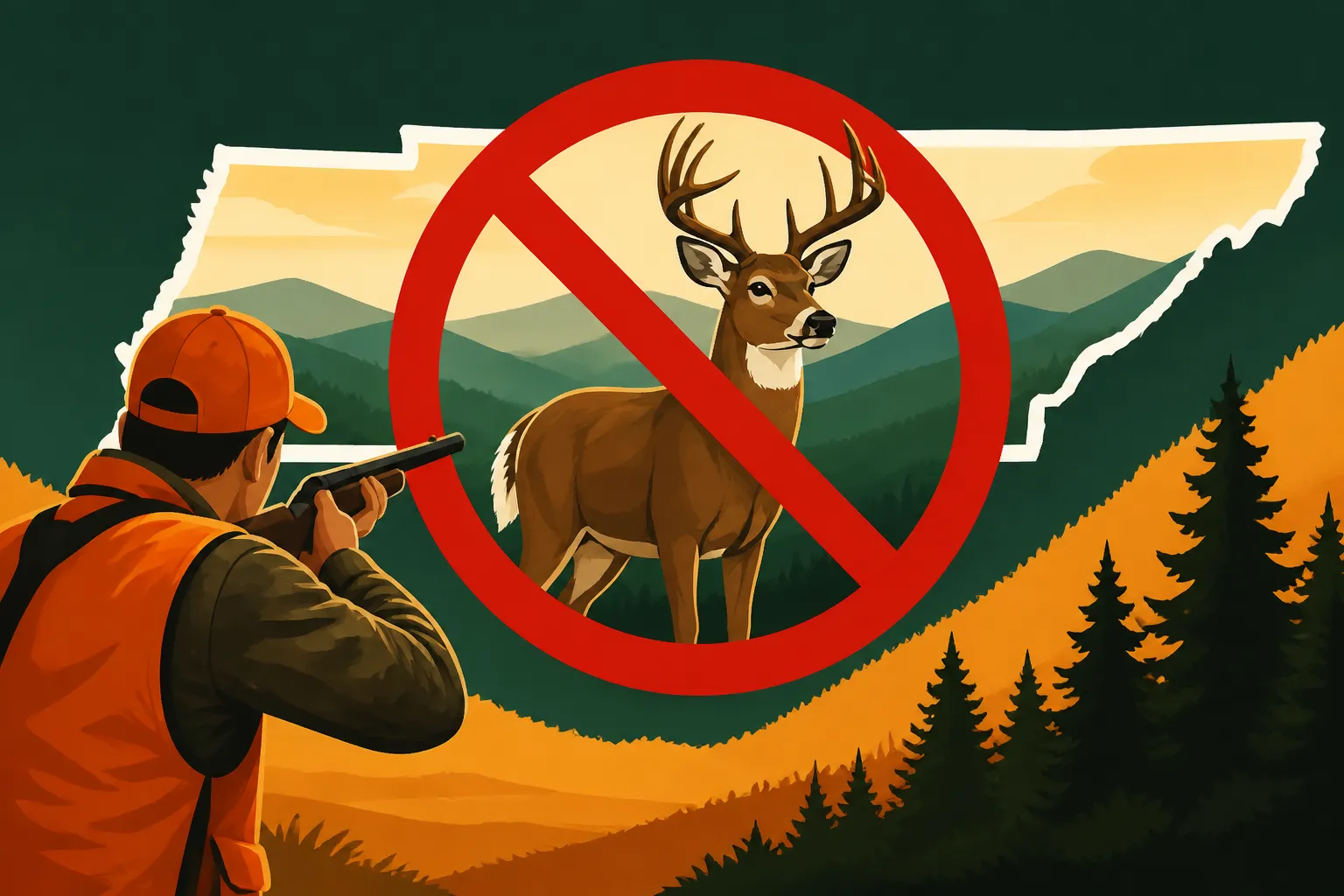
It's easy to get caught up in all the excitement of Tennessee's hunting seasons, thinking about deer, turkey, bears, and elk. But sometimes, in our enthusiasm, we forget that not every animal roaming our beautiful state is fair game. This guide is here to clear up that confusion, diving deep into the specifics of which species in Tennessee are absolutely off-limits to hunters, the reasons behind those rules, and how you, as a responsible outdoors person, can help protect them.
Navigating the "No-Hunt" Zone: Fully Protected Species in Tennessee
When you're out in the woods, fields, or even near a quiet stream, you'll encounter a huge diversity of wildlife. It's a natural instinct for some of us to think about what we can harvest, but it’s crucial to understand that not all living creatures fall under the umbrella of "game animals." The Tennessee Wildlife Resources Agency (TWRA) works tirelessly with state and federal partners to manage our wildlife populations, and a big part of that management involves protecting certain species entirely.
The Legal Framework Protecting Tennessee's Wildlife
Tennessee's wildlife protection isn't just a suggestion; it's a legal obligation rooted in both state and federal laws. From the majestic Bald Eagle to the tiniest songbird, many species are safeguarded by acts like the Migratory Bird Treaty Act and various state statutes designed to conserve biodiversity. These laws aren't arbitrary; they’re the result of careful scientific study and often reflect historical conservation efforts to bring species back from the brink or maintain healthy ecosystems.
Understanding this framework is key to being a legal and ethical hunter. It means going beyond just knowing your deer zones and bag limits. It means recognizing that the concept of "game" is very specific: an animal classified by law as permissible to hunt under regulated seasons. Everything else is either protected, or, if a nuisance, might be subject to very different control methods that fall outside of traditional hunting. Don't assume; always verify. Reputable sources, like the TWRA website or an app like GoHunt, are indispensable for navigating these rules and understanding which species are strictly off-limits and why. It's a fundamental part of the Tennessee Hunter Education Requirements for a reason.
Birds You Absolutely Cannot Harvest
Tennessee is a birdwatcher's paradise, but that also means many of our feathered friends are strictly protected. You might spot a stunning Bald Eagle soaring overhead, or an Osprey diving for fish on one of our many lakes or rivers. While these are thrilling sights, they are unequivocally protected by federal law, primarily the Bald and Golden Eagle Protection Act and the Migratory Bird Treaty Act. Shooting one of these iconic birds isn't just unethical; it carries severe penalties, including hefty fines and potential jail time. These species represent significant conservation success stories, and their continued protection is paramount.
Beyond these raptors, nearly all songbirds are also protected. Think about the vibrant cardinal, the chirping robin, or the melodious mockingbird – they are not game birds. Many of these species play vital roles in our ecosystems, from pest control to seed dispersal. Even birds that might seem common, like certain swallows or woodpeckers, are included under these protective umbrellas. It's a comprehensive approach to safeguarding the rich avian diversity that makes our Tennessee landscapes so special. If you're unsure about a specific bird, err on the side of caution and assume it's protected. You can even learn more about specific efforts, like those for Tennessee Osprey Nesting Platforms, to appreciate the recovery of these species.
Mammals and Other Creatures Off-Limits
It’s not just birds that enjoy protected status; several mammals and other fascinating creatures in Tennessee are also entirely off-limits to hunting. For example, while you might hear tales of historical sightings, the Red Wolf is considered extirpated from Tennessee – meaning it no longer exists in the wild here. Should one ever naturally return, it would fall under federal protection due to its critically endangered status. This is a stark reminder of how quickly populations can vanish and the importance of stringent protection for vulnerable species. You can read about Tennessee Wolf History and Extirpation to understand the conservation challenges.
Bats, crucial for insect control and even pollination, are another group of protected mammals. All species of bats in Tennessee are protected, largely due to the devastating impact of White-nose Syndrome, a fungal disease that has decimated bat populations across North America. Disturbing bat roosts or harming bats is illegal. Beyond mammals, our state is also home to unique amphibians and reptiles that are protected. Take the Eastern Hellbender Salamander, for instance – a giant, aquatic salamander that’s incredibly sensitive to water quality and is protected in Tennessee. Encountering a Tennessee Hellbender Salamander Encounters Afield is a rare and special event, and it should be left undisturbed. Knowing these species, and leaving them alone, is part of being a true steward of the land.
Distinguishing "Game" from Other Wildlife: When Hunting is Not an Option
Sometimes the line between what you can and cannot hunt isn't about endangered status, but simply about definition. Not every wild animal is classified as a "game animal" by the state, even if they are abundant or sometimes considered a nuisance. Understanding this distinction is vital for every hunter in Tennessee.
Species Often Confused for Game Animals
Many common animals that are a regular sight in our Tennessee landscapes are simply not considered game animals for hunting purposes. For example, while snakes and lizards are abundant, and some people might mistakenly believe certain species can be harvested, they are not regulated as game. The same goes for most frogs and salamanders. These creatures play crucial roles in their ecosystems, often controlling insect populations or serving as prey for other wildlife, and are generally protected from recreational harvest.
The confusion often arises because people might encounter these animals frequently. However, frequency does not equate to "game animal" status. It's important to remember that hunting regulations are specifically tailored to species that can sustain recreational harvest without jeopardizing their populations. For instance, while you might observe a lot of turtles in a pond, harvesting them usually falls under very specific fishing regulations, not general hunting seasons, and many species are protected entirely. Always consult the TWRA regulations specific to the species you are interested in; never rely on assumptions. Using a reliable mapping and information tool like GoHunt can provide quick access to regulations for specific species and locations, helping you avoid accidental violations.
Animals with Highly Restricted or Extirpated Status
While the focus of this guide is on animals you cannot hunt, it's also worth distinguishing truly unhuntable species from those that are technically huntable but under extremely restrictive conditions. For example, Tennessee's Elk herd, a fantastic restoration story, is indeed huntable, but only through a highly competitive quota hunt. There are very few tags issued each year, making it virtually "unhuntable" for the vast majority of hunters. This is a far cry from the open-season general hunting for deer or turkey. Understanding this nuance helps clarify why some animals are effectively off-limits to the average hunter due to severe restrictions rather than outright prohibition. You can learn more about these highly coveted opportunities by researching the Tennessee Elk Quota Hunt Rules.
Similarly, while black bears are a game species in Tennessee, their hunting is confined to specific regions and strict seasons outlined in the Tennessee Bear Hunting Zones. Again, this isn't "unhuntable," but it showcases how wildlife management often creates very specific parameters around taking certain species to ensure their long-term health. The absence of such specific seasons and regulations for an animal typically means it's not a game species at all, and therefore, not for hunting.
The Difference Between Hunting, Trapping, and Nuisance Control
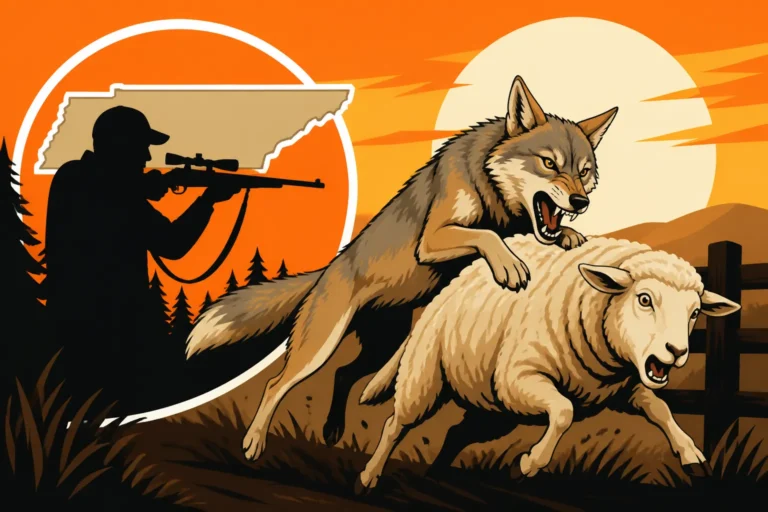
Sometimes, the confusion about what can and cannot be "hunted" stems from mixing up different methods of wildlife management. While traditional hunting involves the recreational pursuit and taking of game animals during designated seasons, other activities, such as trapping and nuisance wildlife control, operate under different rules. For instance, many furbearers like raccoons, opossums, and even bobcats have specific trapping seasons, allowing their take through non-hunting methods for pelts or population management. These are not typically considered "game" in the same vein as deer or turkey, and the regulations for their take are distinct.
Furthermore, if an animal, even a protected one (though exceptions are extremely rare for federally protected species), becomes a nuisance and causes property damage, landowners might be able to obtain a special permit for its removal. This is not hunting. It's a specific permit-based activity to mitigate damage, often requiring professional wildlife services, and it comes with strict guidelines. This distinction is crucial: just because an animal can be removed under a nuisance permit doesn't mean it's legal to hunt it recreationally. Always verify with the TWRA directly if you encounter a nuisance wildlife situation, rather than assuming it's an opportunity for hunting. Resources like the TWRA website or the GoHunt app can clarify licensing requirements, such as those covered in Tennessee Hunting Licenses and What They Cost, and whether a particular animal is considered game, furbearer, or nuisance.
The Hunter's Ethical Compass: Protecting Tennessee's Wildlife Heritage
Being a hunter in Tennessee isn't just about bagging game; it's about being a steward of our state's incredible natural resources. This responsibility extends to understanding and respecting the rules that protect non-game species, ensuring a healthy and diverse ecosystem for generations to come.
How Regulations Serve Conservation Goals
Every regulation, every closed season, and every protected species designation is rooted in the science of conservation. The TWRA's wildlife biologists and conservation officers continuously monitor populations, habitat health, and environmental factors to make informed decisions. When a species is designated as "unhuntable" or fully protected, it's because its population is vulnerable, its ecological role is critical, or its recovery requires complete protection. These aren't arbitrary decisions; they are carefully considered measures to ensure the long-term viability of Tennessee's diverse wildlife.
Think of it as maintaining a balanced ecosystem. If one component is stressed, protecting it allows the entire system to thrive. Tennessee Wildlife Management Areas are prime examples of this, managed not just for game species but for a vast array of flora and fauna, many of which are protected. By honoring these regulations, we're not just following rules; we're actively participating in the conservation efforts that keep Tennessee wild and beautiful. Our actions today directly impact the health of these populations tomorrow.
Your Responsibility: Education and Enforcement
As hunters, we hold a special place in the conservation movement. We are often the eyes and ears of the wilderness, and our commitment to ethical behavior is paramount. This means making a personal effort to stay informed about all wildlife regulations, not just those pertaining to the game we pursue. The TWRA publishes comprehensive guides, and online tools like GoHunt are excellent resources for accessing the latest information and map overlays that delineate public lands, private properties, and special regulation areas. Never assume; always verify.
Furthermore, being a responsible steward means actively participating in the enforcement of these laws. If you witness someone illegally taking a protected species, or engaging in any form of poaching, it is your ethical duty to report it. Poaching undermines all legitimate conservation efforts and steals from every Tennessean who values our wildlife. The TWRA provides clear channels for Reporting a Poacher in Tennessee, and doing so helps uphold the integrity of our hunting heritage. Ignoring such violations makes us complicit in the damage. There are serious Tennessee Wildlife Violation Penalties for those who choose to break the law, and these consequences are a necessary deterrent.
The Dynamic Nature of Wildlife Management
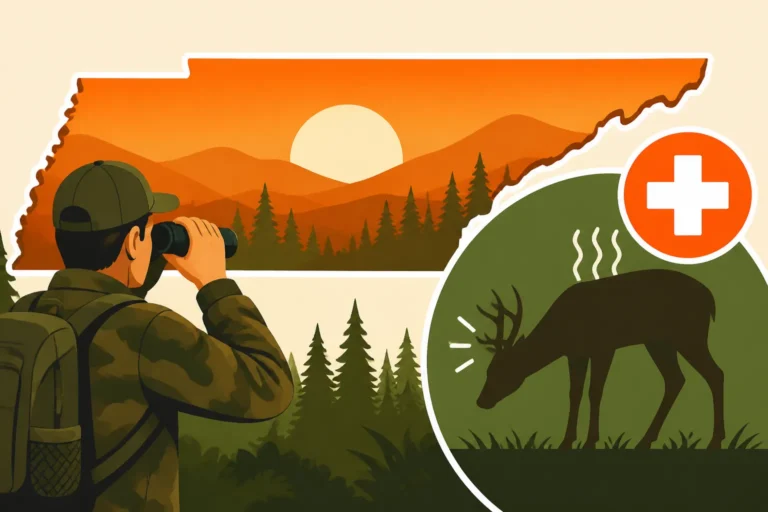
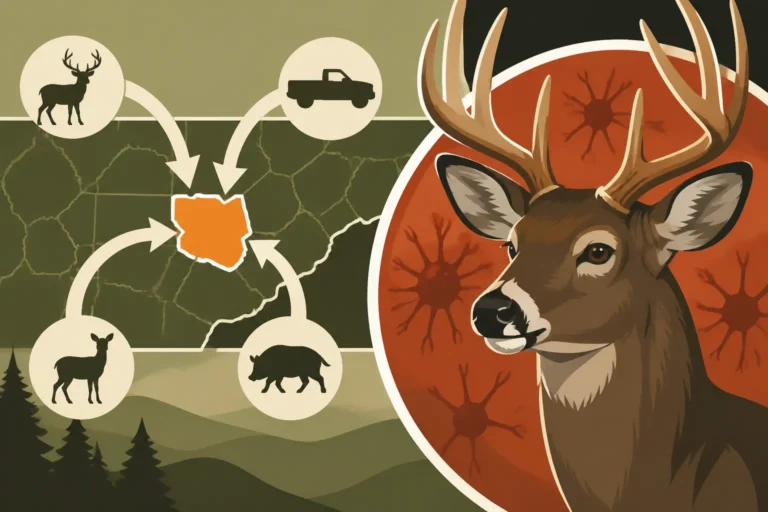
It’s important to remember that wildlife management is not static. Species populations fluctuate, habitats change, and new challenges like diseases emerge. Because of this, regulations can and do evolve. For instance, the ongoing efforts related to Tennessee's Chronic Wasting Disease Management Zone demonstrate how a disease in one game species can lead to significant changes in regulations, affecting carcass transport, testing requirements, and even hunting opportunities. While CWD primarily impacts deer, it serves as a powerful reminder that the health and huntability of all species can be influenced by new environmental factors.
What might be protected today could theoretically, in very rare cases, see its status change decades from now if populations recover beyond expectations. Conversely, a species that is currently considered game could become protected if its numbers decline. This dynamic reality underscores the importance of staying perpetually informed, supporting scientific research, and advocating for sound conservation policies. Our role as hunters is to remain vigilant, adapt our practices, and always prioritize the health of the wild creatures and places we cherish.
Disclaimer
This article is for general informational purposes only and does not constitute professional advice. Laws, prices and regulations vary by location and change over time. Consult a qualified professional for guidance on your specific situation.