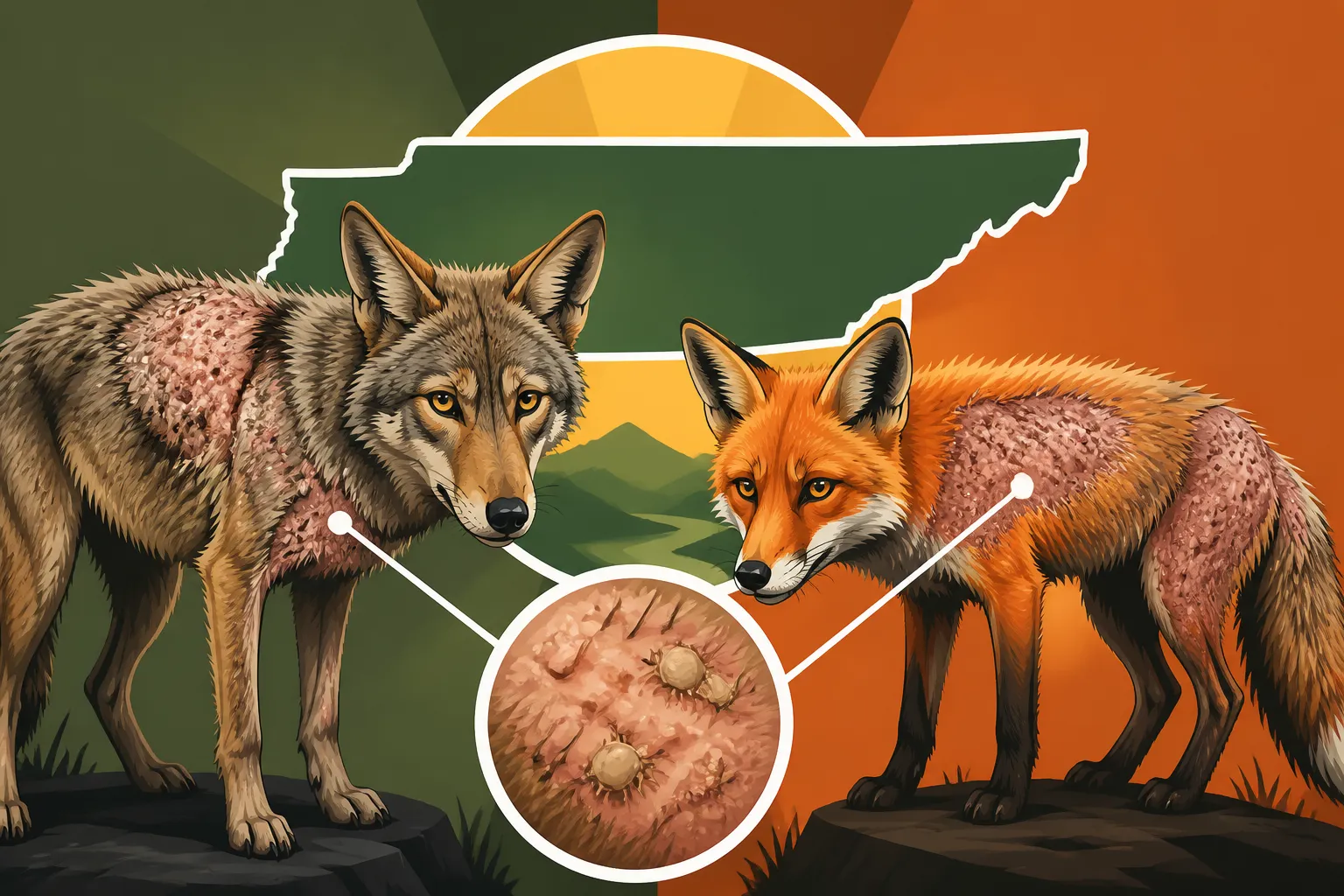
Mange in Tennessee Coyotes and Foxes
There’s nothing quite as disheartening as seeing a magnificent wild animal suffering, and when it comes to our cunning coyotes and secretive foxes here in Tennessee, encountering one afflicted with mange can be a truly unsettling experience. You see that once-sleek coat now patchy, crusty, and the animal often looks gaunt and miserable. It makes you wonder what's going on in our woods and fields, if it's spreading, and what it means for the health of our wildlife and even our own hunting dogs. This guide is going to dig deep into the reality of mange in Tennessee's canids, what to look for, and how we as responsible outdoors enthusiasts can understand and respond to this often-grim sight.
What Exactly is Mange in Tennessee's Wild Canids?
When we talk about mange in Tennessee coyotes and foxes, we're primarily discussing sarcoptic mange, though other forms exist. This isn't just a bad hair day; it's a parasitic skin infection that can be incredibly debilitating, even fatal, for these animals. It's caused by tiny mites that burrow into the skin, leading to intense itching, inflammation, and ultimately, severe hair loss and skin damage. It’s a tough life out there already, and adding this kind of misery just compounds their struggle.
The Culprits: Sarcoptic vs. Demodectic Mange
While both are forms of mange, they're caused by different mites and present slightly differently. For our wild canids like coyotes and foxes, sarcoptic mange is the predominant concern, often leading to more severe and widespread issues within a population.
| Feature | Sarcoptic Mange (Scabies) | Demodectic Mange (Red Mange) |
|---|---|---|
| Mite Species | Sarcoptes scabiei | Demodex canis (species-specific) |
| Primary Host | Various mammals, highly contagious (dogs, foxes, coyotes, humans) | Mammals, usually species-specific (dogs, foxes, coyotes) |
| Location on Host | Burrows into upper layers of skin | Lives in hair follicles and sebaceous glands |
| Contagion | Highly contagious among animals | Not generally contagious, often genetic or immune-related |
| Symptoms | Intense itching, hair loss, crusts, redness, skin thickening | Localized hair loss, redness, scales, usually non-itchy (unless secondary infection) |
| Severity | Can be severe, debilitating, and fatal if untreated | Usually mild; can be severe (generalized form) in immunocompromised animals |
| Impact on Wild | Significant health impact, population cycles | Less common or severe impact on wild populations |
Sarcoptic mange is the one you're likely seeing in the wild, the one that makes those animals look so pitiful. The mites tunnel under the skin, laying eggs. This causes an allergic reaction, leading to that insatiable itching, which drives the animal to scratch relentlessly, breaking the skin and creating open sores. It's a vicious cycle that quickly degrades their health.
How Mange Spreads Through the Wild
The mites responsible for sarcoptic mange are incredibly good at hitching rides. They spread primarily through direct contact between animals, which makes sense when you consider social behaviors like denning, playing, or even just passing close by each other on a game trail. Shared bedding areas or den sites can also become infested, acting as reservoirs for the mites. A coyote or fox might pick up mites from a contaminated area that another infected animal recently used.
Imagine a fox family using the same den year after year. If one member contracts mange, it's not long before the entire family is exposed. Then, as those animals disperse, they carry the mites with them, potentially introducing them to new areas and new populations. It’s a silent, unseen epidemic that moves through our wildlife populations, often unnoticed until the symptoms become glaringly obvious. When you see a lone fox looking rough, know it's likely part of a larger, unseen spread.
The Grim Signs: What to Look For in the Field
When you're out Scouting Tennessee Public Land Before Season or just enjoying a walk in the woods, the signs of mange can be quite distinct. The most obvious, of course, is the hair loss. It often starts around the eyes, muzzle, ears, and elbows, spreading across the body. The animal might have large, bald patches, and the remaining fur can look dull and brittle.
Beyond the hair loss, you'll likely see thickened, crusty skin. It can look scabby, gray, and wrinkled, particularly on the elbows, hocks, and along the flank. The constant scratching can lead to open wounds, which then can get secondary bacterial infections, making the situation even worse. An animal severely affected by mange will often appear emaciated because the constant itching and skin irritation are draining its energy. They become less efficient hunters, struggle to regulate their body temperature, and eventually, if left untreated, they can succumb to exposure, starvation, or secondary infections. It’s a really tough way to go, and it’s why spotting a mangy animal can be so upsetting for those of us who care about wildlife.
Mange's Ripple Effect in the Tennessee Ecosystem
The presence of mange isn't just a concern for the individual animal; it raises questions about the broader ecological balance. How widespread is it? What does it mean for our predator populations, and are there risks to our pets or other game animals? These are valid concerns, especially for hunters and those who spend a lot of time outdoors.
Prevalence and Distribution Across Tennessee
While wildlife agencies don't typically conduct widespread, real-time population-wide surveys specifically for mange in common species like coyotes and foxes, we know it's present across the state. Anecdotal reports from hunters, trappers, and landowners suggest that mange cycles through populations, sometimes spiking in certain areas before receding. It's not confined to one particular region; you might see a mangy coyote on the Cumberland Plateau Deer Density or a fox struggling in the West Tennessee River Bottomland WMAs.
The cyclical nature of mange means that at times, you might see several affected animals in a particular area, only for the sightings to drop off later. This could be due to factors like population density (more animals mean more opportunities for mites to spread), environmental conditions affecting mite survival, and the overall health and immune status of the canid population. It’s a constant, often invisible, struggle in the background of our wild spaces.
Impact on Predator Populations and Natural Selection
Mange can certainly reduce the numbers of coyotes and foxes in localized areas. A severely affected animal is unlikely to survive, especially through a harsh Tennessee winter. They can’t hunt effectively, they struggle to stay warm without their fur, and their immune systems are constantly fighting the infection. This is a form of natural selection, removing weaker individuals from the gene pool.
However, the general consensus among wildlife biologists is that sarcoptic mange, while impactful locally, does not typically drive entire coyote or fox populations to collapse across a large region like Tennessee. These animals are incredibly resilient, and their reproductive rates can often compensate for losses due to disease. It's a natural ebb and flow, part of the intricate dance of predator and prey. For more about their presence, check out Coyotes and Predators in Tennessee.
A Threat to Other Wildlife or Our Furry Friends?
This is a big one, especially if you have hunting dogs. The mites that cause sarcoptic mange are fairly host-specific but can temporarily infest other mammals. So, can a mangy coyote pass it to a deer? Unlikely to cause a sustained infection, but possible for temporary irritation. More concerning is the potential spread to domestic animals.
- Hunting Dogs: Yes, this is a very real threat. If your hunting dog comes into contact with an infested carcass, den, or even just an area where a mangy animal has been bedding, they can pick up the mites. It's crucial to be aware and take preventative measures. Mange in a domestic dog is treatable, but it’s a miserable experience for the dog and a headache for the owner. Trappers handling foxes or coyotes need to be particularly careful.
- Other Wildlife: While less common for sustained infections, other animals like raccoons, bobcats, or even squirrels could potentially pick up mites, though they typically wouldn't develop the severe, widespread infection seen in canids.
- Humans: Yes, humans can get sarcoptic mange, often called scabies. It presents as an itchy rash. It's uncomfortable but usually temporary and treatable with medication. You won't get a full-blown canine mange, but those mites can certainly make you miserable for a while. Always practice good hygiene after handling wild animals or spending time in areas where mangy animals have been seen.
It’s about understanding the risk, not living in fear. Awareness is key when you're out in the field, whether you're chasing deer during Tennessee's Gun Deer Season Into January or calling turkeys in the spring.
What Hunters Can (and Can't) Do About Mange
When you spot a mangy animal, your first instinct might be to help, or perhaps you're concerned about what to do if you harvest one. It's important to understand the realities of wildlife management when it comes to disease.
Wildlife Agencies and Intervention: The Hard Truth
The Tennessee Wildlife Resources Agency (TWRA) and other state wildlife agencies generally do not intervene with diseases like mange in wild populations of common species like coyotes and foxes. Why? It's largely a matter of practicality and resources. Imagine trying to capture and treat every mangy coyote across hundreds of thousands of acres of wild land – it’s simply not feasible. The cost would be astronomical, and the success rate would be minimal.
Wildlife disease monitoring focuses more on widespread, serious threats that could impact human health, agricultural animals, or endangered species. For diseases like mange in abundant predators, it's typically viewed as a natural regulatory mechanism within the ecosystem. However, reporting sightings is still important for data collection, which can help track trends and identify potential localized issues. You can learn more about how agencies monitor diseases through topics like Tennessee Wildlife Disease Monitoring and Reporting a Sick Animal in Tennessee.
Responsible Actions for Hunters and Trappers
So, what can we do? Our role as responsible outdoors enthusiasts is primarily to observe, report, and take preventative measures for our own animals.
- Report Sightings: If you see a severely mangy animal, especially one that appears to be suffering greatly or exhibiting unusual behavior, consider reporting it to the TWRA. While they may not intervene directly, your report contributes to their understanding of wildlife health trends. You can often find contact information for your regional TWRA office on their website.
- Harvest Considerations: If you encounter a mangy coyote or fox during Tennessee Coyote Hunting Season Rules or Tennessee Fox and Bobcat Trapping Season and decide to harvest it, be mindful.
- Meat Consumption: The mites causing mange are superficial skin parasites. The meat itself is generally safe for consumption, assuming the animal is otherwise healthy and handled properly. However, many hunters choose not to consume the meat of a mangy animal due to its poor physical condition and often unpleasant appearance. It's a personal decision, but always follow proper field dressing and cooking guidelines.
- Carcass Handling: If you harvest a mangy animal, handle the carcass with gloves. Consider burying it or otherwise disposing of it in a way that prevents the spread of mites to other animals or your pets. Do not skin it in a way that spreads fur and skin flakes into areas where your dogs might frequent.
- Cleaning Gear: Thoroughly clean any knives, equipment, and clothing that came into contact with the animal. Hot water and soap are your friends.
- Protect Your Hunting Dogs: This is paramount. If you're running hounds for Running Hounds for Cherokee Forest Bears or just have a canine companion in the field, talk to your veterinarian about preventative treatments for sarcoptic mange. Many common flea and tick preventatives also protect against mange mites. Avoid letting your dogs investigate or chew on wild animal carcasses, and be vigilant about any excessive scratching or skin issues your dog might develop after a trip outdoors.
GoHunt: A Tool for Observation
While GoHunt doesn't directly manage wildlife disease, its robust mapping and scouting features can be incredibly useful for hunters and trappers who want to track their observations of wildlife health. When you're out in the field, a tool like GoHunt can help you mark sightings of mangy animals, noting the location, date, and condition of the animal. This kind of personal data collection, over time, can help you identify patterns in specific areas. For instance, if you're frequently seeing unhealthy animals in a particular creek bottom, it might inform your decision on where to deploy trail cameras or focus your efforts. Using your GoHunt app, you can easily drop a pin and make notes on observed wildlife behavior or health issues, contributing to your overall understanding of the health of the game in your hunting zones.
The Long-Term Outlook: Nature's Way
Mange, while unpleasant to witness, is part of the natural world. Understanding its role helps us frame our perspective as hunters and conservationists.
Natural Cycles and Ecological Balance
Diseases like mange are often part of the intricate, sometimes harsh, natural cycles that govern wildlife populations. Just as EHD Die-Offs in Tennessee Deer can thin out deer herds, mange can act as a natural regulator for coyote and fox numbers. These cycles prevent overpopulation and can, paradoxically, contribute to the overall health and resilience of a species by culling weaker individuals. It’s a tough concept to reconcile when you see an animal suffering, but it's nature's way of maintaining balance.
A dip in predator numbers due to widespread mange could, for a brief period, potentially reduce Tennessee Predator Impact on Fawn Recruitment or increase small game populations. However, the ecosystem is complex, and these changes are usually temporary as populations rebound.
Environmental Factors and Disease
Environmental conditions can play a role in how mange manifests and spreads. Stressors like severe weather, food scarcity, or high population densities can weaken an animal's immune system, making them more susceptible to infection or to developing more severe symptoms. A long, cold, and wet winter, for example, could exacerbate the impact of mange on a fox population already struggling to find food. Habitat changes, whether natural or human-induced, can also influence how animals interact and potentially spread disease.
As hunters, our commitment to responsible wildlife observation and ethical practices is vital. While we can't cure every mangy animal in the wild, we can stay informed, protect our own animals, and contribute valuable observations to the ongoing understanding of Tennessee's incredible wildlife.
Disclaimer
This article is for general informational purposes only and does not constitute professional advice. Laws, prices and regulations vary by location and change over time. Consult a qualified professional for guidance on your specific situation.