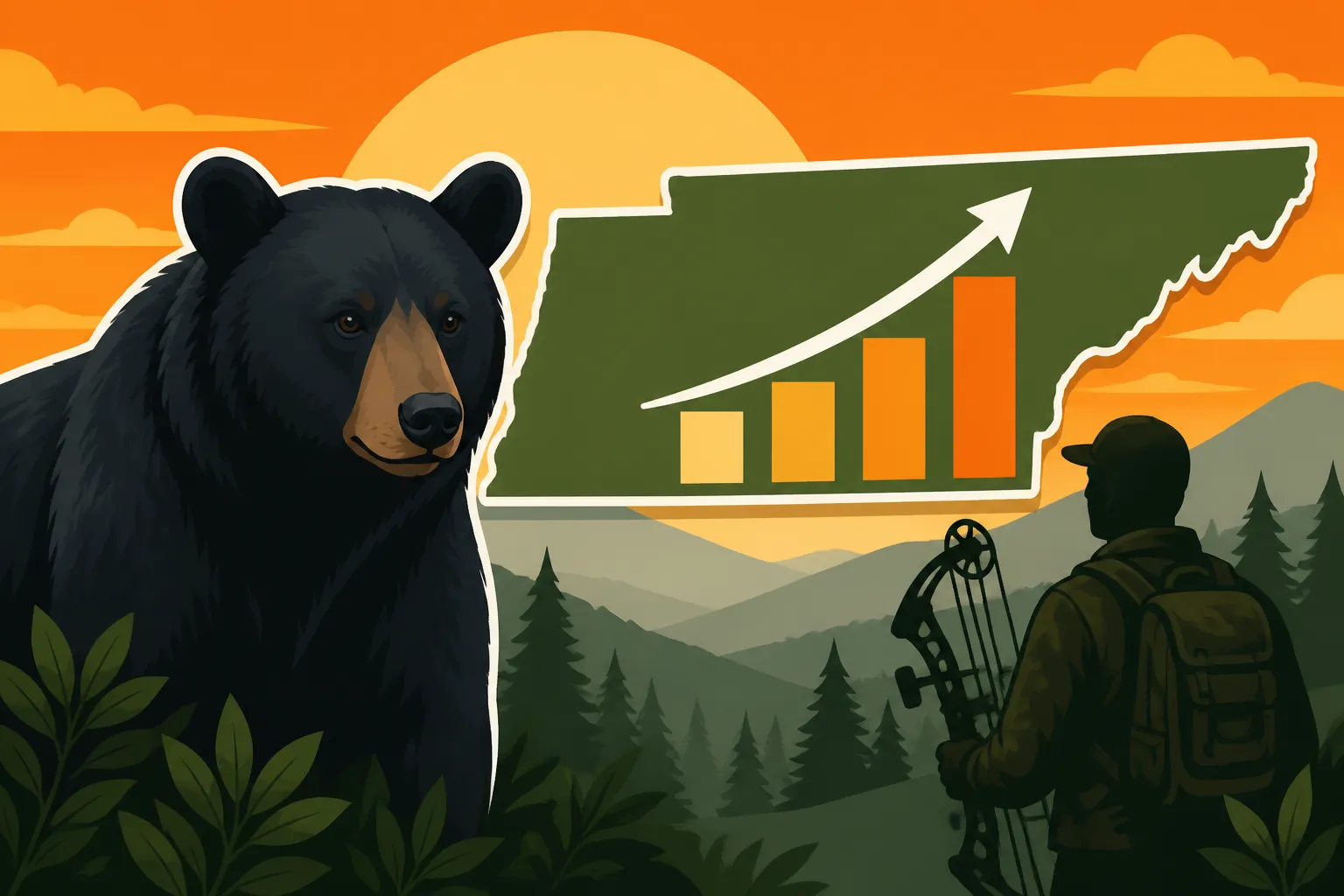
Tennessee Bear Harvest Numbers
It’s easy to get caught up in the excitement of Tennessee's black bear season, but understanding the big picture, like past harvest numbers, can feel like trying to decipher an ancient scroll. Many hunters scratch their heads wondering what those figures actually mean for their upcoming trips. This guide will walk you through how to interpret Tennessee's bear harvest data, the factors that influence it, and how you can use this knowledge to become a more informed and strategic hunter, turning those complex numbers into actionable insights for your next adventure in the mountains or foothills.
Decoding Tennessee's Black Bear Harvest: Why the Numbers Matter
When you hear about annual bear harvest numbers, it's not just a tally; it’s a vital snapshot of the health and management of Tennessee's fascinating black bear population. These figures offer far more than simple bragging rights; they provide crucial insights into population trends, habitat health, and the effectiveness of current hunting regulations. For us as hunters, understanding these numbers is part of being a responsible steward of the wildlife we cherish.
The Significance of Harvest Data for Wildlife Management
Wildlife agencies, like the Tennessee Wildlife Resources Agency (TWRA), rely heavily on harvest data to make informed decisions. Imagine trying to manage a bank account without knowing the deposits or withdrawals; that's what wildlife management would be like without accurate harvest records. These numbers help biologists estimate the overall bear population, track reproduction rates, and understand mortality factors. If harvest numbers are consistently low in a particular area, it might indicate a declining population that needs protective measures. Conversely, high numbers might suggest a healthy, robust population that could sustain more hunting pressure, or perhaps an area with increased human-bear conflict. It's a delicate balance, and the data helps strike it right. This information is critical for setting season dates, bag limits, and determining the appropriate number of permits in specific areas, such as those found in Tennessee's Three Bear Hunting Zones.
Overall Trends and the State of the Bear Population
Across Tennessee, we've seen a remarkable success story in black bear restoration and growth. From what was once a very limited population primarily restricted to the Great Smoky Mountains region, bears have steadily expanded their range into the Cumberland Plateau and other areas. This expansion is often reflected in harvest data, showing increasing numbers or newly established harvest areas over time. These trends tell us that conservation efforts have paid off, and the bear population is thriving in many parts of the state. However, it’s not always a straight upward line. There are natural fluctuations, and sometimes unexpected events like widespread disease or habitat changes can cause dips. By looking at these long-term trends, we can better appreciate the resilience of the species and the ongoing commitment required to manage them effectively. Knowing how many Tennessee black bears there are and where they are expanding is crucial for both management and hunting strategy.
Key Factors That Shape Tennessee's Annual Bear Harvest
Just like any wild animal population, Tennessee's black bears are deeply influenced by their environment. The annual harvest numbers aren't just random; they're a direct reflection of several interconnected factors, primarily driven by the availability of food, weather patterns, and the way hunting seasons are structured. These elements can create a "good" bear year or a "tough" one, significantly impacting how many bears are taken by hunters.
The Feast and Famine Cycle of Natural Food Sources
One of the single most influential factors in bear harvest success is the annual mast crop. Mast, referring to acorns, hickory nuts, berries, and other wild fruits, is the primary food source for black bears, especially in the crucial pre-denning months.
- Good Mast Year: When there's an abundant mast crop, bears often have plenty of food in the high country. This can mean they spend less time foraging near human settlements or in easily accessible areas, potentially making them harder for hunters to locate. They might be widely dispersed, feeding throughout the forest. However, healthy bears going into winter also means a better reproductive year, which can contribute to population growth and potentially higher future harvest numbers. When considering Hunting Bears Over Natural Mast in the Mountains, understanding these cycles is key.
- Poor Mast Year: In years with a scarce mast crop, bears are forced to move more widely in search of food. They might descend from higher elevations, venture into agricultural fields, or even come closer to suburban areas, often making them more visible and, in some cases, more vulnerable to hunters. This increased movement can lead to higher harvest numbers in certain zones, but it also means bears might go into winter with lower fat reserves, potentially impacting cub survival rates the following spring.
Experienced hunters know to scout for mast crops well before the season opens. Tools like GoHunt or similar mapping applications can help pinpoint areas with mature oak and hickory stands, which might be indicators of potential feeding zones depending on the year's production.
How Weather and Hunter Effort Influence Outcomes
Beyond food, the weather plays a significant role in bear behavior and, consequently, harvest numbers. A mild autumn, for instance, might mean bears don't feel the same urgency to den early, extending their activity period. Conversely, an early cold snap or heavy snow can drive bears into their dens sooner than expected, shortening the effective hunting window. Rain or snow can also affect hunter effort, keeping some folks out of the woods.
Hunter effort is another critical variable. If the opening weekend is met with ideal conditions and a large number of eager hunters, the initial harvest might be higher. Later in the season, hunter numbers typically dwindle, regardless of weather. The accessibility of certain areas, especially in places like the Cherokee National Forest, can also dictate where and how many hunters venture out. A dedicated hunter using Spot-and-Stalk Tactics for Cherokee Forest Bears might find success even when others are deterred by weather or lack of sign.
Understanding Bear Zone Management and Regulations
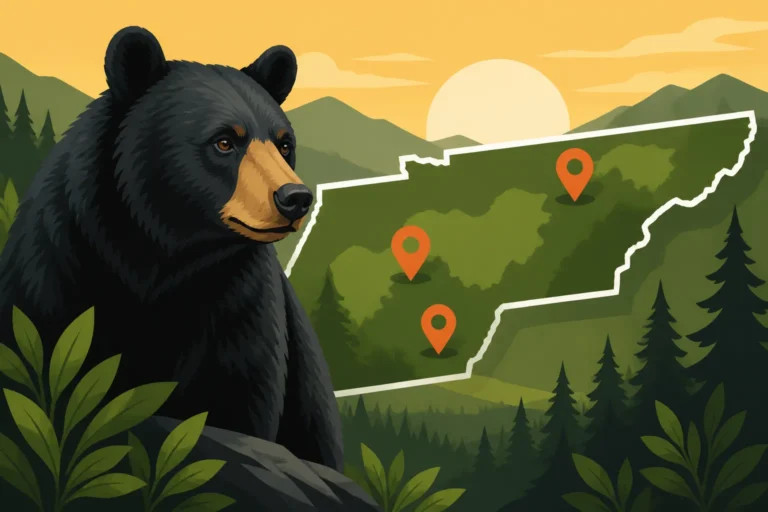
Tennessee isn't a "one-size-fits-all" state for bear hunting. It's divided into specific bear hunting zones, each with its own regulations, season dates, and sometimes even permit requirements. These zones are designed to manage local bear populations effectively.
- Zone 1 (Northeast Tennessee): This zone often has different season dates and rules, recognizing the unique population dynamics and habitat in that region.
- Zone 2 (Smoky Mountains Area): Being home to the densest bear populations, this zone typically has longer seasons or specific rules to help manage the growing numbers, while also navigating proximity to the national park. You can read more about Hunting Bear Zone Two Near the Smokies for specific tactics.
- Zone 3 (South Cherokee): This zone, often incorporating dog hunting, has its own set of dates and specific rules that influence harvest numbers. For details, refer to Hunting Bear Zone Three on South Cherokee.
Changes in these zone boundaries, season lengths, bag limits, or legal methods (like specific restrictions on baiting or the use of dogs) directly impact the potential for harvest. Wildlife managers adjust these regulations based on ongoing data, striving to maintain a healthy bear population while providing hunting opportunities. Understanding these regulations is not just about compliance; it's about comprehending the management strategies behind the numbers.
From Field to Data: How Bear Harvests Are Tracked
Understanding Tennessee's bear harvest numbers isn't just about reading a report; it’s about appreciating the rigorous process that goes into collecting and analyzing that data. Every successful hunter plays a direct role in this system, and the accuracy of the overall picture relies on diligent reporting. It's a partnership between hunters and wildlife agencies that ensures sustainable management for future generations.
The Hunter's Role in Reporting a Harvest
When you successfully harvest a black bear in Tennessee, your responsibility doesn't end with the shot. Prompt and accurate reporting is a legal requirement and a critical step in wildlife management. This process typically involves checking the animal online, by phone, or at a physical check station, depending on the current regulations. You'll usually provide information such as the date and county of harvest, the bear's sex, and potentially its weight. This data point, combined with hundreds of others, starts to build the comprehensive picture of the annual harvest.
It’s easy to think of your individual harvest as just one bear, but when compiled with all the others, it becomes part of a scientific dataset. This means that if hunters don't report accurately or in a timely manner, the integrity of the overall data suffers. The TWRA uses this information to determine everything from population health to future season structures. So, when you take the time to report your bear, you're directly contributing to the conservation efforts that keep Tennessee's black bear population strong and healthy. Following correct procedures for Handling a Bear After the Shot is part of this crucial process.
Analyzing Data to Inform Future Seasons
Once all the harvest reports are in, wildlife biologists get to work. They compile the raw numbers, looking for patterns and anomalies. They consider factors like the average weight of harvested bears (an indicator of food availability), the sex ratio of the harvest (important for understanding reproductive potential), and where most bears are being taken. They also cross-reference this data with other information, such as roadkill incidents, nuisance calls, and field observations.
This analysis helps them assess the overall health and distribution of the Tennessee Black Bear Population. If, for example, they notice an increasing number of younger bears being harvested, it might suggest a growing population. Conversely, a high percentage of mature sows being taken could signal potential concerns for future reproduction. This rigorous scientific review directly informs the recommendations made for future hunting seasons, including adjustments to season dates, bag limits, or even the expansion or contraction of specific hunting zones. This careful data management ensures that hunting remains a sustainable activity while safeguarding the future of the species.
Leveraging Harvest Information for Your Next Tennessee Bear Hunt
So, you've grasped the importance of harvest numbers and the factors that shape them. Now, how do you translate that knowledge into a more successful bear hunt? It's about moving beyond general statistics and using available information to make smarter, more strategic decisions when you hit the woods.
Strategic Scouting with Historical Trends
While you won't find real-time, minute-by-minute harvest data, historical harvest trends can be incredibly valuable for strategic scouting. If you know that a particular county or specific management area has consistently produced a higher number of bears over several years, it’s a strong indicator of a healthy local population. However, it's not just about the highest numbers overall. You might look for trends in specific zones. For example, some areas might have lower total harvests but higher numbers of mature bears, suggesting a different age structure in that sub-population.
Consider using mapping services, such as those available through platforms like GoHunt, to overlay historical data (if available on such platforms) with topographical maps, identifying areas where bears are consistently harvested in relation to key terrain features like ridge lines, hollows, or known mast-producing forests. This kind of detailed analysis can help you narrow down your focus. Rather than just heading to a popular public land area like Cherokee National Forest Hunting blindly, you can investigate which specific parts of the forest consistently yield bears. Look for patterns in past success stories; did a particular type of habitat consistently produce bears? This historical perspective allows you to make educated guesses about where bears might be most active or abundant.
Personalizing Your Approach Based on Regional Data
Understanding regional variations in harvest numbers means you can tailor your hunting approach. For instance, if data suggests a particular zone tends to have a higher proportion of smaller bears harvested, you might adjust your expectations or even your hunting methods. Conversely, if a region shows a consistent take of larger, older bears, it might indicate good genetics and age structure, potentially warranting a more patient, strategic hunt for a mature animal.
Furthermore, combine harvest data with the environmental factors we discussed earlier. If a region typically has a strong mast crop, and historical harvests show bears are harder to find during those years, you know you might need to cover more ground or scout deeper into the woods. If a poor mast year is predicted, you might focus your efforts on areas closer to agricultural fields, clearcuts, or natural travel corridors, knowing bears will be more on the move. Remember that Tennessee Bear Denning Behavior can also shift with food availability and weather, impacting when and where you'll find active bears. Using robust mapping tools, akin to the detailed layers offered by GoHunt, can help you visualize these factors and make more informed decisions about where to hang your stand or begin your stalk. Every piece of information, when put together, helps paint a clearer picture and increases your chances of a successful and responsible hunt.
A Hypothetical Look at Factors Affecting Bear Harvest
To illustrate how various factors could influence the bear harvest, let's consider a conceptual scenario. Keep in mind, these are illustrative impacts, not actual figures or guarantees, as real-world results are always more complex.
| Factor Type | Specific Condition | Hypothetical Impact on Harvest | Reasoning |
|---|---|---|---|
| Natural Food | Abundant Acorn Crop (Mast Year) | Decreased Visibility | Bears remain dispersed, less likely to visit easily accessible areas. |
| Poor Berry/Nut Crop (Scarcity Year) | Increased Activity/Visibility | Bears move more to find food, potentially closer to human areas. | |
| Weather | Mild Fall, Late Cold Snap | Extended Hunting Opportunity | Bears delay denning, staying active longer into the season. |
| Early, Severe Winter | Reduced Hunting Opportunity | Bears den early, shortening the active hunting period. | |
| Hunter Effort | Opening Weekend, Good Weather | High Initial Harvest | Many hunters in the woods, ideal conditions for early success. |
| Mid-Season Lull, Poor Weather | Lower Harvest | Fewer hunters venture out, challenging conditions reduce success rates. | |
| Regulations | Expanded Season or Zone | Potential for Higher Harvest | More days or areas open to hunting. |
| Restricted Season or Zone | Potential for Lower Harvest | Fewer days or areas open, limiting opportunities. |
Disclaimer
This article is for general informational purposes only and does not constitute professional advice. Laws, prices and regulations vary by location and change over time. Consult a qualified professional for guidance on your specific situation.