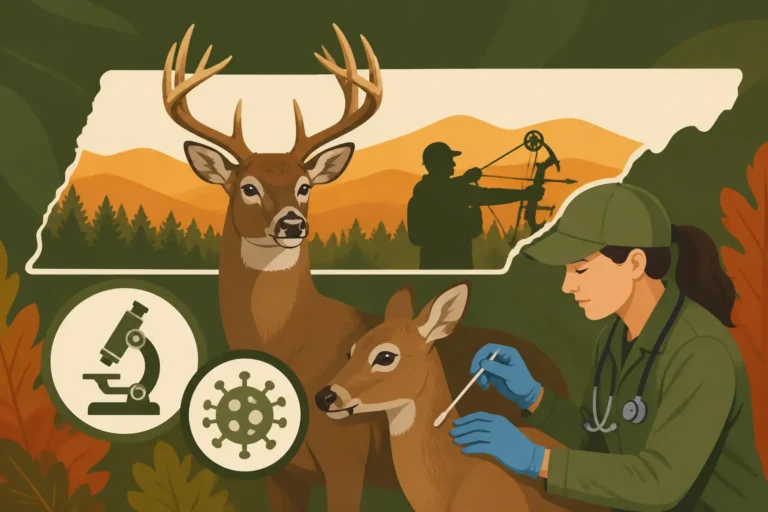
Why West Tennessee Bottomland Grows Older Bucks
Many hunters across Tennessee dream of encountering an older, more mature buck, but often feel like they're constantly seeing young deer or chasing ghosts. While big deer can be found anywhere, there’s a consistent buzz about West Tennessee bottomlands producing a disproportionate number of these elusive older bucks. This guide will dive deep into the unique blend of habitat, deer behavior, and hunting conditions that contribute to this phenomenon, and offer strategies to help you find success in these special areas.
The Unique Ecosystem of West Tennessee Bottomlands
When we talk about West Tennessee bottomlands, we're envisioning those rich, flat river and creek drainages that characterize much of the region. These aren't your steep, rocky Cumberland Plateau ridges or the rolling foothills of East Tennessee. Instead, think of the expansive floodplains of the Mississippi River, the Forked Deer, Obion, Hatchie, and Tennessee Rivers, along with countless smaller creeks and sloughs. This particular landscape creates an environment where older bucks don't just survive, they thrive and often grow to impressive sizes.
Rich Food Sources and Abundant Cover
The foundation of any healthy deer herd, especially one known for producing mature animals, is nutrition, and West Tennessee bottomlands deliver in spades. The alluvial soils deposited by countless flood events are incredibly fertile, leading to an abundance of high-quality forage. We're talking about diverse mast crops from various oak species, pecans, and other hardwoods that drop crucial calories from late summer through winter. Just imagine a dense stand of pin oaks or water oaks raining down acorns in October – that's a magnet for deer.
Beyond the natural bounty, these bottomlands are often interspersed with vast agricultural fields. Corn, soybeans, and winter wheat provide an almost endless buffet of nutrient-rich food sources that contribute directly to antler growth and overall body size. Deer can literally eat themselves fat here. This steady, high-quality diet means bucks aren't just surviving; they're optimizing their growth potential.
Coupled with this incredible food supply is the equally important aspect of cover. West Tennessee bottomlands are renowned for their dense, often impenetrable cover. Think of vast cane thickets, tangled briar patches, thick stands of privet, honeysuckle, and other brushy undergrowth that form natural fortresses. These areas offer ideal bedding sites and escape cover, allowing bucks to feel secure even during hunting season. An older buck knows every nook and cranny of these thickets, using them to evade detection. When you're Hunting West Tennessee Bottomland Deer, understanding how these animals utilize the thick stuff is paramount.
Reduced Human Pressure in Specific Areas
It might seem counterintuitive to suggest that an area with such incredible resources could experience reduced human pressure, but the nature of West Tennessee bottomlands often makes access challenging, which ironically works in favor of mature bucks. Many of these areas are prone to seasonal flooding, making traditional vehicle access difficult or impossible for parts of the year. This can deter casual hunters who prefer easily accessible spots.
Furthermore, large tracts of these bottomlands are often owned by timber companies, large agricultural operations, or private landowners who manage their properties with a focus on quality deer. This can result in limited public access or carefully controlled hunting pressure on private lands. While public lands in these areas can certainly see pressure, there are often remote pockets, especially those requiring substantial effort to reach, where older bucks can find sanctuary. Tools like the mapping features from GoHunt can be invaluable for identifying these harder-to-reach areas and understanding property boundaries, helping you find those hidden gems that receive less pressure.
Water Resources and Deer Movement
The omnipresence of water defines the West Tennessee landscape and dictates much of the deer movement. From the mighty Mississippi River to its smaller tributaries, oxbow lakes, sloughs, and cypress swamps, water influences everything. These waterways act as natural travel corridors, funnels, and barriers. Deer will often use creek bottoms and the edges of swamps as secure travel routes, moving between bedding areas in thick cover and feeding grounds in agricultural fields.
During flood events, which are common, deer are pushed to higher ground, concentrating them in smaller, drier pockets of timber. This can create unique hunting opportunities but also makes deer incredibly wary. Understanding how deer react to fluctuating water levels is crucial. A buck that has lived through several flood cycles knows exactly where to go for safety and where the pinch points will be when water levels rise or fall. These water features also naturally restrict hunting pressure, as getting to prime spots might require a boat, waders, or an intimate knowledge of the terrain.
Factors Contributing to Buck Age Structure
It's one thing for a habitat to support large deer; it's another for bucks to actually live long enough to express their full potential. Several factors converge in West Tennessee bottomlands to promote a healthier age structure among the buck population, leading to those sought-after older animals.
Genetics and Nutrition
While good genetics certainly play a role in a deer's potential antler size, superior nutrition is the fuel that allows those genetics to be fully expressed. In the West Tennessee bottomlands, bucks consistently have access to a rich, high-protein diet for most of the year. The fertile soils not only produce abundant natural forage but also support intensive agriculture. Deer feeding on soybeans, corn, and nutrient-rich browse are taking in the building blocks necessary for robust body growth and impressive antler development.
This constant access to quality food, combined with adequate cover to minimize stress and energy expenditure, means that bucks don't just survive; they thrive. A yearling buck with a good diet has a better chance of surviving its first winter and growing a respectable rack, laying the groundwork for even larger antlers in subsequent years. This cumulative effect of consistent, high-quality nutrition over several seasons is a major reason Why West Tennessee Grows Big Bucks.
Hunter Access and Management Strategies
The balance of private and public land, combined with various management approaches, significantly impacts buck age structure. On private land, particularly large tracts managed by landowners or hunting clubs, Quality Deer Management (QDM) principles are often employed. This means hunters are encouraged or required to pass on younger bucks, allowing them to mature into older age classes. When a significant portion of the landscape is under this kind of management, it creates a sanctuary effect, benefiting deer on surrounding properties as well.
Even on public lands, the challenging nature of the terrain can indirectly contribute to bucks living longer. Areas that are difficult to access, whether due to water, thick cover, or simply long walks, naturally weed out hunters who prefer easier options. This selective pressure means that the deepest, most remote parts of public bottomlands can become de facto sanctuaries where older bucks can escape intense hunting pressure. Hunters willing to put in the effort often find success in these less-traveled areas. Understanding Tennessee Deer Season Structure Explained and local DMU regulations, especially antlerless limits, also plays a role in overall herd management.
Understanding Deer Behavior in Bottomland Terrain
Deer behavior is intrinsically linked to their environment. Bucks in West Tennessee bottomlands often develop specific patterns and habits adapted to their unique surroundings. They learn to utilize the dense cover for bedding and security, often not moving far from these sanctuaries during daylight hours, especially as hunting pressure increases. Their home ranges might even be tighter than deer in more open country because all their needs—food, water, cover—are often met within a smaller, more secure area.
Older bucks are masters of evasion. They know the flood lines, the specific high spots, the hidden trails through cane breaks, and how to use every undulation in the flat terrain to their advantage. They might become almost entirely nocturnal during periods of high pressure. Studying aerial maps, like those available through GoHunt, can help you identify these subtle terrain changes, isolated thickets, and water features that an old buck might consider his secure domain. Paying close attention to how deer move along water edges or through distinct funnels can reveal predictable patterns.
Strategies for Hunting Older Bucks in West Tennessee
Hunting older bucks in these unique West Tennessee bottomland environments requires a thoughtful approach, a keen understanding of the terrain, and a willingness to adapt. These deer are not easily fooled, but with persistence and the right tactics, you can increase your odds.
Scouting and Interpreting Sign
Effective scouting is the bedrock of successful big buck hunting, and in West Tennessee bottomlands, it's often a year-round endeavor. During the off-season, when foliage is down, focus on identifying key travel corridors, pinch points between swamps and fields, and potential bedding areas within the thickest cover. Look for old rubs and scrapes from previous seasons, which can indicate historical buck activity. Use aerial imagery to identify islands of high ground, logging roads, and subtle changes in vegetation that might funnel deer.
As season approaches, or even during the early season, transition to looking for fresh sign. Big tracks in the mud along creek banks, fresh rubs on larger trees, and active scrape lines are all indicators of a mature buck in the area. Pay close attention to how deer are entering and exiting agricultural fields, looking for less-obvious trails that might belong to a cautious older deer. Scouting Tennessee Public Land Before Season is crucial, as is learning to discern the size of tracks and the height of rubs to estimate the age class of the deer making them. Consider how to combine historical data from your GoHunt app with fresh visual confirmation on the ground.
Stand Placement and Wind Considerations
Hunting in bottomlands presents unique challenges for stand placement, especially regarding wind. The flat terrain and dense canopy can create swirling winds that are difficult to predict. This means careful attention to thermals and micro-currents is essential. Often, placing stands along transitions—like the edge of a thicket next to a more open hardwood bottom, or a funnel between two sloughs—can be highly effective.
When setting up, always consider your entry and exit routes. Older bucks are incredibly sensitive to disturbance, and bumping deer on your way in or out can ruin a hunt for days. Aim for stands that allow quiet, undetected access. Elevated stands, whether ladder stands, hang-ons, or even mobile saddle setups, are often best for getting above a deer's line of sight and scent cone. However, well-brushed-in ground blinds can also be effective in extremely thick cover, especially when Using a Ground Blind on Tennessee Public Land. Pay attention to areas where you might be Hunting a Funnel Between Two Bottoms or Setting Up on a West Tennessee Field Edge, ensuring your wind is perfect for the anticipated deer movement.
Patience and Low-Impact Hunting
Hunting older bucks in West Tennessee bottomlands demands patience. These deer have survived multiple hunting seasons by being cautious, and they won't simply walk out on a whim. Long, quiet sits are often required, especially in the mornings or late afternoons. Avoid over-pressuring an area; if you detect that a spot has been disturbed, give it time to cool down before returning.
Low-impact hunting means minimizing your footprint. This includes practicing scent control diligently, moving slowly and quietly through the woods, and resisting the urge to check cameras too frequently or scout aggressively during the season. If you're encountering high Hunting Pressure on Tennessee Public Land, consider hiking deeper or seeking out areas that are harder to reach. The willingness to pass on younger bucks, allowing them to mature, is also part of a low-impact strategy. The true reward of hunting these bottomlands isn't just a big rack, but the challenge and deep satisfaction of outsmarting a truly mature, wild animal that has called this special habitat home for years. While you might be Hunting the Late-Season January Lull, remembering the core principles of patience and low impact will always serve you well.
| Feature / Region | West Tennessee Bottomlands | Other Tennessee Regions (e.g., Cumberland Plateau) |
|---|---|---|
| Terrain | Flat, low-lying, prone to seasonal flooding, river systems, sloughs. | Hilly, mountainous, rocky, steep ridges, hollows. |
| Soil Fertility | High (alluvial deposits), rich for forage. | Variable, often thinner, less fertile, more acidic. |
| Food Sources | Abundant mast crops, extensive agricultural fields (corn, beans). | Primarily mast crops, natural browse, limited agriculture. |
| Cover Density | Extremely dense (cane, briars, thick brush), often impenetrable. | Varied, open hardwoods, dense clear-cuts, laurel thickets. |
| Water Influence | Dominant factor for deer movement, bedding, and escape routes. | Less dominant, springs, creeks, small ponds. |
| Hunter Access (Avg.) | Can be challenging due to wet conditions, dense cover. | More predictable, but steep terrain can be physically demanding. |
| Buck Age Structure (Avg.) | Tendency for higher proportion of older bucks due to habitat/pressure. | Variable, often higher pressure, can lead to younger age structure. |
Disclaimer
This article is for general informational purposes only and does not constitute professional advice. Laws, prices and regulations vary by location and change over time. Consult a qualified professional for guidance on your specific situation.