Tennessee Quail Decline Since the 1960s
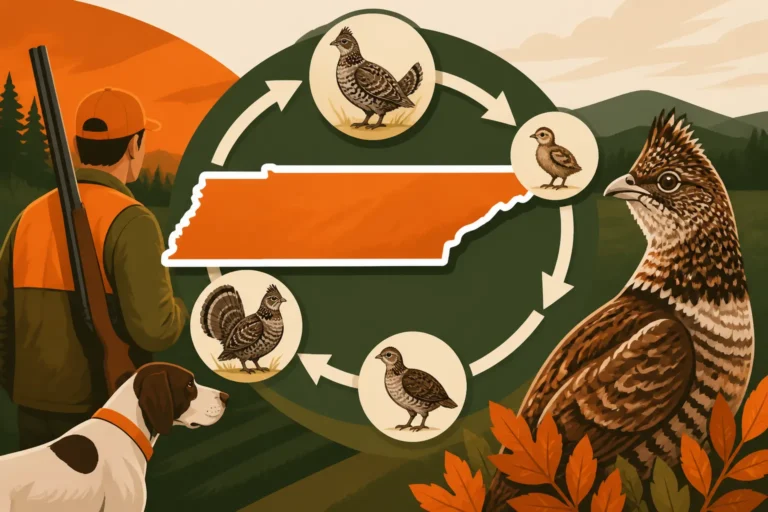
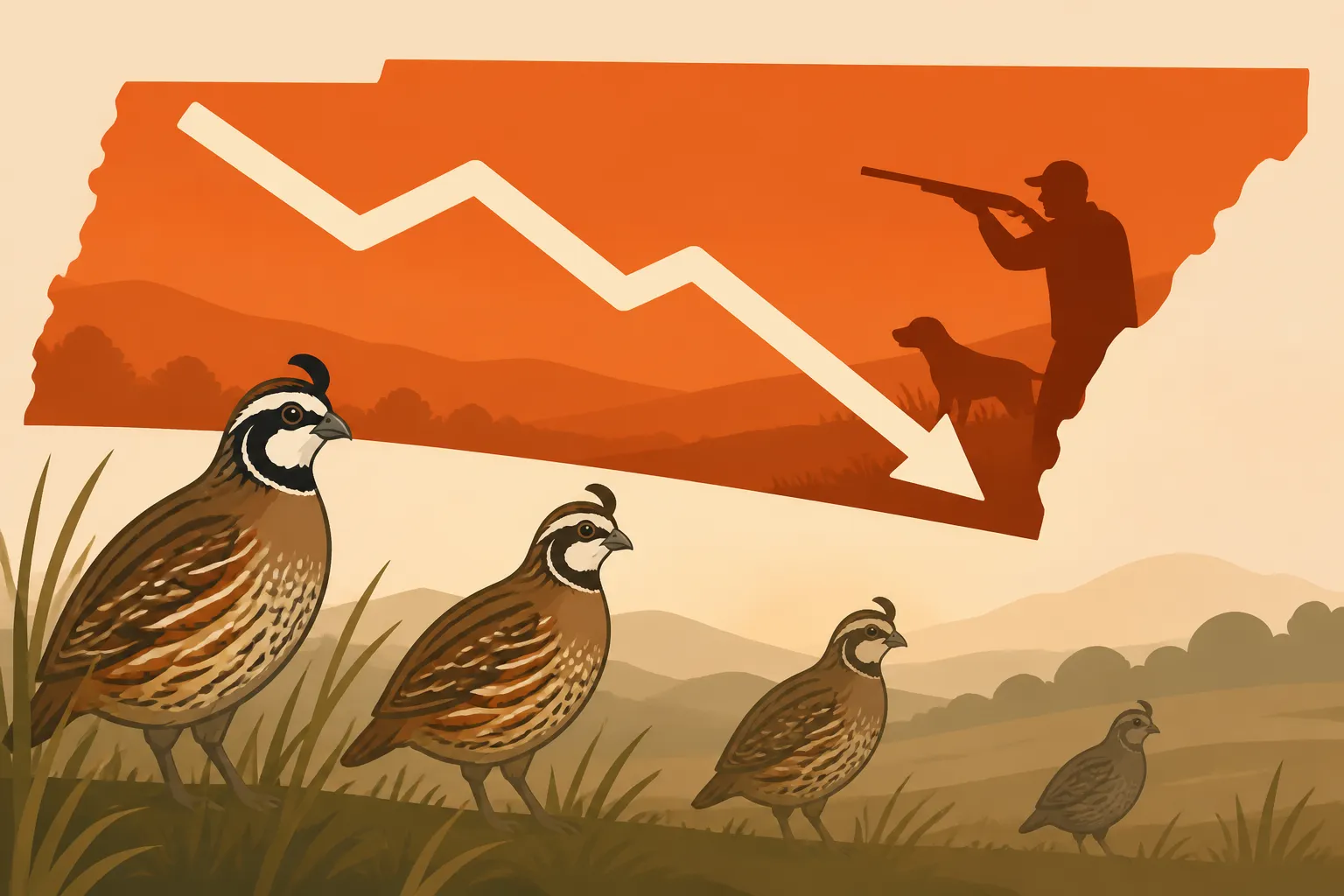
The disappearance of the iconic bobwhite quail from much of Tennessee's landscape is a heartbreaking reality for many hunters and wildlife enthusiasts. Once a common sight and sound, the dwindling numbers of these spirited birds represent a profound shift in our natural world, leaving many wondering what happened and if there's any hope for their return. This guide will delve into the complex reasons behind the drastic decline of Tennessee's quail population since the 1960s, explore the ecological and cultural impacts, and highlight the ongoing efforts to bring back this cherished game bird.
The Golden Age: Quail Abundance Before the Decline
It’s hard for younger generations of hunters to imagine, but there was a time in Tennessee when the whistling call of a bobwhite quail was as common a sound as a crow's caw or a dove's coo. Before the sweeping changes of the mid-20th century, quail populations thrived across our state, providing endless opportunities for sport and a strong connection to the land. This wasn't just happenstance; the landscape itself, coupled with the way folks lived and worked the land, created a perfect storm of prime habitat.
A Landscape Ripe for Bobwhites
Think back to old photographs or stories from your grandparents about rural Tennessee. You'd likely picture small family farms, a patchwork of diverse fields, and plenty of unkempt edges. This mosaic landscape was an absolute paradise for bobwhite quail. They thrived in areas with a mix of open fields for foraging, dense brushy cover for protection from predators, and scattered patches of taller vegetation for nesting. Fields were smaller, fences were often overgrown with briars and saplings, and timber stands were less dense than many you see today. This wasn't a pristine wilderness, but rather a dynamic, managed landscape that inadvertently catered perfectly to the quail's needs.
These agricultural landscapes, often less intensive than modern operations, created a continuous supply of the "early successional" habitat that quail absolutely need. This means areas that are in the early stages of plant growth after a disturbance, like an old field going fallow, a cut timber stand starting to regenerate, or a field margin left unmowed. These areas provide the perfect blend of insects, seeds, and protective cover. It was a natural balance where both people and quail found what they needed to flourish.
The Rural Lifestyle and Quail Coexistence
The ways people lived and farmed in Tennessee prior to the 1960s were inherently beneficial to quail. Many farms were diversified, growing a mix of row crops, hay, and pastures, often leaving portions fallow or ungrazed for periods. This created a constantly shifting tapestry of suitable habitat. Hedgerows were thick, offering critical travel corridors and escape cover. Farmers might have burned fields or pastures more regularly, which, when done correctly, can reset succession and create fresh, usable habitat.
Furthermore, subsistence farming meant less reliance on large-scale machinery and chemical inputs. Fields were tilled with less intensity, leaving more residual seeds and cover. These practices, while not specifically designed for quail, created a stable environment where coveys could find ample food, shelter, and nesting sites year-round. It was a time when the rural rhythms of life synced up almost perfectly with the needs of the bobwhite.
The Unraveling: Major Factors Behind the Steep Decline
The sharp decline in Tennessee's quail population didn't happen overnight, but rather was a gradual, insidious process driven by profound changes in land use and agricultural practices starting in the mid-20th century. It’s like watching a favorite old barn slowly collapse after years of neglect – you know it’s coming, but the speed of its demise can still shock you. For bobwhite quail, these changes essentially pulled the rug out from under their feet, leaving them nowhere to go.
Habitat Fragmentation and Loss of Early Successional Cover
The most significant factor in the quail's decline is undeniably the widespread loss and fragmentation of their preferred habitat. As farms grew larger and more specialized, the small, diverse patchwork of fields, hedgerows, and brushy edges began to disappear. Those tangled fencerows that provided vital cover and travel lanes were cleared out to make way for bigger machinery and maximize planting space. Woodlots became more densely timbered, shading out the undergrowth that provides food and protection for ground-dwelling birds. Even small, seemingly insignificant changes, like mowing a field right down to the fence line or allowing forest edges to mature, collectively removed countless acres of usable quail habitat.
Think about a quail's daily needs: they need safe places to nest on the ground, open areas to scratch for seeds and bugs, dense cover to hide from predators, and travel corridors to move between these spots without being exposed. When these critical components are scattered too far apart, or completely eliminated, a quail covey simply cannot survive. Urban and suburban sprawl has also played a role, turning former quail grounds into housing developments and commercial centers, further isolating and shrinking the remaining suitable patches. It's a cruel game of musical chairs where more and more chairs are removed each round. For those interested in understanding how important proper habitat is for all small game, you might want to read more about Grouse and Small Game Hunting in Tennessee and how different cover types affect species.
Shifting Agricultural Practices and Clean Farming
Modern agriculture, while incredibly efficient at producing food, has inadvertently been a major antagonist for quail. The push for "clean farming" practices means fields are tilled from edge to edge, leaving no space for the weeds and brush that quail depend on. The widespread use of herbicides eliminates the diverse plant life that provides both food sources (seeds and insects) and crucial cover. Remember, quail aren't eating corn and soybeans directly; they rely on the "weeds" and insects found among and around those crops.
Furthermore, the shift to monoculture farming, where vast acreages are dedicated to a single crop like corn or soybeans, drastically reduces the diversity that quail need. These large, uniform fields offer little in the way of escape cover, nesting sites, or varied food sources. The timing of modern harvesting also impacts quail; early and complete harvests can remove vital winter food sources and cover just when birds need them most. It's a stark contrast to the historical agricultural landscape, and it has left the bobwhite scrambling for survival.
Predator Dynamics and Their Role
While habitat loss is the primary driver, changes in predator populations have also contributed to the quail's struggles. With less dense, interconnected cover, quail become more vulnerable to a wider array of predators. Raptors have recovered significantly in many areas, and while a healthy ecosystem includes predators, a struggling prey species needs more protective cover to cope. Raccoon, opossum, skunk, and snake populations, all significant nest predators, can thrive in areas where quail habitat is fragmented and easily accessible.
The increase in coyote populations across Tennessee, while often a scapegoat, can also add pressure, especially on already vulnerable coveys. It’s not that there are "too many" predators, but rather that the quail no longer have the habitat advantage they once did. Without thick, widespread cover to hide their nests and escape danger, even normal predator levels can have a disproportionately negative impact on quail survival and recruitment. It's a delicate balance that has been thrown out of whack.
A Hunter's Perspective: Feeling the Loss in the Field
For hunters who remember the good old days, the decline of quail in Tennessee isn't just an ecological statistic; it's a deeply personal loss. It’s the absence of a cherished tradition, the quiet fields where once there was a burst of wings, and the fading memory of a dog working a solid point. This isn't about just losing a game bird; it's about losing a connection to a specific kind of outdoor experience that defines so many of us.
The Vanishing Covey Rise
There's nothing quite like the explosive flush of a quail covey. The sudden whir of wings, the scattering birds, the barking dog, and the thrill of a quick shot—it’s an unforgettable moment. For generations, this was the quintessential experience of small game hunting in Tennessee. But as quail numbers plummeted, so did these experiences. Hunters now walk mile after mile through what used to be prime quail country, only to find silence. The frustration is palpable, and for many, it's led to hanging up their bird guns, realizing the landscape they once knew is gone.
I've heard countless stories from seasoned hunters who describe going from flushing multiple coveys in a single morning to being lucky to hear a lone bobwhite whistle all season. This isn't just a decrease; it's a near eradication in many areas. The sense of anticipation, the careful planning, the joy of working a good bird dog—these elements are still there, but the quarry itself is often absent, leaving a hollow feeling. If you're looking for different small game experiences, it might be worth exploring Squirrel Hunting Tennessee Bottomland Hardwoods or Rabbit Hunting Tennessee Fencerows as they often utilize different habitats.
The Impact on Hunting Traditions
Beyond the immediate hunting experience, the quail decline has had a profound impact on Tennessee’s hunting culture. The tradition of training and working bird dogs, which was once a widespread passion, has diminished significantly. Why spend years and resources on a pointer or setter if there are no birds to point? Dog trials and field tests for quail have become rarer, reflecting the scarcity of the game. This loss extends to the social fabric of hunting, too. Quail hunting was often a communal activity, a way to spend time with family and friends, teaching younger generations the ropes.
When a foundational species like the bobwhite disappears, it leaves a void that's hard to fill. It changes how people think about hunting, what species they pursue, and even how they interact with the land. The decline has spurred a new generation of conservationists, certainly, but it's also left a bittersweet legacy for those who remember the good times, and now lament what has been lost. It underscores the importance of protecting all of our hunting heritage, not just the big game species.
Hope on the Horizon: Tennessee's Conservation Responses
Despite the challenges, there is still hope for Tennessee’s bobwhite quail, and a dedicated community of biologists, landowners, and hunters are working tirelessly to bring them back. It’s not a quick fix, and it requires sustained effort, but the understanding of why the decline happened has paved the way for targeted and effective conservation strategies.
State-Led Habitat Restoration Initiatives
The Tennessee Wildlife Resources Agency (TWRA) and other state-level organizations have recognized the critical need for quail recovery. They've shifted focus significantly towards aggressive habitat restoration. This isn't just about planting a few trees; it's about creating complex, diverse early successional cover that mimics the ideal conditions of yesteryear. Programs often involve managing public lands, such as Wildlife Management Areas (WMAs), through prescribed burns, disking, and selective timber harvesting to create the necessary open understory and brushy edges. You can often find information about specific projects and access points by using mapping tools like those found on GoHunt, or by learning about Scouting Tennessee Public Land Before Season through various TWRA resources.
These initiatives are long-term commitments, acknowledging that restoring habitat takes time and consistent effort. Biologists are constantly researching best practices, collaborating with universities, and adapting strategies based on success rates. The goal is to establish core areas of high-quality habitat that can serve as anchors for quail populations, from which they can ideally expand into surrounding suitable areas. Understanding Habitat Work on Tennessee WMAs can give hunters a sense of where these efforts are concentrated.
Private Landowner Programs and Partnerships
Given that most land in Tennessee is privately owned, the success of quail recovery hinges heavily on private landowner participation. The TWRA, along with federal partners like the Natural Resources Conservation Service (NRCS), offers technical and financial assistance to landowners willing to implement quail-friendly habitat improvements. These programs might include guidance on creating native grass fields, establishing hedgerows, converting fescue pastures to native warm-season grasses, or implementing controlled burns.
Landowners can learn about specific management techniques like creating brush piles, planting food plots with diverse seed mixes, or managing timber in a way that benefits ground-dwelling birds. The key is incentivizing practices that might not be part of conventional farming or forestry but are vital for quail. By working with individual landowners, these programs aim to stitch together a network of interconnected habitat patches, creating corridors that allow quail to move and thrive across broader landscapes. This collaborative approach is essential, as quail don't recognize property lines.
Here's a look at some historical and modern land management impacts on quail:
| Aspect | Pre-1960s Traditional Farming | Modern Industrial Agriculture | Quail Impact (Pre-1960s) | Quail Impact (Modern) |
|---|---|---|---|---|
| Field Size & Diversity | Small, diverse fields (row crops, hay, pasture) | Large, uniform monoculture fields | High diversity, abundant edge | Low diversity, minimal edge |
| Field Edges/Fencerows | Untended, brushy, herbaceous | Clean, manicured, often absent | Excellent cover, travel lanes | No cover, exposed |
| Tillage Practices | Less intensive, more stubble left | Intensive, clean tillage, minimal residue | Residual food, nesting cover | Exposed soil, no cover |
| Chemical Use | Minimal herbicides, natural pest control | Widespread herbicides, insecticides | Diverse insects, broad plant base | Reduced insects, limited plants |
| Grazing Practices | Rotational, less intense | Intensive, continuous grazing often | Varied vegetation heights | Short, uniform vegetation |
| Timber Management | Open understory, scattered trees | Dense timber, closed canopy often | Provides escape cover, food | No undergrowth, no cover |
| Burning | Often used for pasture/field prep, variable | Less common on private, targeted on public WMAs | Resets succession, improves habitat | Loss of natural process |
What Hunters Can Do: Contributing to Quail Recovery
For those of us who carry the memory of vibrant quail populations, simply hoping for their return isn't enough. Hunters have always been at the forefront of conservation, and our passion for these birds can be a powerful force for their recovery. There are tangible steps we can take, from advocating for policies to actively managing our own land, to ensure that the "bob-white" call doesn't fade into mere legend.
Advocating for Habitat and Funding
One of the most impactful ways hunters can help is by becoming vocal advocates for quail habitat and the funding that supports it. This means supporting organizations like Quail Forever, who specifically dedicate their efforts to bobwhite restoration across the country. It also means contacting elected officials at both state and federal levels to express the importance of conservation programs that benefit small game. Policies that promote native grass planting, discourage "clean farming" practices along field edges, and fund research into quail biology are all critical.
Purchasing a Tennessee hunting license, even if you primarily hunt deer or turkey, contributes directly to the TWRA's wildlife management efforts, including those focused on quail. Beyond direct financial contributions, sharing information with other hunters and landowners about the importance of habitat is crucial. The more people understand the plight of the quail and the solutions available, the stronger the movement for their recovery will become. Don't underestimate the power of your voice and your dollars in shaping the future of our wildlife. For a broader look at licenses and their impact, check out Tennessee Hunting Licenses and What They Cost.
Responsible Land Management for Small Game
If you're a landowner, even a small one, you have an incredible opportunity to directly contribute to quail recovery. Implementing small-scale habitat improvements on your property can make a significant difference, especially when combined with efforts from neighbors. This could involve simply not mowing fencerows, planting native grasses and wildflowers, or creating brush piles for escape cover. Even letting a small corner of your property go wild can provide vital refuge.
Consider planting a diverse mix of seed-producing plants, especially those native to Tennessee, that offer food throughout the year. Avoid using broad-spectrum herbicides in areas intended for quail. If you have timber, consider thinning it selectively to create a more open understory. Even simple actions like allowing perennial weeds to grow in a field margin can create crucial habitat. Every little bit of managed habitat adds up, creating a network of life rafts for these struggling birds. Learning about strategies like Hunting a Green Field Planted for Deer or Working a Fencerow for Late-Season Deer can also offer insights into how specific habitat management can benefit multiple species, including quail. Tools like GoHunt can also help you identify potential areas on your property or nearby public lands that could benefit from these types of habitat work.
Future Outlook: Can Tennessee's Quail Make a Comeback?
The question on every quail hunter's mind is whether the bobwhite can truly make a comeback in Tennessee. It's a complex challenge, one that requires significant investment, sustained effort, and a change in how many of us view and manage our land. The truth is, while we may never see the quail populations of the 1950s again, there is genuine reason for cautious optimism.
The Power of Dedicated Habitat Work
We now have a much deeper scientific understanding of what quail need to thrive. Modern conservation efforts are highly targeted, focusing on creating interconnected blocks of high-quality early successional habitat. When this work is done effectively and on a sufficient scale, quail populations can respond. There are success stories in localized areas across the Southeast where dedicated habitat management has led to measurable increases in covey numbers. These examples provide a roadmap and demonstrate that the decline is not irreversible, provided we commit the resources and effort.
However, the challenge is immense. It's not just about creating patches of good habitat, but creating enough of it, spread across the landscape, to support viable, self-sustaining populations that can weather natural fluctuations. This requires a cultural shift among landowners and a continued commitment from wildlife agencies.
The Role of Hunter Engagement and Awareness
The future of Tennessee's quail ultimately rests with us—the hunters, landowners, and conservationists who care about this iconic bird. The more engaged and educated we become, the greater the likelihood of success. By supporting conservation organizations, participating in landowner incentive programs, and advocating for policies that prioritize habitat, we can collectively create the conditions necessary for quail to rebound.
It means recognizing that small game like quail are indicators of overall ecosystem health. When quail thrive, it's often a sign that many other grassland and early successional species are also doing well. The fight to bring back the bobwhite isn't just about hunting; it's about restoring a vital part of Tennessee's natural heritage and ensuring that future generations can experience the thrill of a covey rise. It’s a marathon, not a sprint, but every step forward, every acre restored, brings us closer to hearing that unmistakable "bob-white!" call echo across our fields once again.
Disclaimer
This article is for general informational purposes only and does not constitute professional advice. Laws, prices and regulations vary by location and change over time. Consult a qualified professional for guidance on your specific situation.