Tennessee Squirrel and Rabbit Populations
There's a special kind of satisfaction that comes from hunting small game in Tennessee. Maybe it's the simplicity of it, or the sheer abundance of opportunities, but there's no denying the charm of chasing squirrels and rabbits. However, it's easy to get caught up in the pursuit of bigger game, and sometimes we overlook these fantastic resources, or we might wonder if the populations are still as robust as they once were. This guide aims to shed light on the vibrant squirrel and rabbit populations across Tennessee, offering insights into where they thrive, how they're managed, and why they remain a crucial part of our hunting heritage.
Understanding Tennessee's Squirrel Populations
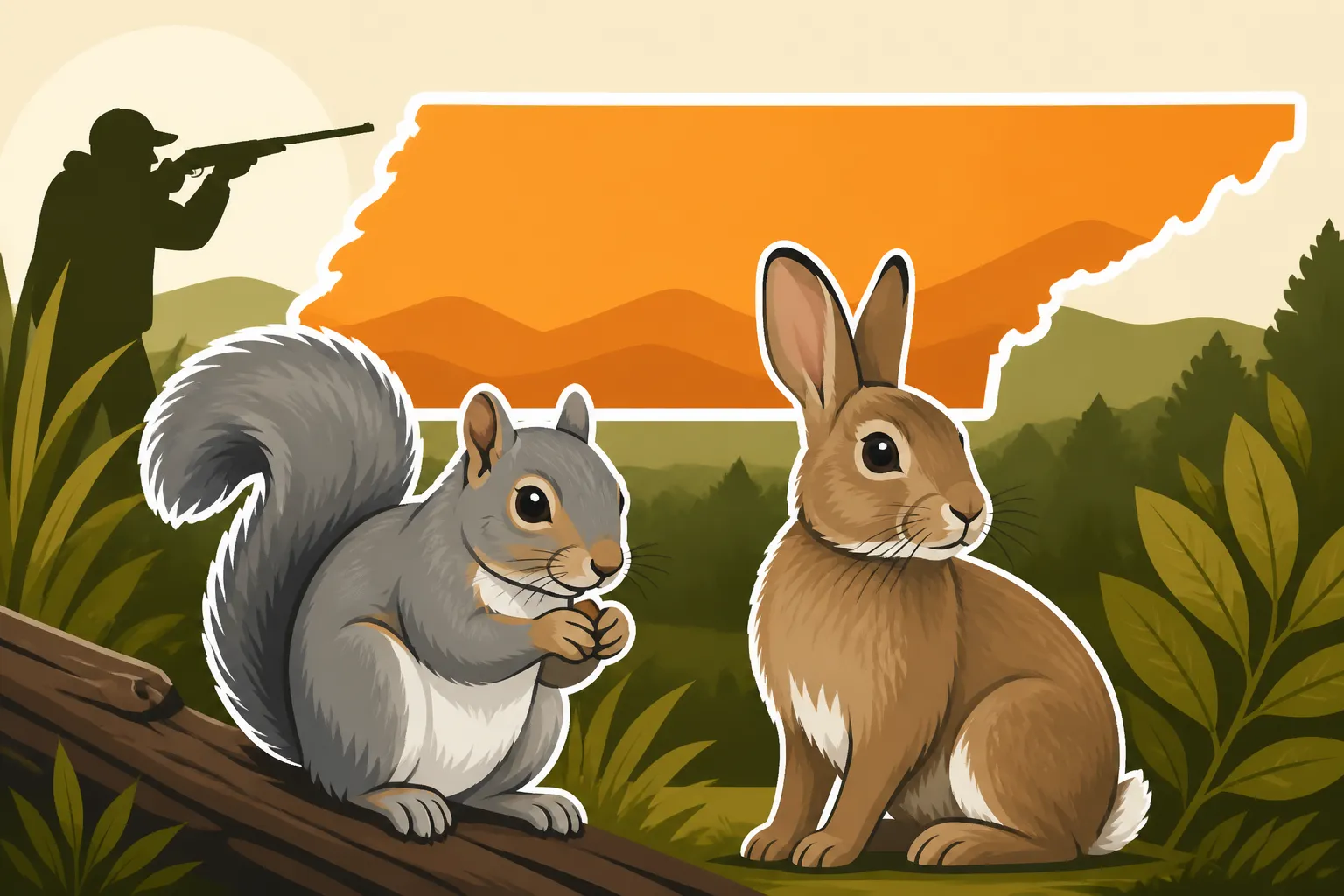
Squirrel hunting holds a unique place in many a hunter's heart, often being the very first game pursued. In Tennessee, we're fortunate to have healthy numbers of both gray and fox squirrels, providing ample opportunity for those willing to venture into our abundant hardwood forests.
Gray Squirrels: The Backyard Bushy-Tail
When most folks picture a squirrel in Tennessee, they're probably thinking of the ubiquitous gray squirrel. These energetic, smaller squirrels are incredibly adaptable and can be found almost anywhere there are trees, from suburban woodlots to the deepest reaches of the Cherokee National Forest. Their diet primarily consists of nuts, seeds, and acorns, making them highly dependent on good mast crops.
Gray squirrels are highly social creatures, and their chattering and scampering through the canopy are classic sounds of the Tennessee woods. They build nests (dreys) out of leaves and twigs high in trees, or they'll utilize natural tree cavities. For new hunters, or those looking to introduce kids to the outdoors, Tennessee Hunter Education Requirements is a great place to start, and gray squirrels offer a fantastic, low-pressure way to learn basic hunting skills like stealth, marksmanship, and woodsmanship.
Their commonality makes them an excellent target for consistent action. You might spend a morning trying to track a mature buck, only to leave empty-handed. But a good squirrel patch, especially after a strong acorn year, can provide hours of entertainment and a heavy game bag. They reproduce readily, often having two litters a year, which helps their populations bounce back even after tough winters or heavy hunting pressure.
Fox Squirrels: Larger and More Elusive
While gray squirrels are everywhere, the fox squirrel offers a different challenge. These are the giants of the squirrel world in Tennessee, noticeably larger with varied colorations ranging from reddish-brown to grayish, often with a white nose and ears. They tend to prefer more open woodlands, timber edges, and stands of mature pines or oaks, rather than the dense, unbroken canopy favored by grays.
Fox squirrels are often more solitary and less numerous than their gray cousins, making them a more prized target for many experienced small game hunters. They move with a deliberate, almost lumbering pace on the ground, but can still be incredibly agile in the trees when pressed. Finding a good population of fox squirrels often requires scouting specific habitat types, like those expansive oak ridges found in places like the Cumberland Plateau.
Their size means a bit more meat for the stew pot, and their more cautious nature makes a successful hunt feel like a greater accomplishment. If you're looking for a step up in your squirrel hunting game, focusing your efforts on prime fox squirrel habitat, perhaps by Squirrel Hunting a Tennessee Oak Ridge, will provide that added challenge. They're masters of using a tree trunk to shield themselves, requiring patience and keen eyes to outwit them.
Population Trends and Factors Affecting Squirrels
Overall, Tennessee's squirrel populations are quite stable and healthy. The sheer amount of forested land across the state, from the Appalachian Mountains to the western river bottoms, provides ample habitat. However, their numbers can fluctuate year-to-year based on a few key factors.
One of the most significant influences is the annual mast crop. Acorns, hickory nuts, and other hard mast are vital food sources, especially heading into winter. A poor mast year can lead to lower squirrel reproduction rates and higher winter mortality, which might be noticeable in the following year's hunting season. Conversely, a bumper crop can lead to an explosion in squirrel numbers. This is where scouting before the season really pays off; look for Reading Cuttings Under an Oak to know where they're feeding heavily.
Predation from hawks, owls, bobcats, and coyotes also plays a role, though typically not one that drastically impacts overall populations statewide due to their high reproductive capacity. Habitat fragmentation, while a concern for many species, hasn't severely impacted squirrels, given their ability to utilize even small woodlots. The availability of food and denning sites remains the most critical factor for sustained populations. Tennessee's flexible Tennessee Squirrel Season Dates allow hunters to pursue them during various times of year, adapting to these natural cycles.
Deciphering Tennessee's Rabbit Populations
Rabbit hunting, particularly with a good pack of beagles, evokes a sense of nostalgia for many seasoned hunters. It’s an active, engaging pursuit that often involves walking through thick cover and listening for the exciting chase. Tennessee is home to a robust population of rabbits, primarily Eastern cottontails, with some swamp rabbits in specific wetland areas.
Eastern Cottontails: The Ubiquitous Hoppers
The Eastern cottontail is by far the most common rabbit species in Tennessee, and likely the one you'll encounter on most hunts. These small, agile mammals are masters of finding dense cover, whether it's a briar patch, a brushy fencerow, or a thicket along a field edge. Their diet is varied, including grasses, clover, forbs, and even bark in winter, which allows them to thrive in diverse habitats.
Cottontails are incredibly prolific breeders, which is a good thing considering they are a primary food source for a vast array of predators. A single female can produce multiple litters throughout the spring and summer, with several young in each litter. This high reproductive rate is what allows their populations to remain strong despite the constant pressure from predators and hunters alike. Their tendency to stick to heavy cover makes them challenging to spot without a dog, but once flushed, they offer fast-paced action.
They're not just found in deep wilderness; cottontails thrive in fragmented landscapes, often right on the edges of agricultural fields, suburban areas, and along power lines. This accessibility makes them a fantastic target for hunters who might not have access to vast tracts of land but can find success on smaller, brushy parcels.
Swamp Rabbits: Adapting to Wet Environments
While less common than the Eastern cottontail, the swamp rabbit is a unique species that calls Tennessee's wetlands home. As their name suggests, these rabbits are found in wet, boggy areas, flooded timber, river bottoms, and cypress swamps, particularly in West Tennessee. They are noticeably larger than cottontails, often with coarser fur and smaller ears, and they are excellent swimmers.
Swamp rabbits are well-adapted to their aquatic environment, readily taking to water to escape predators. They'll often sit tight in thick cover until the last possible second, then make a mad dash, sometimes right into the nearest slough or creek. This unique behavior makes hunting them a specialized pursuit, often requiring hunters to wear waders and be prepared for wet conditions.
Finding swamp rabbits means targeting specific habitats – think of the low-lying areas around rivers like the Tennessee or Mississippi, or places like Reelfoot Lake. They’re less common across the state's uplands, which means if you're planning a trip specifically for them, you'll need to focus your scouting on those wet, marshy areas. The challenge of hunting swamp rabbits, combined with their larger size, makes them a sought-after quarry for dedicated small game enthusiasts.
Population Dynamics and Challenges for Rabbits
Tennessee's rabbit populations, particularly Eastern cottontails, are generally healthy, though local numbers can vary significantly based on habitat and environmental factors. Their rapid breeding cycle is their greatest asset in maintaining stable populations. However, rabbits do face several challenges that impact their overall dynamics.
Habitat loss is a primary concern. The conversion of brushy fencerows, small woodlots, and old fields into larger, clean-farmed agricultural tracts reduces the essential dense cover rabbits need for protection from predators and the elements. Without thick brambles, briars, and brush piles, rabbits are far more vulnerable. Efforts to improve rabbit habitat often focus on maintaining or creating these types of early successional cover.
Predation pressure is intense on rabbits. Coyotes, bobcats, foxes, hawks, and owls all heavily rely on rabbits as a food source. While this can lead to fluctuations, the high reproductive rate of rabbits usually allows them to bounce back quickly. Disease, such as tularemia, can occasionally cause localized die-offs, but widespread outbreaks are less common. Managing for robust populations often involves maintaining a patchwork of diverse habitats. For example, Rabbit Hunting Tennessee Fencerows highlights the importance of these linear strips of cover.
Prime Habitats and Regions for Small Game
Knowing where to find squirrels and rabbits is half the battle. While both species are widely distributed across Tennessee, certain habitats and regions consistently offer better opportunities due to the abundance of food and cover.
Identifying Productive Squirrel Woods
For squirrels, it's all about the mast. Mature hardwood forests, especially those dominated by oaks (white oak, red oak, pin oak) and hickories, are absolute goldmines. These trees provide the critical food source that squirrels depend on, particularly in the fall and winter. Look for areas with a variety of mast-producing trees, as some years one species might produce better than another.
Creek bottoms and drainages are also excellent spots. These areas often retain moisture longer, supporting lush vegetation and a diverse array of nut-bearing trees. The topography itself can act as a natural funnel, concentrating squirrel movement. When scouting, keep an eye out for fresh cuttings from nuts on the ground or gnaw marks on fallen branches. Old growth timber, particularly in the larger tracts of Cherokee National Forest Hunting or some of our Wildlife Management Areas, can hold incredible numbers.
Using an app like GoHunt can be invaluable here. You can layer satellite imagery to identify mature hardwood stands, locate creek systems, and pinpoint areas with significant oak or hickory concentrations. This digital scouting allows you to narrow down your focus before you even step foot in the woods, saving you valuable time and effort on public lands.
Locating Ideal Rabbit Cover
Rabbits, especially cottontails, are creatures of cover. They need dense, impenetrable vegetation to escape predators and shelter from the elements. This means you should focus your efforts on the edges of fields, old overgrown pastures, clear-cuts with plenty of thorny regrowth, briar patches, honeysuckle thickets, and brushy fencerows. Think "edge habitat."
The best rabbit cover often looks like a tangled mess to us, but it's a sanctuary for them. The more thorns, brambles, and interwoven branches, the better. These areas provide both food and protection. Swamp rabbits, as discussed, will be found in flooded timber, cattail marshes, and along the dense edges of slow-moving rivers and creeks, especially in West Tennessee.
Even small patches of this type of cover can hold rabbits, making them accessible to hunters with limited property access. Look for areas where different habitat types meet – where a field transitions into a woodline, or where a clear-cut abuts mature timber. These "transition zones" are often buzzing with rabbit activity. Reading Tennessee Mud for Fresh Deer Movement might give you clues for other animals, but for rabbits, you're mostly looking for direct sign like droppings and runways leading into and out of thickets.
Public Land Opportunities for Small Game
Tennessee boasts a wealth of public land that offers excellent small game hunting opportunities. From sprawling national forests to numerous Wildlife Management Areas (WMAs), there are options for hunters across the state. These areas are typically managed to provide diverse habitats, which benefits small game.
Places like the Cherokee National Forest in East Tennessee offer vast tracts of hardwood timber perfect for squirrels, while WMAs in West Tennessee, with their river bottoms and agricultural interfaces, can be phenomenal for both squirrels and rabbits. The North Cumberland Wildlife Management Area also offers significant acreage with diverse habitat. Public Hunting Land in Tennessee provides a great overview of these opportunities.
When planning a public land small game hunt, using mapping tools is critical. The Go Outdoors Tennessee map tool is a fantastic resource, allowing you to view WMA boundaries and sometimes even habitat types. Additionally, an app like GoHunt can provide detailed satellite imagery, topographic maps, and even public/private land ownership layers, helping you pinpoint those specific oak ridges or brushy clear-cuts that will hold game. This can be especially useful for scouting potential spots where others might not be looking, allowing you to find Where to Get a Tennessee Public Land Map and gain a competitive edge.
Hunting Strategies and Conservation Efforts
Hunting small game in Tennessee is not just about the numbers; it's about the techniques, the traditions, and the underlying conservation efforts that ensure these populations remain healthy for generations to come.
Effective Hunting Methods for Squirrels
Squirrel hunting offers a wonderful variety of methods, catering to different styles and preferences. For those who enjoy a quiet, stealthy approach, still-hunting or a sit-and-wait strategy can be very effective. This involves slowly moving through productive timber, pausing frequently to listen and scan the trees, or finding a comfortable spot near a well-used feeding area and letting the squirrels come to you. A good pair of binoculars can be a game-changer here, helping you spot those camouflaged bushy-tails high in the canopy.
Another popular and highly effective method is hunting with a dog. Feist and cur breeds are specifically bred for squirrel hunting, quickly locating and barking at squirrels, pinning them in a tree for the hunter. This active method covers a lot of ground and can be incredibly exciting. Firearms for squirrels typically include small-bore rifles like a .22LR or a shotgun, often a .410 or 20-gauge with small shot sizes. These choices are effective without being overkill for the quarry.
No matter the method, patience is key. Squirrels can be surprisingly still, especially when they know they've been spotted. Learning to "bark" like a squirrel with your mouth or a call can sometimes draw them out or make them curious enough to move, revealing their position. Early morning and late afternoon are usually the most active times, especially on clear, calm days.
Successful Approaches for Rabbit Hunting
Rabbit hunting is a truly social and active pursuit for many, often synonymous with the baying of beagles. Hunting with a pack of well-trained beagles is arguably the most traditional and effective way to hunt cottontails and swamp rabbits. The dogs will systematically work through dense cover, flush rabbits, and then chase them in a circle, eventually bringing them back to the original flush point or another known escape route. This allows hunters to position themselves strategically for a shot. Running Beagles on Tennessee Cottontails is a classic Tennessee experience.
For hunters without dogs, flushing rabbits can still be productive. This involves systematically walking through thick cover, kicking briar patches, and stomping through brush piles. It’s hard work, but the sudden explosion of a rabbit from underfoot is exhilarating. This method is often best done with a few hunting partners, allowing you to cover more ground and potentially push rabbits towards one another.
Shotguns are the firearm of choice for rabbit hunting, typically 12- or 20-gauge with 6 or 7 ½ shot. The wide pattern is ideal for fast-moving targets in thick cover. Like squirrels, early morning and late afternoon are generally best, but rabbits can be active throughout the day, especially on overcast or drizzly days when they might be more willing to move out into open areas to feed.
Conservation and Management of Small Game
The healthy populations of squirrels and rabbits in Tennessee are not just a matter of luck; they are a testament to the state's diverse habitats and sound wildlife management practices by the Tennessee Wildlife Resources Agency (TWRA). These efforts focus on habitat management, population monitoring, and regulated hunting seasons to ensure sustainability.
Habitat management is paramount. For squirrels, this means protecting and promoting mast-producing hardwood forests. For rabbits, it involves maintaining and creating early successional habitats – the brushy edges, clear-cuts, and thickets that provide essential food and cover. Controlled burns, selective timber harvesting, and establishing brush piles are all tools used to enhance habitat for Tennessee Small Game and Furbearers.
The TWRA monitors squirrel and rabbit populations through various surveys and hunter harvest reports. This data helps them understand population trends, assess the impact of environmental factors, and set appropriate hunting seasons and bag limits. The goal is always to allow for ample hunting opportunity while ensuring the long-term health and abundance of the species. This balanced approach ensures that future generations can also enjoy the rich tradition of small game hunting in our state.
Why Small Game Hunting Matters in Tennessee
Beyond the pure enjoyment and the table fare, squirrel and rabbit hunting hold significant importance in Tennessee's outdoor culture. They serve as a vital link to hunting traditions and an accessible entry point for new outdoor enthusiasts.
A Gateway to Hunting for Newcomers
One of the greatest benefits of small game hunting is its accessibility. Compared to the logistical challenges and financial investment often associated with deer or turkey hunting, pursuing squirrels and rabbits requires minimal specialized gear, knowledge, or physical prowess. This makes it an ideal "gateway" into the hunting world for youth, new hunters, or those simply looking for a less intimidating outdoor experience.
The action is often more consistent, providing more opportunities for shooting and successful harvests, which is incredibly encouraging for beginners. Learning to move quietly in the woods, identify tracks and sign, understand animal behavior, and develop shooting proficiency are all fundamental skills honed through squirrel and rabbit hunting. These foundational experiences can instill a lifelong passion for the outdoors and ethical hunting practices. It’s a low-pressure environment where mistakes are learning opportunities, and every successful hunt builds confidence.
Table: Key Differences Between Tennessee Small Game
| Feature | Gray Squirrels | Fox Squirrels | Eastern Cottontails | Swamp Rabbits |
|---|---|---|---|---|
| Typical Habitat | Dense hardwoods, mixed forests, urban woodlots | Open woodlands, timber edges, mature pines | Brushy fencerows, thickets, field edges, old pastures | Wetlands, flooded timber, river bottoms, swamps |
| Average Size | Smaller, more slender | Larger, bulkier | Small to medium | Medium to large, robust |
| Primary Diet | Acorns, nuts, seeds, fungi | Acorns, nuts, seeds, buds, insects | Grasses, forbs, clover, bark | Aquatic plants, grasses, woody stems |
| Hunting Method | Still-hunting, sit-and-wait, dog hunting | Still-hunting, dog hunting | Dog hunting (beagles), flushing | Dog hunting (beagles), flushing, often requires waders |
| Best Hunting Time | Early morning, late afternoon | Early morning, late afternoon | Early morning, late afternoon | Early morning, late afternoon |
| Challenge Level | Easy to moderate | Moderate to challenging | Moderate | Challenging (due to habitat) |
The Enduring Tradition of Small Game Hunting
Small game hunting is deeply woven into the fabric of Tennessee's hunting traditions. For generations, families have gathered for squirrel or rabbit hunts, often followed by a meal of fried squirrel and gravy or rabbit stew. These hunts are about more than just harvesting game; they are about camaraderie, teaching the next generation, and connecting with the land.
Many hunters fondly recall their first squirrel or rabbit hunt with a parent or grandparent, lessons learned in the crisp morning air, and the joy of putting honest, wild meat on the family table. It’s a way to engage with nature, hone observational skills, and appreciate the simpler pleasures of the outdoors. These traditions are invaluable, preserving a connection to our past and fostering a responsible, ethical approach to wildlife. As a veteran lifestyle blogger, I can tell you that these hunts are often where the best stories begin, and where the most enduring memories are made.
Disclaimer
This article is for general informational purposes only and does not constitute professional advice. Laws, prices and regulations vary by location and change over time. Consult a qualified professional for guidance on your specific situation.