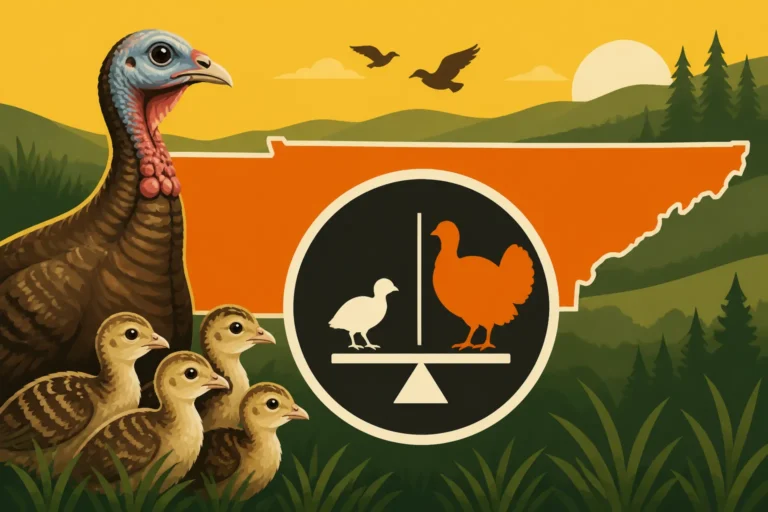
How Turkeys Were Restored to Tennessee
Imagine a Tennessee spring without the thrilling gobble of a wild turkey echoing through the hollows and across the ridges. For many years, that was the stark reality across much of our beautiful state. These magnificent birds, once abundant, had dwindled to alarming lows, leaving a quiet void in our forests and a ache in the hearts of hunters and conservationists alike. This comprehensive guide will take you on the incredible journey of how turkeys were not just saved but magnificently restored to Tennessee, highlighting the tireless efforts and innovative strategies that brought these iconic game birds back from the brink.
The Vanishing Gobblers: A Historical Look at Turkey Decline
It’s easy to take for granted the sight and sound of a wild turkey today, but it wasn’t always this way. For centuries, eastern wild turkeys thrived across Tennessee, an integral part of the ecosystem and a vital food source for native peoples and early settlers. Their numbers seemed limitless, and for a long time, the idea that they could ever disappear felt impossible.
Early Abundance and Unregulated Harvest
When European settlers first arrived in what would become Tennessee, wild turkeys were incredibly plentiful. Accounts from explorers and frontiersmen often described flocks numbering in the hundreds, making them a readily available resource. This abundance, unfortunately, led to a mindset of limitless supply. People hunted turkeys for sustenance, for sport, and eventually, for market. There were no seasons, no bag limits, and certainly no thoughts of conservation. A hunter could take as many birds as they could shoot or trap, and the sheer volume of turkeys made this practice incredibly effective in the short term. It wasn't uncommon for individuals to supply entire communities with wild game, including turkeys, often taking dozens in a single outing. This unregulated harvest, while understandable in a frontier economy, slowly but steadily chipped away at the population, especially around growing settlements.
Habitat Loss and Market Hunting's Impact
As Tennessee grew, so did the pressures on its wildlife. The landscape changed dramatically with widespread timber harvesting, clearing land for agriculture, and the expansion of towns and cities. This rapid habitat destruction removed the dense, diverse forests that turkeys relied on for food, cover, and nesting. Coupled with habitat loss, market hunting became a commercial enterprise. Turkeys were captured and shipped to burgeoning urban centers like Nashville, Memphis, and Knoxville, where demand for wild game was high. Professional market hunters, armed with advanced traps and firearms, could decimate local populations quickly, often wiping them out entirely from a region within a few years. By the early 20th century, wild turkeys were virtually extirpated from vast areas of Tennessee, clinging to existence only in the most remote pockets of the Appalachian Mountains and the rugged parts of the Cumberland Plateau. The future looked bleak, and many believed they were gone for good.
The Comeback Kid: Early Restoration Efforts and Key Strategies
The grim reality of vanishing wild turkeys spurred a dedicated group of conservationists, including those at the newly formed Tennessee Game and Fish Commission (the precursor to the Tennessee Wildlife Resources Agency, or TWRA), to action. They knew something had to be done, and quickly.
Trapping and Relocation: The Rocket Net Revolution
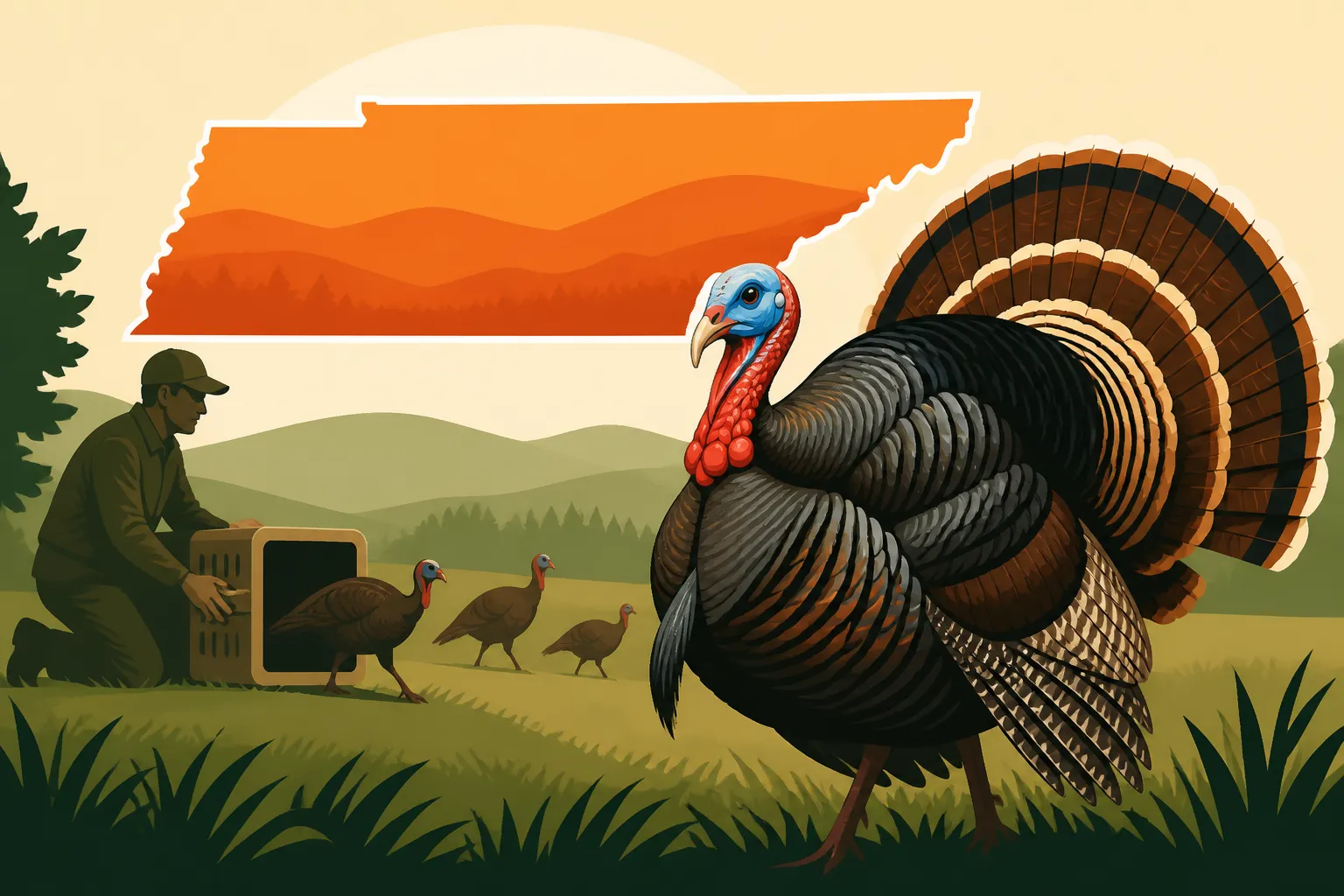
Initial attempts to restore turkeys involved releasing pen-reared birds, often raised in captivity. These efforts were, to put it mildly, a dismal failure. Pen-reared turkeys lacked the instincts, disease resistance, and wildness needed to survive and reproduce in the harsh, unpredictable natural environment. They were essentially domesticated birds set loose in the wilderness, and very few survived to establish viable populations. The breakthrough came with the development of wild-trapping techniques, particularly the rocket net in the 1950s. This revolutionary method allowed biologists to capture healthy, truly wild turkeys without harming them. The concept was brilliant: find areas where small, isolated populations of wild turkeys still existed (often in states like Alabama, South Carolina, or even within Tennessee's own rugged Cherokee National Forest), trap them, and then relocate them to suitable, but turkey-empty, habitats across the state. This strategy was a game-changer, relying on the inherent hardiness and adaptability of genuinely wild birds.
Strategic Stocking Across the State
With the ability to trap wild turkeys, the next challenge was deciding where to put them. The TWRA developed a meticulous plan for strategic stocking, carefully selecting release sites based on critical factors such as habitat quality, absence of existing turkey populations, and the potential for long-term population growth. Imagine the excitement and anticipation when biologists released a handful of wild birds into a promising new location, knowing these few could be the founders of a thriving new flock. These release sites were often on large public land tracts like the Cumberland Plateau, where forest cover was more intact, or in remote river bottoms.
The goal wasn't just to drop birds anywhere; it was to create self-sustaining populations that would eventually expand naturally. This was a long game, requiring patience and consistent effort. Biologists wouldn't just release birds once; they would often return to a site over several years to bolster the initial stocking, ensuring a strong genetic base and robust numbers. The commitment to this scientific approach, fueled by hunting license dollars, was the cornerstone of the turkey's eventual triumph. You can see how these efforts contributed to the Tennessee Turkey Population Trends we observe today.
Building a Foundation: Habitat Management and Partnerships
Bringing turkeys back wasn't just about moving birds around; it was about ensuring they had a place to call home—a place where they could thrive, raise broods, and expand their numbers. This required a monumental shift in how land was managed and a strong spirit of collaboration.
The Role of Forest Management and Private Landowners
Wild turkeys are generalists when it comes to habitat, but they need a diverse landscape. Mature hardwood forests provide crucial mast crops like acorns and beechnuts, vital for winter survival. Open areas, forest clearings, and young timber provide insects, seeds, and dense cover for nesting hens and vulnerable poults. Effective forest management, including selective timber harvesting, controlled burns, and planting diverse food sources, became essential tools. Without these efforts, even the most successful stocking programs would eventually falter.
Private landowners in Tennessee also played an absolutely critical role. With a vast majority of the state's land being privately owned, getting buy-in from farmers and private citizens was paramount. The TWRA worked tirelessly to educate landowners on best practices for turkey habitat, offering guidance on timber stand improvement, creating wildlife-friendly food plots, and protecting critical nesting areas. Many hunters and landowners, driven by their passion for wildlife, actively participated in these efforts, transforming their properties into sanctuaries for wild turkeys. These dedicated individuals often use resources like GoHunt to plan their seasons and understand population data, fostering a deeper connection to conservation efforts.
TWRA's Vision and Collaborative Programs
The vision for turkey restoration wasn't just a fleeting idea; it was a long-term commitment that required strategic planning and robust partnerships. The TWRA developed a comprehensive management plan that outlined goals for population growth, habitat improvement, and sustainable hunting. They partnered with federal agencies like the U.S. Forest Service, ensuring that large tracts of public land, such as the Cherokee National Forest, were managed with turkey habitat in mind.
Crucially, organizations like the National Wild Turkey Federation (NWTF) became indispensable partners. The NWTF, formed in 1973, dedicated itself exclusively to the conservation of the wild turkey and preservation of the hunting tradition. Their financial contributions, volunteer efforts, and advocacy were instrumental, often matching TWRA funds for habitat projects and public education. This collaborative spirit, where state agencies, federal partners, private landowners, and passionate conservation groups worked hand-in-hand, created an unstoppable force for wildlife recovery. The result is the thriving populations that make hunting in Tennessee such a rewarding experience, prompting hunters to consult tools that enhance their experience, like GoHunt for scouting and planning.
Measuring Success: Population Growth and Harvest Trends
The hard work, dedication, and scientific approach paid off in spades. What started as a desperate effort to save a vanishing species transformed into one of the greatest wildlife conservation success stories in North America.
Documenting the Rise: Population Estimates Over Decades
Monitoring turkey populations is a complex task, but biologists use various methods to estimate numbers, including gobbling counts, brood surveys (counting hens and their poults), and hunter harvest reports. From a mere handful of turkeys in the early 20th century and an estimated 14,000 birds in the early 1970s, Tennessee's wild turkey population exploded. By the early 2000s, estimates soared to over 250,000 birds, and today, they continue to be incredibly strong across the state. This remarkable rebound allowed the TWRA to expand hunting opportunities year after year, introducing seasons in counties that hadn't seen a wild turkey in generations. The population estimates reveal a success story almost unparalleled in modern wildlife management, truly a testament to sustained conservation efforts.
Here's a simplified look at the impressive population growth over time:
| Year | Estimated Turkey Population | Key Milestone/Event |
|---|---|---|
| 1900 | Near Extirpation (A Few Hundreds) | Widespread habitat loss & market hunting |
| 1950s | ~2,000-5,000 birds | Start of wild-trapping and relocation |
| 1970 | ~14,000 birds | NWTF founded; expanded restoration efforts |
| 1990 | ~100,000 birds | Statewide populations firmly established |
| 2000 | ~250,000+ birds | Hunting opportunities expanded significantly |
| Present | Strong, stable populations across all 95 counties | Ongoing management and habitat work |
Sustainable Hunting Seasons and Bag Limits
With booming turkey numbers, the TWRA could reintroduce and expand hunting seasons, a crucial component of wildlife management. Regulated hunting provides not only recreation but also vital funding through license sales and Pittman-Robertson excise taxes on hunting equipment. These funds are reinvested directly into conservation programs. The Tennessee Spring Turkey Season Rules have evolved significantly over the years, starting with very limited, often lottery-based, hunts in certain counties, to the statewide season we enjoy today.
The agency meticulously sets Tennessee Turkey Harvest Numbers and bag limits based on population data, ensuring that hunting remains sustainable and doesn't negatively impact the overall health of the flock. For instance, the general statewide bag limit is often two bearded turkeys, with specific rules about jakes versus mature gobblers. Hunters are also required to report their harvest, which helps biologists gather critical data to track population trends and adjust management strategies as needed. Understanding these regulations is key to responsible hunting, and many utilize online tools or apps like GoHunt to stay current on rules and regulations, ensuring they comply with all Tennessee Turkey Checking Requirements.
Ongoing Challenges and Future Outlook
While the restoration of wild turkeys in Tennessee is an undeniable success, the work of conservation is never truly finished. New challenges constantly emerge, requiring ongoing vigilance and adaptive management strategies to ensure these magnificent birds continue to thrive for generations to come.
Disease and Predation Pressures
Just like any wild animal population, turkeys face threats from disease and predation. Diseases such as avian pox and blackhead can impact local flocks, especially in areas of high density. While not typically a statewide crisis, localized outbreaks require monitoring and understanding. Predation is a constant factor, with coyotes, bobcats, raccoons, and even raptors taking a toll on nests, poults, and sometimes even adult birds. Nest Predation and Tennessee Turkey Hatches are particularly important factors in a population's annual recruitment. Biologists pay close attention to metrics like Poult-to-Hen Ratios and What They Mean to assess reproductive success and overall flock health. If these ratios drop too low, it can signal environmental stressors or increased predation pressure that might warrant further investigation or management adjustments. For hunters interested in understanding these dynamics on a local level, resources are available to help identify Where Tennessee Turkeys Are Densest and potential regional pressures.
Maintaining Habitat and Hunter Engagement
Perhaps the biggest ongoing challenge is maintaining high-quality turkey habitat in the face of continued development and changing land-use patterns. As Tennessee's population grows, pressure on wild spaces increases. The TWRA, along with partners like the NWTF, must continue to advocate for responsible land management, promote habitat improvement on private lands, and ensure public hunting lands remain vibrant and healthy ecosystems. This often involves active forest management, prescribed burning, and creating diverse food sources.
Just as vital is maintaining hunter engagement. Hunters are the primary funders of wildlife conservation in North America, and their continued participation in hunting activities, purchasing licenses and gear, is crucial. Educating new generations about ethical hunting, conservation, and the importance of healthy wildlife populations ensures that the legacy of turkey restoration continues. Without dedicated hunters, the financial and advocacy support for these vital programs would dwindle. Many experienced turkey hunters, always seeking new challenges, explore techniques like Run-and-Gun Turkey Tactics on Public Land to get closer to these wary birds, demonstrating their continued passion. Understanding where the Best Tennessee Counties for Turkeys are can also help in focusing conservation efforts and hunter education.
The story of the wild turkey in Tennessee is a powerful reminder that with dedicated effort, scientific management, and collaborative partnerships, even the most dire conservation challenges can be overcome. It's a legacy we should all be proud of, and one we must work tirelessly to protect for the future.
Disclaimer
Please remember that hunting regulations, seasons, and bag limits are subject to change. Always consult the latest Tennessee Wildlife Resources Agency (TWRA) regulations before heading afield. This content is for informational purposes and should not be considered legal or definitive guidance for hunting practices.