Tennessee Elk Herd Size Today
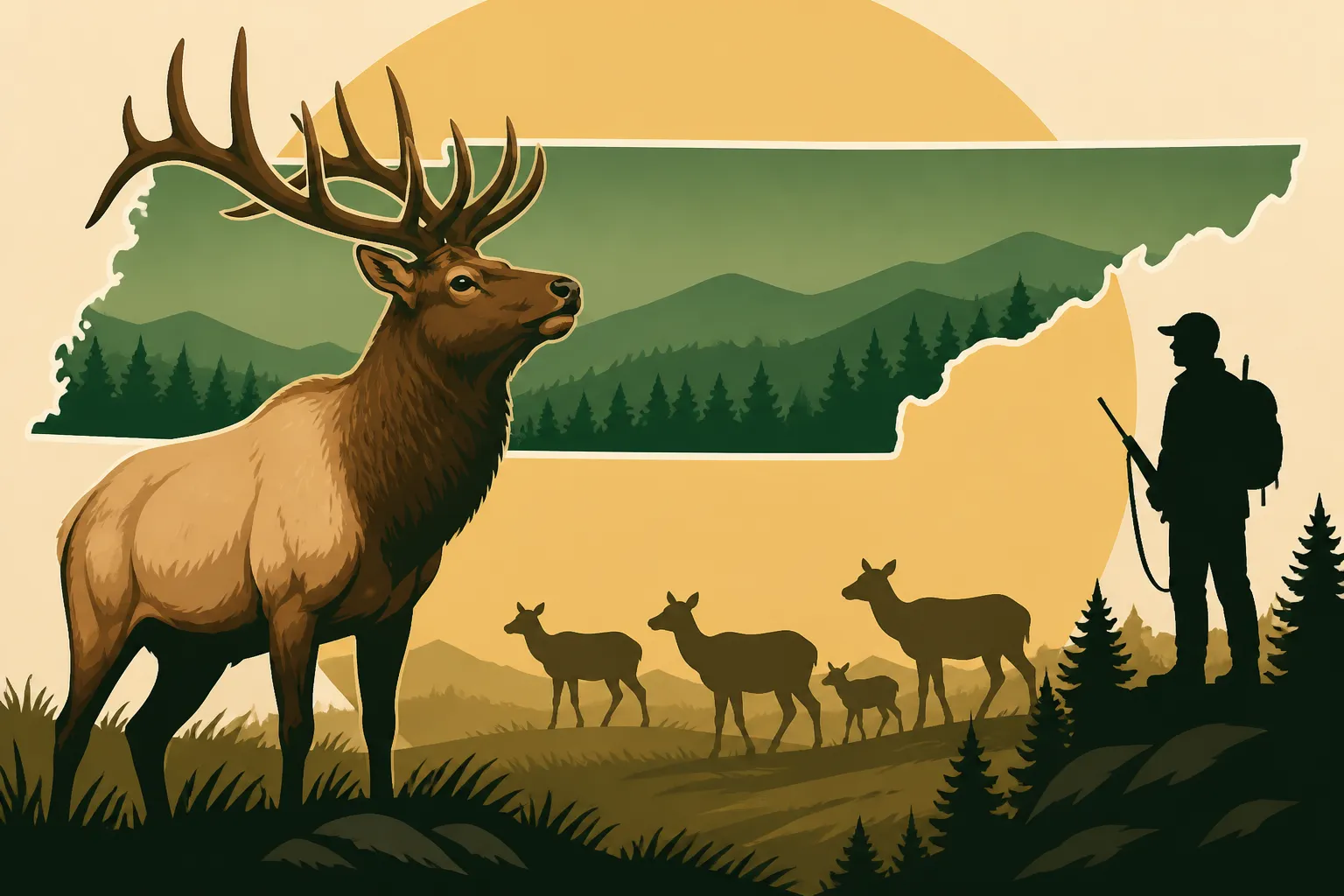
For generations, the thought of wild elk roaming Tennessee's rugged mountains was nothing more than a whisper of history, a wistful dream for hunters and conservationists alike. It’s hard to imagine these majestic animals once completely vanished from our landscape, leaving a void where their powerful bugles once echoed. But thanks to incredible dedication and tireless work, the dream became a reality. Now, as these magnificent creatures once again thrive in the Volunteer State, many wonder: just how many elk are there in Tennessee today, and what does that mean for their future and ours? This guide will dive deep into the current status of Tennessee's elk herd, exploring their numbers, habitat, and the ongoing efforts to ensure their continued success.
The Return of a Giant: A Brief History of Tennessee's Elk
The presence of elk in Tennessee today is nothing short of a conservation miracle. For centuries, these regal animals were an integral part of the Southern Appalachian ecosystem, a true symbol of the wilderness. However, the story took a dark turn with the arrival of European settlers and the relentless expansion that followed.
Why Elk Vanished from Tennessee
It’s a sobering thought, but Tennessee’s native elk population was completely wiped out by the mid-19th century. The reasons are a familiar, heartbreaking tale of unchecked exploitation and habitat destruction. Early settlers relied heavily on game for sustenance, and elk, being large and relatively easy to track, were a prime target. Market hunting, where animals were killed not just for food but for their hides and meat to sell, further decimated the herds. Imagine train cars filled with elk hides, destined for distant markets – it paints a vivid picture of the scale of the slaughter.
Beyond direct hunting pressure, the landscape itself underwent a dramatic transformation. Forests were cleared for farming, timber, and the burgeoning coal industry, fragmenting the vast, contiguous habitats that elk needed to thrive. Without adequate food, cover, and safe breeding grounds, even the most resilient populations couldn’t withstand the onslaught. By the time conservation efforts began to gain traction in the early 20th century, it was far too late for Tennessee's native elk; they were gone, leaving a profound silence in the woods where their bugles once resonated.
The Reintroduction Efforts: Bringing Them Home
The idea of bringing elk back to Tennessee wasn't just a romantic notion; it was a carefully planned, science-backed conservation initiative led by the Tennessee Wildlife Resources Agency (TWRA) and its partners. The project officially kicked off in 2000, with the ambitious goal of reestablishing a self-sustaining population in the state's northeastern corner. The North Cumberland Wildlife Management Area (WMA), a sprawling expanse of rugged mountains and reclaimed strip mines, was chosen as the ideal release site. Its mosaic of open grasslands, dense timber, and ample water sources mirrored the diverse habitats elk require.
The initial elk came from other successful reintroduction programs. Specifically, wild elk were captured in Elk Island National Park in Alberta, Canada, and later supplemented by animals from Kentucky’s thriving herd. These weren't just any elk; they were carefully selected for their health and genetic diversity to give the new Tennessee herd the best possible start. The first release, a truly historic moment, occurred in December 2000 when 49 elk stepped onto Tennessee soil after a long journey from Canada. Over the next few years, additional releases brought the total number of reintroduced animals to 201 by 2008. These initial efforts faced challenges, from adapting to a new environment to navigating human-wildlife conflicts, but the dedicated work of biologists and volunteers ensured the project's success. This monumental undertaking is a shining example of modern conservation, allowing future generations to witness the majesty of these creatures in their ancestral lands. You can learn more about how these animals were brought back in our deep dive into How North Cumberland Elk Were Reintroduced.
Understanding the Current Herd Size: Numbers and Estimates
So, after all that effort and hope, where do we stand today with Tennessee’s elk population? It's a question many hunters and wildlife enthusiasts frequently ask, and it's one the TWRA diligently works to answer.
Official Population Estimates and Methodology
Estimating the exact number of wild animals, especially those ranging across vast, rugged terrain like the North Cumberland, is never an exact science. However, the TWRA utilizes a combination of sophisticated techniques to arrive at reliable population estimates. While specific numbers fluctuate annually based on calving rates, mortality, and dispersal, the Tennessee elk herd is generally estimated to be in the range of 400-500 animals. This figure represents a healthy, growing population that has consistently expanded since its reintroduction.
The methodology behind these estimates is quite comprehensive. Biologists conduct regular aerial surveys, often utilizing helicopters to get a bird's-eye view of herd movements and concentrations, especially during winter months when elk are more visible against a sparse landscape. Ground observations, including tracking elk sign, locating calving areas, and direct sightings by staff and volunteers, also contribute significantly. Trail cameras deployed across the WMA provide invaluable data on individual elk, group sizes, and calf recruitment. The TWRA also monitors mortality rates, including those from limited hunting seasons, vehicle collisions, and natural causes, to get a clearer picture of the overall population dynamics. Combining all these data points allows biologists to model herd growth and provide the most accurate estimates possible for the Tennessee Elk Herd Size Today.
Factors Influencing Herd Growth and Stability
The growth and stability of Tennessee's elk herd are influenced by a complex interplay of environmental and biological factors, each playing a critical role in the population's trajectory. Understanding these dynamics is crucial for effective long-term management.
One of the most significant factors is calf recruitment rates. This refers to the number of calves born each year that survive to join the adult population. High calf survival indicates a healthy, reproductively successful herd. Good habitat, robust cows, and minimal disturbance during calving season all contribute to strong recruitment. While black bears and coyotes are present in the North Cumberland WMA, their impact on adult elk mortality is generally low, though they can occasionally prey on young calves.
Disease is another critical consideration. While Tennessee's elk herd has remained free of Chronic Wasting Disease (CWD) to date, ongoing monitoring is paramount, especially given the disease's presence in other cervid populations in the state. Other wildlife diseases can also impact herd health, making continuous surveillance by TWRA biologists essential.
The habitat quality and carrying capacity of the North Cumberland region are fundamental. Elk require ample forage, diverse plant life, and access to water, all provided by the mix of forested areas, clear-cuts, and reclaimed mine lands. As the herd grows, biologists must assess whether the available habitat can sustainably support increasing numbers without causing overgrazing or impacting other wildlife. The limited hunting opportunities are carefully designed to help manage the population within these carrying capacity limits, ensuring a healthy balance.
Here's a quick look at some key facts about Tennessee's elk herd:
| Feature | Details |
|---|---|
| Current Estimated Size | 400-500 individuals (fluctuates annually) |
| Primary Location | North Cumberland Wildlife Management Area (WMA) |
| Counties in Elk Zone | Scott, Campbell, Claiborne, Anderson, Morgan |
| Reintroduction Start | December 2000 |
| Total Reintroduced Elk | 201 (from Canada and Kentucky) |
| Annual Quota Hunt Tags | Approximately 19 (for bull and cow elk combined) |
| Management Goals | Maintain a healthy, self-sustaining population of 350-500 elk |
| Diet | Primarily grasses, forbs, shrubs, and tree bark |
Where the Elk Roam: The North Cumberland Wildlife Management Area
When we talk about Tennessee elk, we're talking about one specific, incredibly special place: the North Cumberland Wildlife Management Area (WMA). This vast, rugged expanse is the heart of Tennessee's elk restoration efforts and the exclusive home of the state's wild herd.
Geographic Boundaries of the Elk Restoration Zone
The North Cumberland WMA isn't just one big chunk of land; it's a sprawling, diverse region that encompasses parts of five distinct counties in northeastern Tennessee: Scott, Campbell, Claiborne, Anderson, and Morgan. Imagine hundreds of thousands of acres of mountains, valleys, and hollows, all connected by a network of forest roads and trails. Much of this land was historically impacted by surface mining, which ironically has contributed to the elk's success. The reclaimed mine lands often feature a mosaic of early successional plants, grasses, and legumes—perfect forage for grazing elk.
The terrain here is notoriously rugged, characterized by steep slopes, deep ravines, and mixed hardwood forests. This provides excellent cover for elk, allowing them to remain elusive and relatively undisturbed. However, this also means that locating them, whether for research or hunting, is a physically demanding endeavor. The North Cumberland WMA is a true wilderness experience, a place where you can genuinely feel a connection to Tennessee’s wild past. If you're looking to understand the specific areas, our guide to Tennessee's Ten Elk Hunt Zones provides a detailed breakdown.
Preferred Habitat and Movement Patterns
Elk in the North Cumberland WMA are masters of their environment, utilizing its varied landscape to meet their needs throughout the year. Their preferred habitat is a dynamic blend of open areas and dense cover. They are often found grazing in reclaimed strip mines, where grasses, clover, and other forbs flourish, providing abundant, high-quality forage. These open areas are critical for feeding, especially during dawn and dusk.
However, elk are also highly dependent on dense timber and thickets for security and thermal cover. During the heat of the day, or when pressured, they will retreat into the deep woods, often on steep, north-facing slopes, where they can bed down and remain hidden. These forested areas are also vital for shedding their velvet, rubbing their antlers, and finding escape routes.
Their movement patterns are influenced by season, food availability, and breeding cycles. In the fall, during the rut, bulls become much more vocal and active, moving between breeding groups. Learning to recognize and respond to their calls is key for anyone interested in Calling a North Cumberland Bull Elk. In winter, they may congregate in areas with available browse, often on south-facing slopes that receive more sunlight and have less snow accumulation. Hunters often use tools like GoHunt's mapping features to identify these habitat types and analyze terrain for potential elk movements, though it's still an immense challenge to pinpoint these nomadic giants. Understanding these patterns is a huge part of Scouting Tennessee Public Land Before Season for any big game.
Beyond the Numbers: Herd Health and Management Goals
While the growing numbers are certainly a reason to celebrate, the TWRA's work goes far beyond just counting elk. Maintaining a healthy herd and ensuring its long-term viability are paramount, involving meticulous monitoring and strategic planning.
Monitoring Health and Disease in the Herd
The health of Tennessee’s elk herd is continuously monitored by TWRA biologists, and for very good reason. With the threat of diseases like Chronic Wasting Disease (CWD) impacting deer populations in other parts of the state and neighboring regions, vigilance is key. Every harvested elk is subjected to CWD testing, and biologists also collect samples from any elk found deceased from other causes. This proactive approach helps ensure early detection should CWD ever appear in the herd, allowing for swift management actions.
Beyond CWD, biologists also monitor for other potential health issues, such as lungworm, liver flukes, or general signs of poor condition. They might dart and temporarily immobilize elk for closer examination, take blood samples, and fit them with GPS collars for tracking. These collars provide crucial insights into movement patterns, habitat use, and survival rates. Hunters also play a vital role here; reporting any elk that appears sick, emaciated, or exhibits unusual behavior to the TWRA is incredibly important for the overall health of the herd.
TWRA's Long-Term Management Objectives
The TWRA’s management objectives for the Tennessee elk herd are multi-faceted, aiming to balance ecological health with recreational opportunities. Primarily, the goal is to maintain a healthy, self-sustaining population within the North Cumberland WMA, typically targeting a population size of 350-500 animals. This range is considered optimal for the habitat's carrying capacity and helps minimize potential conflicts with human interests, such as crop damage on private lands.
Ensuring genetic diversity within the herd is another critical objective. A diverse gene pool helps protect against diseases and ensures the long-term adaptability of the population. The limited quota hunts are also a key management tool, carefully regulated to control herd growth, maintain a healthy bull-to-cow ratio, and ensure robust age structures within the herd. These hunts allow for selective harvest, contributing to the overall health and vigor of the population. The TWRA also works with various partners to improve habitat, conduct prescribed burns, and create new forage areas, all contributing to a thriving ecosystem for elk and other wildlife.
The Hunter's Perspective: Quota Hunts and Opportunity
For many, the idea of elk hunting in Tennessee is a powerful draw, a chance to pursue one of North America's most magnificent big game animals right in their home state. However, it's an opportunity that comes with incredible rarity and profound respect.
The Rarity and Value of a Tennessee Elk Tag
Let's be blunt: earning a Tennessee elk tag is incredibly difficult. With the herd size currently around 400-500 animals, the TWRA issues a very limited number of tags each year – typically around 19 permits total across all hunt types. This makes a Tennessee elk tag one of the most coveted and difficult-to-draw hunting permits in the entire country. The odds of drawing are exceedingly low, often in the realm of less than 1%. This extreme rarity elevates the value of each tag to something truly precious, a once-in-a-lifetime dream for many dedicated hunters.
The application process is handled through the TWRA's quota hunt system, and many hunters accumulate preference points year after year, hoping to increase their chances. This waiting game can be frustrating, but it underscores the commitment required to even have a shot at this unique opportunity. While GoHunt might provide some valuable insights into draw odds and land data, the sheer competition for these limited tags means it's still a long shot for even the most prepared applicants. Our detailed guide on Applying for a North Cumberland Elk Permit walks you through the entire process.
Hunting the Tennessee Elk Season
For those fortunate few who do draw a tag, the Tennessee elk season is an experience unlike any other. It’s not a "canned hunt" or a stroll in the park; it's a physically demanding, mentally challenging pursuit in some of the state's most rugged terrain. Whether you're Hunting the Archery-Only Elk Season or the Hunting the General Firearms Elk Season, success often hinges on preparation, perseverance, and a bit of luck.
Hunters spend countless hours scouting the vast expanses of the North Cumberland WMA, studying maps, and learning the nuances of elk behavior. The hunt itself can involve long, arduous hikes up steep mountainsides, navigating dense timber, and crossing treacherous ravines. Elk are intelligent and wary animals, making the pursuit a true test of a hunter’s skill. Success is hard-earned, and for those who punch their tag, the immense feeling of accomplishment and connection to the wild is profound. The memories forged during a Tennessee elk hunt, whether successful or not, are truly unforgettable, a testament to the incredible journey of these majestic animals back to the Volunteer State. If you're considering applying, our guide on Tennessee Elk Application Window Dates is a must-read.
Disclaimer
Please remember that hunting regulations, season dates, and license requirements can change. Always consult the official Tennessee Wildlife Resources Agency (TWRA) regulations before planning any hunting trip. This article is intended for informational purposes only and does not supersede state wildlife laws.