Tennessee’s Black Bear Population
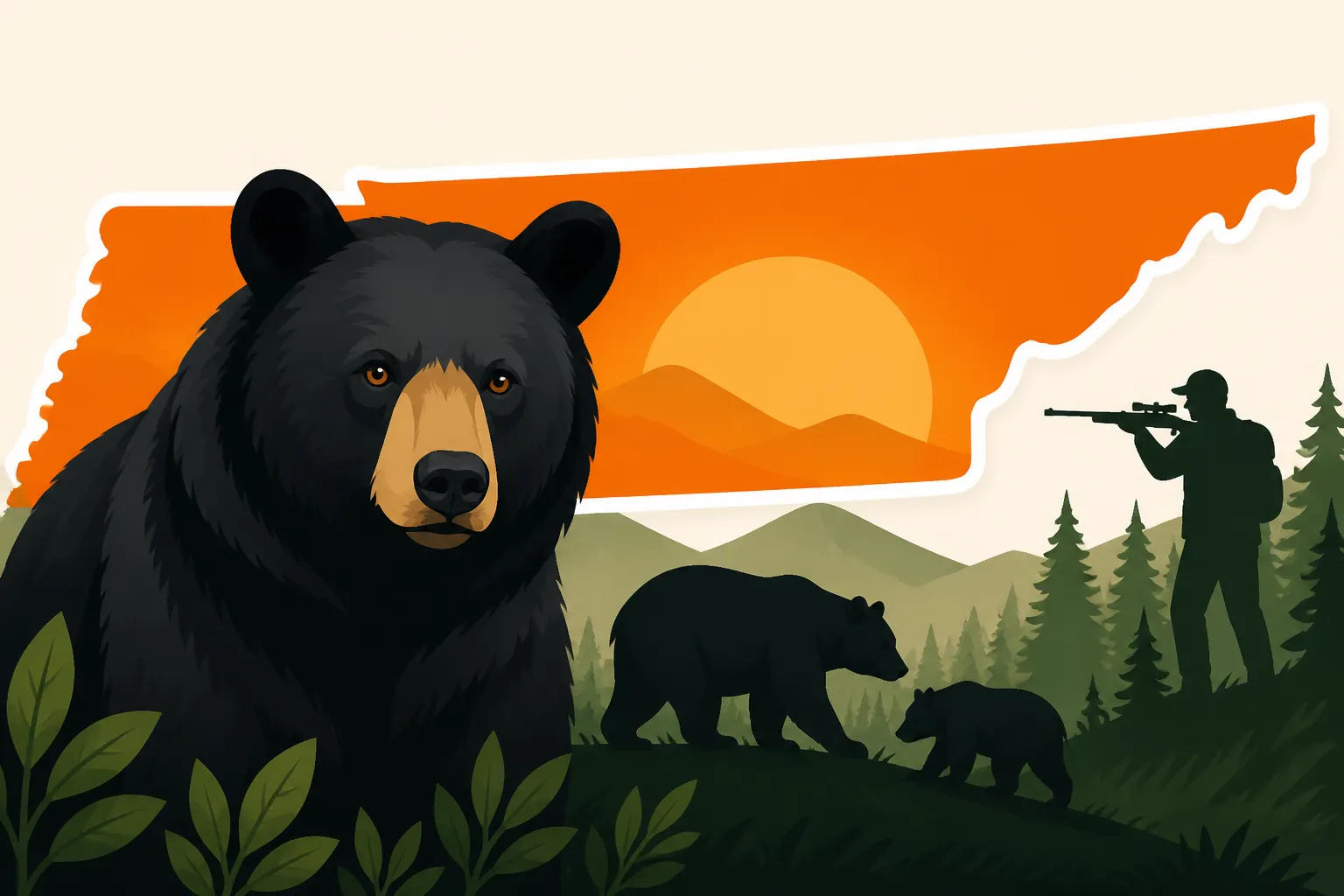
For many years, the idea of seeing a black bear outside of a zoo felt like a dream for most Tennesseans, a distant concept reserved for the truly wild corners of our state. But things have changed dramatically, and if you haven't been in the woods lately, you might be surprised at just how much. Bears are making a serious comeback, expanding their range, and becoming a more regular part of the wildlife landscape, bringing both excitement and new challenges for anyone who loves spending time outdoors here. This comprehensive guide is here to shed light on Tennessee's thriving black bear population, where they live, how they behave, and what it means for hunters and outdoor enthusiasts alike.
The Resurgence of Black Bears in Tennessee
It's hard to imagine, but Tennessee's black bear population was once teetering on the brink. Years of unregulated hunting and widespread habitat destruction pushed these magnificent animals into isolated pockets, primarily in the rugged mountains of East Tennessee. Fast forward to today, and the story is one of remarkable success, a true testament to dedicated conservation efforts and the resilience of wildlife. This resurgence isn't just a happy accident; it's the result of strategic planning and a shift in public perception.
From Near Extinction to Thriving Populations
Back in the early to mid-20th century, black bears were largely confined to the Great Smoky Mountains National Park and a few remote areas of the Cherokee National Forest. Their numbers were critically low, and many Tennesseans might have gone their entire lives without ever catching a glimpse of a wild bear. Over the decades, however, state wildlife agencies like the Tennessee Wildlife Resources Agency (TWRA) began implementing crucial conservation strategies. These included establishing hunting regulations, creating protected areas, and working to restore and connect bear habitats. Slowly but surely, the population began to stabilize and then grow. It wasn't an overnight fix; it took generations of dedicated effort, education, and community involvement to see the bears truly start to thrive again. Today, we're seeing bears not just surviving, but actively expanding their territories, moving into areas where they haven't been seen in over a century. It's a powerful reminder of what's possible when conservation becomes a priority.
Why Tennessee's Mountains Are Perfect Bear Habitat
If you've ever spent time in East Tennessee, particularly in places like the Cherokee National Forest, you quickly understand why it's prime bear country. The landscape is a mosaic of dense, mature hardwood forests, rugged ridges, and deep hollows, all crisscrossed by countless streams and rivers. This varied terrain provides everything a black bear needs: abundant natural food sources like acorns, hickory nuts, berries, and insects; plenty of cover for denning and escape; and crucial water sources. The sheer size of these vast forested tracts, especially along the Appalachian Mountain chain, allows bears to roam over large territories without constant human disturbance. These expansive, contiguous blocks of forest are vital for a healthy, expanding bear population, offering both sustenance and solitude. It’s this combination of diverse food, ample cover, and large, undisturbed areas that has allowed the Tennessee black bear population to not just recover but flourish, becoming a true icon of our state's wild places.
Understanding Current Population Estimates
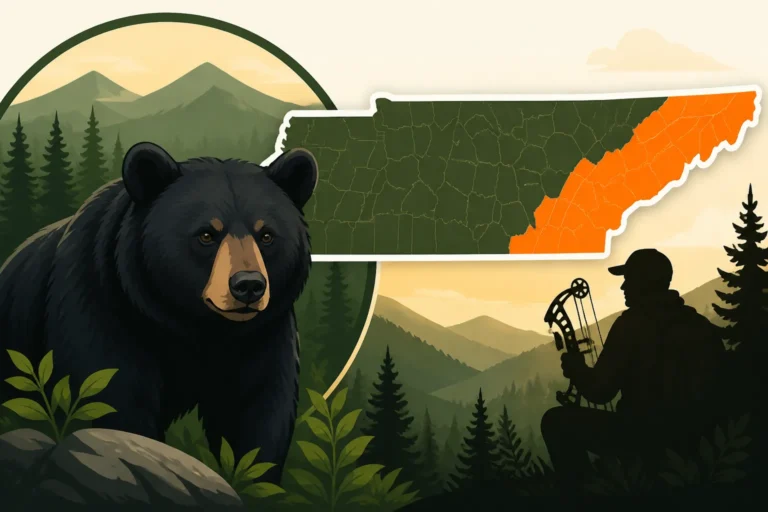
Trying to count bears in dense, mountainous terrain is no easy feat, but the TWRA uses a variety of methods to estimate the population and monitor its health. These methods include harvest data from regulated hunting seasons, genetic studies, hair snare surveys, and observations from field biologists. While an exact number is elusive, current estimates suggest a robust and growing population, primarily concentrated in the eastern third of the state. It's safe to say that there are several thousand black bears roaming Tennessee's forests today, a significant increase from historic lows. What's particularly exciting – and sometimes challenging – is observing the spread of these bears. They're not just increasing in density in their traditional strongholds; they are actively pioneering new territories, following river corridors and forested ridges further west. This expansion into areas like the Cumberland Plateau and even isolated pockets of Middle Tennessee is clear evidence of a healthy and dynamic population. Keeping tabs on these numbers helps the TWRA make informed decisions about management, ensuring the population remains sustainable for future generations while also addressing potential conflicts with humans.
Where Black Bears Call Home in Tennessee
When most people think of black bears in Tennessee, their minds immediately jump to the Great Smoky Mountains. And they wouldn't be wrong – that area is indeed a bastion for bears. But the reality is that Tennessee's black bear population has grown and spread far beyond those iconic peaks. Today, bears are establishing new territories and becoming a more common sight in areas that haven't hosted them in generations, making it critical for all outdoor enthusiasts to understand their expanding range.
The Great Smoky Mountains: A Bear Stronghold
The Great Smoky Mountains National Park is undeniably the heart of Tennessee's black bear country. With its vast, undeveloped wilderness, rich biodiversity, and strict protection, it provides an ideal sanctuary for these animals. The park alone is estimated to support a bear population density that's among the highest in the eastern United States. Here, bears are an integral part of the ecosystem, constantly seen foraging along roadsides, in campgrounds, and deep within the backcountry. For many visitors, a bear sighting in the Smokies is a highlight of their trip, a chance to connect with true wilderness. However, this high density also means that bears are accustomed to human presence, which can lead to conflicts if not managed carefully. The park's success in protecting and fostering this population has been a driving force behind the broader resurgence of bears throughout the region. Understanding how bears thrive here helps us appreciate the potential for their expansion into other suitable habitats.
Cherokee National Forest: Expanding Territories
Just outside the national park, the sprawling Cherokee National Forest forms another critical habitat for Tennessee's black bears. This vast public land, encompassing over 650,000 acres, offers a more dispersed, yet equally vital, home for bears. Unlike the national park, regulated hunting is permitted in the Cherokee National Forest, playing a role in the overall management of the bear population. The forest's diverse elevations, from river valleys to high mountain peaks, provide a wide array of food sources throughout the seasons. Bears here benefit from a mix of oak-hickory forests, which produce abundant mast crops, and dense rhododendron thickets, offering excellent cover. It's a prime example of where bears are not just holding their own but actively expanding. Hunters who venture into this beautiful landscape often encounter fresh sign, and the population here is robust enough to support opportunities for Bear Hunting Cherokee National Forest. Areas like the Unaka Mountains in the northern part of the forest and the rugged terrain of the southern unit are becoming increasingly popular for bear encounters, proving that the Cherokee is a true stronghold for these magnificent animals beyond just the national park. Tools like GoHunt can be invaluable for scouting these large public tracts, helping hunters identify key habitats and travel corridors that bears might utilize within the expansive forest.
Bears Venturing Beyond the Traditional Ranges
Perhaps the most compelling story of Tennessee's black bear population is their willingness to venture far beyond their traditional Appalachian strongholds. In recent years, sightings have become more frequent in the Cumberland Plateau region, pushing westward into counties like Fentress, Morgan, and Cumberland. These areas, characterized by their own unique blend of deep gorges, sandstone bluffs, and extensive mixed hardwood forests, offer suitable habitat for pioneering bears. Furthermore, there have even been confirmed sightings and occasional resident bears in unexpected places, reaching into the Highland Rim and even sparsely populated areas of Middle Tennessee. While these western populations are currently much smaller and more scattered, they represent a significant expansion of the bear's range, showing their adaptability and success. This means that outdoor enthusiasts, farmers, and even suburban residents in these new areas need to be aware of the possibility of encountering a bear and understand best practices for coexistence. This westward movement signals a healthy and expanding population, but also highlights the need for continued education and careful management as bears settle into new territories.
Black Bear Behavior and Ecology in Tennessee
Understanding how black bears live their lives in the wilds of Tennessee is key to appreciating their presence and ensuring safe interactions. These animals have fascinating seasonal rhythms, unique foraging strategies, and a strong maternal instinct that guides their lives in our diverse landscapes. Learning about their habits can help both hunters seeking to understand game movement and casual hikers hoping to avoid unwanted encounters.
Seasonal Movements and Denning Habits
Black bears in Tennessee, like their counterparts elsewhere, are highly attuned to the seasons. Their movements are largely dictated by the availability of food and the need for denning. In spring, after emerging from their dens, bears are often ravenously hungry and will seek out the first green vegetation, insects, and carrion. As summer progresses, they shift to berries, fruits, and soft mast. Fall is perhaps the most critical time, known as hyperphagia, where bears consume massive amounts of hard mast – acorns and hickory nuts being paramount – to pack on fat reserves for the winter. This is when they are most active and visible.
When the cold truly sets in, usually from late November through December, bears retreat to their dens. These dens can be anything from hollow logs, rock crevices, or thick brush piles to simply a shallow depression under a fallen tree. Contrary to popular belief, bears don't truly hibernate in the way smaller mammals do; they enter a state of torpor, where their metabolic rate slows significantly but they can still be roused. Females typically give birth to cubs in the warmth of the den during January or February, making it a critical, undisturbed period. Knowing these seasonal patterns is crucial for hunters during Tennessee's Three Bear Hunting Zones as bear movements will directly correlate with food availability and denning preparations.
Diet and Foraging Patterns in Appalachian Forests
Tennessee's Appalachian forests offer a veritable buffet for black bears, and their diet reflects the bounty of the seasons. Bears are omnivores, meaning they eat both plants and animals, and they are opportunistic feeders. In spring, they'll browse on tender grasses, ferns, and early buds. They're also adept at flipping rocks and logs to find grubs, ants, and other insects. As summer arrives, berries like blackberries, raspberries, and blueberries become a significant food source. Bears will spend hours stripping bushes clean to gain calories.
But it's the fall mast crop that truly defines a bear's annual cycle. Acorns, from various oak species, and hickory nuts are energy-rich foods that allow bears to put on the several inches of fat they need to survive the winter. A poor mast year can mean bears have to expand their search for food, potentially bringing them into closer contact with human-populated areas, or even impacting cub survival rates the following spring. Beyond natural vegetation, bears also occasionally prey on fawns, small mammals, or scavenge carrion. Their incredible sense of smell allows them to detect food from a great distance, which is why securing attractants around campsites and homes is so important to prevent human-bear conflicts.
Reproduction and Cub Rearing
The black bear's reproductive cycle is intimately tied to their denning behavior. Breeding typically occurs in late spring to early summer, but bears exhibit a fascinating biological process called delayed implantation. This means that after mating, the fertilized egg doesn't immediately implant in the uterus. Instead, it free-floats for several months, only implanting in late fall if the female has accumulated enough fat reserves to sustain herself and her cubs through the winter. This ensures that cubs are only born when the mother's body is robust enough to support them.
Cubs, typically two or three per litter, are born blind, hairless, and tiny – about the size of a squirrel – in the security of the den during January or February. They nurse throughout the winter, growing rapidly, and emerge with their mother in spring. A sow will fiercely protect her cubs, and they will stay with her for about 1.5 to 2 years, learning essential survival skills like foraging, climbing, and identifying threats. This extended maternal care is critical for the cubs' development. When the cubs are ready to disperse, usually in their second spring, the sow will separate from them, and they will go off to establish their own territories. Understanding Tennessee Bear Cub Survival Rates is a key part of the TWRA's population management, as it directly impacts the future health of the bear herd.
Living and Recreating with Tennessee Bears
As black bears continue their comeback and expand their range across Tennessee, encounters between humans and bears are naturally becoming more common. This isn't necessarily a bad thing, but it does mean that everyone who spends time outdoors, or even lives in bear country, needs to be informed and prepared. Coexisting with bears requires a shift in our habits and a commitment to responsible practices.
Minimizing Human-Bear Conflicts
The vast majority of human-bear conflicts stem from bears associating humans with food. Whether it's unsecured garbage, pet food left outdoors, bird feeders, or even accessible picnic coolers, bears are incredibly opportunistic and will quickly learn where to find an easy meal. This is where the saying "a fed bear is a dead bear" comes from – once bears become habituated to human food, they can lose their natural wariness, become bolder, and eventually pose a safety risk, often leading to their removal or euthanasia.
To minimize these conflicts, the TWRA and organizations like the National Park Service strongly advocate for "bear-smart" practices. This means properly storing all food and scented items in bear-resistant containers or vehicles, securing garbage cans, cleaning grills, and never intentionally feeding bears. Even something as seemingly innocent as a humming-bird feeder can attract bears. For those living in areas where bears are common, considering bear-resistant trash cans, like those offered by BearSaver, can be a game-changer. These preventative measures are the most effective way to ensure both human safety and the long-term well-being of Tennessee's black bear population, allowing bears to remain wild and forage naturally.
Bear Safety for Hikers and Campers
Heading into bear country for a hike or a camping trip is an exhilarating experience, but it requires a conscious approach to safety. The golden rule is to always make your presence known. This means hiking loudly, talking, or carrying a bell, especially in dense cover, to avoid surprising a bear. Most bears will try to avoid humans if they hear them coming. If you do encounter a bear, remain calm. Do not run, as this can trigger a chase instinct. Instead, make yourself look as large as possible by waving your arms, speaking in a firm voice, and slowly backing away.
When camping, food storage is paramount. All food, garbage, and scented items (like toiletries) should be stored in bear-resistant canisters, hung from a bear bag pole, or kept in a hard-sided vehicle well away from your tent. Never cook or eat in your tent, and keep a clean camp. Bear spray is also a highly effective deterrent and is recommended for anyone venturing deep into bear territory, particularly in the Cherokee National Forest or around the Smokies. Knowing how to use it safely and effectively is crucial. By following these simple guidelines, you can significantly reduce the risk of a negative bear encounter and enjoy Tennessee's wild places with confidence.
Understanding Bear Activity Around Developed Areas
The expansion of Tennessee's bear population means that bears are increasingly being seen not just in remote wilderness but also on the fringes of developed areas, agricultural lands, and even suburban neighborhoods. This can be startling for residents who aren't used to seeing such large wildlife. Often, these are young male bears dispersing to find new territories, or bears drawn to easy food sources like bird feeders, fruit trees, or unsecured pet food.
When bears venture into these areas, it's a clear sign that they are finding accessible food. The problem is, once a bear learns that houses mean food, it becomes a repeat visitor, increasing the potential for property damage or bolder behavior. The TWRA advises residents to remove all potential attractants, no matter how small. This includes taking in pet food bowls at night, removing bird feeders during bear season (spring through fall), harvesting ripe fruit from trees, and securing garbage. If a bear is sighted, residents should report it to the TWRA if it shows signs of aggression or isn't leaving the area. While a fleeting glimpse of a bear in your backyard can be thrilling, sustained activity around homes is a problem that requires immediate action to protect both the community and the bear. These situations highlight the importance of understanding Bear Encounters Around Smoky Mountain Cabins and applying those lessons to new areas.
Managing Tennessee's Bear Population
The successful resurgence of black bears in Tennessee is a triumph of conservation, but it also means that active and intelligent management is more important than ever. The Tennessee Wildlife Resources Agency (TWRA) is tasked with balancing the needs of a growing bear population with the interests of human communities, utilizing various tools from scientific research to regulated hunting. It's a complex endeavor that requires ongoing adaptation and public cooperation.
TWRA's Conservation Efforts and Monitoring
The TWRA's approach to black bear conservation is multifaceted, rooted in scientific data and long-term planning. A core component of their strategy involves monitoring the population closely. This includes analyzing harvest data from hunting seasons, which provides valuable insights into the age, sex, and health of the bear population. They also conduct research studies, often in collaboration with universities, to better understand bear movements, reproductive rates, and habitat use across different regions of the state.
Beyond monitoring, the TWRA actively works to enhance bear habitat where possible, often through partnerships with federal agencies on public lands like the Cherokee National Forest. They also play a crucial role in public education, informing residents and visitors about living and recreating safely in bear country. When conflicts arise, wildlife officers respond to incidents, working to mitigate problems and, when necessary, to haze or relocate bears that have become habituated to human food sources. These comprehensive efforts ensure that Tennessee's black bear population remains healthy and sustainable, while also addressing the challenges that come with a thriving predator population.
Bear Hunting as a Management Tool
Regulated bear hunting is a critical component of the TWRA's management strategy in Tennessee. For many, the idea of hunting bears might seem contradictory to conservation, but when managed properly, it serves several important purposes. First, it helps to control population numbers, especially in areas where bears might exceed the carrying capacity of the habitat or where human-bear conflicts are becoming more frequent. By allowing hunters to harvest a certain number of bears, primarily young males, the TWRA can maintain a healthy population density, preventing overpopulation that could lead to widespread disease or starvation.
Second, hunting helps to manage the spatial distribution of bears. By focusing harvest efforts in specific areas, the TWRA can influence where bears are more likely to thrive and where their numbers need to be kept in check. The revenue generated from hunting licenses and permits also directly funds conservation efforts, including bear research, habitat improvement, and enforcement. The TWRA carefully sets quotas and season dates, often using a tiered system based on population density and harvest objectives for Tennessee Bear Harvest Trends. For hunters, this means adhering to specific regulations, including carcass checking requirements, which contribute vital data for ongoing management decisions. GoHunt can be particularly useful for hunters, offering detailed maps of public hunting grounds and helping them understand terrain to optimize their bear hunting strategy.
Challenges of Living with a Growing Bear Population
While the growth of Tennessee's black bear population is largely a conservation success, it's not without its challenges. One of the primary difficulties is managing the increasing number of human-bear interactions. As bears expand into new territories, including areas with more human development, the potential for conflicts over food sources, property damage, and public safety increases. Farmers, in particular, can face challenges with bears damaging crops, beehives, or even livestock.
Another challenge is public perception. Not everyone is thrilled about having bears in their backyard or on their hiking trails, and misinformation or fear can lead to undue alarm or even illegal actions against bears. Education is key to overcoming this, helping people understand bear behavior and how to coexist safely. The TWRA also faces the ongoing challenge of securing adequate funding and resources to effectively monitor and manage a growing and expanding bear population across a diverse state. These challenges underscore the need for continuous public engagement, robust wildlife management programs, and a commitment to responsible practices from all residents and visitors to Tennessee's beautiful and wild landscapes.
Tennessee's Bear Hunting Zones Explained
For hunters interested in pursuing black bears in Tennessee, understanding the state's specific bear hunting zones is absolutely crucial. The Tennessee Wildlife Resources Agency (TWRA) divides the state into distinct zones, each with its own regulations, seasons, and management objectives. This tiered approach allows for localized management based on bear population densities, habitat characteristics, and conservation goals. Ignoring these zone distinctions can lead to frustration or, worse, legal issues.
Understanding Bear Zone One: Northeast Tennessee
Bear Zone One encompasses the northeastern corner of Tennessee, extending into the high-elevation counties like Johnson, Carter, Unicoi, and Greene, bordering North Carolina. This zone is characterized by rugged Appalachian terrain, large tracts of the Cherokee National Forest, and generally robust bear populations. Due to its dense bear numbers and extensive habitat, Zone One typically offers the longest and most liberal hunting seasons, often including both still-hunting and hunting with hounds. This area is a traditional stronghold for bear hunting in Tennessee, attracting many experienced hunters.
The management objective in Bear Zone One is often focused on maintaining a healthy population while allowing for a significant harvest. Hunters in this area need to be prepared for challenging mountainous terrain, often requiring considerable physical exertion. Success here often comes down to extensive scouting, understanding bear travel corridors along ridge lines and creek bottoms, and knowing late-season food sources. It's an exciting area to hunt, but demands preparation and a thorough understanding of the TWRA's specific regulations for Hunting Bear Zone One in Northeast Tennessee.
Navigating Bear Zone Two: Near the Smokies
Bear Zone Two is situated around the Great Smoky Mountains National Park, covering counties such as Sevier, Cocke, and parts of Blount and Monroe. While the national park itself is a sanctuary where hunting is prohibited, the surrounding public and private lands in Zone Two contain a healthy bear population that often spills out from the park boundaries. The management approach here is slightly different from Zone One. While still allowing for hunting, the seasons might be shorter or have more restrictive rules, particularly concerning the use of hounds, to account for the proximity to the park's protected areas and the higher potential for human-bear interaction.
Hunters in Bear Zone Two often focus on areas adjacent to the national park or in the lower elevations of the Cherokee National Forest, where bears are known to roam. These areas can be under pressure, so understanding specific local regulations, especially on Wildlife Management Areas (WMAs), is paramount. Tactics might involve focusing on natural food sources like mast crops or seeking out bedding areas. It's a zone that requires careful attention to boundary lines and an understanding of how Hunting Bear Zone Two Near the Smokies can be impacted by the constant flow of bears in and out of the park.
Hunting Bear Zone Three: South Cherokee
Bear Zone Three typically covers the southern portion of the Cherokee National Forest, extending into counties like Polk, Monroe, and McMinn, near the Georgia border. This zone also features extensive forested mountains and a healthy bear population, but its management objectives and hunting regulations often cater to a specific type of hunting, particularly with the emphasis on dog hunting. Zone Three is renowned for its opportunities for Running Hounds for Cherokee Forest Bears, with specific seasons and rules tailored for this traditional method.
This zone is managed to provide robust opportunities for hound hunters while still ensuring sustainable bear numbers. Regulations might differ significantly from Zone One and Two, so hunters must be extra vigilant in checking the current year's rules, as they can change annually. The terrain is rugged, similar to other parts of the Cherokee, offering dense cover and varied food sources. Successful hunting here often hinges on having well-trained dogs, a deep understanding of bear behavior in thick cover, and a willingness to navigate challenging topography. This zone truly embodies a unique facet of Tennessee's bear hunting culture, offering a distinct experience for those who choose to pursue bears with hounds.
| Bear Zone | Primary Location | Key Characteristics | Typical Hunting Season Length | Management Focus |
|---|---|---|---|---|
| Zone One | Northeast TN | Rugged Appalachia, large Cherokee NF tracts | Longer & more liberal | Population control, sustainable harvest |
| Zone Two | Near Great Smoky Mtns | Adjacent to National Park, high human-bear potential | Shorter/more restrictive | Population management, minimize conflicts |
| Zone Three | South Cherokee NF | Rugged mountains, traditional hound hunting focus | Specific hound seasons | Preserve traditional hunting, sustainable harvest |
Impacts and Future of Tennessee Bears
The return and expansion of Tennessee's black bear population is more than just a hunting story; it's a significant ecological event with wide-ranging implications for our state's biodiversity, land management, and the ways we interact with nature. As these magnificent animals continue to thrive, understanding their role and our responsibilities becomes increasingly important for both conservationists and outdoor enthusiasts.
Ecological Role of Black Bears
Black bears play a vital and often underappreciated role in the ecological health of Tennessee's forests. As large omnivores, they act as both predators and dispersers of seeds, directly influencing plant communities. By consuming vast quantities of berries and nuts, bears help to spread the seeds of these plants throughout their territories, aiding in forest regeneration and diversification. Their foraging for insects, grubs, and carrion also helps to recycle nutrients within the ecosystem.
Moreover, bears can influence the behavior and populations of other wildlife. While they are not primary predators of adult deer, they do occasionally prey on fawns, which can play a role in natural population dynamics. Their presence as a large predator also signifies a healthy, complex ecosystem capable of supporting top-tier wildlife. In essence, a thriving bear population is a strong indicator of a healthy, functioning forest environment. Their ecological footprint helps to maintain the balance and resilience of Tennessee's wild places.
The Future of Bear-Human Interactions
As bears continue to expand their range, the future will undoubtedly see an increase in bear-human interactions, particularly in new areas. This means that the emphasis on education and preventative measures will become even more critical. Communities in areas like the Cumberland Plateau or even parts of Middle Tennessee that have traditionally not seen bears will need to adapt, learning "bear-smart" practices that have long been standard in East Tennessee. This includes securing food sources, understanding bear behavior, and knowing who to contact (the TWRA) if a problem arises.
We can expect a continued focus on research to better understand bear movements into these new areas and to develop effective strategies for coexistence. This might involve more localized management, specific public land designations, and even innovative solutions for managing bears that become habituated to human food. The goal will always be to foster a healthy, wild bear population while minimizing risks and conflicts for human residents. It's a delicate balance, but one that is essential for the long-term success of Tennessee's black bear story.
What Hunters and Non-Hunters Can Do to Help
Whether you're an avid hunter who cherishes the opportunity to pursue bears or a non-hunter who simply appreciates the presence of these wild animals, everyone has a role to play in the continued success of Tennessee's black bear population. For hunters, this means adhering strictly to all TWRA regulations, reporting harvests accurately, and understanding the biological role that regulated hunting plays in conservation. It also means continuing to be ambassadors for responsible hunting and ethical wildlife management.
For non-hunters and residents living in or near bear country, the most important contribution is practicing bear-smart habits. This includes properly securing garbage, not leaving out pet food, and removing bird feeders during active bear seasons. Supporting organizations that focus on wildlife conservation and habitat preservation also helps. Even simply reporting bear sightings to the TWRA (especially if the bear is exhibiting unusual behavior or in a new area) provides valuable data. By working together, understanding our roles, and respecting these magnificent animals, we can ensure that black bears continue to thrive and enrich the natural heritage of Tennessee for generations to come.
Disclaimer
Please remember that hunting regulations and wildlife management strategies can change. Always consult the most current Tennessee Wildlife Resources Agency (TWRA) hunting guide and official resources before planning any hunting trip or engaging in activities in bear country. This guide is for informational purposes only and should not replace official state regulations.