Reporting a Poacher in Tennessee
It’s incredibly frustrating, isn't it? You spend countless hours scouting, learning regulations, and respecting the wildlife, only to encounter someone who blatantly disregards the rules, taking more than their share or hunting out of season. Poaching isn't just about breaking the law; it undermines conservation efforts, steals resources from ethical hunters, and can devastate local wildlife populations. This guide is here to empower you, providing clear, actionable steps on how to report a poacher in Tennessee and ensure our cherished natural heritage is protected for everyone.
Why Poaching Is More Than Just a Minor Infraction
When we talk about poaching, it’s easy to think of it as just a "bad hunt" or a simple mistake. But the reality is far more serious. Poaching is a crime that strikes at the very heart of wildlife conservation, impacting everything from animal populations to the public's perception of hunting. It's not just about one deer taken illegally; it's about a systemic disrespect for the resource we all share and work so hard to manage.
The Real Impact on Wildlife Populations and Management
Imagine the Tennessee Wildlife Resources Agency (TWRA) working tirelessly to manage deer herds, set sustainable limits, and ensure healthy populations. Every quota and season date is based on scientific data, herd health, and habitat capacity. When poachers operate, they essentially punch holes in that careful management plan. Taking deer outside of established seasons, exceeding bag limits, or using illegal methods can directly impact local herd dynamics. For instance, if several mature bucks are poached before the rut in a specific area, it can throw off breeding patterns and the age structure of the herd for years. The impact on more sensitive species, like the state's growing Tennessee's Black Bear Population, can be even more severe, especially if cubs are orphaned or breeding females are targeted.
Furthermore, poaching can exacerbate existing wildlife challenges. In areas dealing with Chronic Wasting Disease in Tennessee Deer, illegal carcass movement or unreported kills by poachers can unknowingly spread the disease to new areas, making containment and management incredibly difficult for the TWRA. This isn't just a localized problem; it threatens the entire deer herd and the future of hunting in Tennessee.
Undermining Ethical Hunters and Conservation Efforts
Every legal hunter in Tennessee contributes to conservation through their license fees, equipment purchases, and adherence to regulations. These funds directly support wildlife management, habitat restoration, and law enforcement. When someone poaches, they are not only stealing from the wildlife, but they are also stealing from every ethical hunter who pays their dues and follows the rules. It fosters resentment and can damage the public image of hunting, making it harder for conservationists to gain support for vital programs.
It’s disheartening to put in the time and effort, buying your Tennessee Hunting Licenses and What They Cost, completing your Tennessee Hunter Education Requirements, and then seeing someone cheat the system. It cheapens the experience for everyone and makes responsible hunters look bad by association. This is why reporting these incidents isn't just about enforcing the law; it's about protecting the integrity of hunting and ensuring the longevity of our wild places for generations to come.
How to Report a Poacher in Tennessee
So, you've witnessed something suspicious, or you have firsthand knowledge of poaching activity. What do you do? The most crucial step is to report it to the proper authorities without delay. The Tennessee Wildlife Resources Agency (TWRA) is the primary enforcement body for wildlife laws in our state, and they rely heavily on tips from concerned citizens and ethical hunters.
Contacting the Tennessee Wildlife Resources Agency (TWRA)
The TWRA provides several avenues for reporting violations, ensuring you can reach them quickly and efficiently. The faster you can get information to them, the better their chances of apprehending the suspect and collecting evidence.
The primary and most effective way to report a poacher is to contact the TWRA directly. They have a dedicated phone line for reporting violations, known as the Poacher Hotline, and district offices spread across the state.
- TWRA Poacher Hotline: For immediate reports, especially if an incident is in progress, call the statewide toll-free hotline at 1-800-255-TWRA (1-800-255-8972). This line is staffed by wildlife officers and is available 24/7.
- Local TWRA Offices: If the incident is not immediate but you have detailed information, you can contact your regional TWRA office directly. While the hotline is best for in-progress events, regional offices can take detailed reports and often have officers more familiar with specific local areas. You can find contact information for your regional office on the TWRA website.
- Online Reporting: The TWRA also offers an online violation report form on their website. This is a good option for non-emergency situations or if you prefer to submit a written account with greater detail, perhaps including photos or videos you've safely captured.
When you call or submit a report, try to have as much information as possible ready. Every detail helps law enforcement.
What Information to Gather Before Reporting
The more specific and accurate your report, the more effective the TWRA can be. Here’s a checklist of vital information to try and gather:
- Date and Time of Incident: When did you see or hear the activity? Was it during legal Tennessee Public Land Hunting Hours or on a Tennessee Sunday Hunting Rules restricted area?
- Location: Be as precise as possible. Street address, nearest cross street, county, specific public land names like a WMA or even GPS coordinates (which you might have readily available if you use a mapping app like GoHunt for your scouting).
- Description of Suspect(s): Number of people, physical descriptions (age, height, build, hair color), clothing, distinguishing features.
- Vehicle Information: Make, model, color, license plate number (this is extremely important!), any distinguishing features (dents, decals, custom parts).
- Type of Violation: What exactly happened? Was it spotlighting, hunting out of season, shooting from a road, illegal baiting, exceeding bag limits, or illegal Tennessee Legal Firearms for Deer Hunting?
- Game Species Involved: What animal(s) were illegally harvested or targeted?
- Evidence: Did you see a firearm, bow, or other hunting equipment? Did you see illegally taken game?
- Your Contact Information (Optional but Recommended): While you can remain anonymous, providing your contact details allows officers to follow up for clarification or additional information, which can be critical to a successful investigation. They will respect your privacy.
A note on safety: Never put yourself in danger to gather information. Your safety is paramount. If you witness an armed individual committing a felony, observe from a safe distance and report immediately. Do not confront them.
What Happens After You Report a Poacher
So you've made the call or submitted the form. Now what? The investigation process can sometimes feel slow or opaque, but rest assured, the TWRA takes these reports seriously. Understanding the general steps can help manage expectations.
The TWRA Investigation Process
Once your report is received, especially through the Poacher Hotline, it’s immediately relayed to wildlife officers in the relevant district. Here’s a general idea of how it unfolds:
- Initial Assessment: An officer will review the information. If it’s an in-progress violation or an immediate threat, they will prioritize a rapid response. For less urgent reports, they will factor it into their patrol routes and investigative planning.
- Field Investigation: Officers will visit the reported location, look for evidence, and potentially interview witnesses if contact information was provided. They might look for spent casings, tire tracks, game sign, or any other clues. Sometimes, a report provides enough information for an officer to know exactly who they need to talk to based on their local knowledge of repeat offenders.
- Surveillance and Follow-up: Depending on the severity and frequency of the reported activity, officers might conduct surveillance on the area or individuals. This could involve covert observation or setting up Trail Camera Rules on Tennessee Public Land to catch further illegal activity.
- Evidence Collection and Arrest: If enough evidence is gathered to support a violation, the officer can then issue a citation, make an arrest, or obtain a search warrant if necessary.
- Prosecution: Cases then proceed through the legal system. This often involves fines, license revocations, and in more serious cases, jail time. You can learn more about specific consequences in our guide to Tennessee Wildlife Violation Penalties.
It’s important to remember that not every report leads to an immediate arrest. Sometimes, your report might be one piece of a larger puzzle, contributing to an ongoing investigation or helping officers identify a pattern of behavior. Even if you don’t see immediate action, your information is valuable.
How Your Report Contributes to Enforcement
Every tip, no matter how small it seems, can be crucial. Imagine a scenario where a local officer has heard rumors of illegal baiting in a certain area, but can't pinpoint the exact location. Your detailed report, perhaps noting a specific tree stand location you spotted while using GoHunt to Scouting Tennessee Public Land Before Season, provides the missing piece they needed. Or perhaps you noticed a specific truck that seems to always be in the wrong place at the wrong time; your license plate number can tie that vehicle to multiple other reports.
The TWRA operates with limited resources, especially when it comes to covering the vast amount of How Many Acres of Public Land Tennessee Has and private property across the state. They rely on the eyes and ears of responsible citizens like you to be their force multipliers. Your willingness to report makes a tangible difference in their ability to protect Tennessee’s wildlife. Don't ever feel like your report isn't important enough; it always is.
Protecting Your Identity and Ensuring Your Safety
Reporting illegal activity, especially when it involves individuals who may be breaking the law, can feel intimidating. It’s natural to worry about your safety or privacy. The good news is that the TWRA has procedures in place to protect reporting parties.
Anonymity and Confidentiality
When you contact the TWRA Poacher Hotline or submit an online report, you generally have the option to remain anonymous. This means you do not have to provide your name or contact information. The TWRA understands the importance of this for many people and respects that choice.
If you choose to provide your contact information, officers will typically keep your identity confidential during the initial stages of an investigation. They are trained to protect sources and will only reveal your identity if absolutely necessary for legal proceedings (e.g., if you are called to testify in court) and usually only after consultation with you. Most poaching cases are resolved without the need for the reporting party to appear in court, especially if the evidence gathered by the officers is strong.
Staying Safe While Gathering Information
As mentioned before, your personal safety should always be your top priority. Poachers are breaking the law, and some may be involved in other illicit activities, so confrontation is never advisable.
Here are some safety tips:
- Maintain Distance: If you witness illegal activity, observe from a safe, discreet distance. Do not approach or confront the individuals.
- Do Not Engage: Avoid making eye contact or drawing attention to yourself. Pretend you haven't seen anything out of the ordinary.
- Prioritize Identification: Focus on gathering critical information like vehicle license plates, descriptions, and the exact location. This information can be observed without close interaction.
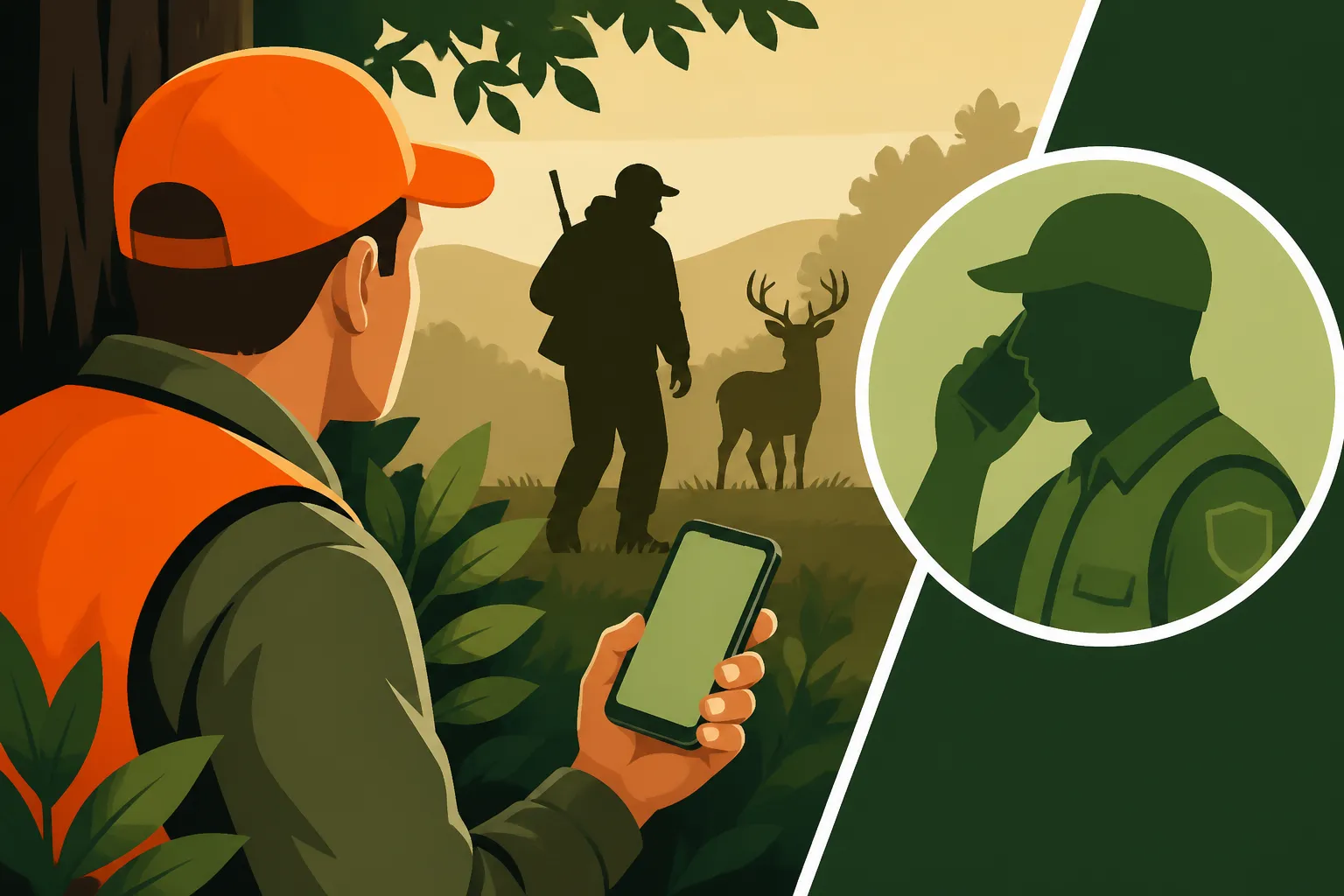
- Use Technology Wisely: If you can safely take a photo or video with your phone from a distance without being detected, that can be incredibly valuable evidence. However, do not risk being seen or escalating the situation for a picture.
- Report Immediately: The moment you are in a safe location, make the call. Don't wait. The fresher the information, the better.
- Trust Your Gut: If a situation feels unsafe, disengage and prioritize getting to a secure place before making your report.
Remember, your role is to observe and report, not to intervene or enforce. Leave the dangerous work to the trained wildlife officers.
Common Types of Poaching Incidents in Tennessee
Poaching can take many forms, from seemingly minor infractions to large-scale operations. Recognizing different types of illegal activities can help you identify a violation when you see one.
Hunting Out of Season or During Closed Hours
This is one of the most straightforward violations. Hunters who take game outside the designated Tennessee Archery Season Dates, Tennessee Muzzleloader Season Dates, or Tennessee Gun Season Dates are clearly poaching. This also includes hunting before sunrise or after sunset, outside of legal shooting hours. You might spot vehicles spotlighting fields at night, using powerful lights to freeze deer before shooting them, which is a serious felony. Sometimes, hunters simply can't resist taking an extra bird during Tennessee Spring Turkey Season Rules when they've already filled their Tennessee Statewide Turkey Bag Limit Rules.
You might also encounter individuals hunting without the proper licenses or permits, or those who are otherwise prohibited from hunting. While you can't always know someone's license status, if you see someone with a harvested animal outside of a legal season, it's a strong indicator of a violation.
Exceeding Bag Limits and Illegal Methods
Another common form of poaching is taking more animals than allowed by the bag limit. This could be an individual shooting multiple deer in a single day when the limit is one, or an entire group working together to harvest far more than their collective tags allow. These violations often happen on private land where enforcement might be less visible, but they still have a profound impact on local game populations.
Illegal methods can include:
- Spotlighting: Using artificial lights to locate and shoot animals, especially deer, at night.
- Hunting from a Vehicle: Shooting from a public road or highway, or using a vehicle to chase game.
- Illegal Baiting: Placing food or attractants to lure game for an easy shot, particularly for deer and bear, where specific baiting rules apply. For example, Tennessee has strict regulations about baiting near bear hunting zones.
- Hunting with Prohibited Weapons: Using firearms or ammunition not legal for a specific season or species. For example, using a rifle during archery-only season, or certain calibers.
- Harassing Wildlife: Chasing, hazing, or tormenting animals with vehicles or dogs outside of legal hunting or training contexts.
Waste of Game and Failure to Report
Sometimes, poachers aren't even interested in the meat; they might just be after a trophy rack, leaving the rest of the animal to rot. This is known as "waste of game" and is a serious violation. Ethical hunters pride themselves on utilizing as much of the animal as possible, and wasting game is an affront to their principles.
Another violation related to poaching is the failure to properly Tennessee Deer Harvest Reporting Rules. Every legally harvested deer in Tennessee must be reported to the TWRA. Poachers, naturally, are unlikely to report their illegal kills, making it harder for the TWRA to track harvest data and manage populations effectively. If you see someone with a deer and know they won't report it, or they are trying to hide it, that's grounds for suspicion.
By understanding these common scenarios, you're better equipped to identify and report activities that threaten our state's wildlife.
| Violation Type | Key Indicators | Best Reporting Method | Information to Prioritize (If Safe) |
|---|---|---|---|
| Hunting Out of Season | Animals harvested when no season is open; hunting after dark. | TWRA Hotline (1-800-255-8972) | Date, time, precise location, vehicle (license plate!), description of individuals. |
| Exceeding Bag Limits | Multiple animals, especially deer or turkey, with no valid explanation. | TWRA Hotline / Regional Office | Number of animals, location, vehicle, individuals involved. |
| Spotlighting | Bright lights sweeping fields/woods at night, followed by shots. | TWRA Hotline (Immediate!) | Vehicle description (make, model, color, license plate), direction of travel, location. |
| Hunting with Illegal Gear/Method | Use of rifles during archery season, shooting from road, illegal bait. | TWRA Hotline / Regional Office | Method observed, specific location, description of gear, vehicle details. |
| Waste of Game | Carcass found with only antlers removed; unexplained dead game. | Regional Office / Online Form | Location of carcass, date found, photos if possible, any related vehicle/person info. |
| Failure to Report Harvest | Hunter attempting to conceal kill, suspicion of unreported game. | Regional Office / Online Form | Hunter description, location, type of game, any known details of non-reporting. |
Disclaimer
The information provided in this guide is for informational purposes only and is not intended as legal advice. Wildlife laws and regulations can change, so it's essential to always consult the most current Tennessee Wildlife Resources Agency (TWRA) regulations or contact the TWRA directly for the most up-to-date and specific legal information. Always prioritize your safety when observing or reporting potential violations.