Tennessee Military Hunting License Discounts
It’s a tough pill to swallow when you’re already dedicating your life to service, only to face hefty hunting license fees, especially when trying to enjoy the outdoors you’re fighting to protect. Many military personnel, whether active duty, veterans, or those with service-connected disabilities, often wonder if their sacrifice translates into any relief when it comes to pursuing their passion for hunting in a state like Tennessee. This guide is here to cut through the confusion and lay out exactly what military hunting license discounts are available in the Volunteer State, helping you stretch your hard-earned dollar further.
Understanding Tennessee's Commitment to Service Members and Veterans
Tennessee has a deep-rooted respect for its military members and veterans. This isn't just lip service; it's often reflected in various state programs, including those managed by the Tennessee Wildlife Resources Agency (TWRA). The state recognizes that hunting isn't just a hobby for many who serve; it's a way to connect with nature, de-stress, and maintain a vital link to home and tradition. The financial burden of licenses and permits can be significant, particularly for those on fixed incomes or managing the unique challenges that come with military service and post-service life. That’s why these discounts aren't just about saving money; they're about acknowledging the profound contributions made by these individuals. It's a small way to say "thank you" for protecting our freedoms, including the freedom to enjoy our incredible hunting heritage right here in Tennessee.
Why Military Discounts Matter to Hunters
Beyond the financial relief, military discounts carry a significant symbolic weight. For many veterans, the act of hunting can be a powerful therapeutic experience, offering solitude, focus, and a reconnection with fundamental aspects of life. It’s a chance to escape the daily grind, whatever that may look like for a service member or veteran. The ability to affordably access these opportunities can make a real difference in their quality of life. Imagine a combat veteran finding peace in a quiet treestand overlooking a frosty Tennessee ridge, or a young active-duty member introducing their child to the tradition of hunting without breaking the bank. These aren't just theoretical scenarios; they're real-life impacts. When states like Tennessee offer these incentives, they're investing not just in wildlife conservation, but in the well-being of the people who defend our nation.
Who Qualifies as Military in Tennessee Hunting Regulations
When we talk about "military" in the context of Tennessee hunting licenses, it's important to understand the distinctions that the TWRA makes. Generally, this encompasses several groups: active-duty personnel, retired military, and veterans, with specific emphasis often placed on disabled veterans, Purple Heart recipients, and former prisoners of war (POWs). The exact benefits and requirements can vary depending on your status and whether you're considered a resident or non-resident of Tennessee. It’s not a one-size-fits-all situation, and understanding your specific classification is the first step toward claiming any available discounts. For example, active-duty military personnel stationed in Tennessee typically qualify for resident rates on general licenses, which is already a significant saving over non-resident fees, even if there isn't a separate "military discount" on top of the resident rate for basic licenses.
Specific Tennessee Hunting License Discounts for Military Personnel
Tennessee offers some excellent benefits, particularly for disabled veterans and specific other categories of service members. It’s not always a blanket discount for every single license type, but the key categories often see substantial reductions or even exemptions. Let's break down the most common and impactful discounts you should be aware of.
Discounts for Resident Disabled Veterans
This is where Tennessee truly shines in its support. Resident veterans with a service-connected disability of 30% or more are eligible for significantly reduced hunting and fishing licenses.
Specifically, a Permanent Annual Hunting and Fishing License (Type 166) is available for a very nominal fee. This license is truly a game-changer, covering almost all hunting and fishing in Tennessee, including big game, waterfowl, and even trout, without requiring additional stamps or permits that others have to buy. It's an incredible value, essentially bundling everything into one affordable package. To qualify, you’ll need proof of your service-connected disability rating from the Department of Veterans Affairs.
| Military Status | License Type Offered | Cost (Approximate) | Covered Activities | Eligibility Documentation |
|---|---|---|---|---|
| Resident Disabled Veteran (30%+ SC) | Permanent Annual Hunting & Fishing (Type 166) | $10 (approx.) | All hunting & fishing (incl. big game, waterfowl, trout) | VA letter verifying 30% or more service-connected disability |
| Resident POW/Purple Heart Recipient | Permanent Annual Hunting & Fishing (Type 166) | $10 (approx.) | All hunting & fishing (incl. big game, waterfowl, trout) | Official documentation of POW status or Purple Heart |
| Active Duty Military (Resident) | Standard Resident Licenses (e.g., Type 001, Type 004) | Standard Resident | Based on specific license | Proof of Tennessee residency & active duty status |
| Active Duty Military (Non-Resident) | Standard Non-Resident Licenses | Standard Non-Resident | Based on specific license | Proof of active duty status (no specific discount on non-resident base license) |
| Non-Resident Military (Leave) | 7-Day All Game Hunting (Type 074) | $50 (approx.) | Hunting of all game (excluding deer, bear, elk, turkey, waterfowl) | Valid military ID & leave papers |
Note: Costs are approximate and subject to change by TWRA. Always verify current fees.
Benefits for Prisoners of War and Purple Heart Recipients
Similar to disabled veterans, Tennessee extends significant gratitude to former Prisoners of War (POWs) and recipients of the Purple Heart. If you’ve endured the unimaginable hardship of being a POW or have been wounded in combat and awarded the Purple Heart, you are also eligible for that same Permanent Annual Hunting and Fishing License (Type 166) at the same deeply discounted rate. This recognition ensures that those who have made such profound sacrifices are not burdened by licensing costs when they seek the therapeutic and recreational benefits of hunting and fishing. It's crucial to have official documentation to prove your status, whether it's a VA letter, military orders, or other recognized forms of proof. This allows these heroes to enjoy the full range of hunting opportunities, from Bowhunting Tennessee's Long Archery Season to Tennessee's Gun Deer Season Into January, without added financial stress.
What About Active Duty and Other Veterans?
For active-duty military personnel who are Tennessee residents, you’ll generally purchase standard resident licenses. While there isn't an additional specific military discount on top of the resident rate for basic licenses like the Annual Hunting and Fishing (Type 001) or Big Game (Type 004), the resident rate itself is a significant advantage over what non-residents pay. If you're active duty but stationed outside of Tennessee, you might still qualify for resident rates if Tennessee is your home of record. This is a common point of confusion, so always be prepared to show documentation proving your Tennessee residency.
Non-resident active-duty military personnel typically pay the standard non-resident fees. However, there is one notable exception: a special Nonresident 7-Day All Game Hunting (Type 074) license is available at a reduced rate for non-resident military personnel on leave, provided they have valid military ID and leave papers. This particular license covers most small game and some general hunting but typically excludes big game like deer, bear, elk, or turkey, and migratory birds like waterfowl. It’s a helpful option for a quick trip home or a visit during a short leave. For more extensive hunting trips, like Spring Turkey Hunting in Tennessee or Muzzleloader Deer Hunting in Tennessee, a full non-resident license would likely be required.
How to Apply for Military Discounts on Tennessee Hunting Licenses
Navigating government paperwork can feel like a hunt in itself, but securing your military hunting license discount in Tennessee is a straightforward process once you know the steps and what documentation you'll need. The key is being prepared and understanding where to submit your application.
Required Documentation for Eligibility
The specific documents you'll need will depend on your military status.
-
For Resident Disabled Veterans (30% or more service-connected disability), POWs, and Purple Heart Recipients:
- Proof of Tennessee Residency: A valid Tennessee driver’s license or state ID card is usually sufficient.
- Proof of Disability/Status: This is the most critical piece. You’ll need an official letter from the Department of Veterans Affairs (VA) clearly stating your service-connected disability rating (30% or greater). For POWs, documentation confirming your status as a former prisoner of war. For Purple Heart recipients, official military records or citations verifying the award.
- Social Security Number: Required for all license applications.
-
For Active Duty Military (Tennessee Resident):
- Proof of Tennessee Residency: Valid TN driver’s license/ID or other official documents showing Tennessee as your home of record.
- Proof of Active Duty Status: Your military ID card.
- Social Security Number: For license application.
-
For Non-Resident Military (using the 7-Day All Game on Leave license):
- Valid Military ID Card.
- Official Leave Papers: Documentation proving you are currently on leave.
- Social Security Number: For license application.
Always ensure your documentation is current and easily verifiable. If you have any doubts, it's always best to contact the TWRA directly to confirm what's needed.
The Application Process: Online, In-Person, and By Mail
Tennessee offers several convenient ways to apply for hunting licenses, including those with military discounts.
- Online via Go Outdoors Tennessee: This is increasingly the most popular method for many hunters. The TWRA's "Go Outdoors Tennessee" portal allows you to purchase most licenses, and often, upload required documentation for special permits like the disabled veteran license. You'll create an account, select the appropriate license (e.g., the Type 166 for disabled veterans), and follow the prompts to either upload your VA letter or indicate you will submit it separately. Even for non-military licenses, this platform is your go-to for all things licensing, from purchasing your Tennessee Hunting Licenses and What They Cost to reporting harvests.
- In-Person at License Agents: You can visit any authorized Tennessee hunting and fishing license agent, such as a sporting goods store, bait shop, or even some county clerks' offices. Bring all your required documentation with you. The agent can help you fill out the application and submit the necessary paperwork. This is often a good option if you have questions or prefer a face-to-face interaction.
- TWRA Regional Offices: Each of the four TWRA regional offices can also process your application. This can be a reliable option, especially for more complex cases or if you need to speak directly with TWRA staff about specific eligibility concerns.
- By Mail: For some specific licenses or if you prefer, you can print an application from the TWRA website, fill it out, include copies of all required documentation, and mail it to the TWRA headquarters. Always make sure to send copies, not original documents, and allow ample time for processing before your planned hunt.
No matter which method you choose, double-check all your information before submitting. Errors or missing documents can delay your ability to get out into the field.
Important Considerations and FAQs for Military Hunters in Tennessee
Getting your license is a big step, but there are always additional questions that pop up, especially when navigating hunting regulations as a military member or veteran. Let's cover some common scenarios and other crucial information to ensure your Tennessee hunting experience is smooth and enjoyable.
Stationed Out of State: Maintaining Tennessee Residency
If you're an active-duty military member who considers Tennessee your home but you're currently stationed elsewhere, you can often still maintain your Tennessee residency for licensing purposes. This is a huge benefit, as resident licenses are significantly cheaper than non-resident ones. To prove your residency, you'll generally need a valid Tennessee driver's license, evidence of voter registration in Tennessee, or other official documents that show Tennessee as your permanent home of record. Your military ID and current orders can help supplement this. It’s always wise to confirm with the TWRA if you’re unsure about your specific situation, as residency rules can sometimes be nuanced. Don't assume; verify to avoid any issues down the road.
What About Family Members?
Unfortunately, Tennessee's military discounts generally apply only to the service member or veteran themselves, not their spouses or dependents. Family members will typically need to purchase the appropriate Tennessee Resident Hunting License Options or Tennessee Nonresident Hunting License Options based on their own residency status. However, there are still ways to get children involved affordably, such as the Tennessee Apprentice Hunter License Rules or youth licenses, which are often priced lower to encourage new generations of hunters. If your family enjoys hunting together, exploring these general youth options can help reduce overall costs.
Combined Hunting Opportunities
Tennessee offers an incredible diversity of hunting opportunities, and often, military discounts can open doors to more of them. For instance, that Permanent Annual Hunting and Fishing License for disabled veterans isn't just for deer. It covers almost everything from White-Tailed Deer Across Tennessee to small game, and even migratory birds like ducks if you also hold a valid Federal Duck Stamp and HIP certification. This means you can truly maximize your time afield, exploring various seasons and species without having to constantly buy new tags or permits. Before heading out, make sure you understand the specific rules for the species you're pursuing. Tools like GoHunt can be invaluable for identifying prime hunting spots across various terrains, from Hunting the Cumberland Plateau to Hunting West Tennessee Bottomland, and understanding the different regulations that might apply.
CWD Zones and Other Regulations
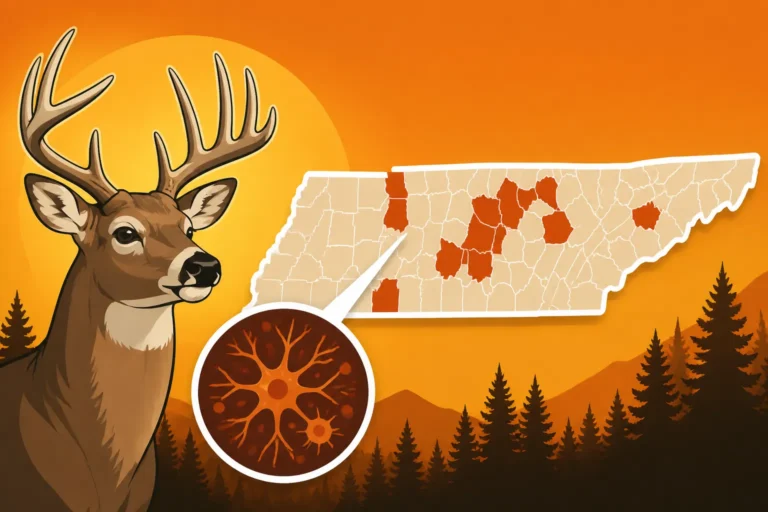
All hunters in Tennessee, including military members and veterans, must adhere to all state hunting regulations, including those concerning Chronic Wasting Disease (CWD). If you plan to hunt in one of Tennessee's Tennessee's Chronic Wasting Disease Management Zone counties, be aware of the specific carcass movement restrictions and mandatory CWD testing requirements. These rules are in place to protect the health of Tennessee’s deer herd, and compliance is non-negotiable. Additionally, don't forget to check specific rules for certain Wildlife Management Areas (WMAs). Some WMAs might have different season dates, bag limits, or require special permits, even if your general license covers the activity. Using resources like the Go Outdoors Tennessee map tool can help you identify these specific regulations and boundaries before you ever set foot in the field, making your hunt planning much smoother and compliant.
Disclaimer
The information provided in this guide is for general informational purposes only and does not constitute legal advice. Hunting regulations, license fees, and eligibility requirements are subject to change by the Tennessee Wildlife Resources Agency (TWRA). Hunters are solely responsible for understanding and complying with all current state and federal hunting laws. Always verify the most up-to-date information directly with the TWRA before planning any hunting trip.