Tennessee Grouse Season Status
For years, the distinct drumming of a ruffed grouse echoing through the Appalachian foothills or across the Cumberland Plateau was a sound that sent shivers of anticipation down the spine of many an upland bird hunter in Tennessee. But lately, that thrilling sound has become all too rare, leaving many of us scratching our heads and wondering, "What exactly is the deal with grouse season in Tennessee these days?" This guide is here to cut through the confusion, clearly state the current status of ruffed grouse hunting in our state, and delve into the critical factors that have led us to this challenging point.
Understanding the Current Status of Ruffed Grouse Season in Tennessee
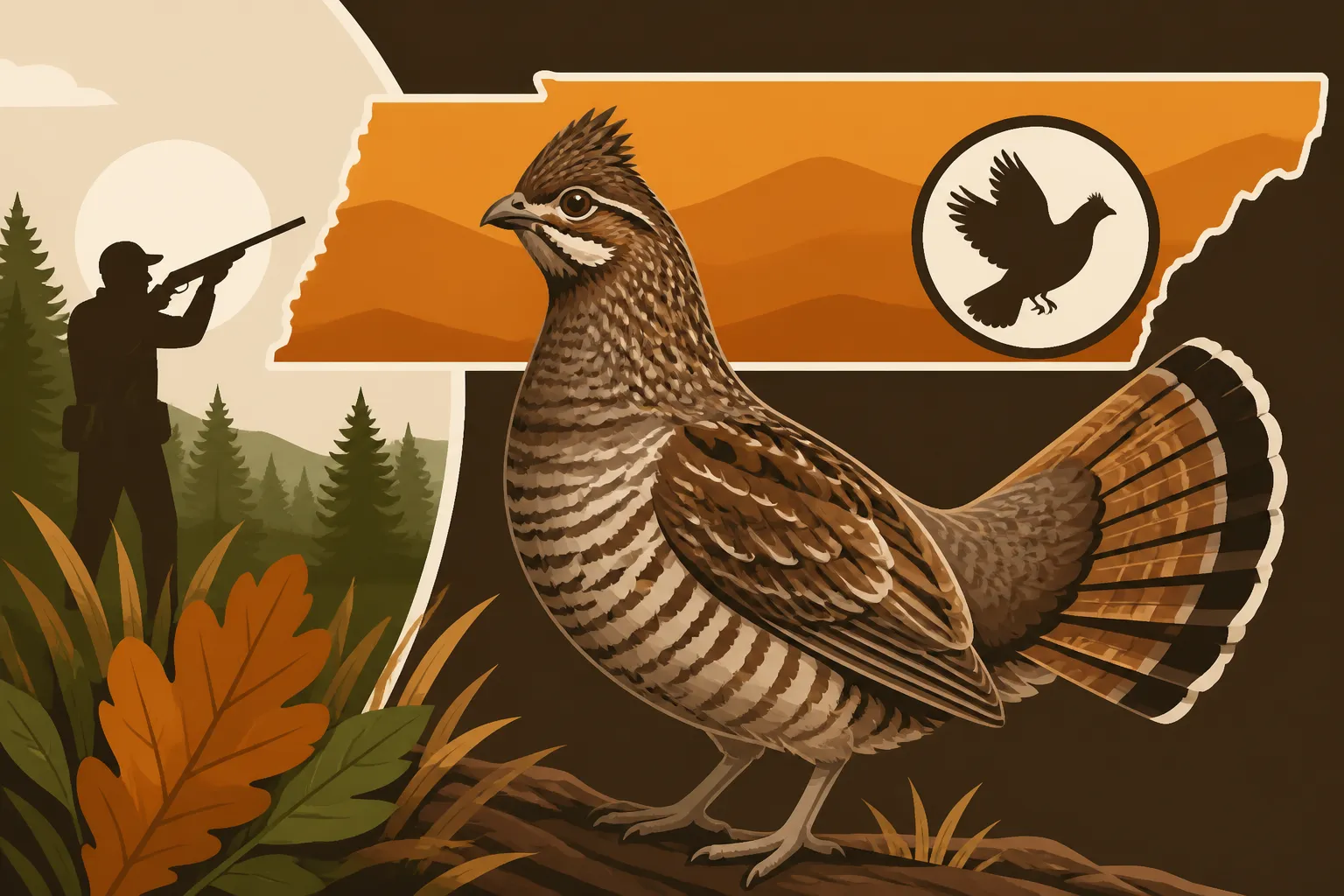
Let's get straight to the point, because for anyone hoping to chase these magnificent birds, this is the most crucial piece of information: The ruffed grouse season in Tennessee is currently closed statewide. That's right, as of the 2021-2022 hunting season, the Tennessee Wildlife Resources Agency (TWRA) made the difficult but necessary decision to implement a complete, statewide closure on ruffed grouse hunting.
This wasn't a snap decision, but rather the culmination of years of data showing a significant and concerning decline in grouse populations across their traditional range within our state. For a period leading up to the full closure, the season had already been severely restricted, limited to only a small portion of the Cherokee National Forest and for very short periods, with minimal bag limits. Those highly restricted seasons were a clear warning sign, and now, for the foreseeable future, Tennessee hunters cannot legally pursue ruffed grouse anywhere in the state.
The news is certainly a tough pill to swallow for those of us who cherish the tradition of grouse hunting. It's not just about the harvest; it's about the challenge, the unique dog work, and the incredible wild places these birds inhabit. However, the TWRA's decision reflects a deep commitment to conservation, prioritizing the long-term survival and potential recovery of the species over short-term hunting opportunities. It’s a stark reminder that some species require us to take a step back and let nature, with a little help from thoughtful management, try to mend itself.
Statewide Closure Explained
The official statewide closure means there are no open dates, no specific zones, and no legal methods for hunting ruffed grouse in Tennessee. This is a significant shift from previous decades when grouse hunting was a legitimate, albeit niche, pursuit in the eastern and Cumberland Plateau regions of the state. It's important for every hunter, even those not specifically targeting grouse, to be aware of this closure to avoid accidental violations.
This blanket closure applies to all public and private lands across Tennessee. So, whether you're deep in the Cherokee National Forest Hunting on the eastern border or exploring privately owned timber tracts on the Plateau, ruffed grouse are strictly off-limits. The TWRA has communicated this change clearly through their annual hunting guides and online resources, so there should be no ambiguity for anyone checking the current regulations.
It's a testament to the severity of the population decline that such a sweeping measure was deemed essential. The agency understands the impact this has on a passionate segment of the hunting community, but the data simply couldn't be ignored. The hope, of course, is that with time, and dedicated habitat work, grouse populations might rebound to a level where a limited, sustainable season could someday be considered again. But that day is likely a long way off.
The "Why" Behind the Closure: Population Decline
The primary driver behind the statewide closure is the undeniable and precipitous drop in ruffed grouse numbers. Scientific studies, hunter surveys, and field observations have all painted a clear picture of a species struggling to maintain viable populations. This isn't unique to Tennessee; many southern states at the edge of the grouse's range have experienced similar, or even more severe, declines.
The reasons for this decline are complex and multi-faceted, often interacting in ways that exacerbate the problem. Habitat loss is a massive factor, as grouse thrive in specific forest conditions that are becoming increasingly rare. Predation, disease, and even climate change are also believed to play significant roles, putting immense pressure on remaining populations. We'll dive deeper into these issues shortly.
Ultimately, the TWRA concluded that any continued hunting pressure, no matter how light, was an unacceptable risk to a species already teetering on the brink. While hunting is often a sustainable management tool, there comes a point when a population is so low that even minimal take can prevent recovery. For Tennessee's ruffed grouse, that point has unfortunately been reached. This closure is an urgent conservation measure aimed at giving the species its best chance to persist in our state.
The Historical Landscape of Tennessee Grouse Hunting
While the current status is bleak, it’s important to remember that ruffed grouse weren't always so scarce. For generations, they were a valued game bird in specific parts of Tennessee. Understanding this history helps us appreciate what has been lost and what we might aspire to recover in the future.
My grandfather used to tell me stories about chasing grouse in the mountains of East Tennessee, the explosive flush making his heart leap every time. He’d talk about days when seeing five or six birds was common, not exceptional. Those stories feel like ancient history now, but they paint a vivid picture of a time when the birds were a more consistent presence for hunters willing to brave the dense cover they called home.
The tradition of grouse hunting, while never as widespread as deer or turkey hunting, held a special place for a dedicated few. It often involved tenacious bird dogs, mile after mile of walking through thickets and hollows, and the thrill of a covey rise that could startle even the most seasoned hunter. The camaraderie of a grouse hunt, sharing stories of missed shots and phenomenal dog work, was a cherished ritual for many.
Traditional Strongholds and Prime Habitat
Historically, ruffed grouse in Tennessee were primarily found in the eastern part of the state, particularly within the Appalachian Mountains and the rugged terrain of the Cumberland Plateau. These areas provided the mosaic of forest types and successional stages that grouse need to thrive. Think of dense young clear-cuts that offer escape cover, mixed with mature timber for roosting, and plenty of edges where different forest types meet.
Areas like the Cherokee National Forest and the extensive public lands throughout the Cumberland Plateau were once considered prime grouse country. Specific counties in the northeast and southeast, often characterized by steep topography and diverse timber stands, held the most consistent populations. Hunters would seek out areas with regenerating timber, often five to twenty years post-logging, which provided the ideal dense understory.
Interestingly, grouse are often indicators of healthy, diverse forest ecosystems. Their presence suggests a good mix of young and old timber, plenty of native food sources like buds, catkins, and wild berries, and relatively undisturbed forest floors. As habitats became more fragmented and homogenized, the specialized needs of the grouse were harder to meet, leading to a gradual retreat from their traditional haunts. The knowledge of How Old a Cut Should Be for Grouse was once paramount for successful hunting.
Changes in Hunting Regulations Over Time
Tennessee's grouse hunting regulations have steadily tightened over the past few decades, reflecting the species' decline. In the mid-20th century, seasons were often longer and bag limits more generous, reflecting a healthier, more widespread population. As early warning signs emerged, the TWRA began to implement more conservative measures.
This started with shorter seasons, reduced daily bag limits, and eventually, the restriction of hunting to specific geographic zones where populations were still deemed marginally stable. Hunters who remember chasing grouse even 15-20 years ago will recall seasons that might have lasted a month or two, perhaps with a daily limit of two or three birds. Slowly, those seasons shrank, often becoming just a few weeks long, with a one-bird daily limit.
The most dramatic changes, however, occurred in the years immediately preceding the full closure. For a few seasons, the only open areas were very limited portions of the Cherokee National Forest, sometimes with a "shotgun only" restriction, a single bird daily limit, and a season lasting mere days. These increasingly tight restrictions were a clear indication that the species was in serious trouble, culminating in the current statewide closure to protect what remains of the Tennessee Ruffed Grouse Decline.
The Challenges Facing Tennessee's Ruffed Grouse Population
It's easy to just say "population decline," but to truly grasp the situation, we need to understand the complex web of factors that have contributed to the disappearance of ruffed grouse from much of Tennessee. It’s not one single culprit but a combination of environmental pressures.
These birds are particularly sensitive to changes in their environment. Unlike some other game species that can adapt to a wider range of conditions, grouse have very specific habitat needs, making them vulnerable when those needs aren't met. It’s a classic case of an ecosystem out of balance for a specific species.
Many hunters who have ventured into what used to be grouse woods lament the quiet. The vibrant undergrowth that once characterized prime grouse cover seems to have thinned in many areas, replaced by more open, mature timber that simply doesn't offer the dense escape and feeding opportunities these birds require. Using tools like GoHunt can help visualize changes in forest canopy and identify areas that might look suitable from an aerial perspective but lack the critical ground cover.
Habitat Loss and Fragmentation
Perhaps the most significant factor in the decline of ruffed grouse in Tennessee, and indeed across much of their range, is habitat loss and fragmentation. Grouse are obligate creatures of early successional forest, meaning they depend on young, dense woods that result from disturbances like logging, fire, or severe storms. This type of habitat provides the crucial overhead cover from aerial predators and dense understory for escape from ground predators, as well as a rich source of buds, catkins, and insects for food.
In Tennessee, a historical shift in forestry practices has played a major role. As timber markets changed and forest management focused more on growing large, mature trees for sawtimber, the frequency of clear-cutting and other aggressive timber harvests that create early successional habitat decreased dramatically. Many of our forests have aged, becoming what is often called "big timber," which while beautiful, lacks the dense regeneration that grouse require for survival.
Furthermore, development and infrastructure have fragmented remaining suitable habitats, breaking up continuous forest blocks into smaller, isolated patches. This makes it harder for grouse to disperse, find mates, and maintain genetic diversity. Even in large areas like the Cherokee National Forest, the critical mosaic of different age classes of timber necessary for grouse is often missing or insufficient, leading to declining numbers of Tennessee grouse.
Predation and Climate Impacts
While habitat is primary, increased predation pressure is another significant challenge. As grouse populations dwindle and become more isolated, the impact of predators can be disproportionately high. Generalist predators like coyotes, bobcats, raccoons, and hawks thrive in many of the same areas as grouse, and without ample escape cover, grouse chicks and adults are highly vulnerable.
Changes in climate are also a growing concern. Ruffed grouse, particularly at the southern edge of their range, are sensitive to warm winters and hot, dry summers. Mild winters can lead to increased predator activity and reduced snowpack, which grouse use for thermal cover. Hot, dry springs can negatively impact insect populations, a vital food source for grouse chicks, leading to lower poult survival rates. These subtle but persistent shifts can accumulate over years, pushing already stressed populations further into decline.
Disease can also play a role, though it's less understood for ruffed grouse than for some other game species. However, any factor that weakens the overall health and resilience of a population can contribute to a downward spiral. The interaction of poor habitat, high predation, and unfavorable weather conditions creates a "perfect storm" that has made it incredibly difficult for grouse populations to bounce back on their own.
What's Being Done: Conservation Efforts and Future Hopes
It’s easy to feel disheartened by the current status of Tennessee’s ruffed grouse, but conservation agencies and partners are not standing idly by. There are ongoing efforts aimed at understanding the decline better and implementing strategies that could, hopefully, lead to a recovery in the long term.
These efforts require significant investment in both research and on-the-ground habitat work. It's a slow process, and the results won't be immediate, but it's crucial for the future of this iconic species in our state. The TWRA, along with federal partners like the U.S. Forest Service and conservation groups, are all involved in various capacities.
For hunters, staying informed and supporting these conservation initiatives is paramount. Buying your Tennessee Hunting Licenses and What They Cost and specific permits, even if not directly for grouse, contributes to the funds that make these projects possible. Every dollar helps support the dedicated biologists and land managers working to bring back wild places and the wildlife within them.
Habitat Management Projects
The cornerstone of any ruffed grouse recovery strategy is habitat restoration. This means actively creating the early successional forest that grouse need. The TWRA and the U.S. Forest Service are working on projects, particularly within the Cherokee National Forest and some Tennessee Wildlife Management Areas (WMAs) on the Cumberland Plateau, that aim to introduce or enhance young forest stands.
These projects might involve carefully planned timber harvests, prescribed burning, or mechanical treatments to set back forest succession and encourage dense regrowth. The goal isn't just to cut trees, but to create a mosaic of forest ages across the landscape, ensuring there's always a percentage of young, dense cover available. This kind of nuanced forest management is complex and often subject to public scrutiny, but it's absolutely vital for species like grouse that depend on disturbance.
For instance, selective logging in specific areas of the Cumberland Plateau has shown promise in creating pockets of suitable habitat. These efforts often focus on smaller, targeted areas to create the dense, shrubby growth that grouse chicks and adults rely on for both food and cover. It's a long-term commitment, as it takes years for newly managed areas to develop into prime grouse habitat.
Monitoring and Research
Understanding exactly why grouse populations are declining requires ongoing scientific research and monitoring. The TWRA and university researchers are involved in studies aimed at tracking grouse numbers, assessing survival rates, and identifying specific limiting factors in Tennessee. This often involves techniques like drumming counts, where biologists listen for the distinctive mating call of male grouse, and sometimes even trapping and banding birds to track their movements and survival.
Genetics research is also playing a role, looking at the health and diversity of remaining populations. Understanding genetic bottlenecks can inform strategies for future management, including potential translocations if suitable source populations and habitats can be identified. This kind of scientific rigor is essential to ensure that conservation efforts are evidence-based and have the best chance of success.
The data gathered from these monitoring and research efforts is what ultimately informs management decisions, like the statewide season closure. It’s a continuous feedback loop: observe, research, implement, and then re-evaluate. While the current outlook for grouse hunting remains uncertain, these scientific efforts are our best hope for understanding the intricate needs of this species and guiding its potential return.
Alternative Upland Bird Hunting in Tennessee
Given the statewide closure on ruffed grouse, hunters who cherish upland bird hunting might feel a bit lost. But don't despair! Tennessee still offers fantastic opportunities for other small game and upland species. While they might not provide the exact same experience as a grouse flush, they offer their own unique challenges and rewards, keeping you and your dog active in the field.
It's a chance to explore new areas, try different tactics, and broaden your horizons as an upland hunter. Many of the same skills—reading cover, working a dog, and quick shooting—translate perfectly to other species. Plus, chasing these alternatives allows you to spend time in Tennessee’s beautiful wild places, which is often the best part of any hunt.
Before heading out, always double-check the current Tennessee Small Game Season Rules and regulations for the species you plan to pursue. Seasons, bag limits, and specific WMA restrictions can change, and being informed is part of being a responsible hunter. Using resources like the TWRA app or online tools from GoHunt can help you quickly verify these details and scout potential locations.
Squirrels and Rabbits: Still Going Strong
When it comes to small game, squirrels and rabbits are the undisputed kings in Tennessee, and thankfully, their populations remain robust across much of the state. These animals offer accessible, fun hunting opportunities for both seasoned veterans and new hunters alike, and they provide excellent table fare to boot.
Squirrel hunting can be a thrilling experience, whether you’re still-hunting through a mature oak ridge or following a good squirrel dog through the timber. They are abundant in many areas, particularly in hardwood bottoms and oak stands throughout the Cumberland Plateau and West Tennessee. Look for areas with a good mast crop – acorns, hickory nuts, and walnuts – and you’ll likely find squirrels. You can find detailed tactics in guides like Squirrel Hunting Tennessee Bottomland Hardwoods or Squirrel Hunting a Tennessee Oak Ridge.
Rabbit hunting, particularly with beagles, is a cherished tradition for many Tennesseans. There’s nothing quite like the music of a beagle pack on a hot rabbit trail. Rabbits thrive in brushy cover, fencerows, and overgrown fields, so focus your efforts on transitional areas where timber meets open ground. You might find some excellent opportunities in guides like Rabbit Hunting Tennessee Fencerows. Both squirrels and rabbits offer plenty of fast-paced action and are a great way to stay sharp during the hunting season.
Exploring Other Small Game Opportunities
Beyond squirrels and rabbits, Tennessee offers a few other interesting small game prospects, depending on your location and preferences. While not as widespread or numerous as in previous decades, wild quail can still be found in scattered pockets of suitable habitat, particularly in well-managed private lands or specific WMAs with dedicated quail management programs.
Doves also provide an exciting challenge, particularly during the early fall migratory bird seasons. Hunting doves over a cut corn or sunflower field can be incredibly fast-paced and require quick reflexes. It's a great social hunt and a fantastic way to introduce new hunters to wing shooting. Make sure to get your Tennessee Migratory Bird Certification if you plan to hunt doves.
For those looking for something a bit different, coons and opossums can be pursued, especially during night hunts with dogs. And if you’re into predators, coyotes offer year-round opportunities and are often a challenging quarry. While we mourn the absence of ruffed grouse, the fields and forests of Tennessee still hold plenty of adventure for the dedicated small game hunter.
| Species | Current Season Status (Tennessee) | Primary Habitat | General Population Trend |
|---|---|---|---|
| Ruffed Grouse | CLOSED (Statewide since 2021) | Early successional hardwood forest, mountainous regions | Declining |
| Gray Squirrel | Open (Typically late Summer-Spring) | Oak/hickory forests, mature hardwoods | Stable/Abundant |
| Fox Squirrel | Open (Typically late Summer-Spring) | Open woodlands, forest edges, agricultural areas | Stable |
| Eastern Cottontail | Open (Typically Fall-Spring) | Brushy cover, fencerows, agricultural fields | Stable/Good |
| Mourning Dove | Open (Early Fall Migratory Bird) | Agricultural fields, open country, powerlines | Stable/Abundant |
| Coyote | Open (Year-round) | All habitats | Increasing |
| Raccoon | Open (Fall-Spring) | Forests near water, agricultural areas | Stable/Abundant |
Disclaimer
The information provided in this article is for general guidance and informational purposes only. Hunting regulations in Tennessee are subject to change, and it is the hunter's responsibility to consult the most current Tennessee Wildlife Resources Agency (TWRA) regulations guide or website before engaging in any hunting activities. Always verify seasons, bag limits, and specific WMA rules.