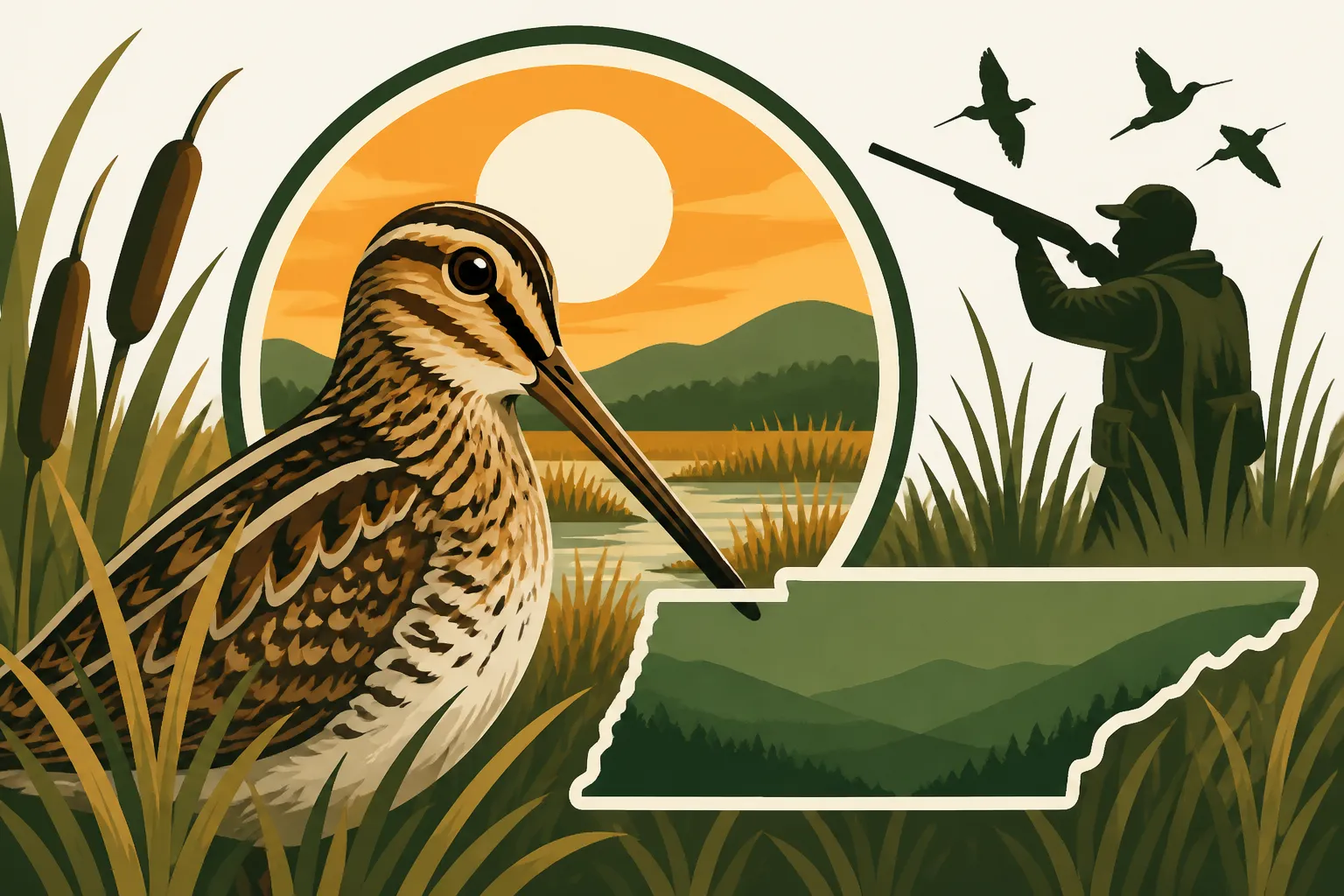
Tennessee Snipe Season Dates
Few things are as frustrating as trying to nail down the exact season dates for a less common game bird, especially when the information feels buried under layers of deer and turkey regulations. If you've been wanting to try your hand at hunting snipe in the Volunteer State but are feeling a bit lost on when and where to go, you're in the right place. This guide is going to meticulously break down everything you need to know about Tennessee's snipe season dates, licensing, and practical tips to get you out in the marshy fields.
Understanding Tennessee's Snipe Season Framework
When it comes to migratory birds like snipe, the regulations can feel a little more complex than resident game because they involve both state and federal rules. The Tennessee Wildlife Resources Agency (TWRA) sets its seasons within federal guidelines, which means there's a consistency you can usually rely on year to year, but always double-checking is paramount. Snipe offer a unique hunting opportunity, often overlapping with early waterfowl or dove seasons, making them a fantastic target for upland bird enthusiasts looking for a challenge.
Annual Season Dates and Zones
Typically, Tennessee's snipe season is quite generous, often opening in early September and running all the way through late January or early February. For the 2023-2024 season, for instance, snipe season kicked off on September 9, 2023, and continued through February 21, 2024. This long window gives hunters ample opportunity to get out, even if deer season is in full swing. Unlike some larger game or waterfowl, Tennessee does not typically divide the state into different zones for snipe hunting; it’s usually a statewide season. This simplifies planning considerably, allowing you to focus on finding the right habitat rather than navigating complex zone boundaries.
The consistent statewide season means that whether you're stalking wet fields in West Tennessee near the Mississippi River or exploring seepages on the Cumberland Plateau, the dates remain the same. The challenge then shifts from understanding the calendar to understanding the bird's migratory patterns and local habitat conditions. Early in the season, you might find more birds that have summered locally or arrived with the first cool fronts, while later in the season, cold weather can concentrate birds in areas with reliable unfrozen water sources.
Bag and Possession Limits
Just like other game birds, there are strict limits on how many snipe you can harvest to ensure sustainable populations. For the Tennessee snipe season, the daily bag limit is eight birds. This means you can legally take eight snipe in one hunting day. The possession limit, which refers to the total number of birds you can have in your possession after multiple days of hunting (including at your home), is three times the daily bag limit. So, for snipe, the possession limit is 24 birds. It's critical to keep track of your harvest to avoid exceeding these limits, as violations can lead to significant fines and loss of hunting privileges.
These limits are designed to balance hunting opportunities with conservation efforts, reflecting scientific assessments of the snipe population and its reproductive success. While snipe can be challenging to hit due to their erratic flight, an experienced hunter might quickly fill their bag limit. Hunters should always count their birds carefully and be mindful of how many they have accumulated throughout the season, especially if they are making multiple trips. It’s also important to remember that these limits apply to individual hunters, not groups. Each person with a valid license is entitled to their own bag limit.
Legal Hunting Hours
For snipe, like most migratory game birds in Tennessee, hunting hours are generally consistent: one-half hour before sunrise to sunset. This timeframe is designed to give hunters ample opportunity during daylight while also protecting birds from undue pressure during their roosting or resting periods. Knowing these hours is crucial for safety and legal compliance. It means you need to be set up and ready to go as the first light barely kisses the horizon, and be packed up before the last sliver of sun dips below it.
Planning your hunt around these hours is part of the experience. In the early morning, snipe might be more active feeding in certain areas before retreating to denser cover as the day progresses. Conversely, they might become more active again in the late afternoon. Always double-check your local sunrise and sunset times, especially as the season progresses and day length changes. Many hunters use smartphone apps or reliable weather services to pinpoint these exact times, ensuring they start and stop their hunt legally and ethically.
Essential Requirements for Snipe Hunting in Tennessee
Before you even think about loading up your shotgun and heading to a wet field, there are a few non-negotiable legal requirements you need to meet. These aren't just bureaucratic hurdles; they're essential components of responsible hunting and wildlife management, ensuring that resources are conserved for future generations. Ignoring them can quickly turn a fun day afield into a costly legal headache.
Licensing and Permits
To legally hunt snipe in Tennessee, you'll need a combination of state and federal permits. First and foremost, you'll need a valid Tennessee hunting license. For residents, this could be an annual license or a sportsman license that covers all privileges. Non-residents will need a non-resident annual hunting license. You can find detailed information on these costs in our guide on Tennessee Hunting Licenses and What They Cost. Beyond the basic hunting license, because snipe are migratory birds, federal regulations come into play.
You absolutely must have a Migratory Bird Hunting and Conservation Stamp, more commonly known as the Federal Duck Stamp. Even though snipe aren't ducks, this stamp is required for hunting all migratory waterfowl and other migratory game birds like snipe and doves. Additionally, you'll need a Tennessee Migratory Bird Permit, often called the Harvest Information Program (HIP) certification. This certification ensures that the TWRA has accurate data on migratory bird hunters, which is vital for setting future seasons and understanding hunter participation. Both the Federal Duck Stamp and the state HIP certification are readily available through the TWRA's Go Outdoors Tennessee portal, making it simple to get all your paperwork in order online. Make sure you get your Tennessee Migratory Bird Certification before heading out.
Hunter Education and Safety
If you were born on or after January 1, 1969, you are required to complete a hunter education course before purchasing a Tennessee hunting license. This course covers firearm safety, wildlife identification, conservation principles, and hunting ethics. It's a fundamental step for new hunters, ensuring they have the knowledge to hunt safely and responsibly. There are exceptions for apprentice hunters, but generally, this certificate is a prerequisite. For a deeper dive into these rules, check out Tennessee Hunter Education Requirements.
Beyond the official certification, safety should always be your top priority in the field. Snipe hunting often involves walking through dense, wet cover, which can be slippery and uneven. Always be aware of your surroundings, know where your hunting partners are, and maintain safe shooting lanes. Wear appropriate blaze orange or pink when legally required or simply for added visibility, especially if hunting on public lands where other hunters might be present. While snipe hunting itself doesn't typically require blaze orange for the hunter, it's good practice, especially during overlapping deer seasons.
Equipment and Ammunition Regulations
For snipe hunting, a lightweight shotgun is generally preferred, as you'll be doing a lot of walking and quick mounting for fast-flying birds. 12-gauge and 20-gauge shotguns are popular choices. As for ammunition, smaller shot sizes are ideal for snipe. Most hunters use #7.5 or #8 shot, which provides a dense pattern suitable for these small, fast-moving targets without over-penetrating. Unlike waterfowl, lead shot is generally permissible for snipe in Tennessee unless you are hunting in specific areas that mandate non-toxic shot for all migratory birds, such as some federal refuges or certain Wildlife Management Areas (WMAs). It’s always best to check the specific WMA regulations if you plan to hunt public land. You can compare different options by looking into Shot Size for Squirrel and Rabbit as a reference for small game.
It's crucial to confirm if non-toxic shot is required for your specific hunting location. For example, some parts of Reelfoot Lake or other federal refuges will have strict non-toxic shot requirements for all migratory birds, not just waterfowl. Carrying multiple types of ammunition or strictly using non-toxic shot can simplify matters. Beyond the shotgun, comfortable, waterproof boots are essential for navigating wet fields, and an upland vest with plenty of shell loops and a game pouch will make your hunt much more enjoyable. Consider exploring options for Upland Vests With Water Capacity to stay hydrated during those long walks.
Where and How to Find Snipe in Tennessee
Finding snipe isn't always as straightforward as locating a deer trail or a turkey roost. These elusive little birds prefer specific types of wet, muddy habitats, and knowing what to look for can significantly increase your chances of success. It's a game of scouting and understanding their behavior.
Prime Habitats and Locations
Snipe are true shorebirds, but they aren't typically found on open beaches or large bodies of water like ducks. Instead, they thrive in shallow, muddy, freshwater environments. Think wet pastures, flooded agricultural fields (especially those that have been recently cut for corn or soybeans), the edges of stagnant ponds, slow-moving creeks with soft, muddy banks, and boggy areas with short, sparse vegetation. West Tennessee, with its extensive bottomlands, river systems, and agricultural areas, offers prime snipe habitat. Areas around the Mississippi River Flyway are particularly good, often teeming with other migratory birds.
Even in other parts of the state, such as the Highland Rim or sections of the Cumberland Plateau, you can find localized pockets of suitable habitat where seepages create boggy, wet ground. When scouting, look for ground that's squishy underfoot but not deep standing water. They'll often feed on insects and invertebrates in these soft substrates. Utilizing mapping tools, like those available through GoHunt, can help identify potential low-lying, wet areas or agricultural fields that might hold water after heavy rains. Pay attention to satellite imagery for clues like different shades of green or brown that indicate wetter soil.
Scouting for Snipe Sign
Unlike deer, snipe don't leave easily identifiable tracks or rub lines. Their "sign" is primarily seeing the birds themselves or understanding the habitat. The best way to scout for snipe is often to drive around suitable areas, especially after a rain, and look for birds flushing as you approach. If you find one, chances are there are more. Another tactic is to simply walk through promising habitat. If you flush birds, mark the general area, and plan your hunt there. They are highly camouflaged, blending seamlessly with their muddy surroundings, so a keen eye is crucial.
During your scouting trips, pay attention to areas that hold water but aren't completely inundated. Look for patches of short, reedy grass, sedges, or even sparse stubble in a harvested field that allows them to move and feed easily. Remember that snipe are migratory, so their presence can fluctuate with weather patterns and the timing of their migration. Early season might find birds more spread out, while a cold snap can push them south and concentrate them in specific, unfrozen areas. Understanding general migratory patterns along the Mississippi Flyway Backwaters can give you an edge.
Effective Hunting Tactics
Snipe hunting is often a solitary or small-group endeavor that involves a lot of walking. The most common and effective tactic is simply to walk them up. This means slowly and methodically traversing promising habitat, flushing birds as you go. They typically hold tight, flushing explosively and erratically when you're almost on top of them, making for a challenging shot. A zigzag pattern can be effective to cover ground thoroughly. When a bird flushes, focus on getting your gun up smoothly and swinging through the bird's flight path. Because their flight is so unpredictable, it takes quick reflexes and good wing-shooting skills.
Having a hunting dog, particularly a flushing spaniel or a versatile pointing dog that can be trained to flush, can be incredibly helpful. A dog not only helps locate birds but also with retrieving downed birds in muddy or dense cover. Without a dog, be sure to mark exactly where a bird falls, as their small size and camouflage make them notoriously difficult to find in thick marsh grass. Remember to wear appropriate footwear, like sturdy Boots for Tennessee Hollows and Creek Bottoms, as you’ll be covering a lot of ground in wet conditions. Consider techniques similar to Jump-Shooting a Tennessee River if you're hunting along creek banks, as it involves walking up on birds in similar environments.
Common Challenges and Tips for Tennessee Snipe Hunters
Snipe hunting, while rewarding, definitely comes with its own set of unique challenges. It's not always easy, but overcoming these hurdles is part of the fun and why so many hunters get hooked on pursuing these enigmatic birds.
Identifying Snipe vs. Other Shorebirds
One of the most crucial aspects of snipe hunting is correctly identifying your target. Snipe can sometimes be confused with other shorebirds, such as killdeer or sandpipers, especially during their erratic flight. However, snipe have distinct characteristics. They are medium-sized, plump shorebirds with very long bills, mottled brown plumage, and a striped head pattern. When they flush, they often let out a characteristic "scaipe" call and fly in a zig-zagging pattern before leveling out. Killdeer, in contrast, have two black bands on their neck and a shorter bill, and their flight is less erratic.
It's illegal to shoot protected migratory shorebirds, so positive identification is non-negotiable. Spend some time studying pictures and videos of snipe in flight and on the ground. When a bird flushes, take a moment to confirm its identity before raising your gun. If you're unsure, it's always best to hold your shot. Practice identifying them beforehand, and don't rely solely on their flight pattern as some other birds can also fly erratically when startled. The better you are at quick, accurate identification, the safer and more ethical your hunt will be.
Navigating Difficult Terrain
Snipe, by nature, inhabit wet, often boggy, and uneven terrain. This means a snipe hunt often involves slogging through mud, negotiating tussocks of grass, and potentially crossing shallow water. This can be physically demanding and requires proper gear. Good waterproof boots are an absolute must to keep your feet dry and prevent blisters. Lightweight, breathable clothing that can handle getting wet and muddy is also advisable. Layers are always a good idea in Tennessee, as morning chills can give way to warm afternoons.
When moving through such terrain, pay close attention to where you step to avoid injury. A sudden dip or a hidden hole can easily lead to a twisted ankle. A sturdy walking stick can be invaluable for balance and probing uncertain ground ahead of you. If you're hunting with a dog, ensure they are also equipped for the conditions, perhaps with protective vests if going through thorny areas, and make sure they have access to fresh water. Using a robust mapping app like those from GoHunt can help you identify drier access points or delineate areas of particularly boggy ground that might be best avoided, improving both safety and efficiency. Public hunting opportunities on WMAs often include these types of wetlands; familiarize yourself with the Tennessee WMA Permit Requirement if planning to hunt on these managed lands.
Weather Considerations
Weather plays a significant role in snipe hunting, influencing both bird behavior and hunting conditions. Overcast, drizzly days can sometimes be ideal, as birds might hold tighter and be less prone to spooking from a distance. However, heavy rain can make visibility poor and turn already wet fields into challenging quagmires. Pay close attention to temperature drops, especially during the later parts of the season. A hard freeze can lock up crucial feeding grounds, pushing snipe further south or concentrating them in the few remaining unfrozen areas, such as spring-fed seepages or slow-moving rivers.
Conversely, mild, sunny days can make birds more active but also warier. Always check the forecast before heading out and dress accordingly. Waterproof outerwear is a wise investment. Wind can also be a factor, affecting the birds' flight paths and making shooting more challenging. On windy days, birds might fly lower or hug cover more closely. Being prepared for varying conditions, from chilly mornings to mild afternoons, is key to an enjoyable and successful snipe hunt. Understanding how general weather fronts affect other migratory species, like those discussed in Reading a Bottomland Slough for a Morning Flight, can also inform your snipe hunting strategy.
| Requirement | Details |
|---|---|
| Season Dates | Typically early September to late February (e.g., Sep 9, 2023 – Feb 21, 2024 for 2023-2024 season) |
| Daily Bag Limit | 8 birds |
| Possession Limit | 24 birds |
| Hunting Hours | One-half hour before sunrise to sunset |
| Required Licenses | Tennessee Hunting License, Federal Duck Stamp, Tennessee Migratory Bird (HIP) Certification |
| Shotgun Gauge | 12 or 20 gauge recommended |
| Ammunition | #7.5 or #8 shot, lead generally permissible unless in non-toxic shot zones (e.g., federal refuges/some WMAs) |
| Hunter Education | Required for those born after Jan 1, 1969 |
| Habitat | Wet fields, muddy banks of ponds/creeks, boggy pastures, flooded agricultural fields |
Disclaimer
The information provided in this guide is for general informational purposes only and is not a substitute for the official regulations published by the Tennessee Wildlife Resources Agency (TWRA). Hunting regulations can change annually or even mid-season. Always consult the most current TWRA Hunting and Trapping Guide or visit the official TWRA website before engaging in any hunting activities. It is the hunter's responsibility to know and follow all applicable laws and regulations.