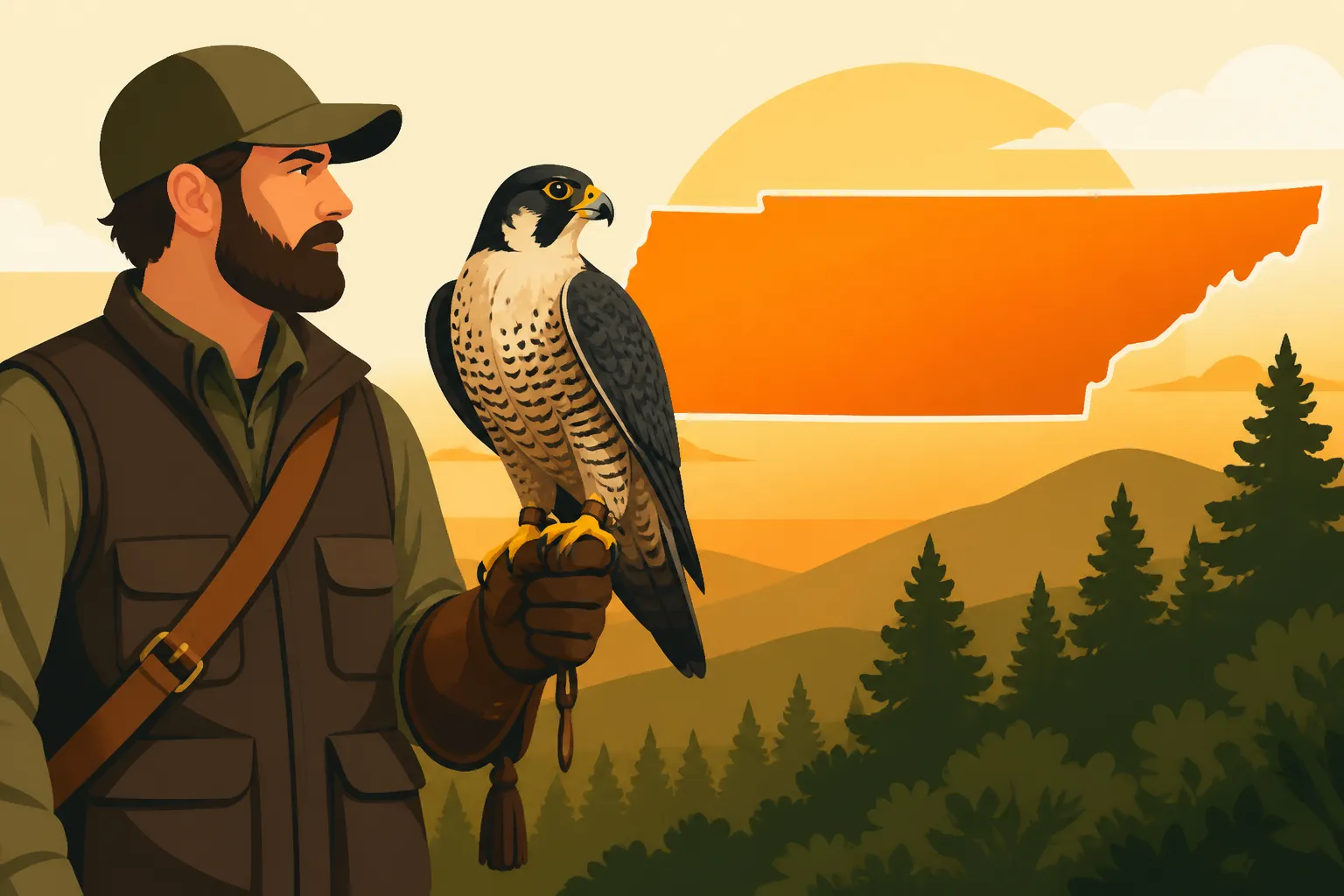
Tennessee Falconry License Requirements
The journey to becoming a licensed falconer in Tennessee is truly one of passion and deep commitment, but let's be honest, navigating the maze of federal and state regulations can feel like trying to track a ghost through a thick fog. Many aspiring falconers get frustrated trying to piece together all the requirements for housing, sponsorship, and exams. This comprehensive guide is here to cut through that confusion, giving you a clear, detailed roadmap to obtaining your Tennessee falconry license, from your first steps as an apprentice to soaring as a master falconer.
The Unique Path to Becoming a Tennessee Falconer
Becoming a falconer isn't like getting any other hunting license; it's a lifestyle, a deep dive into the ancient art of training raptors for hunting wild quarry. It demands a significant investment of time, resources, and emotional energy. You're not just buying a bird; you're entering a partnership that requires daily attention, meticulous care, and a profound understanding of wildlife. Tennessee, like all states, has a robust set of regulations designed to ensure the welfare of these magnificent birds and the integrity of the sport. It's a journey that starts long before you ever hold a hawk.
Understanding the Commitment and Initial Steps
Before you even think about applying for a permit, you need to seriously consider the immense commitment involved. We're talking about a daily routine that revolves around your bird's needs, often for decades. Raptors require specific housing, specialized diets, and consistent training. They are not pets; they are wild animals that you partner with. This isn't a hobby you can pick up and put down. Weekends, holidays, bad weather – your bird still needs you. Many folks underestimate this, thinking it's just about having a cool bird, but it's far, far more demanding.
Beyond the daily care, there's the intellectual commitment. You'll need to absorb a vast amount of knowledge about raptor biology, behavior, health, training techniques, and conservation. This isn't something you can just Google your way through. Aspiring falconers often spend years studying and seeking out experienced mentors before even submitting an application. It's a passion that truly takes over, becoming an integral part of your life. If you're someone who appreciates the intricate details of nature and the challenge of a truly unique pursuit, then the initial commitment, while daunting, can be incredibly rewarding.
The Apprentice Falconer Stage
Every falconer in Tennessee, without exception, must begin as an Apprentice. This isn't just a formality; it's a critical, hands-on learning period designed to equip you with the fundamental skills and knowledge needed to care for and hunt with a raptor responsibly. The most crucial part of this stage is finding a sponsor. A sponsor is a General or Master Falconer who has held their license for at least two years and is willing to guide you through your first two years of falconry. This person will be your primary teacher, advisor, and often, your toughest critic, ensuring you meet all the demanding requirements.
Your sponsor will inspect your facilities, advise on bird choice, help with training, and generally oversee your progress. They'll teach you everything from proper tethering and feeding to recognizing signs of illness and safe hunting practices. This mentorship is invaluable, providing real-world experience that no book can fully replicate. The Apprentice stage typically lasts a minimum of two years, during which you can only possess one raptor, specifically a red-tailed hawk or an American kestrel, both of which are excellent birds for beginners due to their hardiness and relatively straightforward training. It’s a foundational period, much like how a new hunter might spend years learning the ropes of big game hunting from an experienced mentor, perhaps even exploring different strategies like Bowhunting Tennessee's Long Archery Season or Tennessee's Gun Deer Season Into January.
Navigating the Application Process and Examinations
Once you've found a sponsor and prepared yourself for the commitment, the real bureaucratic journey begins. You'll be dealing with both federal and state agencies, each with their own set of rules and paperwork. It can feel a bit like wading through mud, but staying organized and proactive is key to a smooth process. It's certainly more involved than simply renewing your Tennessee Hunting Licenses and What They Cost online, and you'll quickly realize why attention to detail is so critical in this sport.
Federal and State Requirements: A Dual Approach
Falconry is regulated by both the U.S. Fish and Wildlife Service (USFWS) and the Tennessee Wildlife Resources Agency (TWRA). This means you'll essentially be navigating a dual application process. First, you'll need to pass a comprehensive written examination administered by the TWRA, covering raptor biology, care, diseases, training, and relevant hunting regulations. This isn't an easy test; it's designed to ensure you possess a significant baseline of knowledge. Many aspiring falconers use resources like GoHunt or other dedicated wildlife apps to brush up on general wildlife regulations, but for falconry, specialized study guides are paramount.
After passing the exam, your sponsor will inspect your raptor housing and equipment to ensure it meets strict federal and state standards. This inspection is incredibly thorough, checking everything from the dimensions and construction of your mews (the bird's enclosure) to the type of perches, food storage, and even your field equipment. Only after passing this inspection and receiving your sponsor's approval can you apply to the TWRA for your state permit. The TWRA will then process your application, and once approved, issue your Tennessee Falconry Permit. This state permit allows you to then apply to the USFWS for your federal permit, completing the cycle. It's a layered approach, but it ensures thorough oversight.
The General Falconer and Master Falconer Levels
After successfully completing your two-year apprenticeship, demonstrating competency, and getting a recommendation from your sponsor, you can apply to upgrade your license to a General Falconer. This level allows you to possess up to three raptors and offers a wider range of species you can acquire, moving beyond just red-tailed hawks and kestrels to species like Cooper's hawks, goshawks, or certain types of falcons. The process involves another application to both state and federal agencies, reviewing your experience and ensuring you meet the criteria for this elevated level of responsibility.
The pinnacle of falconry is the Master Falconer license, which you can apply for after a minimum of five years as a General Falconer. This level recognizes a deep and extensive experience in the sport, allowing for up to five raptors, including golden eagles and other restricted species. Master falconers often become the next generation of sponsors, guiding new apprentices. It’s a testament to lifelong learning and dedication, much like the commitment required to become an expert in niche areas such as Muzzleloader Deer Hunting in Tennessee or Hunting Tennessee's Restored Elk Herd. Each step up the ladder represents years of proven skill, ethical practice, and a profound connection to the raptors and the wild.
Housing, Equipment, and Bird Acquisition
One of the biggest hurdles for new falconers isn't just passing the exam, but establishing the correct facilities and acquiring all the specialized gear. This isn't just about comfort for your bird; it's about safety, health, and legality. Cutting corners here isn't an option, as inspectors will verify every detail before you're approved.
Mews and Facilities: More Than Just a Cage
The housing for your raptor, known as a mews, is arguably the most critical initial investment. It must be designed to protect the bird from predators, harsh weather, and escape, while also providing adequate space for natural movement and flight. Tennessee and federal regulations outline precise requirements for mews size, construction materials, perching types, and even ventilation. For instance, the enclosure must be secure enough to prevent escape and entry by predators like raccoons or coyotes. The interior must be smooth to prevent feather damage, and appropriate perches (such as natural wood or rope) are essential for foot health.
Outdoor aviaries or weathering areas are also often required or highly recommended, giving the bird access to sunlight and fresh air. These areas also need to be predator-proof and designed to prevent escape. Your sponsor will be invaluable in helping you design and construct these facilities to meet all standards, often sharing blueprints or advising on local contractors. Think of it like building a specialized Treestand Setups in Cherokee National Forest – it’s not just about a platform, it’s about safety, ergonomics, and effective concealment, but on a much grander scale for the mews. Getting this right from the start saves a lot of headaches later on.
Sourcing Your First Raptor and Essential Gear
Once your facilities are approved and your licenses are in hand, the exciting part begins: acquiring your first bird. As an Apprentice, you're restricted to a red-tailed hawk or an American kestrel, both of which are common in Tennessee. These birds are typically trapped from the wild during their first year of life (passage birds) under strict permits issued by the TWRA. It’s illegal to buy or sell wild-caught raptors; they must be legally trapped. Your sponsor will guide you through the process of trapping, ensuring it's done humanely and safely. There are also reputable breeders for captive-bred birds, especially for falcons at higher license levels, but for apprentices, wild-caught is the traditional path.
Beyond the bird, you'll need a comprehensive set of specialized equipment, each item serving a specific purpose:
| Equipment Item | Purpose |
|---|---|
| Jesses | Leather straps attached to the bird's legs for handling. |
| Leash & Swivel | Secures the jesses to the perch or to your glove. |
| Glove/Gauntlet | Protects your hand from the bird's talons. |
| Bells | Attached to the bird's legs to help locate it in the field. |
| Telemetry | Small transmitter attached to the bird, with a receiver for tracking lost birds. |
| Perches | Various types (block, bow, ring) for mews and weathering yard. |
| Scales | Precise digital scales for daily weighing to monitor health and condition. |
| Bathing Pan | Shallow pan for the bird to bathe. |
| Food Prep Tools | Scissors, knives for preparing specialized diets. |
| Field Bag/Vest | Carries equipment, lures, and quarry during hunting. |
Many falconers develop a close relationship with specialty suppliers. For example, some might use brands like Mike's Falconry Supplies or Western Sporting. However, even with all the gear, the most important tool remains patience and the willingness to learn from your bird and your environment. Understanding the habits of the game your raptor hunts, perhaps even by studying things like Tennessee Small Game Season Rules, will give you an edge in the field.
Maintaining Your License and Ethical Practices
Getting your license is just the beginning. Falconry is a sport that demands ongoing responsibility, adherence to regulations, and a deep commitment to ethical practices and conservation. It’s a lifelong learning process that evolves with every bird you fly and every season you hunt.
Renewals, Reporting, and Ongoing Responsibilities
Like any hunting license or permit in Tennessee, your falconry license needs to be renewed regularly, typically annually or every few years, depending on the specific state and federal requirements. This isn't just a simple payment; it often involves submitting annual reports to both the TWRA and USFWS. These reports detail your bird's health, any changes in possession (acquiring a new bird, transferring an old one), and your hunting activities. You'll record how often you flew your bird, what quarry you hunted, and how successful you were. This data is crucial for wildlife management agencies to monitor the impact of falconry and ensure sustainable practices.
Beyond reporting, you are responsible for maintaining impeccable records of your bird's band numbers, acquisition dates, and any health issues. Should your bird die, escape, or be lost permanently, these incidents must be reported promptly to the authorities. These regulations are in place to prevent illegal trafficking of raptors and to track wild populations. It's a testament to the dedication falconers have that they embrace this level of oversight, recognizing that it protects the very species they cherish.
Conservation and Responsible Falconry
Falconers are often at the forefront of raptor conservation efforts, deeply understanding the intricate balance of ecosystems. Many actively participate in banding programs, provide data for wildlife studies, and educate the public about birds of prey. Their daily interactions with raptors give them unique insights into avian health and environmental changes, making them valuable eyes and ears for wildlife agencies involved in Tennessee Wildlife Disease Monitoring.
Ethical falconry goes beyond legal compliance; it embodies a profound respect for the bird and its quarry. It means ensuring your raptor is always in peak health and condition, never pushed beyond its limits, and that hunting practices are sustainable and humane. It means understanding and respecting Tennessee's Chronic Wasting Disease Management Zone if you hunt deer in addition to flying raptors, and adhering to all local wildlife regulations. Responsible falconry is about appreciating the predator-prey relationship in its purest form, recognizing that it's a privilege to participate in such an ancient and powerful tradition. It's about preserving the wild spaces where these magnificent birds can thrive, for our enjoyment and for future generations of falconers.
Disclaimer
Please remember that hunting regulations, license requirements, and wildlife management practices are subject to change. Always consult the most current official Tennessee Wildlife Resources Agency (TWRA) publications or their website, as well as federal regulations from the U.S. Fish and Wildlife Service, before engaging in any hunting activities or applying for specialized permits. This guide is for informational purposes only and should not be considered legal advice.