Tennessee South Cherokee Bear Zone Rules
Trying to figure out the specific rules for bear hunting in Tennessee's vast Cherokee National Forest can feel like deciphering an ancient scroll, especially when you narrow it down to a particular section like the South Cherokee Bear Zone. It’s not just about knowing a season exists; it’s about understanding the intricate boundaries, specific regulations, and local nuances that can make or break your hunt. This comprehensive guide will walk you through everything you need to know about navigating the South Cherokee Bear Zone, so you can hunt with confidence and stay on the right side of the law.
Understanding the South Cherokee Bear Zone Boundaries
The Tennessee Wildlife Resources Agency (TWRA) divides the state into different bear zones to manage populations effectively, and the South Cherokee Bear Zone, often referred to as Zone 3, is one of the most popular and productive. But just because you're in the general vicinity of the southern Cherokee National Forest doesn't mean you're automatically in the zone. Defining these boundaries precisely is the first critical step for any hunter planning to pursue bears here.
Geographical Delimitation of Zone 3
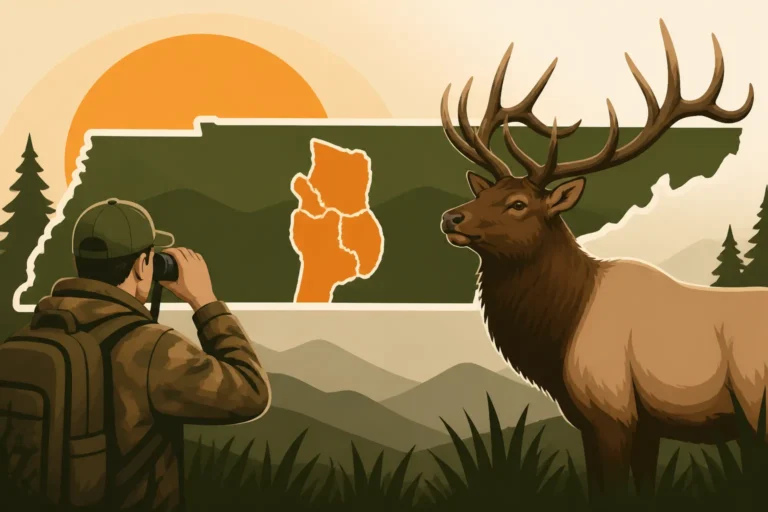
The South Cherokee Bear Zone primarily encompasses portions of Monroe, McMinn, Blount, and Polk counties in Southeast Tennessee. This isn't a simple straight-line boundary; it often follows major roadways, rivers, or distinct geographical features that you absolutely must familiarize yourself with before heading afield. For instance, parts of this zone might be defined by specific state highways or the Tennessee River itself, carving out an irregular shape that requires careful map study. You might be standing on a ridge in Monroe County, thinking you're in the zone, only for a subtle shift in the boundary line to place you just outside of it. Always double-check your location against a reliable mapping tool like the one offered by GoHunt, or the official TWRA interactive maps. The rugged topography of the southern Appalachian Mountains means these boundaries can be less intuitive than they appear on paper, often snaking along ridgelines or deep creek bottoms.
Why Specific Boundaries Matter
Understanding these precise boundaries isn't just a recommendation; it's a legal requirement that can prevent accidental poaching or hunting out of season. Each zone has its own set of rules, including different season dates and sometimes even different methods of take. Hunting outside the designated zone, even by a few yards, can result in severe penalties, including hefty fines, loss of hunting privileges, and confiscation of your harvest and gear. Imagine going through all the effort of a successful hunt, only to find out you were on the wrong side of Highway 68, or just outside the legal area in Blount County. This is why thorough preparation, which includes studying Tennessee's Three Bear Hunting Zones in detail, is paramount. These zones are designed to manage local bear populations, allowing TWRA to adjust pressure based on bear numbers and habitat conditions in specific areas.
Hunting Regulations Specific to South Cherokee
Once you've got a handle on where you can hunt, the next step is understanding how and when you can hunt in the South Cherokee Bear Zone. These regulations cover everything from season dates to weapon choices and how you report your harvest, and they are distinct from other bear zones in Tennessee.
Season Dates and Bag Limits
The South Cherokee Bear Zone (Zone 3) typically has its own specific season dates, which often differ from Bear Zone 1 (Northeast) and Bear Zone 2 (Smoky Mountains). It's common for Zone 3 to feature both still-hunting and dog-hunting seasons, with the dog-hunting segment usually occurring later in the fall. For example, you might see a short period for still-hunting early in the season, followed by a longer period allowing the use of hounds. The bag limit for bears in Tennessee is generally one bear per hunter per year, regardless of the zone, but always confirm the most current regulations directly from the TWRA website or their annual hunting guide. These dates can be subject to change annually based on bear population data and management objectives, so a quick check before each season is essential. Remember, there's nothing more frustrating than arriving at your favorite spot only to find the season isn't open yet, or worse, just closed.
Here’s a simplified table illustrating a typical season structure for Tennessee’s Bear Zone 3, but always consult the current TWRA regulations as dates are subject to change annually:
| Hunting Method | Typical Season Start | Typical Season End | Notes |
|---|---|---|---|
| Archery/Muzzleloader | Early September | Mid-October | Often limited to specific units within Zone 3 |
| Still Hunting | Late October | Early November | General firearms, no hounds |
| Dog Hunting | Mid-November | Early December | Hounds permitted for bear |
| Late Season (Firearms) | Late December | Early January | May have reduced boundaries or specific rules |
Weapon Restrictions and Dog Use
Tennessee has clear rules about what firearms are legal for bear hunting. Generally, centerfire rifles of .270 caliber or larger, shotguns using slugs or buckshot, muzzleloaders of .50 caliber or larger, and archery equipment with a minimum draw weight are permitted. However, certain restrictions might apply in specific areas within the Cherokee National Forest, so it's critical to know the precise rules for your chosen hunting spot. This zone is particularly renowned for its bear dog hunting season. If you're planning on Running Hounds for Cherokee Forest Bears, make sure you understand all the additional regulations that come with it, including requirements for dog collars, identification, and restrictions on harassing bears out of season. While dog hunting is popular, a significant number of hunters also utilize Spot-and-Stalk Tactics for Cherokee Forest Bears during the still-hunting phases, requiring a different set of skills and preparation.
Harvest Reporting and CWD Considerations
Once you successfully harvest a bear in the South Cherokee Bear Zone, your responsibilities don't end there. You must report your harvest through the TWRA's Go Outdoors Tennessee system within 24 hours. This can be done online or via their mobile app, which is super convenient when you're out in the field. Additionally, you are required to physically take your bear to a designated TWRA check station within 24 hours of harvest. This is especially important for biological data collection, which helps the agency monitor bear health and population dynamics. For example, TWRA biologists will often collect a tooth for aging the bear. Although Chronic Wasting Disease (CWD) is primarily a deer affliction, staying informed about any general wildlife disease monitoring in the area is always a good practice. Make sure you understand all Tennessee Bear Checking Requirements before you head out.
Practical Considerations for Hunting the South Cherokee Zone
Hunting bears in the mountainous terrain of the South Cherokee Bear Zone isn't like hunting whitetails in a West Tennessee soybean field. It requires specific preparation, knowledge of the landscape, and an understanding of bear behavior in this challenging environment.
Accessing Public Lands in Cherokee National Forest
The vast majority of the South Cherokee Bear Zone consists of public land within the Cherokee National Forest. While this offers incredible opportunities, it also comes with specific rules and challenges. Many areas are accessible via forest service roads, but these can quickly turn into rugged, unmaintained tracks, or even become impassable during wet weather. You'll likely need a good 4×4 vehicle to reach some of the best hunting spots. Additionally, hunting on National Forest land often requires a specific WMA permit in addition to your statewide hunting license and big game permit. Always ensure you have the correct Tennessee WMA Permit Requirement before setting foot on the land. Scouting is absolutely crucial here; many prime spots are a long hike from the nearest road, meaning you need to be physically prepared and have reliable navigation tools, like the GoHunt app, to find your way in and out.
Terrain and Bear Behavior
The South Cherokee Bear Zone is characterized by steep, rugged mountains, deep hollows, and dense hardwood forests. This isn't flat ground, and bears here are masters of navigating this challenging landscape. They often use the thick cover to their advantage, traveling along benches and creek bottoms. Understanding Wind and Thermals on a Ridge System is absolutely vital here, as bears have an incredible sense of smell. Thermals often drop into the hollows in the morning and rise up the ridges in the afternoon, which can dictate your approach and stand placement. Bears are constantly searching for food, and their movements will be heavily influenced by available mast crops like acorns and berries. A poor acorn year can push bears to seek alternative food sources, making them harder to pattern. Conversely, a bumper crop might concentrate them in specific areas, offering excellent hunting opportunities. Staying attuned to these natural food cycles is key to success.
Essential Gear and Safety
Hunting bears in this remote, rugged environment demands appropriate gear and a strong emphasis on safety. You'll be spending long hours on your feet, often far from immediate assistance. A quality pack is indispensable for carrying all your essentials – water, food, navigation tools, first-aid, and game retrieval gear. Consider a robust Packs for a Cherokee Forest Day Hunt that can handle heavy loads if you are fortunate enough to harvest a bear. Your clothing should be layered, as mountain weather can change dramatically, and good quality waterproof boots with excellent ankle support are a must. Navigation is critical; a reliable GPS unit or a mapping app like GoHunt on your phone (with downloaded offline maps) can prevent you from getting lost in the vastness of the forest. And, of course, proper Bear Hunting Gear in Cherokee Forest specific to your chosen weapon, whether it's a rifle, bow, or muzzleloader, is essential. Always hunt with a buddy, or at least let someone know your exact hunting plans, including your intended route and expected return time.
Navigating Unique Challenges and Opportunities
The South Cherokee Bear Zone presents both significant challenges and incredible rewards. Hunters who understand these dynamics and adapt their strategies are often the most successful.
Hunting Pressure and Finding Seclusion
Because the South Cherokee Bear Zone is known for its bear population, it can attract a fair amount of hunting pressure, especially on opening days and weekends. Don't expect to have easy-to-access areas to yourself. To increase your odds, be willing to hike farther than most other hunters. Look for areas that require extra effort to reach—steep climbs, dense thickets, or crossing difficult terrain. These are often where mature bears will retreat when pressured. Using topographic maps and aerial imagery, perhaps through a platform like GoHunt, can help you identify these overlooked pockets of cover and potential travel corridors that other hunters might bypass. Remember, bears are incredibly smart and will quickly adapt their movements to avoid human activity. Finding undisturbed areas means putting in the work.
Maximizing Success with Food Sources
One of the most effective strategies for bear hunting in the South Cherokee Zone is understanding and locating prime food sources. Bears are opportunists, and their lives revolve around finding enough calories. In the fall, acorns, particularly white oak acorns, are like gold to them. If you can locate a ridge or hollow with a heavy acorn crop, you'll likely find bear activity. Don't overlook other mast, though. Black gum, wild cherry, and even persimmons can draw bears. Hunting Bears Over Natural Mast in the Mountains means constant scouting and paying attention to annual conditions. In years with poor mast crops, bears might venture into lower elevations or agricultural areas adjacent to the forest, or rely more heavily on berries and other available forage. Keep an eye out for fresh bear sign: scat, claw marks on trees, and overturned rocks or logs where they've been foraging for grubs.
Post-Harvest Responsibilities and Meat Care
Successfully harvesting a bear is a tremendous achievement, but your work isn't over. Getting a bear out of the rugged South Cherokee terrain can be a monumental task. Have a plan for game retrieval before you even pull the trigger. Consider bringing a sturdy game cart or, for more remote areas, a frame pack for breaking the bear down into manageable pieces. Given that bear seasons can occur during warmer fall days, proper meat care is crucial to prevent spoilage. Field dress the bear quickly, cool the meat down as fast as possible, and get it to a cooler with ice. Understanding Handling a Bear After the Shot and how to properly quarter and cool the meat will ensure that your hard-earned harvest doesn't go to waste. Always remember to check your bear at a TWRA check station as required, which contributes vital data to wildlife management efforts.
Disclaimer
Please note: Hunting regulations and season dates are subject to change. Always consult the official Tennessee Wildlife Resources Agency (TWRA) website or the current Tennessee Hunting & Trapping Guide before planning any hunting trip to ensure you have the most up-to-date information and comply with all state and local laws.