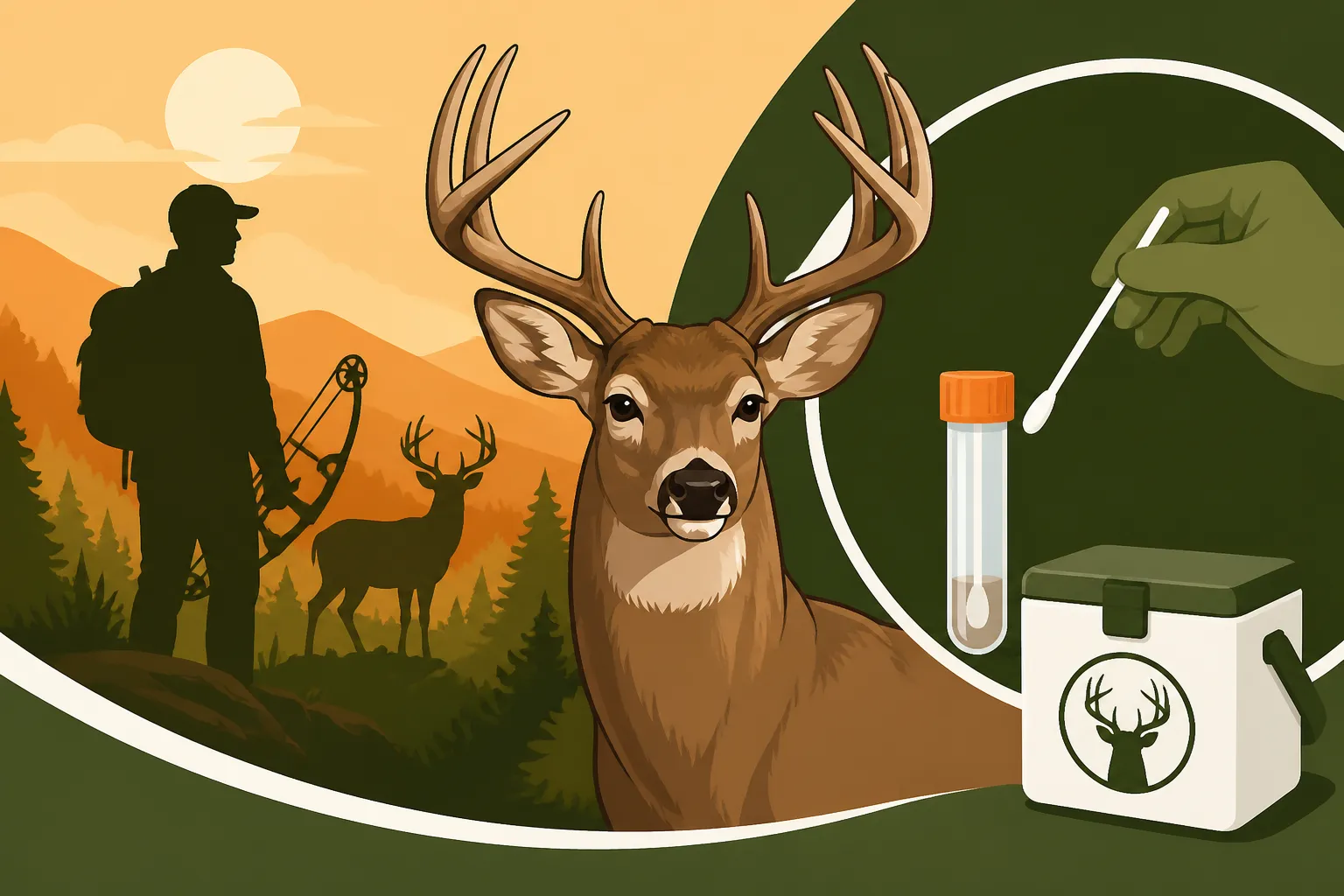
Tennessee CWD Testing for Hunters
Hunters across Tennessee are facing a daunting challenge with the spread of Chronic Wasting Disease (CWD), a serious neurological condition impacting our deer herd. The uncertainty around CWD can make harvesting a deer feel complicated, especially when it comes to knowing if your animal is safe for consumption or how to comply with regulations. This guide is here to demystify the process of Tennessee CWD testing for hunters, offering clear, actionable steps and vital information to help you navigate the CWD landscape with confidence and responsibility.
Understanding Chronic Wasting Disease in Tennessee
Dealing with Chronic Wasting Disease (CWD) can feel like a heavy burden on hunters, especially when it's something none of us ever wanted to see in our beautiful state. It's a complex disease, and really understanding what it is and how it behaves is the first step toward responsible hunting in today's environment. We owe it to the deer herd and future generations to be as informed as possible.
What is CWD and How Does it Spread?
CWD is a fatal, neurological disease that affects deer, elk, reindeer, sika deer, and moose. It's caused by abnormal proteins called prions, which accumulate in the brain and other tissues, eventually leading to severe neurological dysfunction. Think of it like mad cow disease, but for cervids. The heartbreaking reality is that once an animal contracts CWD, there is no cure, and it will eventually die. The disease has a long incubation period, sometimes taking months or even years for symptoms to appear, which makes detecting it incredibly challenging in live animals. The devastating nature of CWD is why proactive measures, like widespread testing, are so critical.
The way CWD spreads is a significant concern for wildlife managers and hunters alike. Prions are shed by infected animals through saliva, urine, and feces, contaminating the environment. Other deer can then pick up these prions directly from an infected animal or indirectly from contaminated soil, plants, or water sources. Carcass parts, especially brain and spinal cord tissue, can also spread the disease if improperly disposed of. This environmental persistence means that once CWD is established in an area, it's incredibly difficult to eradicate, making prevention and management through testing and surveillance paramount. It's not just direct contact; CWD prions are incredibly resilient. They can persist in the soil for years, possibly even decades, remaining infectious. This makes containment an uphill battle and highlights why strict carcass disposal rules are in place. The continuous shedding of these prions means that an infected deer can unknowingly spread the disease throughout its lifespan, even before showing any outward signs of illness. This silent spread is why hunter participation in testing is so crucial; it helps detect the disease early in seemingly healthy animals that could be contributing to environmental contamination.
Tennessee's CWD History and Current Status
Tennessee hunters initially hoped CWD would bypass our state, but sadly, that wasn't the case. The first confirmed case of CWD in Tennessee was found in a deer harvested in Fayette County back in December 2018. This discovery sent shockwaves through the hunting community and immediately triggered a robust response from the Tennessee Wildlife Resources Agency (TWRA). Since then, the disease has slowly but steadily spread, primarily eastward from West Tennessee, impacting more counties than any of us would like. Understanding the history of CWD in Tennessee and its ongoing progression is vital for every hunter.
As of recent reports, a growing number of counties across the state have been designated within what TWRA calls the CWD Management Zone, encompassing both Primary and Secondary CWD Zones. What started in a few western counties has now expanded to include parts of Middle Tennessee. The TWRA regularly updates maps and lists of affected counties, and it's imperative for hunters to know if the area they plan to hunt falls within one of these zones, as regulations will vary significantly. You can find up-to-date information on the TWRA website or through resources like the GoHunt app, which often integrates official TWRA data. Staying informed about Which Counties Sit Inside Tennessee's CWD Zone is a critical first step for any hunter this season.
The TWRA's efforts to monitor and manage CWD are continuous, involving extensive sampling, research, and public education. They track prevalence rates – the percentage of deer testing positive – to understand the disease's progression. While the numbers are concerning, the collective efforts of hunters, landowners, and wildlife agencies are essential in mitigating its impact. The long-term goal is to contain the spread and minimize its effect on Tennessee's deer population, ensuring sustainable hunting opportunities for future generations. This continuous monitoring is a testament to the TWRA's commitment to protecting White-Tailed Deer Across Tennessee.
Recognizing the Signs of CWD in Deer
One of the most frustrating aspects of CWD is that an infected deer can appear perfectly healthy for a significant period. During the early stages, there are often no visible symptoms, which is why testing seemingly healthy deer is so important for surveillance. However, as the disease progresses, certain behavioral and physical changes can become apparent. It's crucial for hunters to be vigilant and know what to look for, not just for their own safety but also to help the TWRA monitor the disease.
Deer exhibiting advanced CWD symptoms might appear emaciated or "wasting away," hence the name Chronic Wasting Disease. They can show a variety of neurological signs, such as a vacant stare, listlessness, or an abnormal posture. You might notice them walking in unusual patterns, stumbling, or having tremors. Excessive salivation, often leading to drooling, and difficulty swallowing are also common. Affected deer may also exhibit behavioral changes like a reduced fear of humans, or they might isolate themselves from the rest of the herd. If you encounter a deer showing these signs, it's critical not to harvest it and instead report it immediately to the TWRA. This kind of reporting is vital for monitoring and containing the disease's spread.
It's important to remember that some of these symptoms, like emaciation or lethargy, can also be indicative of other illnesses or injuries, such as EHD (Epizootic Hemorrhagic Disease) or even severe malnutrition. Therefore, seeing these signs doesn't definitively mean CWD, but it absolutely warrants caution and reporting. When in doubt, it's always best to err on the side of caution and let the wildlife professionals investigate. Your observation can be a crucial piece of the puzzle in Tennessee's fight against CWD. Reporting a Sick Animal in Tennessee is an important step in protecting the herd.
Why CWD Testing Matters for Hunters
Participating in CWD testing isn't just a recommendation; it's a vital part of responsible hunting in Tennessee today. The choices we make as individual hunters have a direct impact on the health of the entire deer herd and the future of our hunting heritage. Testing your harvested deer offers peace of mind, contributes to scientific data, and helps protect a resource we all cherish. It's a proactive measure that underscores our commitment to conservation.
Protecting the Deer Herd and Ecosystem
Every deer tested provides valuable data points that help the TWRA understand the prevalence and geographic spread of CWD. Without this data, wildlife managers are essentially flying blind, making it much harder to implement effective management strategies. By submitting samples, you are directly contributing to the state's efforts to track the disease, identify hot spots, and potentially mitigate its expansion. This collective action is crucial in protecting the overall health of Tennessee's deer population and, by extension, the broader ecosystem that relies on a healthy cervid population.
Think of it this way: each test is like a dot on a map. The more dots, the clearer the picture. This picture informs decisions about hunting regulations, herd management, and public land access. If we, as hunters, don't provide these dots, the picture remains blurry, and it becomes harder for the TWRA to make informed choices that truly benefit the deer. This commitment to data collection helps ensure that the future of hunting in Tennessee remains viable and vibrant. It's a direct way we can give back to the wildlife we love to pursue. Our continued efforts shape the Tennessee Deer Population Estimate.
Beyond deer, a healthy ecosystem is interconnected. Changes in deer populations due to disease can have ripple effects on predator populations, vegetation, and other species. By helping manage CWD, we're not just protecting deer; we're safeguarding the delicate balance of Tennessee's natural environment. Your small act of submitting a sample contributes to this much larger conservation effort, demonstrating true stewardship of our natural resources. It’s about more than just one deer; it’s about the health of the entire system.
Ensuring Venison Safety for Your Family
For many hunters, one of the primary motivations for CWD testing is the peace of mind it offers regarding venison consumption. While there have been no confirmed cases of CWD crossing the species barrier to humans, the Centers for Disease Control and Prevention (CDC) and other public health organizations strongly recommend against consuming meat from CWD-positive animals. It’s a “better safe than sorry” approach that resonates deeply with hunters who feed their families with wild game. The health of your loved ones is paramount, and a negative test result allows you to enjoy your harvest without lingering doubt.
Imagine you've just taken a beautiful deer on a crisp November morning. You're excited to fill the freezer and share the bounty with friends and family. But if you're hunting in a CWD zone and haven't tested, that small seed of doubt might sprout. Having that peace of mind, knowing your venison has been tested and cleared, makes all the difference. It transforms a potential worry into pure enjoyment. This is especially true for families with young children or those with compromised immune systems, where an abundance of caution is always warranted.
The TWRA provides clear guidance on consuming venison from CWD-positive areas, and their recommendations are based on the latest scientific understanding. Submitting your deer for testing is the most direct way to comply with these recommendations and ensure that the meat you bring to the table is as safe as possible. While the risk to humans is currently considered low, the scientific community continues to research the potential for transmission, and until more is known, prudence is the best course of action. Knowing your venison is safe is a foundational element of the hunting experience.
Contributing to Disease Surveillance Efforts
Beyond individual peace of mind, CWD testing by hunters is a cornerstone of the state's disease surveillance program. The TWRA relies heavily on samples submitted by hunters to get a comprehensive picture of where CWD is, how prevalent it is, and whether it's spreading into new areas. Without widespread hunter participation, this critical data simply wouldn't exist, making it nearly impossible for wildlife agencies to effectively manage the disease.
Every single sample helps to paint a clearer picture of Chronic Wasting Disease in Tennessee Deer. This surveillance is not just about identifying infected animals; it’s about understanding disease dynamics, identifying environmental hotspots, and developing long-term strategies. It allows the TWRA to tailor regulations, like specific antlerless limits or earn-a-buck programs, to areas where they are most needed. Your participation makes you an active partner in wildlife management, not just a consumer of the resource.
This collaborative approach is what makes Tennessee's hunting community so special. We're not just taking from the land; we're actively participating in its care. By contributing to surveillance, hunters become vital first-responders and data collectors in the ongoing battle against CWD. It’s a testament to the dedication of Tennessee hunters to ensure a healthy future for our wildlife and our traditions.
How to Submit a Deer for CWD Testing
Navigating the CWD testing process can seem a bit overwhelming at first, especially with all the different regulations and options. But trust me, the TWRA has worked hard to make it as accessible as possible for hunters. Whether you prefer a hands-on approach or utilizing agency resources, there's a method for you, and understanding these methods is part of being a responsible hunter today.
Finding a CWD Sampling Station Near You
The TWRA has established numerous CWD sampling stations strategically located throughout and around the CWD Management Zone. These stations are typically found at check stations, TWRA regional offices, taxidermists, and certain meat processors. The locations can change seasonally, so it's always a good idea to check the most current list on the TWRA website or through a reliable hunting app like GoHunt before you head out. Planning your hunt, especially if it's in a CWD-affected county, should include knowing your nearest sampling station.
These stations are usually equipped with everything needed to collect a sample, often just the retropharyngeal lymph nodes from the deer's neck. Some are staffed during peak hunting times, offering assistance and answering questions. Others are self-service drop-off locations where you can collect the sample yourself and deposit it. It's important to follow the instructions carefully at self-service stations to ensure the sample is viable for testing. Remember, the goal is accurate data, so proper sample collection is key.
Knowing your sampling options ahead of time can save you a lot of hassle after a successful hunt. Imagine taking a deer in a primary CWD zone, only to realize you have no idea where to get it tested. A quick check of the TWRA website or your Scouting With the Tennessee TWRA App before your hunt can prevent this headache. It's all part of being prepared and responsible.
Step-by-Step Guide to Self-Sampling
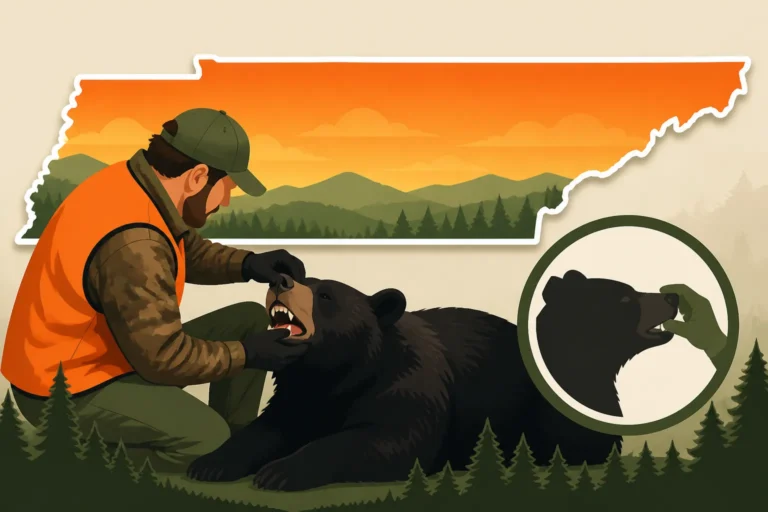
For those who prefer to process their deer themselves or hunt in areas further from staffed sampling stations, self-sampling is a convenient option. The TWRA provides detailed instructions and often instructional videos on how to properly collect the necessary lymph node sample. Generally, this involves removing the retropharyngeal lymph nodes, which are located at the back of the jaw, just below the ear. It might sound intimidating, but with a sharp knife and a clear guide, it's quite manageable.
Here’s a simplified breakdown, though always refer to the official TWRA guide for the most accurate and up-to-date instructions:
- Locate the Nodes: With the deer's head removed or laid out, carefully skin the neck and jaw area. The retropharyngeal lymph nodes are typically almond-shaped and tucked away behind the jawbone, near where the esophagus and windpipe diverge. There are usually two of them.
- Careful Removal: Using a clean, sharp knife, carefully dissect the nodes. It’s crucial to avoid cross-contaminating the sample with brain or spinal tissue, as these are high-risk tissues for prions.
- Package Correctly: Place the intact lymph nodes into a provided sample bag or a clean, sealable plastic bag. Make sure to clearly label the bag with all required information, such as your name, license number, county of harvest, and harvest date. This ensures the sample can be properly identified and linked to your specific deer.
- Drop Off: Deposit the labeled sample at a designated TWRA drop-off location or sampling station. Some stations might have specific collection containers for self-sampled kits.
Self-sampling empowers hunters to comply with CWD regulations even in more remote areas or on their own schedule. However, precision is key. If you're unsure, practice on a deer that isn't intended for consumption or seek guidance from an experienced hunter or TWRA official. This method aligns perfectly with the Deboning Venison Before Leaving the CWD Zone requirements, as you'll already be processing the animal in the field.
Using TWRA Drop-Off Locations and Managed Hunts
In addition to self-sampling, the TWRA offers several ways for hunters to submit samples, particularly during peak seasons. Many TWRA-staffed check stations operate during the opening weekends of deer season, especially in CWD-affected counties. These locations provide an opportunity to speak directly with wildlife officers, ask questions, and have your sample collected professionally. They often coincide with events for Why Tennessee's Gun Opener Draws the Biggest Crowds, making it convenient for many hunters.
For those participating in special managed hunts or Tennessee Deer Season Structure Explained on Wildlife Management Areas (WMAs) within CWD zones, sampling is often a mandatory or highly encouraged part of the check-out process. These hunts offer a controlled environment where the TWRA can efficiently collect a large number of samples, providing robust data for disease monitoring. Always check the specific rules for any WMA hunt you plan to attend, as CWD testing requirements will be clearly outlined.
Furthermore, the TWRA sometimes hosts special sampling events or mobile collection teams in response to new CWD detections or during specific times of the season. Keeping an eye on TWRA announcements, social media, and their official website is the best way to stay informed about these opportunities. Participating in these programs, whether mandatory or voluntary, is a direct contribution to the health of our deer herd and the sustainability of Tennessee hunting. It's another example of how Tennessee Deer Harvest Reporting Rules are becoming more integrated with disease management.
Navigating CWD Zones and Regulations
One of the most complex aspects of CWD management for hunters is understanding the specific regulations that apply to different CWD zones. Tennessee's approach involves defining Primary and Secondary CWD Zones, each with its own set of rules regarding carcass movement, feeding, and even hunting opportunities. It’s not just about getting your deer tested; it’s about understanding the geographical nuances of Tennessee's Chronic Wasting Disease Management Zone.
Primary and Secondary CWD Zone Differences
The TWRA categorizes CWD-affected areas into two main zones: Primary and Secondary. This distinction is crucial because the regulations vary significantly between them. Knowing which zone you're in before you head to the woods is non-negotiable for compliance.
-
Primary CWD Zones are those counties where CWD has been detected in wild deer. These are the "hot spots" where the disease is known to be present. In these zones, regulations are typically the most stringent. Carcass movement restrictions are tight, requiring specific deboning procedures if you plan to transport any part of the deer outside the Primary Zone. Additionally, baiting and feeding deer are usually prohibited to prevent the congregation of animals, which can accelerate disease transmission. Enhanced testing efforts are concentrated here, often with mandatory sampling for deer harvested during certain periods. These restrictions are in place to directly combat the disease's spread where it is most prevalent.
-
Secondary CWD Zones are those counties that border a Primary CWD Zone. While CWD may not have been detected yet in the wild deer population of a Secondary Zone, these areas are considered at high risk due to their proximity to infected areas. Regulations in Secondary Zones are designed to act as a buffer and prevent the spread of CWD into new territories. While carcass movement restrictions might be slightly less severe than in Primary Zones, they are still in place. For instance, you might be able to transport whole carcasses within a Secondary Zone, but not out of it into a non-CWD county. Baiting and feeding restrictions may also apply. These zones are crucial for early detection and preventing the disease from jumping into entirely new regions.
It's absolutely essential for hunters to know which zone their hunting area falls into. The TWRA publishes detailed maps of these zones, and services like GoHunt also provide overlays to help hunters visualize these boundaries. Ignorance of the zone regulations is not an excuse, and violating them can carry significant penalties. Always check the most current information before your hunt.
Carcass Deboning Requirements When Transporting
One of the most impactful regulations for hunters in CWD zones concerns the transport of deer carcasses. To prevent the inadvertent spread of CWD prions, strict rules are in place regarding what parts of a deer can be moved out of a CWD zone. Generally, the high-risk parts — brain, spinal cord, spleen, and lymph nodes — are restricted from leaving the zone unless deboned. This is where Deboning Venison Before Leaving the CWD Zone becomes a critical skill for any hunter operating in these areas.
If you harvest a deer in a Primary or Secondary CWD Zone and plan to take the meat home to a county outside these zones, you must debone the animal. This means separating all muscle tissue from the bone. The skull plate with antlers (cleaned of all brain and soft tissue), hides, and quarters without spinal column or brain material are typically allowed. However, whole carcasses, intact heads, or spinal columns are generally prohibited from leaving the CWD zone. This regulation applies whether you're taking your deer to a processor in another county or bringing it home to your own freezer.
It’s a hassle, no doubt. Field dressing and deboning a deer, especially a large one, in the field is extra work. But this rule is based on scientific understanding of CWD transmission and is critical for containing the disease. Many hunters have adopted the "gutless method" of field processing to make this easier, removing only the quarters, backstraps, and other desired muscle groups while leaving the skeleton and high-risk tissues behind. Make sure to have a good sharp knife and some game bags if you plan to field debone your harvest.
Here's a quick reference table for carcass transport rules from CWD Zones:
| Carcass Part | Allowed Out of Primary/Secondary CWD Zone (Generally) | Notes |
|---|---|---|
| Deboned meat (muscle tissue only) | Yes | All bone, nervous tissue, and organs removed. |
| Cleaned skull plate with antlers | Yes | All brain and soft tissue removed. |
| Hides (without head) | Yes | |
| Teeth | Yes | |
| Finished taxidermy mounts | Yes | Must be fully processed and clean of all biological material. |
| Whole carcass (skull, spine, organs intact) | No | Must be processed within the CWD zone or deboned to leave. |
| Intact head (with brain/nervous tissue) | No | Unless taken directly to an approved CWD sampling station/taxidermist within the CWD zone. |
| Spinal column or other high-risk tissues | No | Must remain in the CWD zone or be disposed of properly within the zone. |
| Gut piles | Yes (within CWD zone) | Should be left at the kill site or disposed of responsibly within the CWD zone. |
Always consult the most current TWRA regulations before transporting any deer carcass parts.
Special Hunting Rules and Programs in CWD Zones
In addition to carcass restrictions, CWD zones often have unique hunting regulations designed to help manage the disease. These can include increased antlerless harvest opportunities, specific hunt seasons, or programs like the "Earn-a-Buck" initiative. The goal is often to reduce overall deer density in affected areas, which can help slow the spread of CWD by limiting deer-to-deer contact. These adjustments are a critical component of the TWRA's overall CWD management strategy.
For instance, in some Primary CWD Zones, you might find increased antlerless bag limits, encouraging hunters to take more does. This helps manage population numbers and provides more opportunities for CWD testing. The TWRA also implements special youth hunts or extended seasons in these zones to maximize harvest opportunities and collect more samples. When planning your hunting trips, pay close attention to the DMUs One Through Three Antlerless Limits and DMUs Four Through Six Antlerless Limits as these can change for CWD impacted areas, sometimes offering additional tags specifically to help with disease management.
One notable program is Tennessee's How the Earn-a-Buck Program Works. This incentive program encourages hunters to harvest antlerless deer in CWD-affected counties. By harvesting and submitting an antlerless deer for testing, hunters can "earn" an additional antlered deer tag, increasing their opportunity to harvest a buck. This program serves a dual purpose: it helps control deer populations in high-risk areas and significantly increases the number of samples submitted for CWD testing, providing invaluable data to the TWRA. These specialized rules are a testament to the TWRA's proactive approach, adapting Tennessee deer season structure explained to address this evolving challenge.
Processing Your Harvest in CWD Areas
After you've successfully harvested a deer in a CWD-affected area and decided on testing, the next crucial steps involve proper field dressing, processing, and responsible disposal of carcass waste. These actions are paramount not only for ensuring the safety of your venison but also for preventing further environmental contamination and the spread of CWD. It's a critical part of the hunting process now, requiring careful attention to detail.
Best Practices for Field Dressing and Handling
When field dressing a deer in a CWD zone, minimizing the spread of potentially infectious materials is key. While CWD prions are most concentrated in the brain, spinal cord, lymph nodes, and spleen, it's wise to take precautions with all tissues. Wear disposable gloves, and if possible, use a dedicated knife for field dressing that is thoroughly cleaned afterward. Avoid contaminating meat with intestinal contents. Good hygiene can go a long way in preventing accidental spread.
It is recommended to field dress your deer at the kill site, especially if you plan to leave the gut pile there. This prevents the transport of high-risk tissues like the spleen and intestines outside the immediate area. If you need to transport the deer whole to a nearby processor or sampling station within the CWD zone, ensure it's contained to prevent drips or spills. For more guidance on this process, consider reviewing resources like Field Dressing a Deer in Cold Weather, which often include tips applicable to cautious handling regardless of temperature.
After field dressing, thoroughly clean all knives, tools, and surfaces that came into contact with the deer. A solution of 40% bleach to 60% water can be effective, followed by a thorough rinse. Remember, prions are incredibly resistant to conventional disinfectants, but good hygiene practices still reduce the risk of environmental contamination. The goal is to leave as little behind as possible that could potentially spread the disease.
Commercial Processor Guidelines in CWD Zones
If you typically take your deer to a commercial processor, it's essential to communicate with them if your deer was harvested in a CWD zone. Many processors within or near CWD zones are familiar with the regulations and often have procedures in place for handling these deer, including options for CWD testing. Some might even be designated TWRA sampling stations themselves, making the process smoother for you.
However, if you're attempting to take a deer from a CWD zone to a processor outside the CWD zone, remember the strict carcass deboning requirements. A reputable processor will likely refuse an intact carcass from a CWD zone unless it has been properly deboned and all high-risk tissues removed according to TWRA guidelines. Always call ahead and confirm their policies to avoid any surprises or wasted trips. Transparency with your processor is key to a smooth experience.
The best practice is to choose a processor within the CWD zone if you intend to process your deer whole. These processors are generally equipped to handle the waste disposal responsibly, relieving you of some of that burden. If you decide to Butchering a Deer at Camp yourself, ensure you understand all the requirements for safely disposing of the high-risk carcass parts you won't be consuming. This planning prevents potential legal issues and helps contain the disease.
Disposing of Carcass Waste Responsibly
Proper disposal of carcass waste is perhaps one of the most critical steps in preventing the further spread of CWD prions. High-risk tissues (brain, spinal cord, lymph nodes, spleen) and bones from CWD-positive or untested deer harvested in CWD zones should never be indiscriminately disposed of where other deer can access them. This includes leaving them on public land outside the immediate kill site, dumping them in ditches, or placing them in household trash that goes to a landfill not equipped to handle biological waste.
The most recommended method for disposing of high-risk carcass parts is to leave them at the kill site, deeply buried, or to bag them securely and dispose of them in an approved landfill within the CWD zone that accepts biological waste. Many TWRA-run check stations or sampling sites also have designated dumpsters specifically for CWD waste, providing a convenient and safe option. Always check with the TWRA or local authorities for the most up-to-date and specific disposal instructions for your area; these guidelines can change.
For hunters who debone their deer in the field, leaving the skeleton and gut pile at the kill site is often the most practical and recommended approach within a CWD zone. This minimizes the movement of potential prions. By adhering to these strict disposal guidelines, hunters play a crucial role in safeguarding the environment and preventing the long-term persistence of CWD prions in our valuable deer habitat. Your actions here have a direct impact on the future health of the deer.
The Future of CWD and Hunter Responsibilities
CWD is an ongoing challenge, and it's clear it will be part of Tennessee's hunting landscape for the foreseeable future. Our collective response as hunters, working alongside the TWRA, will determine its long-term impact. This means staying informed, adapting our practices, and remaining committed to ethical stewardship. It's not a temporary problem; it's a long-term commitment.
Ongoing Research and Management Strategies
The TWRA, in collaboration with universities and federal agencies, is continuously engaged in research to better understand CWD, its transmission, and potential mitigation strategies. This includes studies on deer movement, prion persistence in the environment, and the effectiveness of different management techniques like targeted culling or genetic resistance. The data we, as hunters, provide through testing is absolutely foundational to these research efforts, giving scientists the real-world information they need.
Management strategies are dynamic and will evolve as new scientific information becomes available. This might mean adjustments to hunting seasons, bag limits, or the boundaries of CWD zones. The TWRA's goal is always to balance disease management with maintaining healthy deer populations and providing sustainable hunting opportunities. Hunters can stay informed by regularly checking the TWRA website for updates and participating in public meetings or surveys when available. Your input and awareness are vital for these ongoing discussions.
It's a tough situation, but ongoing research offers hope for better tools and strategies in the future. Things like potential vaccines or methods to neutralize environmental prions are being explored, though they are still a long way off. In the meantime, the current strategies, heavily reliant on hunter cooperation, are our best defense. The partnership between hunters and wildlife managers is truly at the forefront of this fight.
Hunter Education and Advocacy
Education is our strongest weapon against CWD. It's not enough for a few hunters to be aware; widespread understanding of the disease, its implications, and the necessary precautions is vital for the entire hunting community. Hunter education programs, both formal and informal, are crucial for disseminating accurate information and fostering responsible practices. This shared knowledge strengthens our collective ability to respond to the challenge.
As informed hunters, we have a responsibility to share accurate information with our fellow outdoors enthusiasts, debunk myths, and encourage participation in testing and compliance with regulations. This advocacy can take many forms, from simply discussing the importance of CWD testing at deer camp to participating in local TWRA events or online forums. Organizations like the Tennessee Wildlife Federation also play a key role in hunter education and advocating for science-based wildlife management policies, and they are excellent resources.
Moreover, if you are planning to take a Tennessee Hunter Education Requirements course, you'll likely find CWD as a key topic. These courses are designed to instill a strong sense of responsibility and ethics in new hunters, covering not just safety but also conservation and disease awareness. Our collective knowledge and commitment are essential to facing this challenge head-on, ensuring that every hunter understands their role.
Long-Term Impact on Tennessee Deer Hunting
The presence of CWD in Tennessee is undeniably changing the landscape of deer hunting. It adds layers of complexity, from understanding new regulations and zones to modifying how we process and transport our harvests. For many, it's a somber reminder of the delicate balance of nature and our role in preserving it. The future of White-Tailed Deer Across Tennessee hinges on our actions today.
In the long term, we might see shifts in deer populations in heavily affected areas, potentially impacting hunting opportunities. The TWRA's efforts, supported by hunter data, aim to minimize these negative impacts and maintain a robust and healthy deer herd. This might mean continued emphasis on managing deer densities, particularly antlerless harvests, and ongoing surveillance. While it's a challenge, it's also an opportunity for hunters to become even more engaged and informed stewards of our wildlife resources. It pushes us to be better, more thoughtful conservationists.
Ultimately, the goal is to protect Tennessee's rich hunting tradition for generations to come. This means accepting the reality of CWD, embracing the responsibility that comes with it, and working together to implement the best possible management strategies. Our commitment to CWD testing, adherence to regulations, and active participation in conservation efforts will shape the future of deer hunting in our beloved state.
Disclaimer
The information provided in this article is for general guidance and informational purposes only. Hunting regulations, CWD zones, and testing protocols are subject to change by the Tennessee Wildlife Resources Agency (TWRA). Hunters are solely responsible for knowing and adhering to all current TWRA rules and regulations before participating in any hunting activities. Always consult the official TWRA website or contact a TWRA office for the most up-to-date and accurate information.