Tennessee Carcass Deboning Requirements
The frustration of hitting the woods, putting in the time, and successfully harvesting a beautiful Tennessee whitetail, only to then face a maze of regulations about how you can actually get your hard-earned venison home, is something every hunter can relate to. Especially with the ongoing challenge of Chronic Wasting Disease (CWD), understanding Tennessee's carcass deboning requirements isn't just a recommendation—it's absolutely essential for staying legal and doing your part to protect our deer herd. This guide will meticulously break down everything you need to know to navigate these rules with confidence and clarity.
Understanding the Threat of CWD in Tennessee
Before we dive into the nitty-gritty of deboning, it’s really important to grasp why these regulations exist in the first place. Chronic Wasting Disease, or CWD, isn't just another deer ailment; it's a fatal neurological disease that affects cervids like deer, elk, and moose. It's caused by abnormal proteins called prions, and once an animal contracts it, there’s no cure, and it's always deadly. The scary part? These prions can persist in the environment for years, even after an infected animal has decomposed.
The Silent Spread of Prions
Imagine a deer infected with CWD. As it lives its life, it sheds these infectious prions through saliva, urine, and feces. When that deer eventually dies, its carcass, especially the brain, spinal cord, and lymph nodes, contains a high concentration of these prions. If that carcass, or even just certain parts of it, is moved to a new area, it has the potential to introduce CWD to an entirely new, uninfected deer population. This is why the Tennessee Wildlife Resources Agency (TWRA) has implemented strict rules regarding the movement of deer carcasses, particularly out of known CWD-positive zones. It's a difficult but necessary step to try and contain the disease and protect the long-term health of our beloved White-Tailed Deer Across Tennessee.
Our Collective Responsibility as Hunters
It's easy to feel like these rules are just another layer of bureaucracy, another hurdle to jump through after a successful hunt. But in reality, they represent our collective responsibility as stewards of the land and its wildlife. Every hunter plays a crucial role in CWD management. By adhering to deboning requirements and proper carcass disposal, we’re actively participating in preventing the spread of this devastating disease. It’s a small inconvenience on our part that has massive implications for future generations of Tennessee hunters and the health of the entire ecosystem. Think about the impact if CWD were to spread unchecked through areas like the Cumberland Plateau Ridges or the rich Hunting West Tennessee Bottomland Deer habitats. Our actions matter.
Tennessee's CWD Management Zone Explained
The CWD Management Zone in Tennessee is where these specific deboning and carcass transport requirements primarily come into play. This zone isn't static; it's a dynamic area that expands as new CWD detections are made. It's absolutely crucial for every hunter to know if their hunting location falls within this zone, as it directly impacts what you can and cannot do with your harvest.
Identifying CWD-Positive Counties
Currently, the CWD Management Zone (CMZ) in Tennessee encompasses a growing number of counties, mainly in West Tennessee and extending into parts of Middle Tennessee. These are the areas where CWD has been detected in wild deer populations, making them high-risk for disease transmission. It includes counties like Fayette, Hardeman, Haywood, Madison, Tipton, Lauderdale, Crockett, Chester, McNairy, Henderson, Carroll, Gibson, Weakley, Henry, Benton, Humphreys, Perry, Hickman, Lewis, Maury, and portions of others. For the most up-to-date information, always check the official TWRA website or resources like a GoHunt mapping application, which often integrates these critical zone boundaries directly into their maps, making it easier to see Which Counties Sit Inside Tennessee's CWD Zone.
It’s important to understand that the TWRA constantly monitors the spread of CWD. If new cases are detected in a county previously outside the zone, that county will be added. This means what was a non-CWD zone last year might be a CWD zone this year. Hunters need to stay vigilant and check the most current regulations every season, and even during the season if they move to a new hunting area. It's not uncommon for hunters to be surprised when their go-to spot suddenly falls under new regulations, highlighting the importance of regular checks.
Navigating the CMZ Boundaries
Hunting near the edge of the CMZ can be particularly tricky. Imagine you're hunting in a county adjacent to a CWD-positive county. Even if your specific hunting parcel isn't in the CMZ, if you plan to transport your deer across the CMZ boundary, you still need to be aware of the rules. The primary goal is to prevent any CWD-positive material from leaving the CMZ and potentially infecting deer outside of it. This means if you harvest a deer inside the CMZ, whether you live inside or outside, the deboning requirements generally apply if you intend to move certain parts of the carcass out of the zone. This strict boundary enforcement is a key part of how the TWRA attempts to contain How CWD Spread East From West Tennessee.
Knowing exactly where these lines are drawn is paramount. Many hunters utilize advanced mapping tools like GoHunt to clearly visualize public and private land boundaries, as well as critical zones like the CMZ. These tools, paired with the TWRA's official resources, can help prevent an unintentional violation. Always double-check your hunting spot’s location relative to the CMZ before you even head out.
The Specifics of Carcass Deboning Requirements
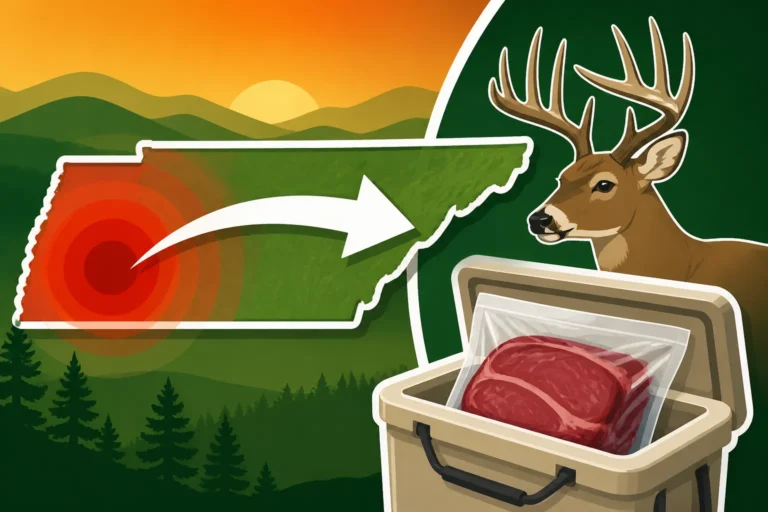
Alright, let's get down to what you actually need to do with your deer if you harvest it in the CWD Management Zone and intend to transport it out of that zone. The core principle is simple: remove any parts of the carcass that are most likely to carry CWD prions before you leave the zone. This typically means anything involving the brain, spinal cord, and certain lymph nodes.
What Must Be Removed
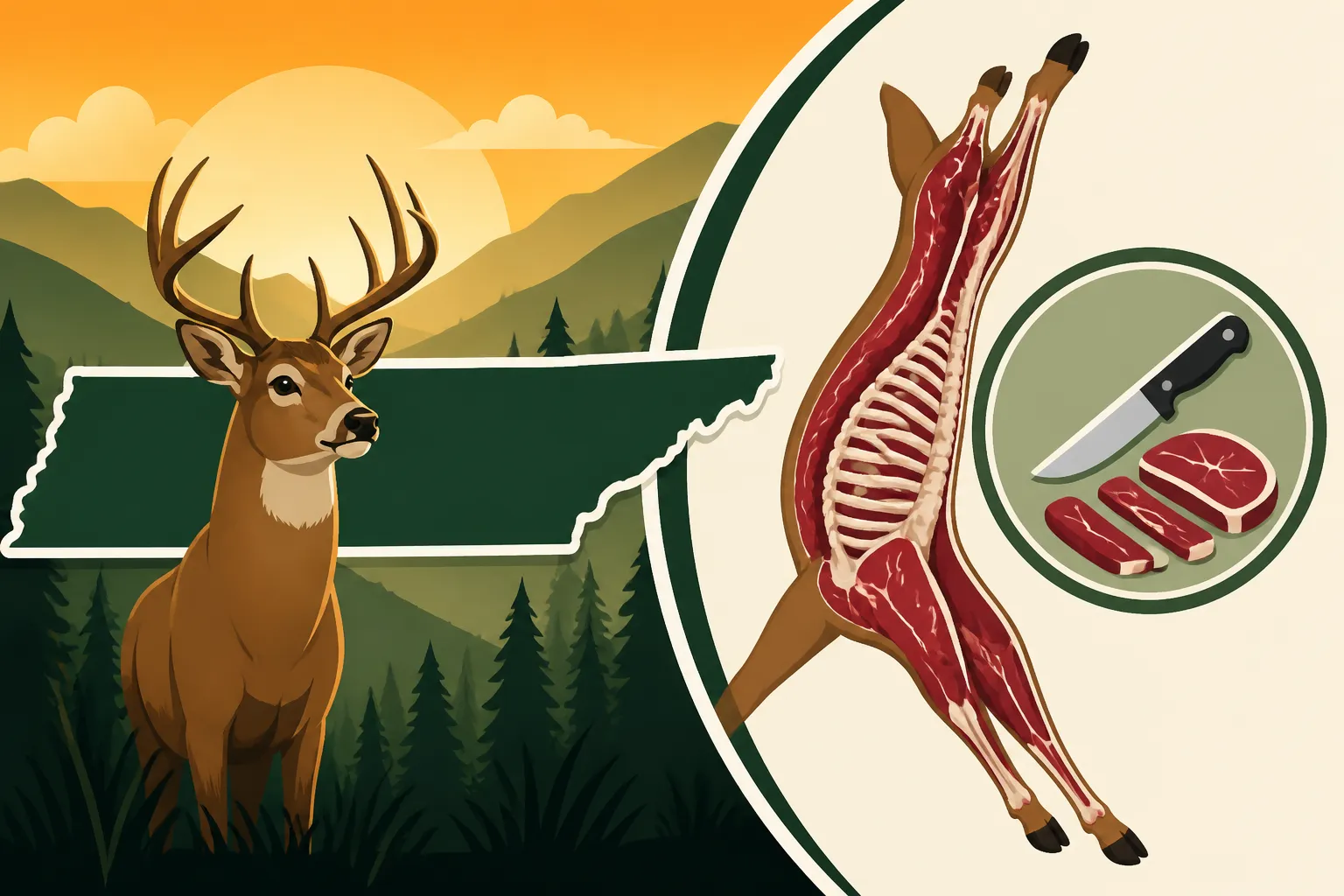
When you're within the CWD Management Zone, and you've harvested a deer that you plan to take outside of it, you must adhere to strict deboning requirements. The rule generally states that you can only transport the following parts of a harvested deer out of the CWD Management Zone:
- Deboned meat: This is the muscle tissue that has been completely separated from the bone.
- Antlers/Shed Antlers: These are generally fine, though it's always wise to ensure any skull fragments are removed, especially if attached to a skull plate.
- Cleaned skull plates or skulls: If you want to keep the skull for a European mount or taxidermy, the skull must be completely free of all brain matter and soft tissue. This usually involves boiling or pressure washing the skull.
- Cleaned teeth: Individual teeth are permissible.
- Hides: Hides are generally okay, as long as no brain or spinal tissue is attached.
- Finished taxidermy products: Once a deer has been fully processed by a licensed taxidermist within the zone, the finished product is fine to transport.
- Meat that has been processed and packaged by a licensed meat processor: This is a great option if you have access to a processor within the CWD zone.
Basically, if it can carry prions, it needs to be processed within the CWD zone before it crosses the boundary. This means no whole carcasses, no intact heads, and no spinal columns leaving the zone. It's a big shift for some hunters who are used to just throwing a whole deer in the back of the truck, but it's a vital step for disease control.
Parts That Cannot Be Transported
To make it explicitly clear, here are the parts of a CWD-zone harvested deer that you cannot transport out of the CWD Management Zone:
- Whole carcasses: This is the most obvious one.
- Heads with brain material: Even if you want to get a European mount done elsewhere, the head must be cleaned of all brain tissue before it leaves the CWD zone.
- Spinal columns: This includes the entire backbone.
- Lymph nodes: These are often attached to certain meat cuts, so careful deboning is essential.
- Eyes: Often removed with the skull.
- Internal organs (viscera): Unless they are completely deboned and separated.
This table provides a quick visual summary of what's allowed versus what's not:
| Permitted for Transport OUT of CWD Zone (if harvested IN CWD Zone) | NOT Permitted for Transport OUT of CWD Zone (if harvested IN CWD Zone) |
|---|---|
| Deboned meat (muscle tissue only) | Whole carcasses |
| Cleaned skull plates (no brain/tissue) | Intact heads (with brain material or soft tissue) |
| Antlers/Shed antlers (with no attached tissue) | Spinal columns (including entire backbone) |
| Cleaned teeth | Internal organs (unless completely deboned meat) |
| Hides (no brain/spinal tissue attached) | Lymph nodes (often found near bone/meat junctions) |
| Finished taxidermy products | Eyes |
| Meat processed by a licensed facility within the CMZ |
This might seem like a lot to remember, but with practice, it becomes second nature. Think of it as another step in your field dressing routine, just one that requires a bit more precision and attention to detail.
Preparing Your Harvest for Transport
Now that we understand what the rules are, let's talk about the practical side of how to comply. Field deboning might sound intimidating if you've never done it, but it's a skill that every hunter in or near a CWD zone should develop.
Field Deboning Techniques
Field deboning a deer, especially a larger one, isn't something you want to learn under pressure in the dark. It’s best to practice at home first. Essentially, you'll be removing all the muscle tissue from the bone while in the field. This can be done relatively quickly with the right tools and a little know-how.
First, you'll want a sharp knife—a good fixed blade and a smaller, flexible knife are ideal. A bone saw or reciprocating saw can be handy if you're taking a skull plate, but for deboning, your knife is your primary tool. Start by skinning the deer. Once skinned, you can begin to separate the large muscle groups from the bone. Think about the four quarters, the backstraps, and the tenderloins. You can remove these in large chunks, then trim them further to ensure all bone, connective tissue, and fat (where lymph nodes might hide) are removed. It's much like Butchering a Deer at Camp, but done earlier and with specific intent to remove bone.
Many hunters find it easiest to quarter the animal first, then debone each quarter. For instance, you can take off a front shoulder, lay it on a clean tarp or game bag, and then carefully cut the meat away from the shoulder blade and humerus. Do the same for the hindquarters, removing the large muscle groups like the hams. The backstraps and tenderloins are relatively easy to remove cleanly. Remember, the goal is to leave all bone and nervous system tissue behind. This isn’t just about compliance; it’s about respect for the animal and our shared resources.
Tools and Gear for Deboning
Having the right gear makes this process much smoother. A good set of game bags is non-negotiable. After you debone your meat, you’ll want to place it immediately into breathable, clean game bags to protect it from dirt, insects, and to allow it to cool properly. Companies like Allen and Outdoor Edge offer quality game bags specifically designed for field use. If you are in warmer weather, having Coolers and Game Bags for Early Archery is even more critical.
- Sharp Knives: At least two, with a sharpener or strop. Consider a sturdy fixed blade and a smaller, flexible knife.
- Game Bags: Multiple breathable bags for each deboned portion.
- Gloves: Nitrile gloves are a must for hygiene and to protect your hands.
- Tarp or Ground Cloth: To keep your meat clean while working.
- Headlamp: Absolutely essential if you’re working into the evening or before dawn.
- Water/Wipes: For cleaning hands and tools.
- Saw (optional): For skull plates if desired.
When field deboning, especially if you’re alone, a GoHunt mapping tool can be invaluable for pinpointing your exact location within the CWD zone, ensuring you perform all necessary steps before moving to a non-CMZ area. It also helps with navigation out of the woods once the work is done.
Disposing of Carcass Waste Responsibly
Deboning in the field means you'll have a pile of bones, the skull (if not taken for taxidermy), and other non-meat parts. Proper disposal of these materials within the CWD zone is just as critical as the deboning process itself. You cannot simply leave them anywhere, especially not near public roads or where other deer might easily come into contact with them.
On Public and Private Land
If you're hunting on public land within the CWD zone, such as a Wildlife Management Area (WMA) or portions of Cherokee National Forest Hunting that might fall into a CWD risk area in the future (though currently, most of Cherokee is outside the main CMZ), the best practice for carcass disposal is to leave the remains at the kill site. However, make sure to move the remains well off any trails or roads where they might be disturbed or seen by others. Spreading the remains out can help speed up decomposition. The key is to keep all high-risk parts (brain, spinal cord, lymph nodes) within the CWD zone where the deer was harvested.
For private land, you have more flexibility. You can bury the carcass remains on the property where the deer was harvested, ensuring it's deep enough to deter scavengers (at least 2-3 feet). Alternatively, some landfills within or near CWD zones are designated to accept deer carcasses. Always check with your local TWRA office or county waste management facility for specific guidance on approved disposal sites. Never dispose of CWD-positive waste in areas where deer or other cervids might come into contact with it.
TWRA Carcass Drop-Off Points
Recognizing the challenges hunters face, the TWRA often establishes carcass collection sites or drop-off points within or very close to the CWD Management Zone during deer season. These sites are specifically designed to accept high-risk carcass parts, ensuring they are disposed of safely and responsibly. Before heading out, make it a habit to check the TWRA website or call your local TWRA office to see if there are any active drop-off locations near your hunting area. Using these designated sites is the safest and most recommended method for disposing of unwanted carcass parts. It completely removes the risk of inadvertently spreading CWD.
Additionally, don’t forget about Tennessee CWD Testing for Hunters. Even if you follow all deboning guidelines, getting your deer tested, especially if harvested in or near the CMZ, provides valuable data to the TWRA and contributes to monitoring efforts. Many of these carcass drop-off points also serve as CWD sampling stations.
Staying Informed and Compliant
The landscape of CWD management is constantly evolving. New detections, updated scientific understanding, and shifting zone boundaries mean that staying informed is not a one-time task but an ongoing commitment for every responsible hunter.
Utilizing Official TWRA Resources
The Tennessee Wildlife Resources Agency (TWRA) website is your absolute best source for the most current and accurate information regarding CWD, its management zone, deboning requirements, and disposal guidelines. They regularly update maps, regulations, and offer FAQs specifically tailored to hunters. Bookmark their CWD section and make it a habit to review it before and during hunting season. They also provide information on Tennessee's Chronic Wasting Disease Management Zone and Tennessee Carcass Deboning Requirements.
Beyond the website, the TWRA's social media channels and local offices are excellent resources. Don't hesitate to call your regional TWRA office if you have any questions or are unsure about a specific situation. It’s always better to ask than to unknowingly violate a regulation. Wildlife officers would much rather answer a phone call than write a citation for a preventable mistake.
The Role of Technology and Community
In today's digital age, technology plays a vital role in helping hunters stay compliant. Mapping applications, like GoHunt, can overlay CWD zone boundaries directly onto their interactive maps, allowing you to instantly see if your current location or planned route crosses a critical line. This kind of real-time information can save you a lot of headache and ensure you're always operating within the law. Many of these apps also allow you to save offline maps, which is incredibly useful when Scouting Tennessee Public Land Before Season where cell service might be spotty.
Furthermore, engaging with your local hunting community, clubs, and online forums can be a great way to stay informed. Fellow hunters often share updates, tips, and personal experiences that can help clarify ambiguities. However, always double-check any information gleaned from informal sources with official TWRA channels to ensure accuracy. A collective, informed hunter base is our strongest defense against the spread of CWD.
It's also worth remembering that all deer harvested in Tennessee must be reported. Understanding Tennessee Deer Harvest Reporting Rules is another layer of responsibility that hunters undertake, and these reports provide critical data for wildlife management, including CWD monitoring.
Disclaimer
Please remember that hunting regulations, especially those pertaining to Chronic Wasting Disease, are subject to change. Always consult the official Tennessee Wildlife Resources Agency (TWRA) regulations guide or website for the most current and accurate information before heading afield. This guide provides general information and should not be considered a substitute for official state regulations.