Dragging a Deer Out of a Steep Hollow
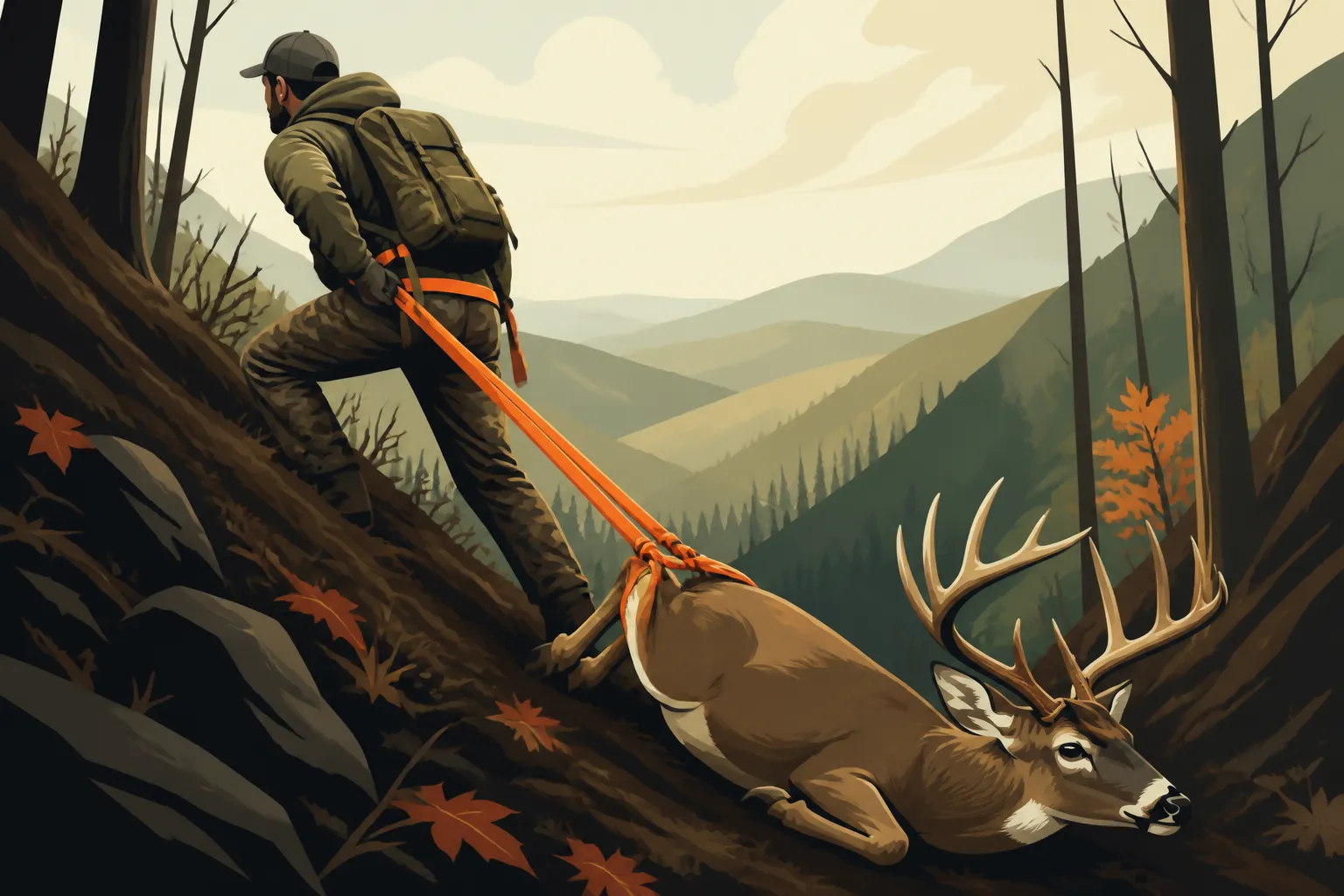
There are few feelings quite as exhilarating as the moment you make a clean shot on a Tennessee deer, followed quickly by the sinking realization that your trophy buck or plump doe decided to expire at the bottom of the steepest, nastiest hollow on the whole property. We've all been there: staring down into a ravine, knowing the hard work has just begun. This guide is here to walk you through the most effective and safest ways to retrieve a deer from even the most challenging steep hollows in Tennessee.
Assessing the Recovery Challenge in Tennessee's Terrain
Successfully recovering a deer from a steep hollow isn't just about brute strength; it's about smart planning, understanding the terrain, and having the right tools. Tennessee's diverse landscape, from the rugged mountains of the Cherokee National Forest to the rolling hills of the Cumberland Plateau and even the surprisingly steep river breaks of West Tennessee, presents unique challenges that can turn a successful hunt into a grueling ordeal if you're not prepared.
Understanding the Steep Hollow Environment
Imagine the scene: you've climbed up a ridge, found your stand location, and hours later, your deer takes off, only to pile up hundreds of feet below you in a tangle of thick briars and downed timber. This isn't just a simple drag across a flat field. Steep hollows in Tennessee often feature loose shale, slick mud, dense leaf litter that hides obstacles, and an abundance of fallen trees. You might encounter hidden springs, muddy creek crossings, or massive boulders camouflaged by thick vegetation. The ground can be incredibly unstable, especially after a rain, turning a slight incline into a treacherous slide. Safety is paramount here; a twisted ankle or a fall with a heavy deer can turn a tough recovery into a genuine emergency. Think about the conditions you're walking into – how slick is the ground? Are there hidden roots or rocks under that thick carpet of autumn leaves?
Factors Influencing Your Recovery Plan
Before you even think about grabbing the deer, take a moment to assess the situation. Several factors will dictate your approach to recovery.
- Deer Size and Antler Configuration: A small doe is far easier to handle than a mature buck with a wide rack. Antlers can get snagged on every twig and vine, making a tough drag even more frustrating. Sometimes, you might need to consider field dressing the deer right where it lies to reduce weight and bulk, especially if it's a long way up a steep incline.
- Weather Conditions: A beautiful, crisp autumn day is one thing, but recovery after a night of freezing rain or a sudden downpour is entirely different. Wet ground means less traction, increased slipping hazards, and a colder, heavier deer. Conversely, warm weather means you need to prioritize speed to preserve the meat, which can add pressure to an already difficult situation.
- Time of Day and Light Availability: Did you get your deer right before dark? You'll be working against the clock. Even if it's still light, consider how long the recovery might take and if you'll need headlamps for the journey out. Losing your way in a deep hollow after dark with a deer in tow is not a situation you want to find yourself in. Always carry good lighting, even if you don't anticipate needing it.
- Available Manpower and Gear: Are you hunting solo or with a partner? A second (or third) set of hands can make a monumental difference. Similarly, having the right gear – which we'll discuss next – can turn an impossible task into a merely difficult one. If you're on your own, your strategy will likely involve more creative use of ropes and leverage.
- Proximity to Roads/ATV Trails: How far is the nearest accessible point? Is it a straight shot through relatively open woods, or will you be navigating dense thickets and steep ravines for a long distance? Knowing your exit strategy and potential staging points for vehicles or ATVs (where legal) can greatly influence your initial recovery steps. Using a reliable mapping app like GoHunt can be a lifesaver here, allowing you to mark the deer's location, scout potential exit routes, and visualize the topography from a satellite view. This pre-hunt scouting can literally save you hours of struggle after the shot. For more on planning your hunts, check out our guide on Scouting Tennessee Public Land Before Season.
Essential Gear and Techniques for Steep Hollow Deer Recovery
Once you've assessed the situation, it's time to gather your tools and formulate a plan. You might be surprised how much easier things become with the right equipment and a little know-how.
Must-Have Gear for Tough Extractions
Don't head into Tennessee's rugged terrain without these essentials if you anticipate a difficult recovery.
- Deer Drags/Harnesses: Forget trying to grab a deer by its legs and pulling. A purpose-built deer drag or harness distributes the weight better and provides a much more ergonomic grip. Options range from simple nylon straps that loop around the head and antlers to full body harnesses that allow for multiple pull points. Some models are designed to go over your shoulder, freeing up your hands for balance.
- Ropes (Multiple Lengths, Quality): This is your secret weapon. Carry at least two strong ropes, one shorter (10-15 feet) and one longer (50-100 feet). They are invaluable for winching, creating pull systems, or even simply extending your reach. Look for synthetic ropes that are strong, lightweight, and don't absorb too much water. Paracord is fine for light utility, but you'll want something more substantial, like a climbing rope or heavy-duty utility rope, for pulling a deer.
- Gloves (Heavy-Duty): You'll be pulling, gripping, and potentially clearing brush. Good work gloves will save your hands from blisters, cuts, and scrapes. Look for gloves with good grip, especially if the ground is wet.
- Knives (for Field Dressing): Reducing the weight of the deer can be crucial. If you're deep in a hollow, performing a thorough field dress or even the "gutless method" on the spot can make the drag significantly lighter. Ensure your knife is sharp and you have a backup. We have a detailed guide on Field Dressing a Deer in Cold Weather that covers some of these techniques.
- Headlamps: As mentioned, even if you start a recovery in daylight, things can take longer than expected. A reliable headlamp (or two, with extra batteries) is non-negotiable for safety and efficiency after dark.
- Water and Snacks: This isn't a casual stroll. Recovering a deer from a steep hollow is hard physical labor. Stay hydrated and keep your energy up.
- Mapping Apps: While not "gear" in the traditional sense, having a robust mapping app like GoHunt on your phone is like having a seasoned guide in your pocket. Before you even head out, you can use GoHunt's topographic maps and satellite imagery to identify potential escape routes for deer, mark your stand location, and crucially, scout the easiest (or least difficult) path out of any low-lying areas. This foresight can literally save hours of struggle trying to drag a deer uphill through an impossible thicket. Understanding the terrain features is key, and tools like this can truly shine, especially when you're Reading Aerial Photos for Cumberland Plateau Deer.
Solo Recovery Techniques
If you're hunting alone, getting a deer out of a steep hollow requires smarts over pure muscle.
- The "Rope and Tree" Method for Winching: This is a classic for a reason. If you have a rope and a sturdy tree uphill from your deer, you can create a makeshift winch. Tie one end of your long rope securely to the deer's head/neck. Throw the other end over a strong branch or around the trunk of a tree uphill. Now, you can pull the deer upwards, using the tree as a pulley point. For added mechanical advantage, you can use a basic Z-drag system if you carry a few carabiners and a short piece of accessory cord, effectively multiplying your pulling power. Pull a few feet, secure the rope, then reposition yourself and pull again. This can be slow, but it works wonders for steep inclines.
- Field Dressing in Place to Reduce Weight: For larger deer, especially bucks, removing the entrails immediately can reduce the total weight by 20-30%. If you're in a CWD zone, be aware of specific regulations regarding Deboning Venison Before Leaving the CWD Zone. Even just removing the gut pile makes the deer significantly easier to move.
- Utilizing Natural Terrain Features as Leverage Points: Look for logs, boulders, or even dips in the ground that you can use to your advantage. If you need to turn the deer, leverage its weight against a solid object. If you need to slide it over a log, lift one end and then pivot it. It's about working with the environment, not against it.
Team Recovery Strategies
Bringing a buddy changes everything. What might be impossible alone becomes manageable with a partner.
- The "Relay" Method with Multiple People: If you have 2-3 people, you can leapfrog the drag. One person pulls from the front, while another pushes or lifts from behind, especially over obstacles. For very long, steep pulls, one person can pull while the others take turns resting or spotting hazards.
- Using a Sled or Game Cart Where Possible: While a game cart might be useless in truly steep, rocky terrain, a simple deer sled can be invaluable even for navigating through brush and over smaller obstacles. If you can get the deer onto a sled, it slides much more easily over uneven ground and reduces friction. Once you reach flatter, more open terrain, you might be able to transition to a Deer Sleds for Ridge Country if your route permits.
- Importance of Clear Communication: When multiple people are involved, clear communication is critical. "Ready?", "Pull!", "Stop!", "Watch for that stump!" – these simple commands prevent injury and wasted effort. Assign roles and stick to them.
Navigating Specific Tennessee Obstacles and Safety Considerations
Tennessee's woods are beautiful, but they can be unforgiving. Understanding how to manage specific hazards and prioritizing safety will ensure everyone, and the deer, makes it out in one piece.
Dealing with Dense Cover and Water Crossings
The struggle often isn't just the incline, but what's on the incline.
- How to Maneuver a Deer Through Thick Briars, Rhododendron Thickets, and Downed Timber: This is where the long rope shines. Sometimes, the easiest path isn't a straight line. You might need to pull the deer slightly off course to navigate around a thick patch of briars or a massive blowdown. Use your short rope to create handles on the deer's head or antlers for better control. If the cover is too dense, you may need to literally cut a path with a small folding saw or heavy-duty loppers you've packed in your Packs for a Cherokee Forest Day Hunt. For rhododendron thickets common in East Tennessee, sometimes the best approach is to push the deer over the top rather than trying to drag it through.
- Safely Crossing Creeks and Small Rivers: Water crossings add another layer of complexity. If the water is shallow, you might be able to drag the deer straight through. For deeper or swifter water, you'll need to be more careful. Remove your pack and tie it to a secure point on the deer, or carry it yourself. Ensure the deer's head is pointing upstream to reduce resistance. Be mindful of slippery rocks and uneven bottoms. If the current is strong, consider if there's an alternative, safer crossing point upstream or downstream.
- Protecting the Meat from Dirt and Water: Dragging a deer through mud and water can contaminate the meat. If possible, use a game bag or even a large tarp to wrap the deer, especially the torso, before dragging it through particularly messy sections. This also helps reduce friction on the deer itself, making the drag a bit smoother.
Maximizing Leverage and Minimizing Strain
Getting a heavy deer over obstacles is a lesson in physics, not just strength.
- Techniques for Getting a Deer Over Logs or Up Steep Banks Without Injury: For large logs, try to lift one end of the deer at a time and pivot it over. If you have two people, one can lift the head while the other lifts the hindquarters. For steep banks, sometimes it's easier to position the deer perpendicular to the bank, lift its head over, then pivot the rest of the body up, using the bank as a fulcrum. A sturdy stick or small log can be used as a lever to help lift the deer a few inches.
- Using a "Piggyback" Drag for Short, Extremely Steep Sections: This is a last-resort method for truly impossible short sections. With a strong partner, one person can get on their hands and knees, and the other person carefully lifts the deer onto their partner's back/shoulders (like a saddle), while the person underneath crawls. This minimizes friction and concentrates power but is extremely strenuous and should only be used for very short, critical sections.
- Importance of Proper Body Mechanics: Always lift with your legs, not your back. Keep the deer close to your body when lifting. When dragging, try to stay low and use your core. Take frequent breaks. A back injury from a deer recovery will haunt you far longer than the memory of the deer.
Safety First: Preventing Accidents
Your life and well-being are always more important than a deer.
- Never Hunt Alone in Extremely Rugged Terrain: This is a golden rule. If you must, ensure you have a detailed plan, share it with someone, and have emergency communication devices.
- Always Tell Someone Your Plans: Inform family or friends of your exact hunting location, expected return time, and any contingency plans. A simple text can be the difference in an emergency.
- Watch for Unstable Footing: Loose rock, wet leaves on a steep slope, muddy creek banks – these are all prime spots for falls. Take your time, test your footing, and use trekking poles if you have them for added stability, especially when Hunting Cumberland Plateau Ridgelines.
- Dehydration and Exhaustion Prevention: Pack enough water and high-energy snacks. Take regular breaks to rest, rehydrate, and assess your progress. Pushing too hard when exhausted increases the risk of accidents.
- Wildlife Encounters: While rare, be aware of venomous snakes (like timber rattlesnakes, especially in the warmer months) or even black bears, particularly if you're in bear country like the Cherokee National Forest. Bears are typically shy, but a gut pile can attract them. Always be aware of your surroundings.
Post-Recovery Care and Reporting in Tennessee
You've done the hard work, now ensure your harvest is properly handled and reported according to Tennessee regulations.
Field Care Once You're Out
Congratulations on getting your deer out! But the job isn't quite finished.
- Getting the Deer Cooled Down Quickly: This is crucial for meat quality, especially if you had a long, warm recovery. If it's still warm, prop the cavity open with a stick, or hang the deer to allow air circulation. A cool, shady spot is ideal.
- Protecting It From Scavengers: If you're leaving the deer for any period, even while you go get a vehicle, cover it with a tarp or game bags to deter opportunistic scavengers like coyotes or buzzards.
- Transporting to the Processor or Home: Once out of the hollow, transfer the deer to your vehicle or truck bed. If it's a long drive, consider covering the deer with a tarp and ice to keep it cool, particularly if the weather is mild. If you're planning on doing your own processing, our guide on Butchering a Deer at Camp offers some great tips.
Reporting Your Harvest
Tennessee has clear rules for reporting your deer harvest, and failing to comply can lead to penalties.
- Reminder About Tennessee's Harvest Reporting Requirements: All harvested deer in Tennessee must be reported to the TWRA. This can typically be done online through the Go Outdoors Tennessee website or app, by phone, or at a licensed check station. Make sure you understand the specific reporting deadlines. For a detailed walkthrough, consult our guide on Reporting a Tennessee Deer Harvest Online.
- CWD Zone Considerations: If you harvested your deer in one of Tennessee's Chronic Wasting Disease (CWD) management zones, there are additional rules regarding the transportation and processing of deer carcasses. You must adhere to these regulations to help prevent the spread of CWD. If you plan to leave the CWD zone with your deer, you’ll likely need to debone the meat. Learn more about these rules in our article on Deboning Venison Before Leaving the CWD Zone. Always stay updated on the latest TWRA regulations regarding CWD zones, which can change.
Remember, every recovery is a learning experience. With the right preparation, tools, and mindset, you can successfully retrieve your deer, no matter how steep the hollow.
Disclaimer
The information provided in this guide is for educational and informational purposes only and is not intended as legal advice or a substitute for official Tennessee Wildlife Resources Agency (TWRA) regulations. Hunting laws and regulations can change frequently. Always consult the most current TWRA hunting guide and local ordinances before engaging in any hunting activities. Safety should always be your top priority.