Hunting Small Private Tracts in Tennessee
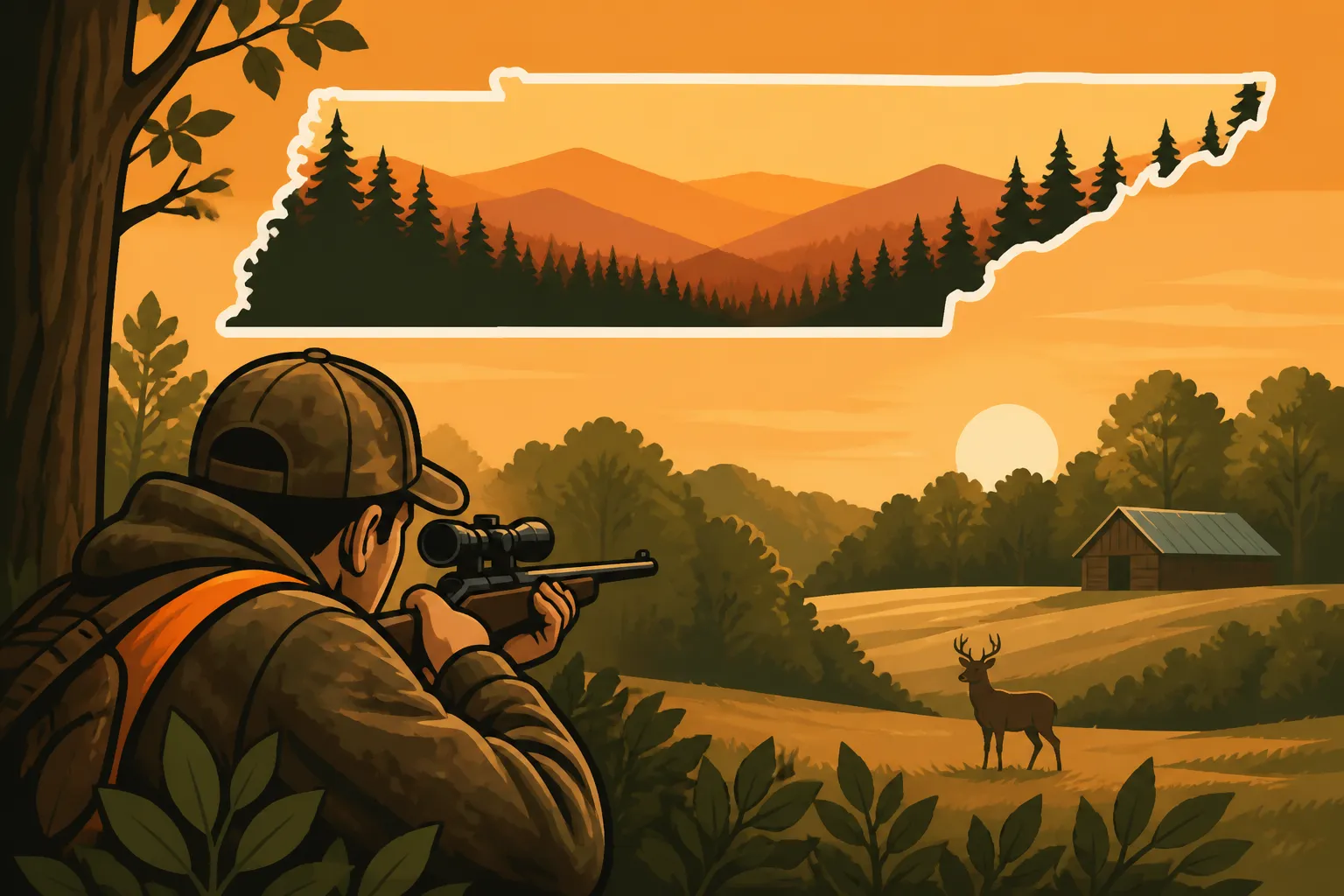
Hunting small private tracts in Tennessee can feel like a daunting challenge, especially when you compare it to the vastness of public lands or the expensive allure of large hunting leases. Many of us don't have acres upon acres at our disposal, but that doesn't mean we can't find incredible success. This guide will walk you through the ins and outs of securing access and effectively hunting those often-overlooked small parcels, helping you turn limited acreage into prime hunting ground.
Securing Permission on Small Private Land
Gaining access to hunt private land, especially smaller tracts, is often more about building relationships than just asking for a spot. It's a skill that pays dividends and can open up opportunities you might never have imagined.
The Art of Asking Nicely
The first step is often the hardest: approaching a landowner. This isn't just about knocking on a random door; it's about being respectful, prepared, and understanding their perspective. Start by identifying potential properties – small woodlots adjacent to suburban areas, creek bottoms winding through fields, or even overgrown fencerows near pastures can hold deer. Before you even knock, consider what value you can offer. Do you have experience with nuisance animal control, like coyotes or wild hogs? Are you willing to help with light chores, like mending fences or clearing brush? Sometimes, simply offering to keep an eye on their property is enough. When you do approach, dress neatly, be polite, and have a clear, concise request. Explain that you're a responsible hunter who values safety and respect for their property. Many landowners have had bad experiences, so differentiating yourself from the start is crucial. For more on the legalities, check out our guide on Getting Private Land Permission in Tennessee.
Often, a simple, "Good afternoon, my name is [Your Name], and I was admiring your property. I'm a local hunter, and I was wondering if you ever allow anyone to deer hunt here?" can start the conversation. Be prepared for a "no," but also be ready to listen to their concerns. Maybe they have cattle, or kids playing in the woods. Address these concerns directly and offer solutions. For instance, if they mention cattle, explain you'll only hunt away from the pasture and ensure all gates are closed. If they're worried about safety, highlight your use of tree stands and knowledge of safe shooting lanes. Remember, you're asking for a favor, so humility and politeness go a long way.
Don't be discouraged by initial rejections. Sometimes, it's about timing. They might have just given permission to someone else, or they might be busy. Thank them for their time and leave your contact information with a polite note. You never know when circumstances might change, or if they might refer you to someone else. Persistence, coupled with genuine respect, can often lead to unexpected opportunities down the road.
Building Trust and Rapport
Once you've secured initial permission, even for a short trial period, your goal shifts to building a long-term relationship. This is where many hunters falter. It’s not just about showing up with your bow and leaving a deer. It's about being a good neighbor and a trustworthy individual. Always communicate your hunting plans. Let them know when you'll be on the property and where you intend to be. If you see anything out of the ordinary on their land – a fallen tree, suspicious activity, or a broken fence – report it to them. Offer to share some of your harvest; venison is always a welcome gift! Beyond hunting, look for opportunities to help. A simple offer to help load hay, fix a gate, or even just check on their house when they're away can solidify your position.
Small gestures often speak volumes. A Christmas card, a small gift around the holidays, or simply checking in outside of hunting season can make a huge difference. Think of it as a partnership. You're getting valuable hunting access, and in return, you're providing an extra set of eyes, a trustworthy presence, and potentially helping manage their local deer herd. This reciprocal relationship ensures that when seasons roll around next year, you'll likely still have a spot, and perhaps even gain access to more of their land or a neighboring tract.
Understanding Liability Concerns
Landowners often worry about liability, and rightfully so. In Tennessee, there are specific laws that offer some protection to landowners who allow recreational use of their property without charge. Tennessee Code Annotated § 70-7-102 (and related statutes) generally limits a landowner's liability for injuries to recreational users, provided no fee is charged and certain conditions are met. However, this doesn't completely absolve them of all responsibility. Knowing this can help you address their concerns proactively.
One way to ease a landowner's mind is to offer to sign a written liability waiver. While not foolproof, it demonstrates your understanding and willingness to take responsibility for your own actions. You can also carry your own liability insurance, often available through hunting organizations like the National Deer Association or various outdoor groups. While Do You Need Written Permission in Tennessee? might primarily focus on the legal requirement, it also subtly touches on the importance of clarity for liability reasons. Having a simple written agreement, even if not strictly legally required, can provide peace of mind for both parties. Always hunt safely, ethically, and within the law, as your actions reflect directly on the landowner and their willingness to host hunters.
Scouting and Strategizing for Limited Acreage
Hunting small tracts requires a different mindset than sprawling public lands. Every acre counts, and understanding how deer use limited space is paramount.
Identifying Key Features and Bottlenecks
On a small parcel, deer movement is often highly concentrated around key features. These aren't always grand geographical elements like major ridges or river bottoms, but can be subtle: a thicket of briars, a small ditch, a lone persimmon tree, or a brushy fenceline. Look for pinch points where deer are funneled through naturally. This could be a narrow strip of woods between two fields, a creek crossing, or a bottleneck created by thick cover on one side and an open pasture on the other. Even a dilapidated old barn or an abandoned equipment shed can create a natural travel corridor if it provides cover. Tools like satellite imagery (from GoHunt or similar apps) are invaluable for identifying these subtle features before you even step foot on the property.
Spend time walking the property edges and interior, looking for traditional deer sign: rubs, scrapes, and well-worn trails. Pay particular attention to how deer enter and exit the property. Are they slipping in from a large timber block next door to hit a small food source you've identified? Or are they bedding in your thicket and using a specific trail to browse an adjacent field? Understanding these micro-movements is key. A logging road cutting through a small woodlot, for example, can be a major travel route or even a scrape line magnet, as discussed in Scrape Lines Along a Logging Road.
Here's a quick checklist for scouting small tracts:
| Feature Type | What to Look For | Significance |
|---|---|---|
| Cover | Thick briars, fallen timber, dense cedar patches, wetlands | Primary bedding areas, security from pressure |
| Food Sources | Oak trees, persimmons, small ag fields, honeysuckle, browse | Attracts deer for feeding |
| Water Sources | Creeks, small ponds, marshy areas, ditches | Essential for deer survival, often travel routes nearby |
| Travel Corridors | Fence lines, ditches, narrow strips of woods, old roads | Funnels deer movement, good for stand placement |
| Sign | Rubs, scrapes, fresh tracks, droppings, trails | Indicates current deer activity and preferred routes |
Minimizing Pressure and Managing Expectations
On small tracts, hunting pressure is your biggest enemy. A single hunt can push deer off a property for days or even weeks. Your goal must be to minimize your impact. This means judiciously choosing your hunting days, carefully planning your entry and exit routes, and being incredibly disciplined about how often you hunt. If you have only 20 acres, hunting it every weekend is a recipe for disaster. Consider hunting only during prime conditions, such as during the rut in early November or when a cold front pushes deer to feed aggressively in late season, as detailed in Hunting Deer After a January Cold Front.
Manage your expectations. You might not see dozens of deer, but the few you do see might be exactly what you're looking for. The beauty of small tracts is that they can often hold a mature buck seeking refuge from pressure on larger, more frequently hunted areas. Focus on quality over quantity in your sightings. If a small property is simply a travel corridor between two larger blocks of cover, then your goal might be to intercept a moving deer rather than finding one that beds there. Understanding how deer might simply use your parcel to transit between areas, like when Hunting a Funnel Between Two Bottoms, can be a game-changer.
Adapting to Adjacent Property Influences
Small tracts rarely exist in isolation. What's happening on the neighboring property profoundly impacts your hunting. Is the adjacent land a sanctuary that deer rarely leave? Is it heavily hunted, pushing deer onto your smaller, safer parcel? Are there significant food sources next door that draw deer off your land? Using aerial maps (again, GoHunt is excellent for this) and even talking to the landowner about what they know about their neighbors can provide invaluable context. For example, if a large cornfield borders your woodlot, deer might bed in your woods and feed in the corn, creating a specific evening pattern.
This knowledge directly influences your strategy. If deer are bedding next door and only coming onto your land to feed, you'll want to focus on evening hunts near food sources and have an exit strategy that doesn't blow them out. Conversely, if your property provides the primary bedding for deer that feed elsewhere, morning hunts near bedding areas (with careful entry) might be more productive. Always consider the wind and thermals, especially when hunting close to property lines, as covered in Wind and Thermals on a Ridge System. You don't want your scent drifting onto the neighbor's land and alerting deer before they even reach your property.
Effective Hunting Tactics for Smaller Properties
Once you've done your homework and secured permission, it's time to put boots on the ground with a smart hunting approach.
Stand Placement and Entry/Exit Routes
On small properties, stand placement becomes incredibly precise. You're not looking for a general area; you're looking for the exact tree that intercepts deer movement without alerting them to your presence. Often, this means setting up on the downwind side of a trail or pinch point, with good cover to break up your outline. Consider how deer will approach your stand and if you have clear shooting lanes for those angles. Think about the sun's position – you don't want to be backlit at prime time. Hanging a stand on a specific ridge feature might require a particular approach, similar to what you'd consider when Hanging a Stand on a Cumberland Ridge.
Crucially, your entry and exit routes must be bulletproof. You need to be able to get to and from your stand without bumping deer, especially during low light conditions. This might mean wading a shallow creek, walking through a noisy gravel driveway, or taking a much longer, circuitous route through open fields that are less likely to hold deer at dawn or dusk. Avoid walking through bedding areas or directly over major travel corridors on your way in or out. Sometimes, utilizing features like ditches or fencerows for cover during your approach is key.
Low-Impact Hunting Methods
For small tracts, low-impact hunting is the name of the game. This means minimizing your scent, noise, and visual presence. Consider using a mobile hunting setup, like a saddle or lightweight lock-on stand, that allows you to quickly adapt to fresh sign or changing conditions without leaving permanent structures that might spook deer. If you're using a ground blind, ensure it's well-brushed in and set up days or even weeks in advance to allow deer to get used to it. Our guide on Using a Ground Blind on Tennessee Public Land offers some great tips that translate perfectly to private land.
Still-hunting or slow-stalking can also be incredibly effective on small, thick properties, particularly if you have an intimate knowledge of the terrain and deer movements. This involves moving slowly, taking a few steps, and then pausing to scan and listen for extended periods. It allows you to cover ground quietly and react to what you hear or see without committing to a static stand location. However, it requires immense patience and skill to avoid busting deer.
The Importance of Wind and Thermals
Wind and thermals are always important in hunting, but on small private tracts, they are absolutely critical. With limited space, deer are highly attuned to their environment, and your scent is the quickest way to blow a hunt. Always hunt with the wind in your favor, ensuring your scent is carried away from where you expect deer to approach. This might mean you can only hunt a particular stand with a specific wind direction, but it's far better to wait for the right conditions than to educate deer by hunting a bad wind.
Thermals, which are rising and falling air currents, play a significant role, especially in hilly or creek bottom terrain. In the mornings, air often flows downhill, carrying your scent into low-lying areas. In the evenings, air typically rises, carrying your scent uphill. Understand how these patterns will affect your chosen stand location. If you're hunting a small woodlot in a creek bottom, your morning thermal will likely push your scent down the creek, making an elevated stand less effective if deer are approaching from below. Conversely, an evening hunt in the same spot might be perfect if deer are approaching from higher ground, as your scent will rise above them. This nuanced understanding is why detailed pre-scouting and using apps like GoHunt that integrate wind direction and thermal predictions are so valuable.
Maximizing Your Success and Maintaining Access
Hunting small private tracts isn't just about the immediate hunt; it's about fostering long-term relationships and expanding your opportunities.
Post-Hunt Etiquette and Relationship Building
After a successful hunt, your work isn't over. This is a prime opportunity to reinforce that positive relationship with the landowner. Always inform them of your success. If you harvested a deer, offer to show it to them, or even offer to share some of the meat. A clean, respectful field dressing of the animal, possibly taking the carcass far from their visible property, demonstrates your commitment to their land. Make sure you don't leave any trash or unnecessary signs of your presence. If you used a ground blind or temporary stand, remove it promptly after the season, or as agreed upon.
A follow-up thank you note or phone call, even if you didn't harvest anything, goes a long way. Simply reiterating your appreciation for the opportunity helps solidify that trust you've worked to build. Remember, word-of-mouth travels fast in rural communities. If you're a responsible, respectful hunter, that reputation can open doors to other small tracts. If you're careless or disrespectful, it can quickly shut them. Consider that your actions on this small parcel could influence your ability to gain permission elsewhere, or even get you a shot at Hunting Small Private Tracts in Tennessee for years to come.
Thinking Beyond Deer Season
Don't limit your interaction to just deer season. Offering to help with chores outside of hunting season, or simply checking in, keeps you top-of-mind and reinforces your commitment. Some landowners might welcome help with various tasks, such as clearing downed trees after a storm, helping with spring planting, or even just offering a hand during hay season. The more you make yourself a valuable asset, the more likely you are to retain and expand your hunting opportunities.
Additionally, consider other types of hunting. Small tracts are often excellent for small game like squirrels and rabbits, which might provide additional opportunities to be on the land and build rapport without the intensity of deer hunting. Some landowners might even welcome help with predator control, such as calling coyotes in Tennessee farm country, especially if they have livestock. These broader offerings can turn a seasonal permission into a year-round relationship, making you an invaluable resource to the landowner and cementing your access to quality hunting.
Disclaimer
Please be aware that hunting regulations, license requirements, and access rules can change. Always consult the most current Tennessee Wildlife Resources Agency (TWRA) regulations before heading afield. This guide is for informational purposes only and does not constitute legal advice.