Grouse Hunting Cumberland Plateau Cover
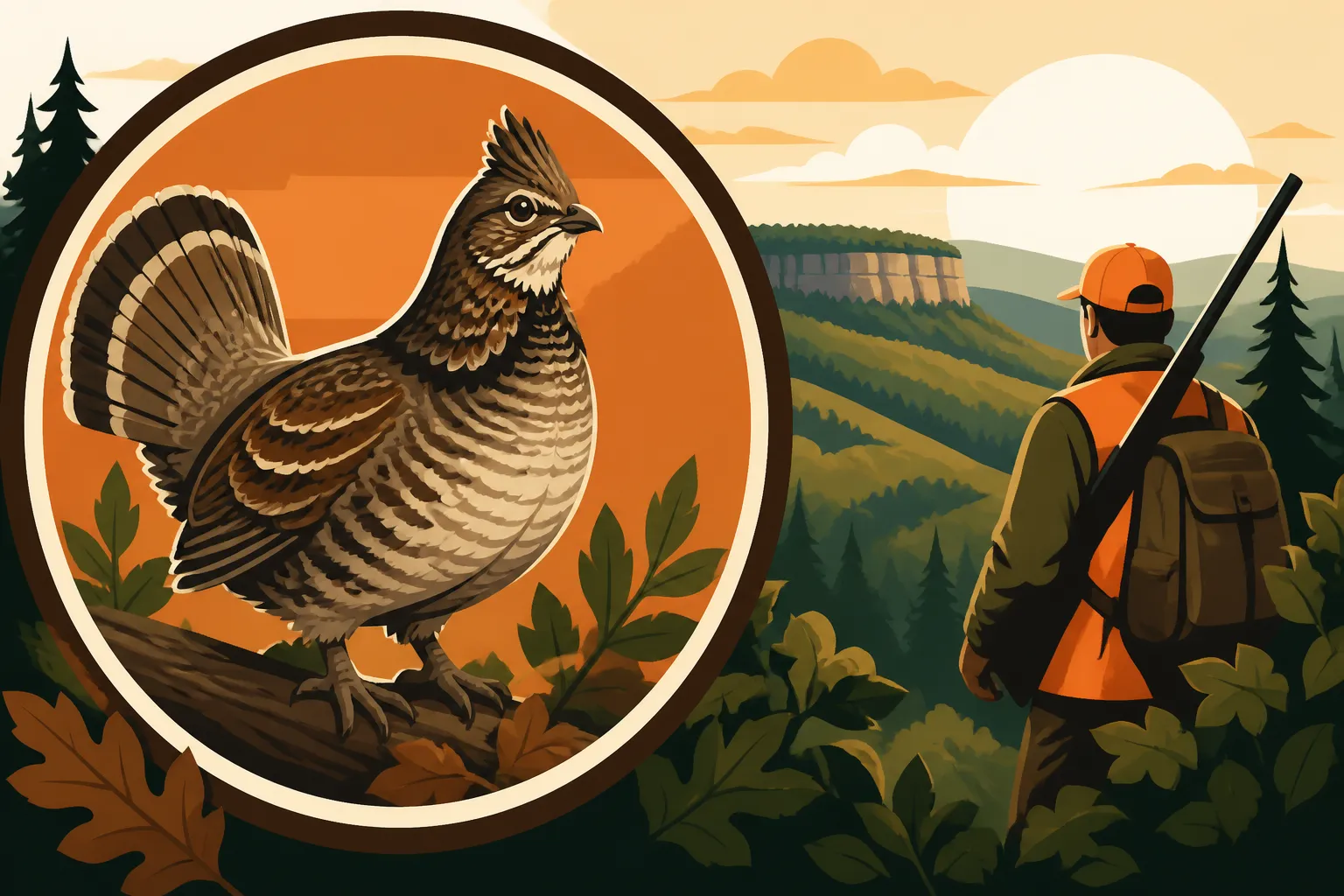
Hunting ruffed grouse on Tennessee's Cumberland Plateau can feel like searching for a ghost in a green hell. These elusive birds thrive in thick, young forest cover, often in places that make you question your life choices, tangled in briars and rhododendron thickets that seem impenetrable. It's a challenging endeavor that tests your resolve, your legs, and sometimes, your sanity, but the reward of a thundering flush and a successful shot is unlike anything else in the uplands. This comprehensive guide will walk you through the unique habitats of the Cumberland Plateau, effective hunting tactics, and the essential gear you'll need to chase these magnificent birds.
Understanding Cumberland Plateau Grouse Habitat
The Cumberland Plateau, stretching across much of Middle and East Tennessee, is a truly unique geological and ecological region. Its rugged terrain, characterized by deep hollows, steep ridges, and an abundance of mixed hardwood and pine forests, provides a patchwork of cover that grouse call home. However, finding these pockets of prime habitat requires more than just walking into the woods; it demands an understanding of their specific needs.
Identifying Ideal Covert Types
Ruffed grouse are creatures of early successional forests. This means they prefer young, regenerating timber stands, usually less than 20-30 years old, that offer dense overhead and understory cover. Think clear-cuts, old logging roads that have grown over, natural disturbance areas from storms, or even old farm fields that are slowly reverting to forest. These areas provide protection from aerial predators like hawks and owls, and ground predators like coyotes and bobcats, while also offering crucial food sources. Look for areas with a high stem count per acre – places where you can barely see twenty yards in any direction. Specifically, on the Cumberland Plateau, focus on areas with dense mountain laurel, rhododendron thickets, and young hardwoods like oak, maple, and poplar, especially where they're mixed with scattered pine. The combination offers both shelter and diverse food options. When exploring potential areas, don't overlook old strip mine reclamation sites, if accessible, as these often grow back in thick, brushy vegetation that grouse love. It's not always pretty hunting, but it's effective.
Reading the Terrain for Grouse Sign
Beyond just dense cover, grouse prefer specific micro-habitats within these larger areas. They often seek out south-facing slopes in winter for warmth and north-facing slopes in warmer weather for cooler temperatures. Look for areas with reliable water sources, even small seeps or trickles, as grouse need to drink. Identifying potential food sources is also key. Grouse have a diverse diet, consuming buds, catkins, leaves, ferns, and various berries and seeds. Acorns, especially from smaller oak species, are a particular favorite in the fall. In late season, they might be found near greenbriar thickets, which provide both food and exceptional cover. Scouting these areas, even before the season opens, can give you a significant advantage. Pay attention to droppings (small, firm pellets), dusting bowls (small depressions where they dust themselves), and tracks in soft ground or snow. While challenging, learning to identify reading a ridge for East Tennessee deer can sometimes overlap with understanding grouse movement patterns, as both species utilize cover and food on these varied landscapes.
Tactics for Flushing and Shooting Grouse
Grouse hunting is an active pursuit that requires constant movement and sharp senses. Unlike deer hunting, where patience in a stand is often key, grouse hunting is all about putting boots on the ground and moving through the thick stuff.
Walking Strategies and Dog Work
If you're lucky enough to hunt with a well-trained bird dog, your chances of success increase dramatically. A good pointing dog will locate birds, hold them on point, and allow you to get into position for a shot. However, even with a dog, you still need a strategy. Work your dog in a grid pattern or slowly along contours, ensuring every bit of good cover is investigated. Pay close attention to your dog's behavior; a slight change in tail wag or head position can indicate a bird is near. Without a dog, you become the "flusher." This means walking deliberately, often zig-zagging, through thickets. Stop frequently (every 10-20 yards) for 10-30 seconds. Grouse are known to sit tight and often flush when you resume movement, catching you off guard. This stop-and-go method can be surprisingly effective. When working with partners, spread out to cover more ground, but always maintain visual or vocal contact for safety. Consider coordinating small "drives" through prime cover, similar to deer drives with three or four hunters, to push birds towards waiting gunners. Remember, grouse are notorious for flushing out of range or behind dense cover, so anticipate where they might go and be ready.
Shot Opportunities and Follow-Through
When a grouse explodes from cover, it's often an exhilarating, heart-stopping moment. They rocket away with incredible speed and agility, often weaving through trees and brush. The key to a successful shot is to stay calm, shoulder your shotgun smoothly, and swing through the bird. Don't try to aim; instead, focus on a fluid motion, letting your instincts take over. Most shots will be close-range, often within 20-30 yards, so quick reflexes are paramount. If you miss the first shot, quickly prepare for a second, though many grouse disappear after the initial flush. After a shot, mark the exact spot where the bird was hit or where it appeared to fall. Even if you don't see it drop, always thoroughly search the area. These birds are experts at disappearing into dense vegetation, and a downed bird can be incredibly difficult to find. Use landmarks, tie a piece of flagging tape, or drop your hat to mark the spot. If hunting with a dog, let them work to retrieve, but be ready to assist in the search.
Essential Gear and Preparation for Plateau Grouse
Grouse hunting on the Cumberland Plateau isn't a casual stroll; it's a physically demanding endeavor that requires specific gear to keep you safe, comfortable, and effective. Being prepared can make the difference between a frustrating day and a successful one.
Shotguns and Ammunition Choices
For ruffed grouse, a fast-handling, lightweight shotgun is ideal. Most grouse hunters prefer 20-gauge or 28-gauge shotguns, as they are lighter to carry all day and offer enough punch for these smaller birds. While a 12-gauge will certainly do the job, its added weight can be noticeable by the end of a long day of bushwhacking. A shorter barrel, typically 24-26 inches, is also beneficial for navigating dense thickets and swinging quickly on flushing birds. Open chokes, like improved cylinder or skeet, are highly favored because most shots are close and fast, allowing the pattern to open quickly. For ammunition, choose lighter loads with smaller shot sizes. Number 7.5 or 8 shot is standard for grouse. These smaller pellets create a denser pattern, increasing your chances of connecting with a fast-flying bird without over-penetrating the bird at close range, preserving more meat. Some hunters even prefer 9 shot, especially in situations where shots are consistently very close. Just like when you're considering best shotgun gauge for Tennessee squirrel, remember that fast, light loads are key for quick, close shots in thick cover.
| Gauge | Ideal Shot Size | Choke Recommendation | Barrel Length (inches) | Primary Benefit |
|---|---|---|---|---|
| 12-Gauge | 7.5, 8 | Improved Cylinder, Skeet | 26-28 | Versatile, wider pattern |
| 20-Gauge | 7.5, 8, 9 | Improved Cylinder, Skeet | 24-26 | Lightweight, good balance |
| 28-Gauge | 8, 9 | Improved Cylinder, Skeet | 24-26 | Very lightweight, fast |
| .410 | 8, 9 | Improved Cylinder | 24-26 | Ultra-light, expert-level |
Clothing, Navigation, and Safety
Your clothing needs to be tough, breathable, and provide protection from briars, thorns, and insects. Brush pants for Tennessee fencerows are an absolute must; look for durable canvas or synthetic materials with reinforced fronts. A good upland vest, ideally one with upland vests with water capacity, is essential for carrying shells, water, a first-aid kit, and of course, your birds. Blaze orange is crucial for safety, especially when hunting with partners or on public land where other hunters might be present. Check the current Tennessee regulations for specific blaze orange requirements. For your feet, sturdy, comfortable, and waterproof boots for walking Tennessee ridges are non-negotiable. You'll be covering miles over uneven, often wet, terrain.
Navigation on the Cumberland Plateau can be tricky, even with familiar ground. A GPS unit or a reliable mapping app on your smartphone, like GoHunt, is vital for staying oriented and avoiding trespass onto private property. Download offline maps before you go, as cell service is often spotty or nonexistent in many grouse areas. A compass and paper map are also excellent backups. Lastly, safety cannot be overstated. Carry a small first-aid kit, let someone know your hunting plan, and be aware of your surroundings, especially if you're hunting in areas known for Tennessee timber rattlesnake range. Remember that Tennessee Ruffed Grouse Decline has made finding these birds harder than ever, so thorough scouting and preparedness are more important than ever. While Tennessee grouse season status can vary, usually it aligns with small game seasons, so make sure your licenses are in order. And for those without a dog, mastering flushing grouse without a dog becomes your primary skill, demanding even more attention to terrain and movement. You'll want to review your route on a mapping platform like GoHunt to understand elevation changes and identify potential escape routes for the birds, especially where dense cover transitions to more open woods.
Disclaimer
This article is for general informational purposes only and does not constitute professional advice. Laws, prices and regulations vary by location and change over time. Consult a qualified professional for guidance on your specific situation.