Tennessee Deer Camp Traditions
There’s something truly special, almost sacred, about the rhythm of deer camp in Tennessee. In a world that often feels rushed and disconnected, the deer camp offers a vital anchor, a place where generations gather, stories are shared, and the pursuit of whitetails becomes a vehicle for deeper bonds. This guide will explore the rich, often unwritten, traditions that define deer camp across the Volunteer State, from the camaraderie to the cherished rituals that make it so much more than just a hunting trip.
The Enduring Spirit of Tennessee Deer Camp
For many, deer camp isn't just a place; it's a state of mind, a return to simpler times and a grounding experience that renews the spirit. It’s where the outside world fades, and the focus shifts to the woods, the game, and the people around you.
More Than Just a Hunting Trip
Think about it: when else do you consistently get to spend uninterrupted time with family and friends, unplugged from the daily grind, all working towards a common goal? Deer camp is where old friendships are rekindled, new ones are forged, and family ties are strengthened. It’s a place of shared purpose, whether that’s strategizing the morning hunt, collaborating on a hearty meal, or simply listening to the crackle of a campfire. The shared anticipation of the dawn, the quiet reverence of the forest, the palpable excitement of a successful hunt – these are the intangible elements that elevate deer camp beyond mere recreation. It's an escape, a yearly pilgrimage for many Tennessee hunters, a chance to step away from the concrete jungle and immerse themselves in the wild. You learn so much from the elders, and you get to pass that knowledge on to the younger hunters, ensuring that the legacy continues.
Setting the Scene: Locations and Atmospheres
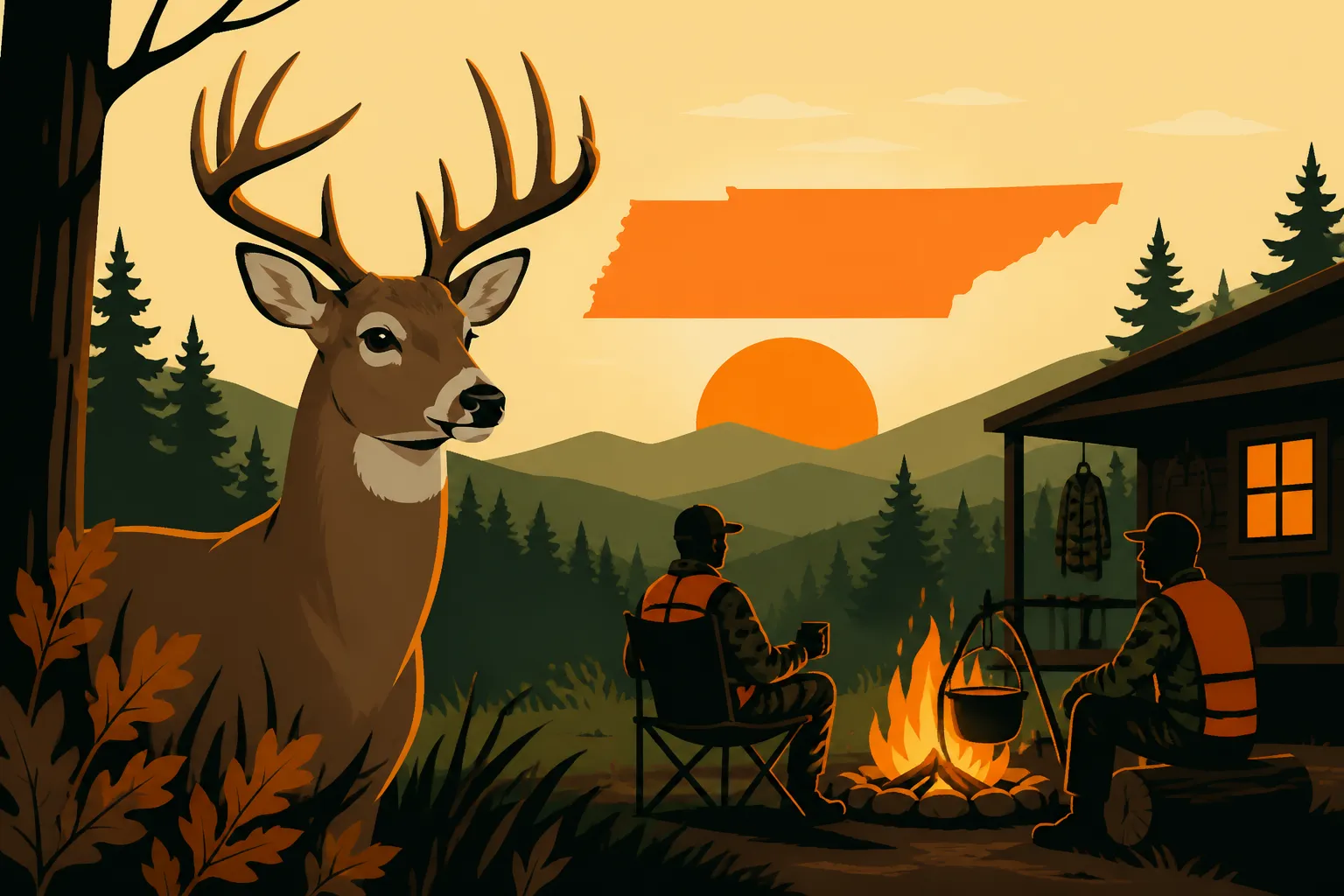
Tennessee's diverse landscape offers a myriad of settings for deer camp, each with its own unique flavor. You might find a rustic, weathered cabin nestled deep in the mountains of the Cherokee National Forest, its walls holding decades of hunting lore and tall tales. Here, the camp might be primitive, relying on wood stoves and kerosene lamps, emphasizing a true back-to-basics experience. Further west, in the rolling hills of the Highland Rim or the fertile bottomlands of the Mississippi River, deer camps often consist of mobile homes, travel trailers, or even tent cities set up on leased private land or near public access points. Think of the camps around the West Tennessee River Bottoms, where hunters might gather in a cluster of RVs, sharing generators and propane heaters, creating a lively community atmosphere after a cold, damp morning hunt. Each location, whether it’s a permanent structure or a temporary setup, becomes a sanctuary, a place where stories are amplified, and the scent of woodsmoke and venison chili hangs heavy in the air. The type of camp often dictates the traditions – a remote mountain camp might focus more on self-sufficiency and bushcraft, while a more accessible farm-country camp might be all about shared meals and larger gatherings.
Classic Tennessee Deer Camp Activities and Rituals
The traditions of deer camp are woven into every aspect of the hunting experience, from the pre-dawn preparations to the evening celebrations. These rituals define the experience and create lasting memories.
Pre-Hunt Preparations and Morning Rituals
The alarm clock at deer camp often sounds well before the sun even thinks about showing its face. There’s a quiet urgency in the pre-dawn hours, a flurry of purposeful activity. The first smell to hit your nose is usually strong coffee brewing, its aroma cutting through the cold morning air. Hunters gather, some still bleary-eyed, others already wide awake with anticipation, discussing the wind direction, temperature changes, and where they plan to hang a stand on a Cumberland Ridge. Gear is checked one last time: licenses and permits confirmed (you don’t want to forget your Tennessee Hunting Licenses and What They Cost!), ammunition counted, and bows or rifles double-checked. Safety is paramount, especially when handling firearms, and there's often a quiet reminder to ensure everyone is wearing their Tennessee Blaze Orange Requirements before stepping foot into the timber. A quick, hearty breakfast, often bacon and eggs or biscuits and gravy, fuels the body for the chilly walk to the stand. Before heading out, there's usually a final huddle, a whispered "good luck," and then the creak of boots on frosted ground as everyone disperses into the darkness, guided by flashlights and a keen sense of direction, perhaps aided by modern mapping apps.
The Hunt Itself: Shared Experiences and Solo Pursuits
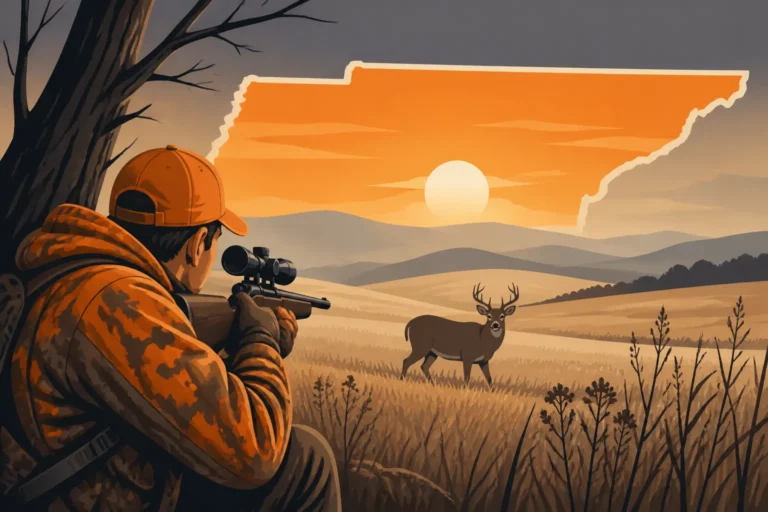
Once dispersed, the hunt itself often becomes a solitary endeavor, a quiet communion with nature. Hours can pass in silence, broken only by the rustle of leaves, the distant call of a crow, or the rapid thumping of your own heart when a twig snaps unexpectedly. This solitary time in the woods allows for reflection, observation, and a deep appreciation for the landscape. But even in solitude, there's a shared experience. You're acutely aware that your campmates are out there too, each experiencing their own quiet vigil. For some, the hunt might involve sitting patiently in a treestand overlooking a food plot; for others, it might be actively still-hunting through a creek bottom for late-season deer. When a shot rings out, there’s an immediate, primal response back at camp – a hopeful pause, an unspoken question.
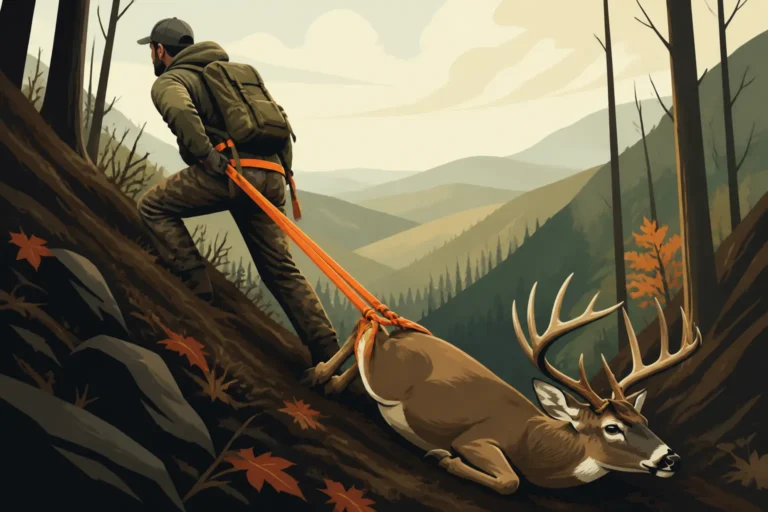
In some camps, especially on larger tracts of land, group efforts like Deer Drives With Three or Four Hunters are a strong tradition. These involve a coordinated push through cover, with "drivers" pushing deer towards "posters" positioned strategically. This requires communication, trust, and a deep understanding of the land and deer movement. Whether it’s a solo sit or a coordinated drive, the goal remains the same: to ethically harvest a deer. And when success strikes, the shared effort of tracking, field dressing, and hauling the animal back to camp becomes another bonding experience, often turning arduous work into a triumphant journey.
Post-Hunt Traditions: Processing and Storytelling
Bringing a deer back to camp is a pivotal moment, marking the transition from the thrill of the hunt to the satisfying work of processing. This is where traditions truly shine. The process usually begins with field dressing, a necessary and often chilly task, especially if you’re Field Dressing a Deer in Cold Weather. Depending on the camp setup, the deer might be hung, skinned, and butchered right there, a communal effort where experienced hands guide new ones. In areas like Tennessee's CWD management zone, careful attention is paid to rules like Deboning Venison Before Leaving the CWD Zone to prevent the spread of the disease. Every step, from skinning to quartering, becomes a practical lesson in anatomy and meat care.
Once the hard work is done, and the venison is cooling or being packed away, the real heart of deer camp kicks in: the storytelling. Around a crackling fire or a warm stove, hunters gather, hot drinks in hand, to recount the day’s adventures. Missed shots become near misses, small deer grow into giants, and every rustle in the leaves transforms into a close encounter. This is where the legends are born and embellished, where a bit of good-natured ribbing is common, and where the collective experience of the day is processed and cemented. Many hunters use their phones or apps, perhaps even a logging feature on something like GoHunt, to track their successful harvests, documenting the details that will fuel these stories for years to come. And, of course, the final step for any successful hunt is to Reporting a Tennessee Deer Harvest Online, ensuring the TWRA has accurate data for herd management.
| Deer Camp Activity | Purpose | Typical Timing | Key Benefits |
|---|---|---|---|
| Morning Coffee/Breakfast | Fuel & final strategy session | Pre-dawn | Energy, camaraderie, hunt planning |
| Gear Check | Ensure readiness & safety | Before heading out | Prevents issues, promotes safe habits |
| The Hunt | Pursuit of game, nature immersion | Dawn until dusk | Challenge, focus, connection to wild |
| Field Dressing | Prepare harvest for transport/processing | Immediately after harvest | Meat preservation, essential skill development |
| Deer Processing | Prepare meat for consumption/storage | After field dressing | Self-sufficiency, ensures quality meat |
| Storytelling | Share experiences, pass down lore | Evening/around campfire | Entertainment, bonding, learning |
| Communal Meals | Sustenance & fellowship | Throughout the day/evening | Strengthens bonds, comfort |
| Mentoring | Teach skills & ethics to new hunters | Ongoing | Preserves tradition, educates new generation |
The Heart of the Camp: Food, Fellowship, and Family
Beyond the thrill of the hunt, it’s the simple, profound acts of sharing food, laughter, and wisdom that truly define Tennessee deer camp. These are the moments that truly nourish the soul.
The Camp Kitchen: Meals That Matter
The camp kitchen, whether it’s a full-sized stove in a cabin or a portable burner under a tarp, is the undisputed heart of deer camp. There’s an undeniable magic to the food prepared and shared here. It’s not about gourmet dining; it’s about hearty, comforting meals designed to warm cold bodies and replenish tired spirits. Imagine the smell of thick-cut bacon and eggs sizzling before dawn, or a rich venison chili simmering slowly all day, filling the cabin with its savory aroma as hunters return from the woods. Later, a cast-iron skillet filled with fried potatoes and onions might accompany a fresh backstrap. These meals are rarely elaborate but always memorable, cooked with love and devoured with gusto. The act of preparing and sharing these meals is a tradition in itself, with different camp members often taking turns cooking, or everyone pitching in to chop vegetables or wash dishes. Even something as simple as Cooking a Wild Turkey Breast can be adapted for venison, becoming a cherished camp delicacy, celebrating the bounty of the land and the success of the hunt. It’s during these mealtimes that the day’s stories flow freely, strategies for tomorrow are debated, and the bonds of friendship and family are deepened with every shared plate.
Passing It On: Mentoring and Youth Involvement
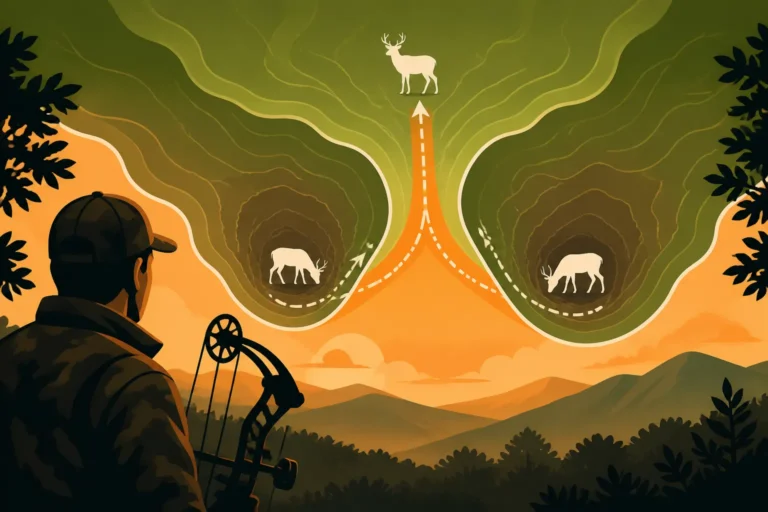
One of the most vital traditions in Tennessee deer camp is the passing down of knowledge, skills, and ethics to the next generation. It’s the seasoned veteran patiently showing a youngster how to read a ridge for East Tennessee deer, or demonstrating proper tracking techniques. Mentoring isn't just about teaching how to shoot straight; it's about instilling a deep respect for wildlife, the land, and the traditions of hunting. Tennessee actively encourages this through programs like the Tennessee Youth Deer Hunt Rules, which provide special opportunities for young hunters to get out in the woods. These weekends are often the highlight of the year for many camps, as grandfathers, fathers, mothers, and uncles take eager youngsters under their wing. They teach everything from firearm safety to identifying fresh deer sign, from the importance of silence in the woods to the responsibility of ethical shot placement. Using tools like GoHunt, mentors can even help young hunters learn to navigate public lands or understand deer movement patterns, integrating modern resources into timeless lessons. This invaluable mentorship ensures that the traditions and values of deer camp continue to thrive, cultivating responsible stewards of the outdoors for years to come.
Modern Twists on Timeless Traditions
While the core spirit of deer camp remains constant, the way we hunt and interact with the outdoors has inevitably evolved. Modern technology and changing regulations require hunters to adapt, but always with an eye toward preserving the essence of the tradition.
Technology's Role in Today's Deer Camp
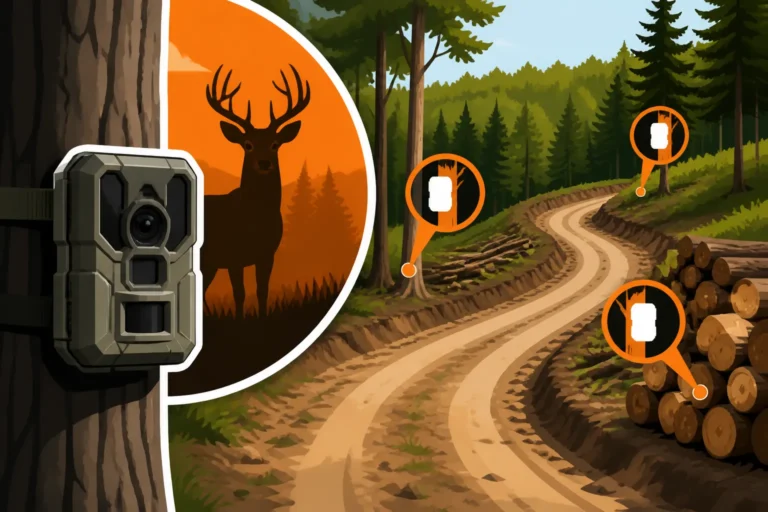
In an age where smart devices are ubiquitous, it’s no surprise that technology has found its way into deer camp. While the goal is often to unplug, certain innovations can genuinely enhance the hunting experience without detracting from tradition. GPS mapping apps, like those found on platforms like GoHunt, have become indispensable for navigating public lands, marking stand locations, and tracking deer sign, making it easier to find ground others walk past. They help hunters understand wind and thermals on a ridge system, plan entry routes, and even locate a downed deer. Trail cameras allow hunters to scout remotely, gathering intel on deer movement and patterns without disturbing the woods. Two-way radios are crucial for communication during deer drives or when hunting in remote areas without cell service, providing an added layer of safety. While some purists might lament the rise of gadgets, when used judiciously, these tools simply provide more information, allowing hunters to make smarter, more ethical decisions, ultimately enhancing their connection to the hunt rather than replacing it. They become an extension of traditional scouting and communication methods, simply making them more efficient. Knowing your precise location with a GPS Units Versus Phone Apps can be a game-changer in unfamiliar terrain.
Adapting to New Challenges: CWD and Regulations
The landscape of hunting regulations and wildlife management is constantly evolving, and Tennessee deer camps must adapt. Perhaps the most significant challenge in recent years has been the presence of Chronic Wasting Disease (CWD). The Tennessee's Chronic Wasting Disease Management Zone has introduced new rules regarding carcass transport and mandatory testing, which can impact how deer are processed and handled at camp. Hunters now need to be acutely aware of regulations like the Tennessee Carcass Deboning Requirements when leaving a CWD-positive county. These changes, while sometimes inconvenient, are vital for protecting the health of the deer herd and the future of hunting.
Similarly, changes to antlerless limits in specific Tennessee's Six Deer Management Units or the implementation of programs like Tennessee's Earn-a-Buck CWD Program mean hunters need to stay informed. A tool like GoHunt or regular checks of the TWRA website become crucial resources for understanding the latest rules and ensuring compliance. While adapting to these new realities, deer camp traditions continue to emphasize ethical hunting and responsible stewardship. The spirit of shared knowledge now extends to understanding disease management and conservation efforts, ensuring that while the specifics may change, the core values of hunting and preserving wildlife endure for generations to come.
Disclaimer
Please note: Hunting regulations and seasons in Tennessee are subject to change. Always consult the latest Tennessee Wildlife Resources Agency (TWRA) regulations guide before planning any hunting activity. This content is for informational purposes only and does not constitute legal or professional advice.