Rattling Volume in Thick Cover
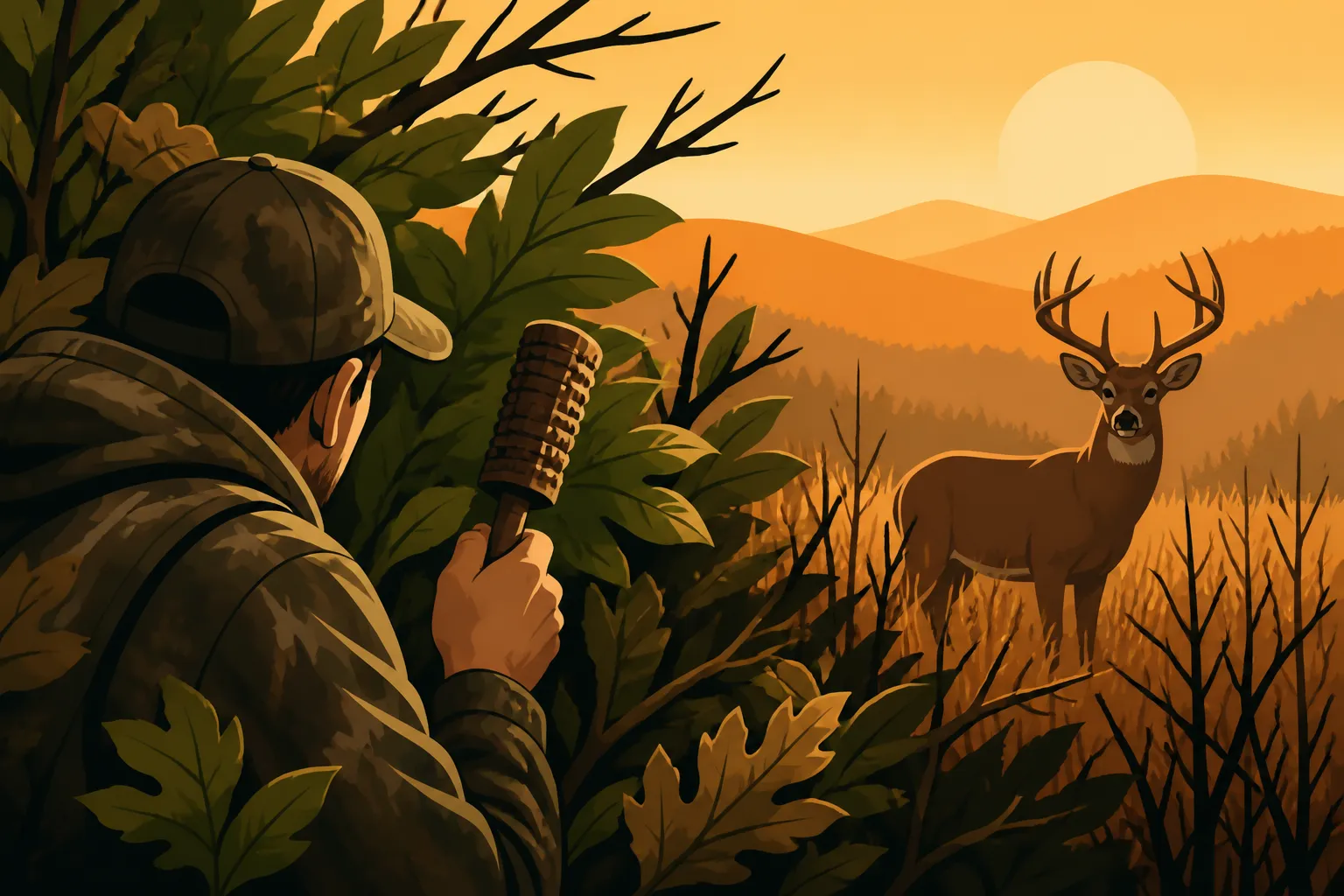
Trying to lure in a mature whitetail buck in Tennessee's notoriously thick timber can feel like shouting into a pillow. You clang those antlers together, put all your effort into a convincing fight, and then… crickets. Did they hear it? Was it too loud? Not loud enough? The frustration is real when you're tucked into a dense cedar thicket or a river bottom jungle, questioning if your carefully orchestrated rattling sequence is even reaching a deer's ears. This guide is all about cutting through that acoustic challenge, helping you master the art of rattling in thick cover so your calls don't just echo into oblivion, but actually pull in a buck.
Understanding the Acoustic Challenges of Dense Cover
Tennessee's landscapes are a beautiful mosaic of rolling hills, deep hollows, dense bottomlands, and thick pine plantations. While these provide incredible sanctuary for deer, they pose significant challenges for hunters trying to use auditory calls like rattling. Sound just doesn't travel the same way it does across an open field.
How Sound Behaves in Dense Woods
Imagine trying to have a conversation with someone just 50 yards away in a thick briar patch or a stand of tightly packed hardwoods without leaves. It's tough, right? That's because every tree trunk, every branch, every leaf, and every piece of underbrush acts as a sound dampener or a deflector. Instead of sound waves traveling in a clean, direct path, they're constantly bouncing, absorbing, and dissipating. This means the crisp, sharp cracks of antlers that carry so well in open timber during the late season will sound muffled and lose their intensity quickly in a dense, green thicket.
The denser the vegetation, the shorter the effective range of your rattling sequence. In some truly gnarly spots, you might be looking at an effective range of only 30-40 yards, maybe even less. This is crucial to understand because it directly impacts your strategy. If you're rattling with the expectation of pulling a buck from 100 yards out in a stand of thick pines, you're likely setting yourself up for disappointment. You need to adjust your expectations and your tactics to match the acoustic reality of the woods around you.
Why Standard Rattling Sequences Fall Short
Most of the rattling advice you'll find online or in magazines is geared toward more open timber or field edges, where sound carries further, and deer have more room to maneuver and assess. These "standard" sequences often involve aggressive, long durations of clashing antlers, followed by a long pause. While effective in the right setting, they can be counterproductive in thick cover.
First, the sheer volume needed to penetrate dense cover effectively for a wide radius might be perceived as unnatural or overly aggressive to a deer that's close by. It's like someone screaming in a small room – it's startling and often leads to alarm, not curiosity. Second, long, drawn-out sequences might cause a close-by buck to simply hang up out of sight, trying to pinpoint the source without revealing himself. He might hear it, but without a clear line of sight, he's not going to commit easily. He's evolved to be cautious, especially when approaching a potential fight. This is where your technique really has to shine, by adapting to the situation rather than just mimicking a generic approach.
Mastering Rattling Volume and Intensity
Rattling in thick cover isn't about how loud you can be; it's about how smart you can be with your sound. It's about precision and understanding the subtle nuances that encourage a buck to investigate, rather than bolt.
Varying Your Volume for Different Cover Densities
The key to successful rattling in thick cover is to think about your "acoustic footprint." You want to create enough noise to be heard, but not so much that you spook deer that might be just a few yards away, hidden by the vegetation.
- Super Thickets (e.g., young pine plantations, laurel slicks, cutovers): In these impenetrable spots, your rattling needs to be shorter, sharper, and more frequent, but not necessarily louder. Think quick, intense bursts of antler clashing – almost like two bucks bumping heads in a very confined space. The goal isn't to draw deer from afar, but to trigger a response from a buck that's already bedded or moving through the immediate area. You might perform a 10-15 second sequence, wait 5 minutes, then repeat. The overall volume might still be significant, but the duration is cut down. It's less a full-blown brawl and more a quick, aggressive challenge.
- Moderate Cover (e.g., mature hardwoods with dense understory, overgrown fencerows): Here, you can afford a bit more aggression. You're still not trying to shatter eardrums, but you can increase the duration of your clashing by adding some grunts and snort-wheezes. A sequence of 20-30 seconds, mimicking a more sustained sparring match, can be effective. Follow this with a slightly longer pause, perhaps 7-10 minutes, allowing a curious buck to slowly make his way in. You're trying to suggest a "real" fight that's worth checking out, but still respecting the sound-absorbing environment.
A great way to get a feel for this is to actually walk away from your stand location after setting up, and have a hunting buddy rattle. Listen from various distances (20, 40, 60 yards) to understand how the sound changes. This exercise will give you invaluable insight into the effective range and perceived intensity of your calls.
The Art of the Quick, Aggressive Sequence
In those really nasty, thick spots that deer love to bed in, subtlety can be your best friend. Instead of trying to recreate a full-blown knock-down, drag-out fight, focus on the sounds a buck makes when he's just challenging another, or when a quick skirmish erupts.
Consider these elements:
- Short, Sharp Clashes: Instead of grinding antlers, focus on sharp cracks and pops. These percussive sounds can cut through dense cover more effectively than a sustained grind. Picture two bucks locking horns and immediately disengaging, then locking up again.
- Incorporate Other Vocalizations: Don't just rely on antlers. A deep, guttural grunt immediately after a clash can make the sequence sound incredibly lifelike. A snort-wheeze, particularly in thick cover where a buck might feel more secure approaching, can be a powerful challenge. For tips on other vocalizations, check out Grunt Calls in Mature Tennessee Timber.
- Variable Intensity: Start soft, maybe a few gentle rubs, then build to a quick, aggressive clash, then back down. This mimics the ebb and flow of a real interaction and can make the sound more intriguing.
- Silence is Golden: Once your short, aggressive sequence is done, be absolutely silent. Don't shift, don't fiddle with your gear. Often, a buck will respond by approaching very cautiously, circling downwind, or simply standing still to listen for more. You need to be ready to spot him as he slips through the cover. Using a hunting app like GoHunt to pinpoint your location and potential deer travel routes can help you anticipate where a buck might appear.
Remember, the goal in thick cover isn't to create a symphony; it's to create enough compelling sound to draw an immediate, curious response from a buck that's already nearby.
Strategic Placement and Listening in Thick Cover
Rattling in thick cover demands more than just knowing how to clash antlers; it requires a deep understanding of deer movement, wind, thermals, and the terrain itself. Your setup is often more important than the exact sounds you make.
Optimal Stand Placement for Rattling Effectiveness
When you're dealing with limited visibility, your stand placement becomes paramount. You need to maximize your view into the most likely approach corridors, while minimizing the chances of being scented.
- Edge of the Thicket: Don't bury yourself too deep in the absolute densest cover. Instead, position yourself on the edge, overlooking the slight openings, deer trails, or funnels that lead into and out of the thicket. This gives you a bit more visibility and allows your sound to radiate slightly better into the denser parts. This is where Reading a Ridge for East Tennessee Deer can really help you identify those subtle transition zones.
- Downwind Advantage: Deer, especially mature bucks, will almost always try to approach rattling from downwind to use their nose. Position your stand so that the prevailing wind carries your scent away from where you expect a buck to approach. Often, this means setting up on the leeward side of a ridge or hill, or allowing the wind to blow your scent over an open area a buck wouldn't naturally cross. For more on this, consider the lessons learned in Wind and Thermals on a Ridge System.
- Natural Funnels and Pinch Points: Look for natural bottlenecks in the terrain within or leading to the thick cover. These could be subtle depressions, narrow strips of timber between two clearings, or a creek bottom that forces deer into a specific travel lane. Setting up near one of these "choke points" increases the odds that a responding buck will pass within range. A great example of this is Hunting a Funnel Between Two Bottoms.
- Elevated Positions: If possible, gain some elevation. A treestand, even a relatively low one, can give you a crucial advantage by allowing you to see over some of the immediate undergrowth. However, be mindful of branches and leaves that might obstruct your shot. For stand specifics, look into Treestand Setups in Cherokee National Forest.
Using mapping tools like GoHunt is indispensable here. Before you even set foot in the woods, you can use satellite imagery and topographical maps to identify potential bedding areas within thick cover, prevailing wind directions, and the best stand locations to intercept a curious buck.
Listening for Subtle Responses and Adjusting Your Tactics
The moment you finish a rattling sequence in thick cover, your ears become your most powerful tool. Unlike open country where a buck might charge in, a thick cover buck is often far more deliberate and stealthy.
- The Silence After the Sound: After rattling, become a statue. Listen intently for subtle sounds: a twig snap, a rustle in the leaves, a distant blow, or even the softest grunt. These are all indicators that a deer heard you and is reacting. Don't be too quick to assume no response.
- Scanning and Searching: Your eyes should be constantly scanning for movement, even the smallest flick of an ear or the outline of a body through the branches. Remember, deer will often approach slowly, stopping frequently to assess the situation.
- Soft Follow-Up Calls: If you hear a subtle response but the buck isn't committing, don't immediately go into another aggressive rattling sequence. Instead, try a soft grunt or a few very light antler ticks. This can be just enough to reassure him that what he heard was real and to draw him closer without alarming him.
- The GoHunt Advantage in Scouting: Success rattling in thick cover often comes down to meticulous scouting, something GoHunt makes much easier. By marking known bedding areas and travel corridors during your Scouting Tennessee Public Land Before Season, you can predict where deer might be holding in thick cover and position yourself accordingly.
When rattling in thick cover, patience is paramount. A buck might take 10, 15, or even 20 minutes to finally appear after your first sequence. Don't give up too soon, and be ready for him to appear silently, almost magically, out of the dense undergrowth.
Adapting Your Rattling Approach to Tennessee's Diverse Terrain
Tennessee's geography is incredibly varied, from the ancient, rugged mountains of the east to the flat, fertile river bottoms of the west. Each region presents its own unique challenges and opportunities for rattling in thick cover.
Rattling in Mountainous and Hilly Regions
In areas like the Cumberland Plateau or the foothills of the Appalachians, thick cover often manifests as dense laurel slicks, rhododendron thickets, and steep, brushy hollows. The terrain itself complicates sound travel and deer movement.
- Thermals and Wind Microclimates: In these regions, Wind and Thermals on a Ridge System become incredibly important. Thermals will typically rise in the morning and fall in the evening. Position yourself so your scent is carried up or down, but away from the deer's likely approach. This often means setting up on benches or saddles where deer naturally travel, and rattling only when the wind is favorable.
- Strategic Draws and Hollers: Focus your rattling efforts into the heads of draws and hollows that contain thick cover. Sound can sometimes "pool" in these areas, and deer often feel secure traveling them. A buck might be bedded just out of sight, and a quick, aggressive rattling sequence echoing down the holler can pique his interest.
- Short, Focused Bursts: Given the rugged terrain and often dense vegetation, short, sharp rattling bursts are usually more effective than long, drawn-out sequences. You're aiming to get a response from a buck already close, rather than trying to pull one from across a vast ridge. Knowing Where Cumberland Plateau Bucks Bed can guide you to these exact locations.
Rattling in River Bottoms and Swamps
West Tennessee's river bottoms, swamps, and reclaimed agricultural areas present a different kind of thick cover: often impenetrable tangles of briars, cane, and flooded timber. Deer here are often more accustomed to dense vegetation.
- Elevated Visibility: In these flat, thick areas, any elevation you can gain is a huge advantage. A treestand, even a ground blind brushed in on a slightly higher piece of ground, can give you that critical sightline over the vegetation.
- Focus on Openings and Edges: Deer travel on the path of least resistance. Concentrate your rattling near small openings, sloughs, dry ridges within the swamp, or the edges of dense cover. These are the natural travel corridors where a buck is most likely to hear you and appear. Hunting West Tennessee Bottomland Deer often involves navigating these tricky areas.
- Aggressive But Brief: Don't be afraid to be aggressive with your rattling, as the sound will be absorbed quickly. However, keep the sequences relatively brief, followed by extended periods of silence and listening. The sheer density of cover means you need to pack a punch but then give the deer time to navigate the obstacles to reach you.
- Proximity is Key: In these environments, you'll often need to be much closer to a deer to get a response. Repeated, short rattling sequences as you move stealthily through an area (if safe and ethical) can sometimes be effective, almost like still-hunting with a call.
| Cover Density Category | Recommended Volume/Intensity | Sequence Duration | Pause Duration | Best Application |
|---|---|---|---|---|
| Super Thick | Medium-High, Sharp Cracks | 10-15 seconds | 5-7 minutes | Bedding areas, impenetrable cover, very limited visibility |
| Moderate Thick | Medium-High, Varied Clashes | 20-30 seconds | 7-10 minutes | Dense understory, overgrown fencerows, small clearings |
| Edge of Cover | High, Aggressive, Sustained | 30-45 seconds | 10-15 minutes | Transition zones, larger clearings, more open timber |
This table provides a general guideline. Always remember that conditions, deer pressure, and the specific phase of the rut will influence a buck's behavior. The most successful hunters are those who are willing to experiment and adapt. For example, during Hunting the Rut in Early November, bucks might be more responsive and less cautious than during Hunting the Late-Season January Lull.
Listening to the Woods and Refining Your Technique
Ultimately, becoming proficient at rattling in thick cover is a journey of trial and error, deeply rooted in observation. Every sit in the woods is a lesson, and every unanswered rattle sequence holds clues if you're willing to decipher them.
What to Listen For Beyond the Obvious
The woods are rarely truly silent, even after you've finished rattling. Your ability to pick up on subtle cues can make all the difference.
- Footsteps and Rustling: This is the most obvious, but in thick cover, it might be incredibly faint. Distinguish between squirrel or bird activity and the heavier, more deliberate steps of a deer. A deer approaching stealthily will often pause, listen, and then take a few more quiet steps.
- Snorts or Blows: A single, sharp snort is often a sign that a deer heard you but is wary or has caught your scent. If you hear this, freeze. The deer knows something is up. A blow (a repeated snort) usually means the jig is up, and the deer is alerting others before leaving the area.
- Grunts and Bleats: Sometimes, a buck will respond with a soft grunt, indicating curiosity or a challenge. A doe or fawn might bleat, which could either be a general communication or a sign of alarm. Pay attention to the tone.
- Broken Branches or Rubs: If you hear heavier sounds of breaking branches or fresh rubs after rattling, it might mean a buck is working his way in, scent-checking, or showing aggression before he commits to visual contact.
Remember, deer have an incredible sense of hearing and smell. They're often aware of your presence long before you see them. Your job is to make your rattling intriguing enough to override their natural caution.
The Importance of Reviewing and Adapting
After each hunt, especially those where you rattled in thick cover, take some time to review your tactics.
- What Worked? What Didn't? Did you get any responses? If so, what was the cover like? What was the wind doing? What kind of sequence did you use? If you got no response, was it too dense? Was the timing off?
- Location, Location, Location: Re-evaluate your stand placement using your mapping app. Could you have been 10 yards closer to the thicket? Or further away? Did you choose the optimal entry and exit routes to minimize disturbance?
Hunting Tennessee's Long Archery Seasonand Tennessee's Gun Deer Season Into January both involve long hours in the stand, providing ample opportunity for such reflection. - Observe Deer Behavior: Even if you don't kill a deer, observing how deer use thick cover in your area is invaluable. Where do they enter and exit? Where do they bed? What types of sounds do they make when moving through dense areas? The more you learn about White-Tailed Deer Across Tennessee, the better hunter you'll become.
Rattling in thick cover is a nuanced skill that can be incredibly rewarding. It requires patience, strategic thinking, and a willingness to adapt your approach to the specific conditions of the Tennessee woods. By understanding how sound travels, adjusting your volume and intensity, and meticulously choosing your setup, you'll dramatically increase your chances of pulling in a mature buck from his sanctuary.
Disclaimer
Hunting is an inherently dangerous activity. Always prioritize safety, follow all Tennessee Wildlife Resources Agency (TWRA) regulations, and obtain appropriate licenses and permits before heading into the field. This guide is for informational purposes only and does not endorse illegal or unsafe hunting practices. Ensure you understand and comply with all local, state, and federal hunting laws.