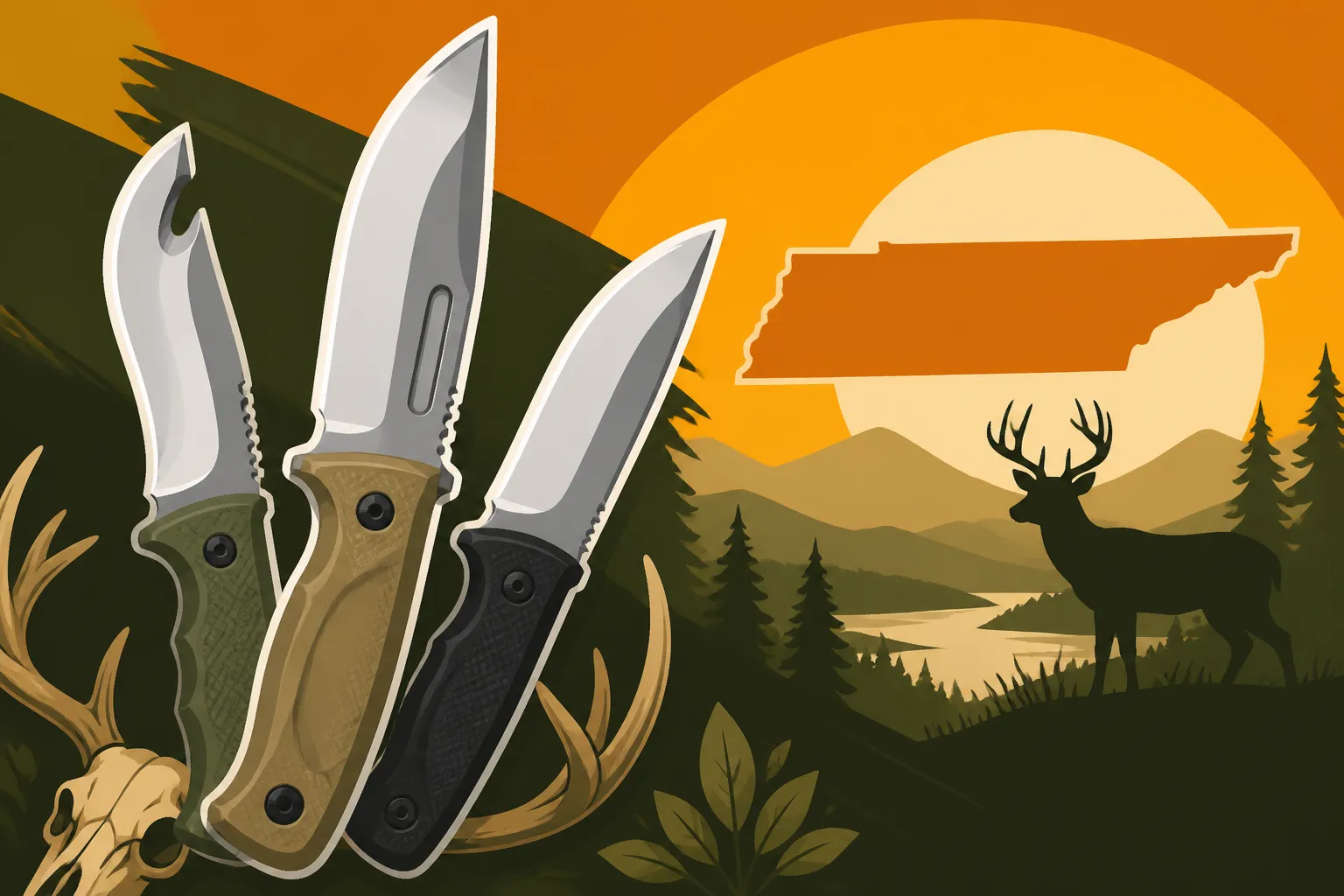
Field Dressing Knives Worth Carrying
You’ve just put in the hard work, made a great shot, and now a beautiful Tennessee whitetail, or perhaps a black bear, is on the ground. The adrenaline is still coursing, but the next critical step is swift, clean field dressing. This isn't just about respect for the animal; it's about preserving the meat and ensuring a quality harvest. This guide will walk you through everything you need to know about selecting, using, and caring for field dressing knives that are truly worth carrying in the Tennessee woods.
The Indispensable Tool: Why Your Field Dressing Knife Matters
When you're out in the field, miles from the truck, and a big buck is down, the last thing you want is a dull, flimsy knife that makes the vital task of field dressing a struggle. This isn't just a convenience issue; it's a matter of efficiency, hygiene, and ultimately, the quality of your venison. A good field dressing knife is an extension of your hand, a precise instrument that allows you to work quickly and cleanly.
More Than Just a Blade: Safety and Efficiency
A sharp, well-designed field dressing knife is paramount for both your safety and the efficiency of the task. A dull knife requires more force, increasing the risk of slips and cuts – and believe me, trying to bandage a deep cut in the dark, miles from anywhere, is a memory you don't want to make. Beyond personal safety, a sharp blade makes quick work of opening the cavity, separating organs, and skinning, which is especially crucial in warmer early season hunts when rapid cooling of the carcass is essential to prevent spoilage. Think about those early September archery hunts when temperatures can still soar; every minute counts. Coolers for an Early Archery Kill are only useful if you can get that animal broken down and into them quickly.
Furthermore, a purpose-built field dressing knife usually incorporates features that make the job less messy and more precise. Things like a gut hook or a specific blade profile can mean the difference between a clean cut and nicking an organ, which can contaminate the meat. Nobody wants to spend extra time cleaning up intestinal contents when they could be focused on getting the animal out of the woods. The right tool simplifies the process, allowing you to focus on the task at hand rather than wrestling with inadequate gear.
Adapting to Tennessee's Diverse Hunting Scenarios
Tennessee's hunting landscape is incredibly varied, from the steep, rocky terrain of the Cherokee National Forest to the flat, agricultural fields of West Tennessee bottomlands. Your knife needs to be versatile enough to handle these different environments and the varying conditions you'll encounter. On a cold December day, you might be struggling with frozen hide and thick fat, requiring a robust blade that won't chip or bend. Conversely, a warm early fall deer demands a blade that can glide through flesh and hide without dragging, allowing for quick processing.
Consider also the challenges of retrieval. You might be Dragging a Deer Out of a Steep Hollow or trying to process an animal far from the nearest trail. In these situations, a knife that allows for the gutless method can be invaluable, enabling you to debone the animal and pack out the meat in manageable sections. This method is also particularly relevant in CWD zones, where regulations might require deboning before leaving the area. When planning your hunt, consulting resources like GoHunt can help you understand the terrain and regulations, which in turn influences your gear choices, including your knife selection.
Navigating the Options: Types of Field Dressing Knives
The market is flooded with hunting knives, and it can feel overwhelming to choose the right one. However, most field dressing knives fall into a few primary categories, each with its own advantages and disadvantages. Understanding these differences will help you select the blade that best suits your hunting style and the conditions you typically face in Tennessee.
The Steadfast Choice: Fixed Blade Knives
Fixed blade knives are the workhorses of the hunting world. Their inherent strength comes from the fact that the blade extends through the handle, often as a single piece of steel (full tang). This design eliminates moving parts, making them incredibly durable and reliable. You don't have to worry about the blade folding unexpectedly or a locking mechanism failing when you're applying pressure to tough hide or gristle. For hunters who prioritize ruggedness and dependability, especially for larger game or in colder conditions where fine motor skills might be compromised by gloved hands, a fixed blade is often the top choice.
The robust nature of fixed blades also means they are generally easier to clean thoroughly. Without hinges or crevices where blood and tissue can accumulate, a quick rinse and wipe-down are usually all that's needed to sanitize the knife. This is a significant advantage when you're concerned about hygiene and preventing bacterial growth, especially if you're Butchering a Deer at Camp. While they can be bulkier to carry, a good sheath worn on your belt or attached to your pack ensures safe and accessible transport. When you're Scouting Tennessee Public Land Before Season, you might want to carry a sturdy fixed blade for clearing shooting lanes or other camp tasks, making it a multi-purpose tool.
Convenience in Your Pocket: Folding Knives
For many hunters, the compact nature and ease of carry of a folding knife make it an attractive option. Modern folding knives are far more robust than their predecessors, with sophisticated locking mechanisms that offer impressive strength and safety. They can easily slip into a pack pocket, a vest, or even your pants pocket, making them incredibly accessible for smaller tasks or when you prefer a less obtrusive carry. If you're hiking into a remote area and trying to keep your pack weight down, a quality folding knife can be a great choice for field dressing.
However, the nature of folding knives means they inherently have more crevices where blood and tissue can get trapped. This can make them more challenging to clean thoroughly in the field, which is a consideration if you're meticulous about hygiene. While modern designs often feature open-back handles to facilitate cleaning, it's still something to keep in mind. You might find a folding knife ideal for quickly opening an animal for cooling but prefer a dedicated fixed blade for more extensive work or Deboning Venison Before Leaving the CWD Zone.
Razor Sharp, Every Time: Replaceable Blade Systems
A relatively newer innovation that has gained immense popularity is the replaceable blade field dressing system. These knives utilize surgical-grade scalpel blades that are incredibly sharp from the factory and can be easily swapped out once they dull. The primary benefit here is that you always have a razor-sharp edge, without the need for sharpening stones or advanced skills in the field. Imagine never having to worry about hitting a bone and dulling your edge beyond repair; you just pop in a new blade. This can be a huge advantage for hunters who want to ensure the cleanest possible cuts, especially for intricate tasks.
The downside, however, is that these blades are typically thinner and more brittle than traditional knife blades. They are not designed for prying, chopping, or heavy-duty tasks, and can snap if undue pressure is applied or if they hit bone at an awkward angle. You'll also need to carry spare blades, which adds a small amount of bulk and requires careful handling when swapping them out in the field. Despite these considerations, many hunters swear by them for their unparalleled sharpness and ease of use, often carrying them as a secondary knife alongside a more robust fixed blade for general utility.
| Knife Type | Pros | Cons | Best Use Case |
|---|---|---|---|
| Fixed Blade | Extremely durable, reliable, easy to clean, strong | Can be bulky to carry, requires sharpening | All-around field dressing, heavy-duty tasks, larger game, cold weather |
| Folding Knife | Compact, easy to carry, discreet, modern locking systems | Harder to clean thoroughly, potential for hinge issues over time | Quick field dressing, smaller game, secondary knife, lightweight carry |
| Replaceable Blade | Always razor sharp, no sharpening needed, excellent for skinning | Blades are thin/brittle, not for heavy prying, requires carrying spares | Precise cuts, gutting, skinning, specific deboning in CWD zones |
What Makes a Great Field Dressing Knife?
Beyond the basic type, several key features distinguish a truly excellent field dressing knife from a mediocre one. These elements combine to create a tool that is not only effective but also comfortable and safe to use, even under less-than-ideal conditions.
Blade Steel and Edge Retention
The type of steel used in the blade is arguably the most critical factor. Different steels offer varying balances of edge retention (how long it stays sharp), toughness (resistance to chipping or breaking), and corrosion resistance (how well it resists rust). For a field dressing knife, you want a steel that holds an edge well through the entire process of one or more animals, is reasonably easy to sharpen, and resists corrosion from blood and moisture. Steels like S30V, D2, or even good quality 440C stainless are popular choices. A knife with excellent edge retention means less time spent sharpening in the field and more time focusing on the task.
Corrosion resistance is particularly important in Tennessee's humid climate, especially if you're dealing with a wet harvest or can't clean your knife immediately. Blood is highly corrosive, and even high-carbon steels, known for their edge retention, can rust quickly if not cleaned and dried meticulously. Stainless steels, while sometimes sacrificing a tiny bit of ultimate edge sharpness compared to some high-carbon options, offer peace of mind when it comes to maintenance in the field. When packing your Packs for a Day on Public Land, you want a knife that won't give you grief if it gets wet.
Handle Materials and Ergonomics
A good knife handle is just as important as the blade itself. It needs to provide a secure, comfortable grip, even when wet, bloody, or when you're wearing gloves. Materials like G10, micarta, synthetic rubbers, or textured polymer composites offer excellent traction and durability. Avoid slick, polished handles that can become dangerously slippery. The handle should also fit your hand well, allowing for sustained use without causing fatigue or hot spots.
Ergonomics play a huge role in knife control and safety. Finger choils, subtle curves, and a guard to prevent your hand from slipping onto the blade are all features to look for. When you’re performing delicate cuts inside an animal's cavity, precise control is vital. A handle that feels natural and secure in your hand contributes significantly to both efficiency and preventing accidents.
Blade Shapes for Specific Tasks
While a classic drop-point blade is a versatile choice for many hunters, specific blade shapes can offer advantages for different field dressing tasks:
- Drop Point: This is the most common and versatile blade shape. It features a gently curving spine that drops towards the tip, providing a strong point for piercing and ample belly for skinning. It’s a great all-rounder if you only carry one knife.
- Clip Point: Similar to a drop point but with a "clipped" or concave curve on the spine, making for a finer, sharper tip. Good for precise piercing, but the tip can be more delicate.
- Skinning Blade: Often features a wider, more pronounced belly and a less aggressive point. This shape excels at separating hide from flesh without puncturing the hide, which is crucial if you plan to get your cape tanned.
- Gut Hook: A small, integrated hook on the spine of the blade designed to open the abdominal cavity without puncturing the intestines. While some hunters swear by them for speed and cleanliness, others find them unnecessary or prone to snagging. If you do use one, ensure it's sharpened appropriately.
Many hunters carry a multi-tool or a secondary smaller blade for tasks that might be too delicate or too aggressive for their primary field dressing knife. For example, a small, thin blade can be useful for caping around the eyes and ears if you plan on a shoulder mount.
Putting It All Together: Choosing and Caring for Your Knife
Selecting the right field dressing knife isn't just about picking one off a shelf; it's about making an informed decision that will serve you well for years to come in the challenging, yet rewarding, pursuit of game in Tennessee.
Matching Your Knife to Your Hunt
Consider your primary hunting style and the game you pursue most often. If you're mainly still-hunting Cumberland Plateau ridges for deer, a sturdy fixed blade might be your best bet, capable of handling a variety of tasks from clearing shooting lanes to breaking down a deer. For those who frequently participate in Deer Drives With Three or Four Hunters in West Tennessee, where quick, efficient field dressing is key before moving the animal, a replaceable blade system could speed up the process. If you often find yourself deep in the Cherokee National Forest, where every ounce counts and you might need to perform the gutless method, a sharp, light, and easy-to-clean knife, possibly combined with a dedicated boning knife, would be ideal.
Always think about the conditions. During Hunting the August Antlerless-Only Archery Hunt, when temperatures are high, quick field dressing is paramount to cooling the meat. Here, a knife that allows for swift, clean cuts and is easy to sanitize is crucial. Contrast that with Hunting the Late-Season January Lull, where cold fingers and frozen tissues demand a handle that offers maximum grip and a blade that can withstand tougher conditions. Regardless of your choice, make sure you also have a First Aid Kits for Remote Cherokee Forest Ground in your pack, because safety is always paramount.
Essential Maintenance for Longevity and Safety
A great knife is only great if it's properly maintained. The absolute cornerstone of knife care is keeping it sharp and clean.
- Sharpening: A dull knife is a dangerous knife. Learn how to sharpen your blade properly using stones, a pull-through sharpener, or a guided system. Practice at home, not in the field when you're under pressure. A razor-sharp edge makes cuts effortlessly, reducing fatigue and the risk of slipping.
- Cleaning: After every use, clean your knife thoroughly. Remove all blood, tissue, and debris. Warm soapy water is usually sufficient. Pay special attention to crevices on folding knives.
- Drying: Dry your knife completely after washing. Moisture is the enemy of steel and leads to rust.
- Lubrication: A light coat of food-grade mineral oil on the blade, especially for non-stainless steels, can prevent rust during storage. For folding knives, a drop of oil on the pivot point keeps the action smooth.
- Storage: Store your knife in a dry place. A good quality sheath protects the blade and keeps it safely contained.
By taking care of your field dressing knife, you ensure it's always ready when that moment of truth arrives. A reliable, sharp, and well-maintained knife contributes significantly to a successful and respectful harvest in the diverse hunting grounds of Tennessee. Make your gear work for you, and you'll appreciate the difference it makes when you're staring down a magnificent animal in the wild.
Disclaimer
This article is for general informational purposes only and does not constitute professional advice. Laws, prices and regulations vary by location and change over time. Consult a qualified professional for guidance on your specific situation.