Rain Gear for a Tennessee Downpour
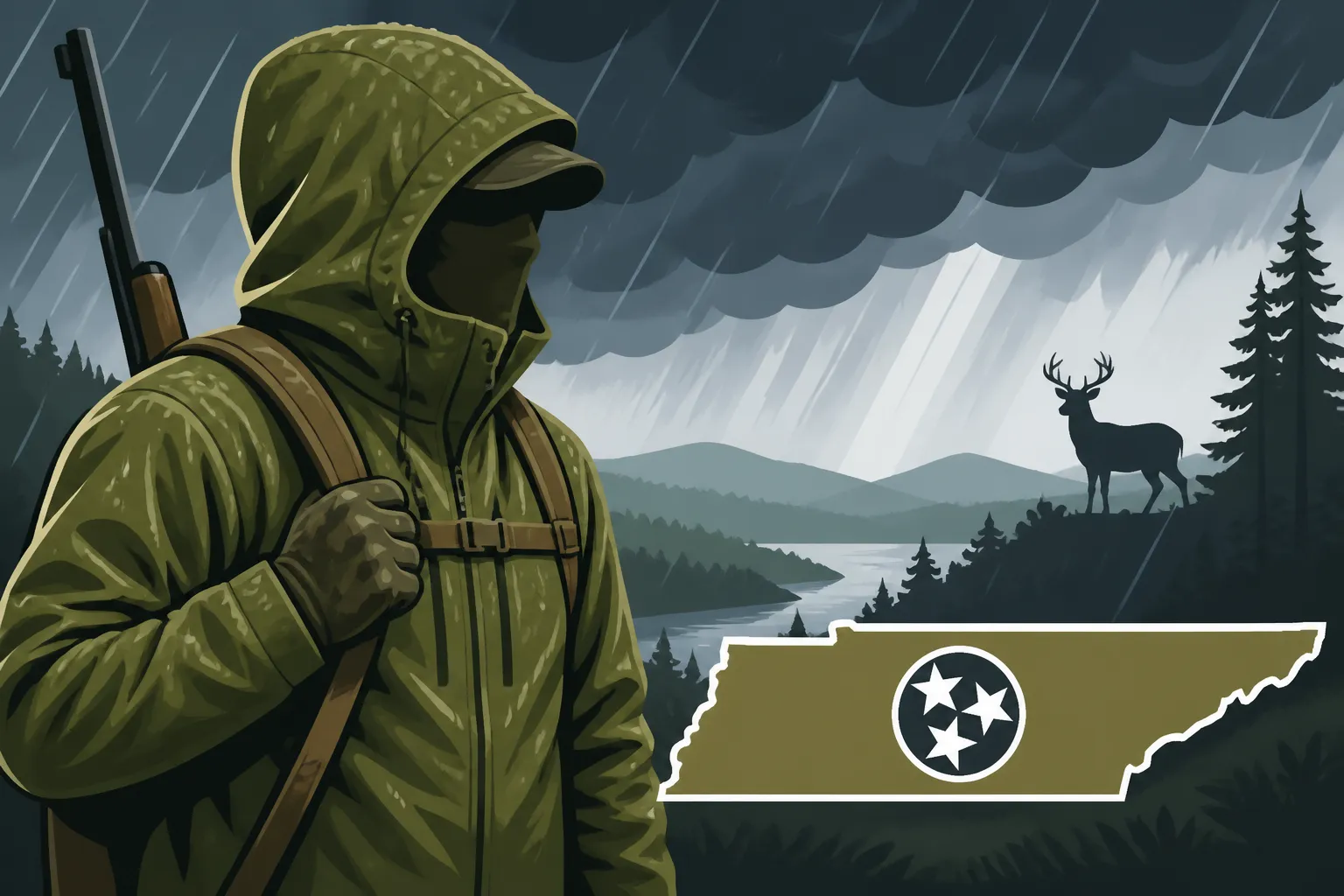
There's nothing quite like the sudden, soaking reality of a Tennessee downpour when you're deep in the woods, miles from the truck, with a long day of hunting ahead. That initial shock of cold water seeping through what you thought was waterproof gear can quickly turn a promising morning into a miserable, and even dangerous, experience. This guide is here to walk you through everything you need to know about choosing, using, and maintaining rain gear that will actually keep you dry and comfortable when the skies open up over Tennessee's diverse hunting landscapes.
The Inevitable Drench: Why Good Rain Gear is Non-Negotiable in Tennessee
If you've spent any amount of time hunting in Tennessee, you know that the weather here has a mind of its own. One minute you're enjoying a crisp, clear morning, and the next, a wall of rain is bearing down on you. This isn't just an inconvenience; it can be a serious issue for hunters who are often stationary for long periods or engaged in strenuous activity far from shelter.
The Unpredictable Nature of Tennessee Weather
Tennessee's climate is characterized by its humid subtropical conditions, which means we get plenty of rainfall throughout the year, especially during our prime hunting seasons. From the sudden cold fronts that usher in autumn rains on the Cumberland Plateau to the persistent drizzle that can blanket the lowlands during late-season waterfowl hunts, you can't rely on clear skies for long. Even a forecast that looks promising can change on a dime, leaving you exposed.
Think about a typical November deer hunt in the central part of the state. You might start your day with frost on the ground, but by mid-morning, a warm front could push through, bringing with it a steady, cold rain that lasts for hours. Without proper rain gear, that warmth quickly turns to chilling dampness, and your focus shifts from the deer sign in front of you to how utterly soaked and cold you're becoming. This unpredictability means you always need a reliable plan, and that plan starts with your gear. Hunting the Rut in Early November is a prime time for these sudden shifts.
The Real Cost of Being Unprepared: Comfort, Safety, and Success
Beyond just discomfort, being truly unprepared for rain can have significant consequences. Hypothermia, even in relatively mild temperatures, can set in faster than you think when you're wet and inactive. Your core body temperature drops, your hands become clumsy, and your decision-making can be impaired. This isn't just about shivering; it's about potentially getting lost, making a poor shot, or struggling to field dress an animal in adverse conditions.
Furthermore, being soaking wet is a huge distraction. It steals your focus, makes you noisy as wet clothing rubs together, and impacts your ability to remain still and patient. Your scent dispersal also changes when wet, and any advantage you might have had is quickly diminished. Imagine finally getting a shot opportunity after hours in a deluge, only to realize your scope is fogged over or your fingers are too numb to safely operate your firearm. When you invest in good rain gear, you're not just buying a jacket; you're investing in your safety, your comfort, and ultimately, your hunting success. When you're using resources like GoHunt to scout and plan your hunt, you should always check the detailed weather forecasts and consider the implications for your gear.
Deciphering Rain Gear: Materials, Construction, and Performance
The world of rain gear can be confusing, with jargon like "waterproof," "water-resistant," "DWR," and "breathability" thrown around constantly. Understanding what these terms actually mean and how they apply to the construction of your gear is crucial for making an informed decision that will stand up to a Tennessee downpour.
Understanding Waterproof vs. Water-Resistant
This is perhaps the most fundamental distinction. Water-resistant gear is treated with a durable water repellent (DWR) coating and/or has a tightly woven fabric that sheds light rain and mist. Think of a softshell jacket – it'll keep you dry in a light sprinkle, but a sustained downpour will eventually soak through. It's great for dew-covered mornings or a brief shower, but not for prolonged exposure.
Waterproof gear, on the other hand, is designed to keep water out completely. This is achieved through a combination of a DWR coating on the outer fabric, a waterproof membrane (like Gore-Tex, Perforated membrane, or similar proprietary technologies) laminated to the fabric, and critically, sealed seams. If the seams aren't sealed, water will inevitably seep through the tiny needle holes. For serious Tennessee hunting, especially in areas like the Hunting West Tennessee Bottomland Deer where you might encounter standing water or heavy, relentless rain, waterproof is the only way to go.
The Breathability Factor: Staying Dry from the Inside Out
Here's where things get tricky. While you want to keep rain out, you also need to allow moisture from your body (sweat) to escape. If it can't, you'll get wet from the inside, which defeats the purpose of waterproof gear. This is why breathability is so important. A true waterproof/breathable membrane has microscopic pores that are too small for liquid water droplets to pass through from the outside, but large enough for water vapor (sweat) to escape from the inside.
A cheap, non-breathable rain suit might keep the rain off, but if you're hiking into your stand on the Cumberland Plateau Ridgelines, you'll quickly build up a sweat that condenses inside your jacket, leaving you just as wet and clammy. Look for gear that explicitly states its waterproof and breathable ratings. Higher numbers generally indicate better performance, allowing you to stay active without feeling like you're wrapped in a plastic bag.
Shells, Insulated, and Layering Systems
Rain gear often comes in different configurations, and understanding these will help you build a versatile system.
- Shells: These are uninsulated waterproof/breathable outer layers. They are lightweight, packable, and incredibly versatile because you can adjust your insulation underneath them based on the temperature. This is often the preferred choice for active hunters in Tennessee, as it allows for maximum flexibility. You can wear a thin base layer and fleece on a cool, rainy day, or heavier Clothing for a Tennessee Late Season under it when the mercury truly drops.
- Insulated Rain Gear: Some rain jackets and pants come with built-in insulation. These are great for very cold, wet conditions where you know you'll be stationary, like a late-season sit in a stand during a sleet storm. However, they are less versatile, heavier, bulkier, and can lead to overheating if you're active or if temperatures fluctuate.
- Layering Systems: This is the most effective approach for Tennessee's varied weather. Start with moisture-wicking base layers, add insulating layers like fleece or wool (consider Wool Versus Synthetics in Wet Cold for different performance), and top it off with a waterproof/breathable shell. This allows you to add or shed layers as conditions change, ensuring optimal comfort and temperature regulation.
| Rain Gear Type | Primary Function | Ideal Tennessee Use Case | Pros | Cons |
|---|---|---|---|---|
| Water-Resistant | Sheds light rain | Light drizzle, misty mornings | Lightweight, inexpensive | Not reliable in downpours |
| Waterproof Shell | Keeps water out, breathable | Active hunting in varied rain | Versatile, packable, breathable | Requires separate insulation |
| Insulated Waterproof | Keeps water out, warmth | Cold, wet, stationary hunting | Warmest option, single garment | Less versatile, can overheat |
Essential Features for Tennessee Hunter-Specific Rain Gear
Not all rain gear is created equal, especially when you're a hunter. The needs of someone trekking through the Cherokee National Forest for bear are vastly different from someone walking a paved trail in a city park. For Tennessee hunters, specific features can make or break your experience when the skies open up.
Quietness and Movement: Avoiding the "Plastic Bag" Effect
One of the most frustrating aspects of cheap rain gear is the noise. Every step, every brush against a branch, sounds like you're wrestling a plastic tarp. This is a complete non-starter for hunting deer, turkey, or any other game that relies heavily on its hearing. Look for rain gear made with soft, quiet face fabrics. Many modern hunting-specific rain suits incorporate brushed polyester or similar materials that are engineered to be stealthy even when wet.
Additionally, consider the cut and fit. You don't want something so baggy it snags on every piece of briar, nor so tight it restricts your draw cycle or movement when climbing into a stand. Articulated knees and elbows, gusseted crotches, and athletic cuts allow for a full range of motion, which is crucial whether you're climbing over a downed log or drawing your bow. Good rain gear should feel like an extension of your body, not an impediment.
Durability and Puncture Resistance for the Backwoods
Tennessee's woods are not gentle on clothing. Briar patches, jagged rocks, thorny honeysuckle, and rough bark can tear through flimsy material in an instant. Your rain gear needs to be tough enough to withstand the abuse of bushwhacking to your favorite stand or retrieving an animal from a steep hollow. While ultralight rain gear has its place for backpacking, for serious hunting, you'll want something with a robust outer fabric.
Pay attention to reinforced areas, especially on the knees, seat, and shoulders. These are high-wear points that take the brunt of sitting, crawling, and carrying a pack. A small tear in a waterproof membrane can compromise the entire garment, turning it into little more than a soggy windbreaker. When you're Dragging a Deer Out of a Steep Hollow in the rain, you'll be glad you opted for durable construction.
Fit, Adjustability, and Strategic Pocket Placement
Beyond just the overall fit, adjustable features are key. Cuffs that can be tightened to keep water from running down your sleeves, adjustable hoods that move with your head and don't obscure your vision (especially important for shooting), and drawcords at the hem to seal out drafts are all valuable. A hood that can comfortably fit over a baseball cap or even a thin beanie is a huge plus.
Pocket placement is another detail often overlooked. While you want to minimize bulk, having strategically placed, waterproof pockets is incredibly useful for essentials like your phone (sealed in a dry bag inside), a rangefinder, or a grunt tube. These should be easily accessible, even when wearing a pack or safety harness. Chest pockets, for instance, are often more functional than hip pockets that get covered by a pack's waist belt. Checking gear reviews on platforms like GoHunt can often highlight specific features and how they perform in real-world hunting scenarios.
Maximizing Your Investment: Care and Maintenance of Rain Gear
You've invested in good rain gear, and it's served you well through countless Tennessee downpours. But without proper care, even the best waterproof garments will eventually lose their effectiveness. Taking a few simple steps to clean, re-waterproof, and store your gear will ensure it keeps you dry for many seasons to come.
Proper Cleaning and Re-Waterproofing Techniques
The biggest enemy of rain gear performance isn't just hard use, it's dirt, body oils, and residues from bug spray or sunscreen. These can clog the pores of the breathable membrane and compromise the DWR coating, causing the fabric to "wet out" (absorb water) rather than shed it.
- Cleaning: Always follow the manufacturer's instructions, but generally, machine wash your rain gear in cool water on a gentle cycle with a technical wash designed for waterproof/breathable fabrics (avoid regular detergents, as they can leave residues). Tumble dry on low heat or air dry. The heat from a low-temperature dryer often helps reactivate the DWR coating.
- Re-Waterproofing: Over time, even with proper cleaning, the DWR coating will wear off. You'll notice water no longer beads up and rolls off, but rather soaks into the outer fabric. This is when it's time to reapply a DWR treatment. There are many spray-on or wash-in products available. Spray-on treatments often work best for targeted areas or general reapplication. Make sure the garment is clean and dry before applying, then follow the product's instructions for drying or heat setting. This is a crucial step to maintain your gear's performance and ensure you stay dry when Hunting Tennessee River Bottom Funnels during a rainy spell.
Storage and Repair: Extending the Life of Your Gear
How you store your rain gear matters. Never stuff it wet into a pack or a storage bin. Always allow it to air dry completely, ideally hanging in a well-ventilated area, before putting it away. Storing damp gear encourages mildew growth, which can permanently damage the fabric and membranes, leading to unpleasant odors and reduced performance.
For minor tears or punctures, don't despair! Many companies offer repair kits specifically designed for waterproof fabrics. Small tears can often be patched with a waterproof repair tape or adhesive. For more significant damage, some manufacturers offer repair services, or you can find specialty outdoor gear repair shops. Addressing these issues promptly prevents them from worsening and extends the life of your expensive gear. Think of your rain gear as an investment in your comfort and success, and treat it with the care it deserves. Packs for a Day on Public Land should always have space for emergency rain gear, even if the forecast looks clear.
Disclaimer
This article is for general informational purposes only and does not constitute professional advice. Laws, prices and regulations vary by location and change over time. Consult a qualified professional for guidance on your specific situation.