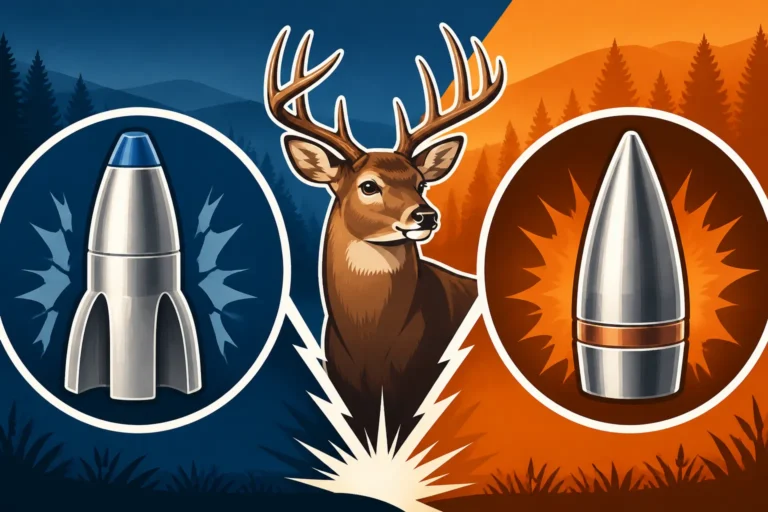
Lead-Free Ammunition Choices for Deer
The conversation around ammunition has been shifting for a while now, and if you’re a Tennessee hunter, you might find yourself wondering about alternatives to traditional lead bullets. We all care deeply about the land we hunt and the game we pursue, and with growing awareness about the potential impacts of lead on both wildlife and the venison we bring home, many are exploring lead-free options. This guide will walk you through why hunters are making the switch, the types of lead-free ammunition available, how it performs in the field, and what you need to consider if you decide to try it for your next deer season here in the Volunteer State.
Why Hunters Are Considering Lead-Free Ammunition in Tennessee
For generations, lead has been the go-to material for bullet construction, offering a cost-effective and effective projectile. However, times are changing, and with new information and evolving ethics, many hunters are starting to ask tough questions about the legacy we leave behind. It’s not about being forced into something here in Tennessee, at least not yet, but rather making informed choices for the health of our environment and our families.
Environmental Concerns and Wildlife Health
When you field dress a deer, you inevitably leave gut piles and sometimes even small fragments of lead from a traditional bullet in the carcass. While it might seem like a small thing, these discarded remnants don't just disappear. Scavengers, like our majestic bald eagles that are making such a strong comeback along Tennessee's rivers, or even common coyotes and ravens, are drawn to these gut piles. They consume the lead fragments, which can then cause lead poisoning. It’s a silent, unseen threat, but the impact can be significant on local wildlife populations.
Think about a crisp December morning, after a successful hunt on the Cumberland Plateau. You’ve packed out your deer, but the internal organs remain. A red-tailed hawk might spot that offering from above, or a family of raccoons could investigate by nightfall. If your bullet fragmented significantly, those tiny lead particles become a danger. It’s a somber thought, realizing that a byproduct of our hunt could inadvertently harm the very wildlife we cherish and work to conserve. This concern alone is a powerful motivator for many to look into alternatives.
Personal and Family Health
Beyond the animals that scavenge in the woods, there's also a growing awareness about the lead that can end up in the venison we eat ourselves. Studies have shown that even a seemingly clean shot with a traditional lead-core bullet can scatter microscopic lead fragments quite a distance from the wound channel. These fragments can be too small to see or feel, but they are there, especially in the meat surrounding the impact zone. While the health risks of consuming small amounts of lead are debated, for many hunters, the simple peace of mind that comes from knowing their venison is free of lead contamination is priceless.
Imagine serving up a delicious venison stew to your family, knowing that every bite is as pure as the woods it came from. For a lot of us, hunting is about providing healthy, organic meat for our loved ones. If there’s a way to reduce or eliminate potential contaminants, even if the risk is considered low, it’s a natural step for many responsible hunters. It aligns with the ethos of sourcing our own food and ensuring its quality from field to fork. This personal health aspect resonates deeply with those who value self-sufficiency and clean eating. Butchering a Deer at Camp is a time-honored tradition, and ensuring the meat is as clean as possible is part of that process.
Public Land and Regulatory Shifts
While Tennessee doesn't currently mandate lead-free ammunition for deer hunting, the regulatory landscape across the country is always shifting. We've seen states like California implement statewide bans on lead ammunition for hunting, and certain public lands in other areas have adopted similar rules. As more research emerges and public awareness grows, it's not unreasonable to consider that such regulations could eventually come to Tennessee, especially for specific wildlife management areas or in response to wildlife health concerns in areas like the Tennessee's Chronic Wasting Disease Management Zone where carcass disposal is already under scrutiny.
Getting ahead of potential changes is a proactive step. If you're already familiar and proficient with lead-free ammunition, any future regulation won't catch you off guard. It's about being prepared and adapting to best practices. By understanding and even experimenting with lead-free options now, Tennessee hunters can stay informed and be ready to advocate for or adapt to any future changes that might benefit our shared wildlife resources. It's also a way to show a commitment to conservation that goes beyond simply following the letter of the law.
Common Types of Lead-Free Ammunition for Deer Hunting
So, if you’re leaning towards making the switch, what are your options? The market for lead-free ammunition has really expanded over the last decade, and there are some fantastic choices out there that perform just as well, if not better, than traditional lead-core bullets. It’s no longer a niche product; major manufacturers offer robust lines of lead-free hunting rounds for popular calibers.
Copper Solid Projectiles
The most common and widely recognized type of lead-free hunting ammunition is the solid copper bullet. These projectiles are exactly what they sound like: a single piece of copper, machined into a bullet shape, often with a polymer tip for improved ballistics and controlled expansion. Brands like Barnes' TTSX (Triple-Shock X-Bullet), Hornady's GMX, and Federal's Trophy Copper are popular examples that you’ll find on many store shelves or online platforms.
What makes these copper bullets so effective? They excel in weight retention. Unlike lead-core bullets that can shed significant weight upon impact as the lead fragments, solid copper bullets typically retain nearly 100% of their original weight. This means they penetrate incredibly deep, often exiting even large deer, creating two wound channels (entry and exit) which can be critical for blood trailing. The expansion is usually a beautiful "mushroom" shape, delivering impressive energy transfer. While they might behave a little differently in terms of trajectory or felt recoil than a lead-core counterpart, the terminal performance on deer is often outstanding. You'll definitely want to Zeroing a Rifle for Mixed Distances if you make the switch.
Bonded Core and Fragmenting Alternatives (Lead-Free)
While solid copper is king, there are other lead-free designs worth exploring. Some manufacturers offer bonded core bullets where the core material isn't lead but a different, non-toxic alloy, permanently fused to the copper jacket. This bonding prevents separation and fragmentation, similar to solid copper, ensuring high weight retention and deep penetration. Again, the key here is to ensure the core itself is lead-free, as many traditional bonded bullets still use lead cores.
Then you have fragmenting lead-free options. While some hunters prefer a bullet that holds together, certain designs are specifically engineered to fragment into smaller, non-toxic pieces that still create a devastating wound channel without large lead fragments. These can be particularly effective for quick energy dump within the animal. It's all about understanding the bullet's design and what kind of terminal performance you're looking for in your chosen Rifle Setups for Tennessee Deer Hunting. When Choosing a Rifle Caliber for Tennessee Deer, also consider how different bullet constructions might perform.
Frangible and Tin-Based Options
Beyond copper, other materials are being explored for lead-free ammunition. Frangible bullets, for instance, are designed to disintegrate upon impact with hard surfaces. While primarily used in training scenarios to prevent ricochets, some specialized hunting versions exist that use materials like powdered copper or tin compressed with a binder. These bullets tend to dump all their energy very quickly within the animal, creating large wound cavities but potentially less penetration.
Tin-based alloys are another area of innovation. Tin is lighter than lead, so tin bullets might be longer for a given weight, requiring different barrel twist rates in some firearms. However, they are non-toxic and offer another viable alternative. These options are less common in mainstream hunting ammunition for deer but show the diversity of the lead-free market. When you're looking to purchase, online resources like GoHunt can be invaluable for finding specific brands and bullet types, helping you research and compare the various lead-free options available today, even if they're not stocked at your local mom-and-pop shop.
Performance Characteristics of Lead-Free Rounds on Tennessee Deer
The big question for any hunter is, "Will it kill a deer just as effectively?" And the answer, unequivocally, is yes. Modern lead-free ammunition has been rigorously tested and proven in the field, taking down everything from small whitetails to massive elk. It’s not about compromising effectiveness; it’s about achieving it with a different, and arguably cleaner, material.
Terminal Ballistics and Energy Transfer
One of the standout features of lead-free bullets, especially solid copper designs, is their incredible weight retention. Traditional lead-core bullets, particularly softer ones, can shed a significant portion of their weight (sometimes 30-50% or more) as they expand and fragment inside an animal. This means the bullet loses mass, and thus kinetic energy, that could otherwise be driving it deeper. Lead-free copper bullets, by retaining nearly 100% of their weight, maintain more momentum and penetrate much deeper. This often results in a full pass-through on a deer, creating an exit wound that is invaluable for trailing, especially in the thick leaf litter we often encounter in Tennessee's woods.
The expansion profile of these bullets is also quite reliable. They typically mushroom beautifully, creating a wide, devastating wound channel that quickly incapacitates the animal. While some traditional lead bullets rely on a massive hydrostatic shock caused by extreme fragmentation, lead-free bullets tend to create a more consistent, narrower but very deep wound channel. For a hunter, this translates to confident, ethical kills when paired with good shot placement, ensuring the deer goes down quickly and humanely, whether you're Hunting West Tennessee Bottomland Deer or in the rugged terrain of the Cherokee National Forest.
Accuracy and Point of Impact
A common concern when switching ammunition types is how it will affect your rifle's accuracy and point of impact. It's absolutely true that changing bullet brands, weights, or construction types will almost certainly shift your point of impact. This isn't unique to lead-free; it happens with any significant change in ammunition. However, modern lead-free bullets are manufactured to incredibly tight tolerances and can be exceptionally accurate. Don't fall for the old myth that lead-free equals poor accuracy.
The key is testing. You must re-zero your rifle with your chosen lead-free load. Take it to the range, shoot several groups, and find out exactly where it's hitting. You might find that a lighter-for-caliber copper bullet shoots flatter than a heavier lead-core bullet you previously used, simply because copper has a lower density than lead, meaning a 150-grain copper bullet will be longer than a 150-grain lead-core bullet of the same caliber. This difference in length can also affect barrel harmonics and therefore accuracy. Dedicate time at the range to Zeroing a Rifle for Mixed Distances with your new lead-free rounds, and you'll quickly gain confidence in their performance. You might even find them to be incredibly consistent.
Ethical Considerations and Quick Kills
At the end of the day, every hunter's primary ethical responsibility is to ensure a quick, humane kill. Lead-free ammunition, when properly matched to your rifle and used with good shot placement, absolutely supports this goal. In fact, many experienced hunters argue that the deep penetration and reliable expansion of solid copper bullets enhance the likelihood of a clean pass-through, which is often crucial for generating a strong blood trail in difficult terrain or thick cover.
The robust construction of these bullets means they are less likely to deflect or break apart on bone, maintaining their path to vital organs. This consistency breeds confidence. You'll know that if you put the bullet where it needs to go, the ammunition will do its job without fail. While the material is different, the fundamental principles of ethical hunting—precision, practice, and respect for the animal—remain the same. Using a high-quality lead-free bullet is simply another way to demonstrate that respect, for the animal and for the environment it calls home.
Practical Considerations for Tennessee Hunters Making the Switch
Making the move to lead-free isn't just about buying a box of bullets; it involves a few practical steps to ensure you're as prepared and effective in the field as possible. It's a choice that reflects a conscientious approach to hunting, and like any important decision in our pursuits, it requires a bit of planning and effort.
Cost and Availability
Let's be real: lead-free ammunition typically costs more than its traditional lead-core counterparts. This is due to the higher material cost of copper and the more precise manufacturing processes often involved. While it might sting the wallet a bit more per box, consider how many rounds you actually shoot for hunting in a year. For many deer hunters, a single box of hunting ammunition lasts several seasons if used only for zeroing and hunting. The peace of mind and ethical considerations often outweigh the marginal increase in cost over time.
As for availability, it's gotten much better. Major sporting goods chains and online retailers almost always carry popular lead-free options. While your small-town general store might have a more limited selection, a quick search online, perhaps using a tool like GoHunt to check inventory at various retailers, can help you find exactly what you need. It’s worth planning ahead and not waiting until the week before When Tennessee's Archery Season Opens or gun season to try and find a specific lead-free load.
Rifle Compatibility and Testing
Not every rifle "likes" every bullet, and lead-free ammunition is no exception. Due to differences in bullet length (copper is less dense than lead, so a 150-grain copper bullet will be longer than a 150-grain lead bullet of the same caliber), rifling twist rates, and internal ballistics, your rifle might show a preference for one lead-free brand or bullet weight over another. This is perfectly normal.
The solution is simple: get to the range and test! Buy a couple of different boxes from reputable manufacturers known for their lead-free lines in your rifle's caliber. Shoot groups, adjust your scope, and see what performs best. Don't forget that copper can also foul barrels differently than lead, so a good cleaning regimen, such as Cleaning a Rifle After a Wet Sit, is always important. This testing phase is crucial for building confidence. You wouldn't hunt with an untested scope or a worn-out bowstring, so don't hunt with ammunition you haven't thoroughly vetted in your own firearm.
Responsible Use and Preparation
Ultimately, choosing lead-free ammunition in Tennessee is currently a personal decision, a step many hunters are taking to align their practices more closely with their conservation values. It’s a way to minimize your footprint and contribute to the health of the very ecosystem that supports your passion. But making the switch isn't just about buying a box of bullets; it's about being prepared.
Practice with your chosen ammunition. Understand its ballistics and how it performs at various ranges relevant to your typical hunting scenarios. Make sure your Rifle Scopes for Low-Light Hollows are perfectly dialed in with your new rounds. Familiarize yourself with how it impacts deer by studying reports or talking with other hunters who've made the transition. By taking a thoughtful, prepared approach, you'll ensure that your decision to use lead-free ammunition enhances, rather than detracts from, your effectiveness and enjoyment of hunting in Tennessee. Resources like GoHunt often feature articles and user reviews on various ammunition types, which can be helpful in your preparation.
Here's a quick comparison of some general characteristics:
| Feature | Traditional Lead-Core Ammunition | Lead-Free (e.g., Solid Copper) Ammunition |
|---|---|---|
| Material | Lead core, copper jacket (often) | Solid copper, copper alloy, tin, or other non-toxic metals |
| Weight Retention | Variable (often 50-80%), can fragment and shed lead | High (often ~100%), minimal fragmentation, deeper penetration |
| Penetration | Good, but can be limited by fragmentation | Excellent, consistent, often full pass-through |
| Wound Channel | Can be larger due to extensive fragmentation/hydrostatic shock | More consistent, often narrower but very deep and effective |
| Environmental Impact | Lead fragments can contaminate meat and harm scavengers | Non-toxic fragments, minimal environmental impact |
| Cost | Generally more affordable | Generally higher initial cost |
| Availability | Very wide | Good and increasing, especially from major brands |
| Accuracy | Excellent, but varies by rifle/load | Excellent, but requires re-zeroing due to different ballistics |
Making the switch to lead-free ammunition is a powerful way to demonstrate our commitment to responsible hunting and conservation here in Tennessee. While it might involve a little extra research and range time, the benefits for wildlife and for the quality of the venison you put on your table are well worth the effort.
Disclaimer
This article is for general informational purposes only and does not constitute professional advice. Laws, prices and regulations vary by location and change over time. Consult a qualified professional for guidance on your specific situation.