Overton County Public Land for Deer
Finding accessible deer hunting spots on public land can feel like searching for a needle in a haystack, especially in counties like Overton, where much of the landscape is privately owned. It's a real frustration for many hunters just wanting a place to pursue whitetails without jumping through countless hoops for permission. This guide will walk you through the public land options in Overton County for deer hunting, offering practical advice on how to scout, understand local deer behavior, and navigate regulations to increase your chances of success.
Overview of Public Land Opportunities in Overton County
Overton County, nestled in the heart of the Cumberland Plateau, offers hunters rugged terrain and beautiful woodlands. While it doesn't boast the massive tracts of public land found in some other parts of Tennessee, there are still valuable opportunities for deer hunters willing to put in the effort. The primary public hunting area you'll encounter here is Alpine Mountain Wildlife Management Area (WMA). Understanding what these areas offer and what to expect is the first step in planning a successful hunt.
Alpine Mountain Wildlife Management Area
Alpine Mountain WMA is the gem for public land deer hunting in Overton County. This WMA provides a significant amount of acreage, offering a mix of mature timber, regenerating clear-cuts, and steep hollows. The terrain is classic Cumberland Plateau: rolling to steep, with plenty of oak and hickory hardwoods. This diverse habitat is key to holding deer, providing both food and cover. Many hunters overlook areas that require a bit more legwork, focusing instead on easily accessible spots. Don't be that hunter. The deeper you're willing to walk into Alpine, the more you’ll discover untouched pockets where deer feel safe and unpressured. Remember, these areas are managed for wildlife, which means the habitat changes over time with timber harvests and prescribed burns, creating new browse and bedding areas that can be deer magnets. Scouting Tennessee Public Land Before Season is always a good idea, as these habitat changes can greatly influence deer movement.
Navigating Alpine Mountain WMA requires good mapping tools. Services like onX Hunt can be incredibly useful here, allowing you to clearly see WMA boundaries, topography, and access roads. It's easy to get turned around in the vastness of the plateau, and having a reliable GPS map on your phone or a dedicated unit can make all the difference, especially when you're pushing into areas far from established trails. Look for features like natural saddles, creek bottoms, and benches on the ridgelines – these are often natural travel corridors for deer.
Exploring Other Public Access Points
While Alpine Mountain WMA is the main attraction, it's always worth checking the Tennessee Wildlife Resources Agency (TWRA) website for any smaller, lesser-known public hunting opportunities that might exist. Sometimes, state forests or even utility company lands might offer limited public access, often under specific regulations. These smaller tracts can be diamonds in the rough, sometimes holding surprisingly good deer because they receive less hunting pressure. However, always verify boundaries and rules meticulously, as regulations for these smaller, often fragmented, parcels can be much stricter than those on a dedicated WMA. A tool like GoHunt or the TWRA's own "Go Outdoors Tennessee" app can help you find these spots and check their specific rules. Don't forget that different management units have different antlerless limits, so be sure to know Finding Which DMU Your County Sits In before your hunt.
It's also important to consider that "public land" isn't always contiguous. Sometimes you'll find smaller blocks surrounded by private property. This can make access tricky, requiring you to carefully plan your entry and exit routes to avoid trespassing. Always carry proof of your hunting license and any required permits, as wildlife officers frequently patrol these areas, especially during peak seasons. Even if you're certain of your location, having everything in order ensures a smooth experience.
Understanding Deer Behavior and Habitat in Overton County
Hunting deer effectively in Overton County means understanding how the local environment shapes their lives. The Cumberland Plateau offers a unique set of challenges and opportunities, and deer here adapt to the food sources, terrain, and hunting pressure. It’s not just about finding a big oak tree; it’s about reading the entire landscape.
Key Habitat Types and Food Sources
The dominant habitat in Overton County's public lands, particularly in Alpine Mountain WMA, is mature hardwood forest. This means a heavy reliance on mast crops, primarily acorns from various oak species, hickory nuts, and beech nuts. When these mast crops are abundant, deer will often spread out, feeding wherever the food is dropping. This can make them harder to pattern, as they don't necessarily have to congregate in specific areas. However, in years with poor mast crops, deer will concentrate around alternative food sources such as greenbriar, honeysuckle, and forbs in regeneration areas or along creek bottoms. Knowing Hunting After a Poor Acorn Year can drastically change your hunting strategy.
Beyond the mast, you’ll find areas of dense undergrowth from past timber cuts. These areas are crucial for bedding and security cover, especially for mature bucks. Don't overlook these thickets; while difficult to hunt, they often hold deer throughout the day. Creek bottoms and drains running through the plateau provide natural travel corridors and often host different vegetation, providing a year-round food source even when the ridges are bare. Understanding these habitat nuances will allow you to predict deer movement more accurately.
Pressure and Deer Movement Patterns
Overton County's public land sees its share of hunting pressure, especially during opening weekends and the peak of the rut. Deer here are often more wary and nocturnal than their counterparts on private lands. This pressure pushes deer into thicker cover during daylight hours and makes them more sensitive to human intrusion. For this reason, deep penetration into the WMA, away from easily accessible roads and parking areas, is often the most effective strategy. Think about where most hunters won't go, or can't go easily.
During periods of high pressure, deer might shift their movement patterns entirely, utilizing subtle terrain features like benches or small draws that offer concealment. Hunting Pressure on Tennessee Public Land is a significant factor. They may also move more during the midday hours, when many hunters have retreated to camp. Learning to adapt your schedule and tactics to account for pressure is paramount. This might mean sitting longer, or focusing your efforts on weekdays instead of weekends. Furthermore, mature bucks often have specific escape routes they use when feeling pressured, and identifying these on a map or through scouting can give you a significant advantage.
Strategies for Successful Deer Hunting on Overton County Public Land
Success on public land in Overton County requires a proactive approach. You can't just show up on opening day and expect deer to be waiting. It takes preparation, smart scouting, and adaptable hunting tactics.
Scouting and E-Scouting Techniques
Effective scouting is the bedrock of successful public land hunting. Since many of us can't spend countless hours in the woods before the season, e-scouting tools like onX Hunt are invaluable. Start by identifying potential bedding areas (thick cover, south-facing slopes for warmth), feeding areas (oak flats, clear-cuts), and natural travel corridors (saddles, creek drainages, old logging roads). Pay close attention to subtle terrain features that might funnel deer movement. Look for areas where ridges converge or where a small bench offers a less strenuous path around a steep climb. Reading Aerial Photos for Cumberland Plateau Deer can reveal these details that are easily missed on the ground.
Once you have identified promising spots on your map, a physical scouting trip is essential. Look for fresh sign: rubs, scrapes, tracks, and droppings. Identify primary trails and secondary trails that lead to bedding or feeding. Check the mast crop situation directly. If you find a good concentration of fresh sign away from obvious access points, you're on the right track. Remember, a good scouting trip in the off-season can save you many fruitless hours during the hunt.
Stand Placement and Hunting Tactics
Given the nature of public land and pressured deer, your stand placement needs to be stealthy and strategic. Think about your entry and exit routes – can you get to and from your stand without spooking deer? Consider wind direction and thermals, especially in the steep terrain of the Cumberland Plateau. In the mornings, cold air sinks into hollows, drawing scent downwards, while in the evenings, rising warm air carries scent up the slopes. Wind and Thermals on a Ridge System are critical factors.
Portable treestands or saddle hunting setups are ideal for public land, allowing you to be mobile and adapt to changing deer patterns or pressure. Hanging a Stand on a Cumberland Ridge takes practice but offers great advantages. Look for trees that offer good cover, both visually and from a scent perspective. Don't be afraid to hunt areas that look "too thick" – often, these are the places where mature deer will feel safe enough to move during daylight. Using a Ground Blind on Tennessee Public Land can also be an effective strategy, especially if you can brush it in naturally, offering concealment for pressured animals. Always prioritize safety, especially when setting up in challenging terrain.
Table: Public Land Hunting Considerations for Overton County
| Factor | Description | Importance |
|---|---|---|
| Terrain | Overton County features classic Cumberland Plateau terrain: steep ridges, deep hollows, and broken terrain. Hardwood forests dominate, with a mix of mature timber and clear-cut regeneration. Expect significant elevation changes and rugged footing. | High. Influences deer movement, stand placement, physical exertion, and equipment choices (e.g., sturdy boots, climbing aids). Deer will often travel along benches and saddles to conserve energy. |
| Habitat & Food | Predominantly oak/hickory forests provide mast crops (acorns, hickory nuts) as primary food. Regenerating clear-cuts offer dense browse and cover. Creek bottoms and hollows may contain other forage and water sources. | High. Dictates where deer will feed and bed. Understanding mast cycles is crucial; deer will spread out in good years and concentrate in poor years. Focus on transition zones between feeding and bedding. |
| Hunting Pressure | Public lands, especially on opening days and weekends, can experience moderate to high hunting pressure. This makes deer more wary, nocturnal, and prone to seeking dense cover. | Very High. Requires hunters to adapt. Consider hunting weekdays, going deeper into the WMA, hunting midday, or using subtle, less obvious stand locations. Stealth and low-impact entry/exit are critical. Finding Ground Others Walk Past is key. |
| Access | Primary access via established roads and parking areas within Alpine Mountain WMA. Some smaller, less developed access points may exist. Navigation tools like onX Hunt are essential for identifying boundaries and planning routes. | High. Knowing where you can legally park and enter is paramount. Planning entry/exit ensures you don't spook deer or trespass. Longer walks often lead to less pressured areas. |
| Regulations | Hunters must adhere to statewide Tennessee hunting regulations, including license requirements, bag limits, and specific WMA rules (e.g., blaze orange, weapon restrictions). Overton County falls within a specific Deer Management Unit (DMU) with its own antlerless limits. | Essential. Ignorance of regulations is no excuse. Always check the current TWRA hunting guide for Tennessee Deer Season Structure Explained and any special WMA rules. Ensure you have the correct Tennessee Hunting Licenses and What They Cost. |
| E-Scouting Tools | Digital mapping applications like onX Hunt or GoHunt are incredibly beneficial for identifying terrain features, property lines, WMA boundaries, and potential deer hotspots from home. | Very High. Saves time and helps identify promising areas before setting foot in the woods. Provides critical spatial awareness during the hunt, especially in unfamiliar or rugged terrain. |
Navigating Regulations and Access
Hunting public land successfully also means being a responsible and informed hunter. Understanding Tennessee's hunting regulations and respecting property lines are not just about avoiding legal trouble; they're about ensuring a positive experience for everyone and contributing to the conservation of our wildlife.
Licenses, Permits, and Blaze Orange Requirements
Before you even step foot on public land in Overton County, ensure all your paperwork is in order. You'll need a valid Tennessee hunting license, and depending on what you're hunting (deer), a big game permit is also required. If you plan to hunt on a WMA like Alpine Mountain, there might be additional WMA-specific permits or regulations that apply. Always check the current TWRA Hunting and Trapping Guide, which is updated annually. You can purchase licenses and check regulations easily through the Go Outdoors Tennessee portal. It's a lifesaver, especially if you're not a local.
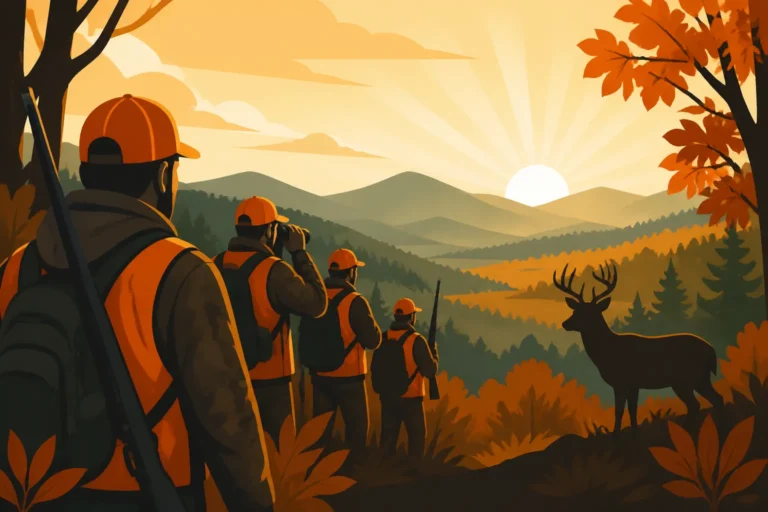
Furthermore, Tennessee has strict blaze orange requirements during certain seasons, especially during the gun deer season. Make sure you understand Tennessee Blaze Orange Requirements and wear the appropriate amount of visible orange to stay safe and legal. These rules are in place for a good reason, to prevent accidents, and adhering to them is a non-negotiable part of responsible hunting. If you're new to hunting, remember to take your Tennessee Hunter Education Requirements course.
Respecting Boundaries and Ethical Hunting
Public land is shared by many users – hikers, birdwatchers, and other hunters. Being a good steward means not only following the law but also being respectful of others and the environment. Always be absolutely certain of property lines. This is where a reliable mapping app like onX Hunt shines, as it displays property boundaries, making it much harder to accidentally trespass onto private land. There's nothing worse than spoiling a hunt or facing legal issues because you misjudged a boundary line.
Ethical hunting also extends to how you interact with the land and the animals. Pack out everything you pack in, and leave no trace. If you harvest a deer, retrieve it efficiently and ethically, even if it runs onto neighboring property (while respecting retrieval laws). Public land hunting can be challenging, but the satisfaction of earning a deer from these rugged landscapes is incredibly rewarding. It fosters a deep connection to the land and the traditions of hunting in Tennessee.
Disclaimer
This article is for general informational purposes only and does not constitute professional advice. Laws, prices and regulations vary by location and change over time. Consult a qualified professional for guidance on your specific situation.