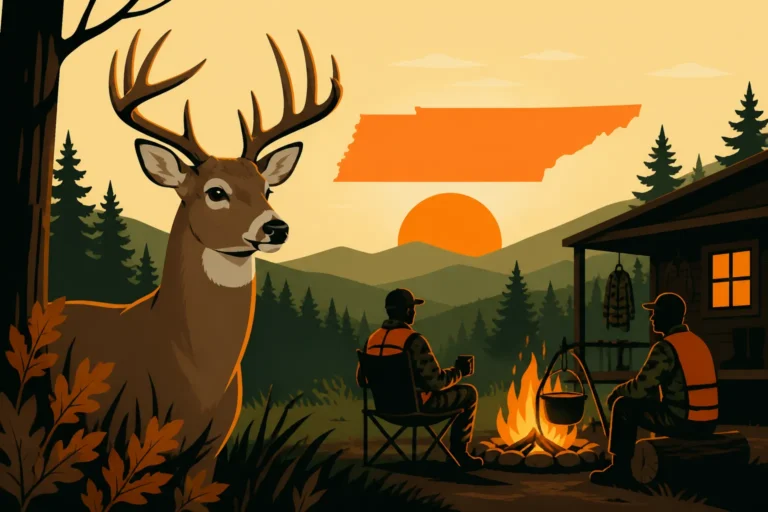
How Tennessee’s Deer Season Runs Archery to January
The sheer length and variety of Tennessee's deer season can feel like navigating a maze, especially for new hunters or those accustomed to simpler structures. From the quiet whisper of an arrow in early fall to the chill of a January muzzleloader hunt, understanding the nuances of each phase, the allowed weapons, and the ever-present regulations, like those for CWD zones, is crucial for success and staying on the right side of the law. This guide aims to demystify the entire progression, from the opening archery days right through to the season's closing moments in the new year.
The Grand Opening: Archery Season Kicks Off
There’s nothing quite like the anticipation leading up to the archery opener in Tennessee. The leaves are just starting to turn, the air still holds a whisper of summer warmth, and the woods are alive with deer still operating on relatively consistent patterns before the real pressure sets in. This is a time for stealth, keen observation, and capitalizing on deer movements that haven't been disrupted by widespread human activity.
Early September Archery Opportunities
Tennessee's archery season often kicks off in late September, sometimes even with a special August antlerless-only hunt in select counties, which can feel like a bonus round if you're prepared. When that first arrow-only date arrives, it's a breath of fresh air after months of scouting and waiting. Deer are typically still focused on summer food sources – lush green fields, early mast crops, and anything irrigated or consistently watered. They're not yet thinking about the rut, and their patterns are often predictable, moving between bedding areas and feeding grounds at dawn and dusk. This is prime time for stand placement along well-used trails or over active food sources. You’ll find that deer often tolerate more daytime movement in these early weeks before they become wary of human intrusion. Many hunters focus on finding these consistent travel corridors, perhaps near a watering hole if it's been a dry summer. It's a fantastic time to pattern specific deer, but remember that the heat can be a factor, so proper game care, like having good coolers and game bags ready, is paramount. If you're looking for more specific tactics during this time, you might find some useful tips in our piece on Hunting the August Antlerless-Only Archery Hunt.
The Crossbow Conundrum and Modern Archery
For years, the debate raged between traditional vertical bow hunters and those opting for crossbows. In Tennessee, crossbows are legal for all hunters during the entire archery season, which has opened up bowhunting to a broader audience, including those with physical limitations or those who prefer the increased accuracy potential at longer distances. This accessibility is a huge plus, allowing more people to experience the thrill of the early season. However, it also means potentially more hunters in the woods, adding to the challenge of finding unpressured deer. Whether you're slinging arrows from a compound bow or launching bolts from a crossbow, the core principles remain the same: quiet entry and exit, meticulous scent control, and knowing your effective range. A modern crossbow can extend that range somewhat, but it's vital to practice diligently to ensure ethical shots. Always remember that even with a crossbow, you're still in the "archery" mindset – close encounters, precision, and minimizing disturbance are key. Getting your setup dialed in is critical, and you can learn more about Crossbow Versus Vertical Bow in Tennessee to help you decide which is best for you.
The Muzzleloader Interlude: A Bridge to Firearms
Nestled between the archery season and the full-blown gun season, Tennessee offers a dedicated muzzleloader hunt. This two-week window provides a unique opportunity, often falling just before or during the initial phases of the rut, offering a blend of traditional hunting with a taste of the heightened deer activity to come. It’s a favorite time for many who appreciate the challenge and history of black powder.
Traditional Methods, Modern Advantages
Muzzleloader hunting is steeped in tradition, harkening back to a simpler time. However, modern inline muzzleloaders offer accuracy and reliability that would astound our ancestors. For many, it's a beloved period because it requires a different mindset than rifle hunting. You usually get one shot, so patience and precision are paramount. The range is typically more limited than a modern rifle, encouraging hunters to get closer to their quarry, much like archery. This often means focusing on ambush points, thick cover, and understanding deer movement patterns intently. You might be surprised how many deer are still moving through clear-cuts or along creek bottoms during this time. The weather can be a real wildcard during muzzleloader season; some years it’s unseasonably warm, other times you’re dealing with the first real cold snap, adding another layer of challenge and requiring adaptable clothing strategies. You can dive deeper into specific tactics with Tennessee Muzzleloader Season Tactics.
Strategic Considerations for Muzzleloader Week
The muzzleloader season frequently coincides with the pre-rut or the very beginning of the primary rut in many parts of Tennessee, especially if it lands in early November. This means bucks are starting to cruise, checking scrapes, and actively searching for does. This behavioral shift can make calling and rattling highly effective. Suddenly, those thickets that were quiet during archery season might hold cruising bucks. Scrapes along logging roads or rub lines on field edges become high-traffic areas. This is also a fantastic time to use scent control even more rigorously, as deer are using their noses extensively to find each other. Don't be surprised to see more daytime movement from mature bucks during this phase as they begin to throw caution to the wind. Because of the "one shot" nature, taking the time to truly scout and understand specific deer movements is paramount. Using tools like GoHunt can be invaluable here, allowing you to mark potential stand locations, scout property lines, and understand terrain features that funnel deer, especially when looking for those critical pre-rut scrape lines along a logging road.
Firearms Season: The Main Event
When the gun season opens in Tennessee, it's often greeted with a mix of excitement and trepidation. Excitement for the increased opportunity, and trepidation for the increased hunting pressure that inevitably comes with it. This is usually the longest segment of the season, offering a broad window but demanding adaptable strategies.
Navigating the Opening Day Rush
The opening day of Tennessee's gun season is, without a doubt, the busiest day in the woods. Hunters from all walks of life, eager for venison or a chance at a trophy, flock to public and private lands. This sudden influx of human activity drastically changes deer behavior. Deer that were once predictable become nocturnal or retreat to the thickest, nastiest cover they can find. If you plan to hunt opening weekend, expect company, especially on public land. Your best bet is to find areas that are difficult to access, perhaps a steep hollow or a remote ridge, or to employ tactics that account for deer pushed by other hunters, like setting up on pinch points or escape routes. Many seasoned hunters know that the deer are already on high alert by mid-morning, so early success often comes from being in a high-traffic area where deer are already moving, or from targeting escape routes where pressured deer will travel. Understanding Why Tennessee's Gun Opener Draws the Biggest Crowds can help you formulate your strategy.
Mid-Season Tactics and the Rut
After the initial opening weekend frenzy, deer activity can slow down significantly as they recover from the pressure. However, the mid-season, particularly in early November, often brings the most anticipated event for many deer hunters: the rut. This is when bucks are actively chasing does, making them more visible and less cautious during daylight hours. This is the time to be in the woods as much as possible, as a big buck can seemingly appear out of nowhere, following a doe. Grunt calls, rattling antlers, and even doe bleats can be incredibly effective during this period. Focus on areas where does congregate, such as preferred food sources or bedding areas, as bucks will be checking these locations regularly. Later in the firearms season, after the primary rut has cooled, deer will shift their focus back to food and recovering from the energy expenditures of breeding. This transition phase requires hunters to adjust by identifying late-season food sources like standing corn, brassicas, or lingering acorns, particularly in milder weather. We have a detailed guide on Hunting the Tennessee Rut in Early November that can provide even more insight.
Late Season Challenges: January's Chill and Beyond
As the calendar flips to January, the Tennessee deer season enters its final, often most challenging, phase. The excitement of the rut is long gone, the woods are bare, and cold, raw weather can become a significant factor. But for the dedicated hunter, this period offers unique opportunities for success, especially for filling antlerless tags or harvesting a mature buck that has survived the earlier seasons.
Food Source Focus in Winter
In January, deer are entirely focused on survival, and that means finding calories. With most natural food sources depleted or covered by snow and ice, the remaining consistent food becomes a magnet. Agricultural fields with standing crops like corn or soybeans, or planted food plots designed for late-season nutrition, become prime hunting grounds. Even in hardwood forests, if there are any lingering hard mast crops like white oak acorns, deer will hit them hard. Scouting during this period should revolve almost entirely around identifying these critical food sources and the shortest, most efficient travel routes deer use to reach them from their bedding areas. Often, these travel corridors will be thick, sheltered areas that offer protection from the elements and predators. This is also a great time to hunt clear-cuts or areas with thick thermal cover, as deer will often bed in these spots to conserve energy during cold snaps. Understanding Late-Season Food Sources for Tennessee Whitetails is crucial for success during this period.
Dealing with Pressure and Cold Weather
By January, deer have been hunted for months. They are incredibly wary and often nocturnal, especially mature bucks. Finding success means hunting smart, minimizing disturbance, and often going to places others aren't willing to go. Consider hunting mid-week when pressure is lower, or still-hunting through thick cover rather than sitting on a well-known stand. Cold weather itself presents its own set of challenges. Layering clothing is essential to stay warm and comfortable for extended sits, but too many layers can restrict movement and make you noisy. Quality insulated boots and hand warmers become indispensable. Patience is perhaps the most important virtue in January; deer movement might be slow, but when they do move, it's often purposeful, driven by hunger. If you're willing to brave the elements and put in the effort, late season can be incredibly rewarding. Plus, tracking a deer through light snow or crunchy leaves in the crisp winter air offers a unique experience. For navigating the elements, check out our insights on Cold-Weather Sitting Strategy in Tennessee.
Understanding Deer Management Units (DMUs) and Antlerless Limits
Navigating Tennessee's deer season isn't just about dates and weapons; it's also about understanding the state's Deer Management Units (DMUs) and how they dictate antlerless harvest limits. These units are critical for managing deer populations at a local level and ensuring healthy herds.
Decoding the DMU System
Tennessee is divided into six distinct Deer Management Units (DMUs), each with its own set of antlerless bag limits. These DMUs are based on factors like deer population density, habitat quality, historical harvest data, and prevalence of Chronic Wasting Disease (CWD). For example, DMU 1 and DMU 2 often have more liberal antlerless limits due to higher deer populations, while DMU 6, which covers parts of East Tennessee with lower deer densities and different habitat challenges, might have a much more conservative limit. It's incredibly important to know which DMU you're hunting in, as the rules can vary significantly from one county line to the next. The Tennessee Wildlife Resources Agency (TWRA) provides maps and detailed breakdowns, and applications like GoHunt offer digital mapping layers that show DMU boundaries right on your phone, making it easier to confirm. Before you even head to the woods, take the time to figure out Finding Which DMU Your County Sits In and commit it to memory.
Adapting to Changing Bag Limits
The antlerless bag limits within each DMU are not static; they can change from year to year based on population trends and management goals. For instance, in an effort to reduce deer numbers in areas with high agricultural damage or to slow the spread of CWD, the TWRA might increase antlerless opportunities. Conversely, areas experiencing population declines might see reduced limits. This fluidity means hunters need to check the current regulations every year. An antlerless deer is often easier to harvest than a buck and provides valuable venison. For those hunting in areas with higher limits, like a DMU allowing three antlerless deer, learning Filling a Three-Antlerless DMU Limit can be incredibly helpful. Always ensure you have the appropriate licenses and tags for any antlerless deer you harvest, and remember that reporting your harvest is a legal requirement across the state.
Here’s a quick overview of how the seasons typically align, though specific dates and regulations can vary yearly, so always consult the latest TWRA digest!
| Season Type | Typical Start Date | Typical End Date | Allowed Weapons | Antlerless Deer Limits (General) | Notes |
|---|---|---|---|---|---|
| Archery Season | Late September | Mid-November | Vertical Bow, Crossbow | Varies by DMU (1-3 or 1-2 per day) | Focus on early season patterns, pre-rut activity |
| Muzzleloader Season | Mid-November | Late November | Muzzleloader (per TWRA regulations) | Varies by DMU (1-3 or 1-2 per day) | Often coincides with early to peak rut |
| Young Sportsman Hunt | Early November | Early November | Archery, Muzzleloader, Gun (dependent on weekend) | Varies by DMU | Dedicated weekends for youth hunters |
| Gun Season | Mid-November | Early January | Archery, Muzzleloader, Gun | Varies by DMU (1-3 or 1-2 per day) | Most popular, highest pressure, covers peak rut and late season |
This table provides a general overview. Always check the current TWRA Hunting and Trapping Guide for precise dates and regulations.
Hunter Responsibilities and Regulations
Beyond understanding the calendar and weapon choices, being a responsible hunter in Tennessee means adhering to all regulations, especially concerning harvest reporting and CWD management. These rules are in place to ensure proper wildlife management and the health of the deer herd for future generations.
Reporting Your Harvest
In Tennessee, it's not enough to just harvest a deer; you're legally required to report it. This process is straightforward, thanks to the Go Outdoors Tennessee platform. You can report your harvest online through the TWRA website or using their mobile app, often right from the field. This data is incredibly important for wildlife biologists to monitor deer populations, track harvest trends, and make informed management decisions for future seasons. Failing to report a harvest is a violation, and it also compromises the valuable data that helps protect the very resource we enjoy. Make sure you understand Tennessee Deer Harvest Reporting Rules before you head out. It's usually a quick process involving your license number, the date and county of harvest, and information about the deer (antlered or antlerless, sex). Don't wait until you get home; do it as soon as possible after the harvest to avoid forgetting.
CWD Zone Considerations
Chronic Wasting Disease (CWD) is a serious concern for Tennessee's deer herd, and its presence has led to specific regulations, particularly in designated CWD-positive counties and their surrounding areas. These regulations can include carcass transportation restrictions, mandatory CWD testing in certain zones, and even special earn-a-buck programs designed to increase antlerless harvest and reduce deer density. It's absolutely crucial to know if you're hunting in a CWD-positive county. If you are, you'll need to be aware of rules like Moving Deboned Venison Out of the CWD Zone and where to find CWD sampling stations. The TWRA has done an excellent job providing resources and information on their website, and platforms like GoHunt often update their mapping layers to highlight CWD zones. These rules are in place to protect the entire deer herd, so compliance isn't just a legal requirement; it's a moral one for every hunter who cares about the future of deer hunting in Tennessee.
Disclaimer
Please be aware that hunting regulations, seasons, and licensing requirements can change annually. Always consult the official Tennessee Wildlife Resources Agency (TWRA) website or their current Hunting and Trapping Guide for the most accurate and up-to-date information before planning any hunt. This guide is for informational purposes only and does not supersede official TWRA regulations.