Sullivan County Public Hunting Access
Finding reliable public hunting access in Northeast Tennessee, especially in a county like Sullivan, can feel like navigating a maze of private land and restricted areas. Hunters often feel frustrated trying to pinpoint exactly where they can legally pursue game, leading to wasted scouting time or missed opportunities. This guide is designed to cut through that confusion, helping you understand the primary public hunting options available in Sullivan County, how to prepare for them, and how to maximize your success in these beautiful but challenging landscapes.
Navigating Public Hunting Access in Sullivan County
Sullivan County, nestled in the scenic Appalachian foothills of Northeast Tennessee, offers public hunting opportunities primarily through its significant portions of the Cherokee National Forest. Unlike some flatter, more agricultural counties, much of Sullivan's public land is characterized by steep, timbered terrain, offering a different kind of hunting experience. Understanding where these lands lie and how they are managed is the first step toward a successful hunt.
The Dominance of Cherokee National Forest
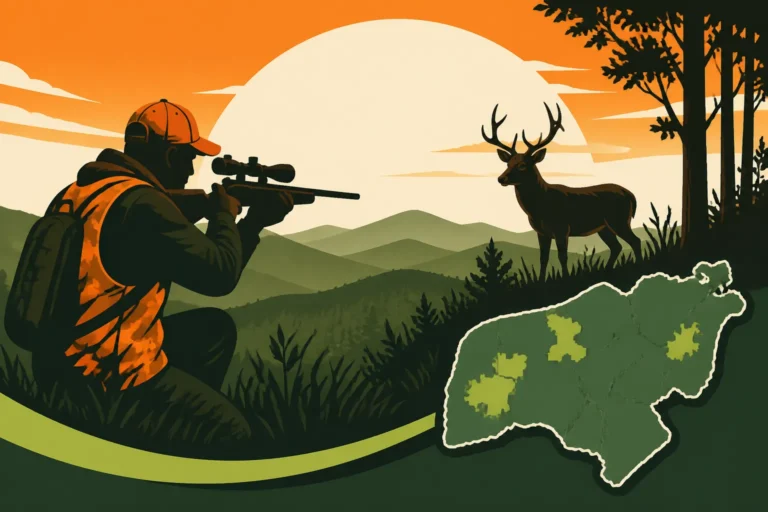
The most substantial public hunting ground in Sullivan County is undoubtedly the Cherokee National Forest. This vast federal property blankets significant parts of eastern Tennessee, including sizable tracts within Sullivan County. For hunters, the Cherokee National Forest represents an incredible resource, offering opportunities for deer, bear, turkey, and small game. These lands are generally open to public hunting in accordance with statewide Tennessee Wildlife Resources Agency (TWRA) regulations, with some specific national forest rules sometimes applying.
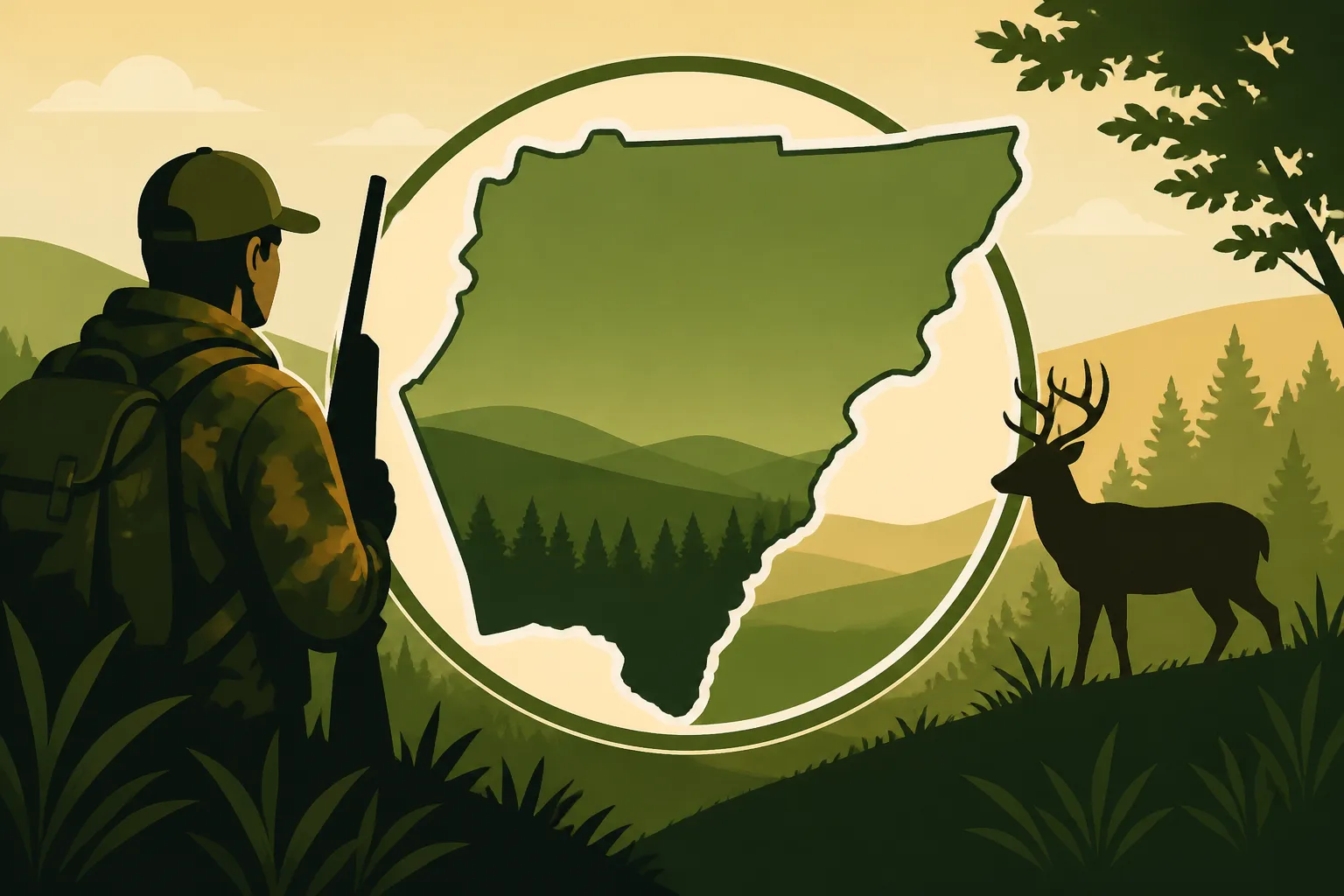
When you're looking at a map, you'll see the green expanse of the forest covering the eastern and southern edges of Sullivan County, bordering areas like Carter and Johnson counties. This mountainous terrain is rugged, with deep hollows, steep ridges, and dense timber, which can be both a challenge and a reward. It means fewer hunters venture deep, but it also means physically demanding hunts. Access points often involve gravel forest roads or trails that lead off more maintained state highways. Be prepared for limited cell service in many of these remote areas, making offline maps, like those available through onX Hunt, absolutely essential. Cherokee National Forest Hunting provides a broader overview of hunting this iconic resource.
Smaller Public Access Points and Considerations
While the Cherokee National Forest is the heavyweight, there might be other, smaller pieces of public land or specifically designated Wildlife Management Areas (WMAs) within or adjacent to Sullivan County. These can sometimes be overlooked by hunters focusing solely on the national forest. It's crucial to consult the TWRA's official maps and resources, often available through their Go Outdoors Tennessee platform, to identify any such areas. These smaller WMAs might offer different habitat types, such as more open timber, agricultural fringes, or wetland areas, which can hold different game concentrations or offer alternative hunting experiences.
However, smaller WMAs often come with their own set of specific regulations that can differ from statewide rules or national forest guidelines. These might include special hunt dates, antler restrictions, specific weapon limitations, or even quota hunts that require an application. Always double-check the current TWRA hunting guide for any WMA you plan to hunt. While less common in Sullivan County specifically, some areas might even have designated public access portions along major rivers, offering waterfowl opportunities, though these are typically few and far between compared to the vast timberlands.
Understanding Regulations and Seasonal Opportunities
Hunting on public land, especially in a diverse area like Sullivan County's portions of the Cherokee National Forest, requires a solid understanding of the regulations. Misinterpreting a rule can quickly turn a great day afield into a costly headache. Familiarizing yourself with both state and area-specific guidelines is non-negotiable.
General Tennessee Rules & Cherokee Forest Specifics
All hunters in Sullivan County, whether on public or private land, must adhere to Tennessee's general hunting regulations. This includes possessing the appropriate Tennessee Hunting Licenses and What They Cost, understanding bag limits, legal hunting hours, and blaze orange requirements during certain seasons. For instance, knowing Tennessee Hunter Education Requirements is vital, as most hunters need to complete a course unless they qualify for an exemption or an apprentice license.
When hunting within the Cherokee National Forest, most statewide seasons apply, but there are some nuances. For example, while baiting is generally legal for deer on private land in Tennessee, it's typically prohibited on national forest land. Road closures on forest service roads are also common, particularly during wet weather or specific times of the year, which can impact access to your preferred hunting spots. Always check the U.S. Forest Service website for the particular district you're hunting, or contact the local ranger station for up-to-date information on road conditions and closures. Vehicle Rules on Tennessee Public Land can provide further context. Pay attention to signs posted at trailheads or forest entrances, as these often contain critical information specific to that area.
Game Species and Seasons in Sullivan County Public Land
Sullivan County's public hunting lands, primarily within the Cherokee National Forest, offer diverse hunting opportunities.
- White-tailed Deer: Deer are abundant throughout the national forest. Tennessee Deer Season Structure Explained shows how the season progresses from archery, through muzzleloader, and into gun season. The mountainous terrain can make deer hunting challenging, but it often leads to less pressured deer once you get away from roads. You'll find deer feeding on acorns in the fall, browsing on young regeneration, and using steep hollows for bedding.
- Wild Turkeys: Spring turkey hunting in the Cherokee National Forest is a popular pursuit. Turkeys thrive in the timbered hills, and finding a roosted bird can lead to an exhilarating hunt. Understanding Tennessee Spring Turkey Season Rules is key. Expect to do a lot of walking and calling in this terrain.
- Black Bears: Sullivan County, being in Northeast Tennessee, is within a region known for its black bear population. While not as dense as some of the primary bear zones, opportunities exist, especially in the more remote sections of the Cherokee National Forest. Hunters must be aware of Tennessee's Black Bear Population and specific bear hunting zones and regulations, which can be quite complex.
- Small Game & Furbearers: Squirrels, rabbits, and other small game are also present. The varied habitat provides cover and food sources. Seasons for these species are generally longer and less restrictive, offering additional hunting opportunities. Predator hunting, particularly for coyotes, is open year-round with few restrictions, providing a chance to stay active in the woods even outside of big game seasons.
Here's a simplified look at common game and typical opportunities on Sullivan County's public land:
| Game Species | Primary Habitat | Typical Hunting Method | Key Challenge |
|---|---|---|---|
| White-tailed Deer | Mature timber, steep slopes, creek bottoms | Stand hunting, still-hunting, drives | Rugged terrain, thick cover, reaching remote areas |
| Wild Turkey | Mixed hardwood and pine forests, ridge tops | Calling, run-and-gun, roost hunting | Pressured birds, vast timber, steep climbs |
| Black Bear | Remote, dense timber, mast crop areas | Spot-and-stalk, still-hunting, hound hunting (specific zones) | Low population density, thick cover, difficult tracking |
| Squirrel & Rabbit | Oak ridges, creek bottoms, brushy areas | Still-hunting, dog hunting, walking | Locating concentrations, thick briars |
| Coyote | Throughout, open edges, forest roads | Calling, opportunistic shooting | Elusiveness, requiring patience and skill |
Practical Strategies for Hunting Sullivan County's Public Lands
Hunting in Sullivan County's public lands, particularly the Cherokee National Forest, is often a physically demanding but incredibly rewarding experience. Success hinges on a combination of preparation, smart scouting, and adapting to the unique mountain environment.
Scouting and E-Scouting Tools
The vastness and ruggedness of the Cherokee National Forest make pre-season scouting absolutely essential. You can't just show up on opening day and expect to find game easily. This is where modern e-scouting tools truly shine. Applications like onX Hunt are invaluable for identifying property lines, public land boundaries, terrain features, and potential access points. You can mark potential bedding areas, food sources (like oak flats for acorns), travel corridors (saddles, creek bottoms), and even plan your entry and exit routes—all from your couch before you ever step foot in the woods. Similarly, other platforms like GoHunt provide robust mapping capabilities and often include additional layers for public land management and habitat features that can further aid your planning.
Using these apps to study aerial photos for signs of old logging roads, clear-cuts (which offer dense bedding and browse), or water sources can save you miles of walking. Look for benches on steep hillsides, which deer often use as travel routes. Pay close attention to subtle changes in elevation that might create thermal currents, influencing deer movement. Reading Aerial Photos for Cumberland Plateau Deer offers great insights that are applicable to Sullivan County's similar terrain. Once you've identified some promising spots digitally, then it's time for boots-on-the-ground scouting to confirm your theories and find fresh sign. Look for rubs, scrapes, tracks, and droppings. Finding Sign in Big Cherokee Forest Timber can help you interpret what you see.
Dealing with Terrain and Hunting Pressure
The terrain in Sullivan County's public lands is no joke. Expect steep climbs, rocky footing, and dense undergrowth in many areas. Physical fitness is a major asset here. Lightening your load with efficient gear, like a good quality hunting pack and comfortable, supportive boots, is crucial. You'll often find that the further you get from main roads and popular trailheads, the less hunting pressure you'll encounter. This is a common strategy for hunters seeking quality experiences on Hunting Pressure on Tennessee Public Land. Consider hiking in a mile or two further than most hunters are willing to go.
When it comes to actual hunting, understanding how deer and other game utilize this terrain is key. Deer will often bed on lee sides of ridges, seeking shelter from the wind, or in thickets along steep slopes. They use saddles as natural crossings between drainages and feed in areas with abundant mast. Still-hunting slowly through promising areas, using the topography to your advantage, can be highly effective. If you plan to use a treestand, remember that Treestand Setups in Cherokee National Forest requires careful consideration of tree selection and safety on uneven ground. Always be aware of your surroundings, carry a reliable navigation device (and know how to use it offline), and let someone know your hunting plan and expected return time.
Essential Gear for Mountain Hunting
Given the challenging nature of the terrain and the potential for variable weather, having the right gear is paramount for comfort, safety, and success in Sullivan County.
- Footwear: High-quality, waterproof hunting boots with excellent ankle support are a must. You'll be traversing uneven, often wet ground.
- Layered Clothing: Tennessee weather can change rapidly, especially in the mountains. Dress in layers that you can easily add or remove to adapt to temperature swings and exertion levels. Moisture-wicking base layers are critical to stay dry. Clothing for a Tennessee Late Season offers advice that's generally useful.
- Navigation: A reliable GPS unit or a smartphone with a robust offline mapping app (like onX Hunt) is essential. Carry a portable charger for your phone. A physical compass and map, and the knowledge to use them, are excellent backups.
- Optics: Good binoculars (8x or 10x magnification) are vital for picking apart distant hillsides or spotting game in dense cover. A rangefinder is also extremely useful for accurately judging distances in varied terrain. Optics for Cumberland Plateau Ridges discusses these choices in similar environments.
- First Aid Kit: A compact but comprehensive first-aid kit is non-negotiable for remote hunting.
- Water and Snacks: Carry more water than you think you'll need, especially during warmer early seasons. High-energy snacks are also crucial for sustained effort.
- Game Retrieval: If you're successful, retrieving an animal from a steep hollow can be a monumental task. Consider bringing a deer drag, a game cart (if terrain allows), or even planning for a gutless field dressing method to reduce weight. Dragging a Deer Out of a Steep Hollow is a skill you'll want to master.
By approaching Sullivan County's public lands with respect for the terrain, a solid understanding of the rules, and the right tools and gear, you can unlock some truly fantastic hunting opportunities in one of Tennessee's most beautiful regions. Good luck out there!
Disclaimer
This article is for general informational purposes only and does not constitute professional advice. Laws, prices and regulations vary by location and change over time. Consult a qualified professional for guidance on your specific situation.