Finding Access Near Memphis
Finding quality hunting ground when you live in a bustling urban area like Memphis can feel like trying to find a needle in a haystack. You're constantly wondering if you'll have to drive for hours just to escape the concrete jungle, or if any viable spots exist close to home that aren't already leased up or pounded by other hunters. This guide is here to cut through that frustration, offering realistic strategies and detailing the specific public and private land opportunities available to Memphis-area hunters who want to put wild game on the table.
The Unique Landscape of Hunting Near Memphis
Hunting near a major metropolitan area like Memphis presents a distinct set of challenges and opportunities. Unlike the vast, rugged public lands found in the eastern part of the state, West Tennessee hunting is often characterized by agricultural landscapes, river bottoms, and smaller, more scattered public tracts. Understanding this unique dynamic is the first step to successful hunting.
Population Density and Hunting Pressure
Let's be honest, Memphis is a big city, and a lot of folks enjoy getting outdoors. This naturally means that any easily accessible public land, or even private land that's relatively simple to gain permission on, is going to see a fair bit of hunting pressure. You're not going to be alone out there, especially during opening weekends or peak rut. This isn't a bad thing, it just means you need to adjust your strategy. Forget about walking 200 yards from the truck and expecting to be the first hunter in. You'll need to work harder, walk farther, and often think outside the box to find those overlooked pockets of cover where deer, turkeys, or small game might be hiding. The sheer number of hunters means animals get wise quickly, becoming more nocturnal and using thicker cover to evade pressure.
Navigating the Chronic Wasting Disease CWD Zone
For hunters in the Memphis area, the presence of Chronic Wasting Disease (CWD) in West Tennessee is an inescapable reality. Several counties in the western part of the state, including some within a reasonable drive of Memphis, are part of Tennessee's CWD Management Zone. This designation brings with it a whole new layer of regulations that you absolutely must understand and follow. These rules are in place to try and slow the spread of CWD and protect our deer herd, so compliance isn't optional. This means stricter carcass movement restrictions, mandatory testing in some scenarios, and an "Earn-a-Buck" program in certain DMUs. It's a lot to keep track of, but crucial for staying legal and contributing to wildlife health. You'll need to know Tennessee's Chronic Wasting Disease Management Zone inside and out if you plan on hunting anywhere in this region. This includes understanding the specific rules for deboning venison before leaving the CWD zone and knowing where to find testing stations.
Public Land Opportunities Within Reach
While vast tracts of public land might be scarce right on the doorstep of Memphis, there are definitely opportunities within a reasonable drive. Most of these will be found along river systems or in areas that aren't ideal for intensive agriculture, offering a different kind of challenge and reward.
West Tennessee River Bottomland WMAs
The lifeblood of West Tennessee, the Mississippi River, and its major tributaries like the Hatchie and Loosahatchie, create extensive bottomland hardwood forests. These areas are often protected as Wildlife Management Areas (WMAs) and offer fantastic habitat for deer, turkeys, small game, and waterfowl. These WMAs are usually characterized by dense woods, sloughs, and periodic flooding, which can make access challenging but often reduces hunting pressure to those willing to put in the effort. Places like Chickasaw WMA, John Tully WMA, and the various tracts along the Mississippi River are prime examples.
When hunting these river bottoms, expect to contend with mud, water, and thick undergrowth. It's not always easy walking, but the rewards can be significant. Deer often thrive in these areas, particularly older bucks that can use the thick cover to escape pressure. You'll want to focus on high ground during flood events, or pinch points between sloughs. Scouting during the off-season, when water levels are lower, can be incredibly helpful to locate old rubs, scrapes, and travel corridors. Be sure to check WMA-specific regulations, as they often differ from statewide rules regarding season dates, bag limits, and legal weapons. If you're targeting deer, understanding Hunting West Tennessee Bottomland Deer will be crucial for success in these areas.
Exploring National Wildlife Refuges and State Parks
Beyond the general WMAs, West Tennessee is home to several National Wildlife Refuges (NWRs) and even some State Parks that offer limited hunting opportunities through special quota hunts. These areas are often managed intensively for wildlife and can hold incredible concentrations of game, but access is usually restricted and requires an application process. Places like Hatchie National Wildlife Refuge Hunting are jewels in the West Tennessee hunting crown, known for their productive habitat.
Applying for these quota hunts often involves a lottery system, meaning you might not draw a tag every year, but the quality of the hunting can make it well worth the effort. Keep a close eye on the Tennessee Wildlife Resources Agency (TWRA) website for application periods and specific hunt dates. These hunts are generally highly regulated, with strict rules on legal weapons, boundaries, and harvest reporting. They provide a unique opportunity to hunt well-managed lands that see less overall pressure due to their limited access.
Waterfowl Hotspots and Access
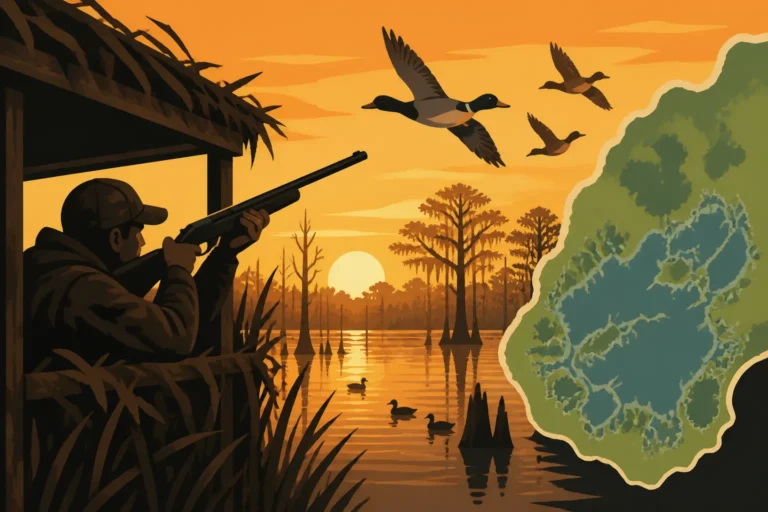
West Tennessee, sitting squarely in the Mississippi Flyway, is world-renowned for its waterfowl hunting. While Reelfoot Lake often gets all the glory, there are numerous other areas closer to Memphis that offer fantastic duck and goose hunting. Many of the river bottomland WMAs mentioned earlier double as excellent waterfowl spots, especially those with flooded timber or marshy areas.
Access might involve a boat, waders, or even layout blinds in cut agricultural fields. Public draw blinds are available on some WMAs, and others allow for walk-in or boat-in hunting. Understanding Tennessee Waterfowl Zones and Seasons is essential, as the state is divided into different zones with varying season dates and bag limits. Being close to the Mississippi Flyway means you have the chance to intercept birds that have traveled thousands of miles, offering some truly memorable hunting experiences. Investing in good decoys and calling techniques will greatly improve your odds.
Strategies for Gaining Private Land Access
Let's face it, public land can be crowded. For many hunters, gaining access to private land offers a more consistent and often higher-quality hunting experience. Near Memphis, where much of the landscape is agricultural, private land is abundant, but getting permission can be a challenge. It requires persistence, politeness, and respect.
The Art of Knocking on Doors in West Tennessee
This might sound old-fashioned in our digital age, but personally asking landowners for permission is still one of the most effective ways to find private hunting ground. West Tennessee has a strong agricultural tradition, and many farmers might be receptive to hunters who present themselves respectfully and offer to help with things like nuisance animal control (especially hogs) or other farm tasks. The key is to be polite, dress neatly, and be prepared to be told "no." Don't get discouraged!
When you approach a landowner, introduce yourself, explain why you're there, and ask if they allow hunting. Offer to show proof of insurance, your hunting license, and hunter education certification. Ask about specific areas you can or cannot hunt, and be clear about what game you're targeting and what weapons you'll use. Offer to help with chores or provide some venison in return for access. Being trustworthy and reliable is paramount. You might start with smaller tracts or fields, and over time, if you prove yourself responsible, more opportunities may open up. For more detailed advice, read up on Knocking on Doors in West Tennessee Farm Country. It’s a skill that takes practice but yields immense dividends.
Understanding Hunting Leases and Clubs
If direct permission isn't working out or you're looking for more exclusive access, hunting leases and clubs are another viable option. Leasing land involves paying a landowner for exclusive hunting rights for a defined period, typically a year. This guarantees you a spot and often allows for more extensive habitat management or stand placement. Hunting clubs are groups of hunters who pool resources to lease larger tracts of land, sharing the cost and responsibilities.
The downside, of course, is the cost. Leases can be expensive, especially for well-managed land in good areas. Joining a club also involves dues and adhering to club rules, which might not suit everyone's hunting style. However, for many, the trade-off of guaranteed access, reduced pressure, and potential for better game populations is worth it. You can often find lease opportunities through online hunting forums, real estate agents specializing in rural properties, or even by asking around at local farm supply stores or co-ops. Be sure to have a clear, written agreement for any lease, outlining all terms and conditions to avoid misunderstandings.
Embracing West Tennessee's Waterfowl Heritage
As mentioned earlier, West Tennessee is a waterfowl mecca, and if you're a Memphis hunter, it would be a shame not to embrace this incredible resource. The region's geography makes it a magnet for migrating ducks and geese.
Major Waterfowl Destinations and Reelfoot Lake Access
While Reelfoot Lake is a bit further north than a quick hop from Memphis, it remains a premier destination for serious waterfowl hunters. Its unique ecosystem of flooded timber and open water draws hundreds of thousands of birds annually. However, closer to Memphis, you'll find other productive areas. The network of river bottomlands along the Mississippi and its tributaries, including many WMAs, offers prime habitat. These areas, with their cypress brakes and sloughs, are ideal for wood ducks, mallards, and other dabblers.
Access can be a challenge; often requiring a boat, knowledge of the local waterways, and considerable scouting. Many of these areas are also within the context of Hunting the Mississippi Flyway Backwaters, where hidden sloughs and oxbows can hold surprising numbers of birds. You might need to invest in a shallow-water boat or even a kayak to navigate some of the more remote spots. Be prepared for early mornings, cold weather, and the physical demands of setting decoys and retrieving birds in potentially muddy or icy conditions.
Layout Blind Hunting and Field Opportunities
Beyond the flooded timber, West Tennessee's vast agricultural fields provide ample opportunities for goose and duck hunting, particularly later in the season when birds are seeking waste grain. This often involves scouting fields where birds are feeding, then setting up layout blinds or A-frame blinds for concealment.
This style of hunting requires permission from landowners for field access, which can sometimes be easier to obtain than deer hunting permission, especially if geese are causing crop damage. Effective field hunting relies heavily on scouting to pinpoint current feeding patterns, careful decoy placement, and realistic calling. You'll need durable, waterproof gear and warm clothing to withstand long sits in potentially exposed fields. The satisfaction of calling in a flock of honkers or mallards to a well-placed spread is truly unmatched.
Essential Tools and Mindset for Memphis Hunters
Finding access, especially around a major city, is only part of the battle. Equipping yourself with the right tools and, more importantly, the right mindset, will make all the difference.
Leveraging Mapping Applications like onX Hunt
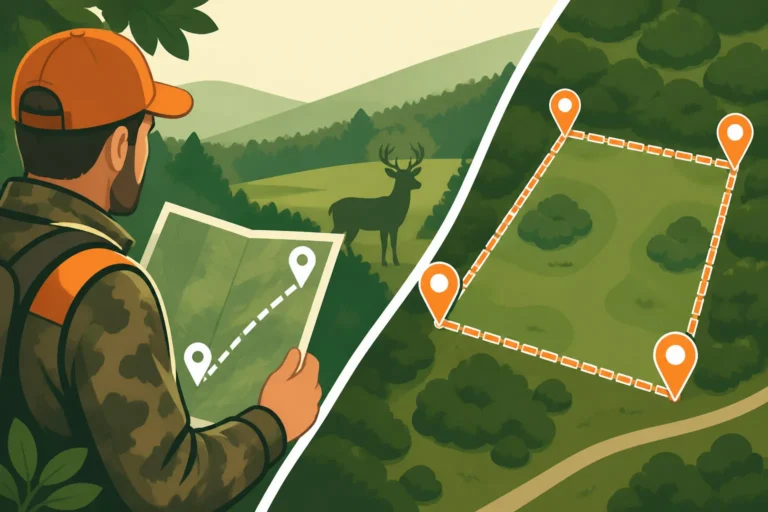
In today's hunting world, mapping applications are indispensable, especially when you're trying to figure out land ownership and public/private boundaries. Tools like onX Hunt have revolutionized how hunters scout and navigate unfamiliar territory. You can literally see property lines, landowner names, public land boundaries, and topographical features right on your phone or tablet. This is incredibly powerful for identifying potential public access points, finding isolated pockets of public land, or researching landowners before you even knock on their door.
Before heading out, spend time with your mapping app, whether it's onX Hunt or another detailed mapping tool. Mark potential ambush points, bedding areas, travel corridors, and access routes. Use it to identify remote areas of public land that might see less pressure, or to find the perfect corner of a private field to ask permission on. Remember, while these apps are fantastic, they're only as good as the information you put into them and how you use them on the ground. Always double-check boundaries and respect property lines. The TWRA also has resources like the Using the Go Outdoors Tennessee Map Tool which can show you WMA boundaries and regulations, often integrating with mobile apps for field use.
Persistent Scouting and Adaptability
Even with the best maps and information, there's no substitute for boots-on-the-ground scouting. The landscape around Memphis, particularly the river bottoms, can change rapidly with water levels, timber cuts, and agricultural practices. What was a prime spot last year might be completely different this season.
You need to be persistent and adaptable. If your first choice of public land is overrun, have a backup plan. If private land permission isn't granted, ask if they know anyone else who might allow hunting. Be willing to walk further than other hunters, explore areas that look less appealing, or adjust your tactics based on what the animals are telling you. This might mean Scouting Tennessee Public Land Before Season during the spring and summer, or even just driving around rural areas looking for good habitat and "for sale" signs. The hunter who is willing to put in the extra effort and isn't afraid to try new things will consistently find success, even in challenging environments like hunting near Memphis.
| Public Hunting Area | Primary Game Species | Typical Distance from Memphis | Special Considerations |
|---|---|---|---|
| Chickasaw WMA | Deer, Turkey, Small Game, Waterfowl | ~1.5 – 2 hours | Bottomland hardwoods, river frontage. CWD Zone. |
| John Tully WMA | Deer, Turkey, Small Game, Waterfowl | ~1 hour | Mississippi River island, often requires boat access. CWD Zone. |
| Hatchie NWR | Deer, Turkey, Waterfowl | ~1.5 hours | Quota hunts, limited access. Excellent waterfowl. CWD Zone. |
| Meeman-Shelby Forest SP | Deer (Archery only), Turkey, Small Game | ~30 minutes – 1 hour | State park rules, often highly pressured. Close to city. CWD Zone. |
| Bogota WMA | Waterfowl | ~1.5 – 2 hours | Primarily focused on waterfowl. CWD Zone. |
Disclaimer
This article is for general informational purposes only and does not constitute professional advice. Laws, prices and regulations vary by location and change over time. Consult a qualified professional for guidance on your specific situation.