Spring Turkey Hunting in Tennessee
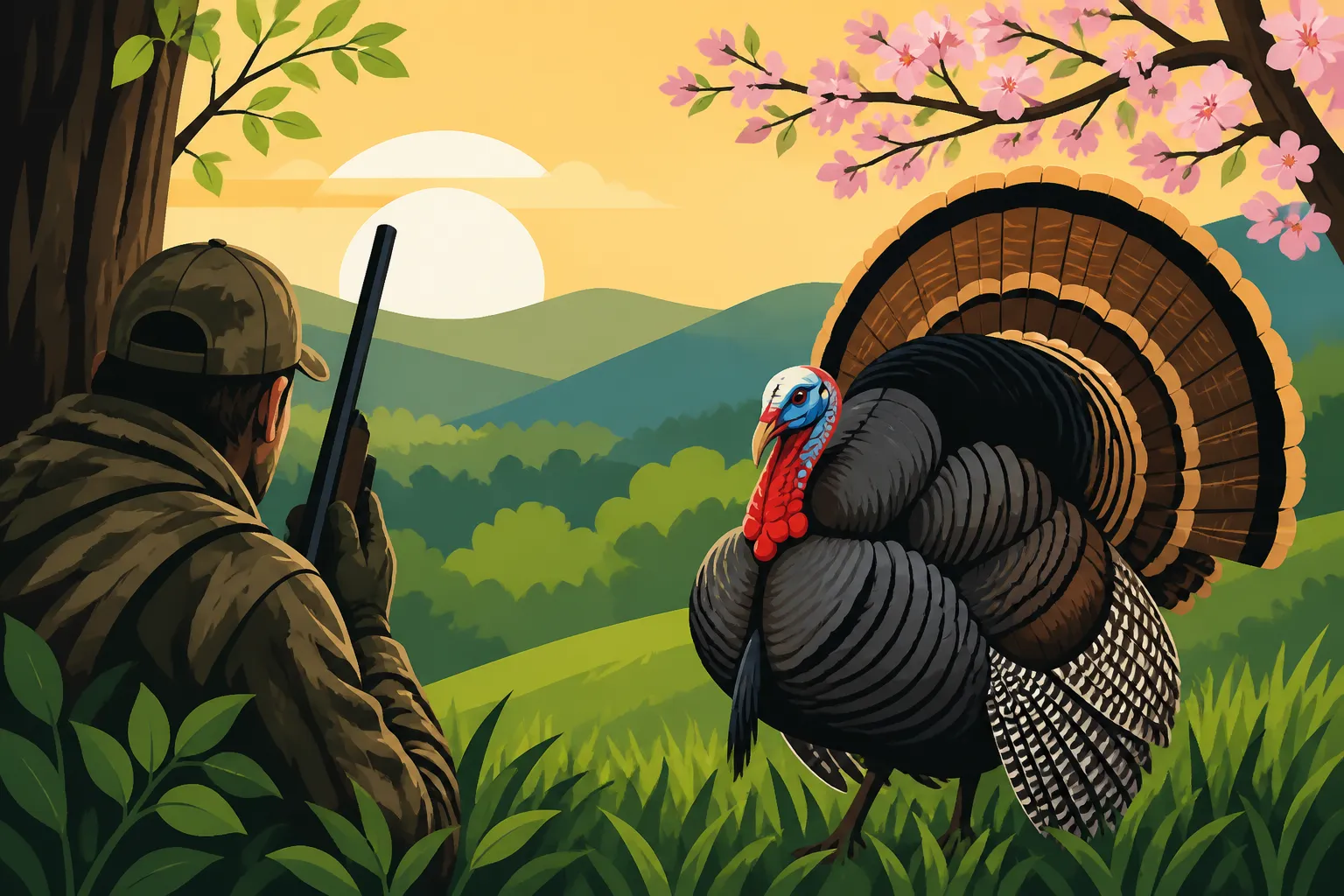
Spring turkey season in Tennessee can feel like a riddle wrapped in an enigma, especially when that big tom gobbles his head off on the roost, only to clam up the moment his feet hit the ground. It’s a common frustration for hunters across the state – one minute you’re sure he’s coming, the next he’s vanished into thin air with his lady friends. This comprehensive guide is designed to cut through that mystery, offering deep insights and actionable strategies to help you navigate Tennessee's challenging yet rewarding spring turkey woods.
Understanding Tennessee's Spring Turkey Season
Tennessee's spring turkey season is a highly anticipated event for hunters across the state. It's a time when the woods come alive with the sound of gobblers, but it also presents unique challenges that require a good understanding of the regulations and the birds themselves. Getting familiar with the season's structure is the first critical step toward filling your tag.
Key Dates and Zones for Tennessee Turkey Season
Tennessee generally kicks off its statewide turkey season in early April, typically on the first Saturday of the month, and it runs through mid-May. While the exact dates might shift slightly from year to year, the general framework remains consistent. This allows for several weeks of hunting, giving you ample opportunity to hit the woods. Before the regular season, there's also a special Young Sportsman Turkey Weekend, usually held a week or two prior, providing youth hunters (ages 6-16) an exclusive chance to hunt with adult supervision. This early opportunity is a fantastic way to introduce new hunters to the sport and can sometimes offer less pressured birds. For specific, up-to-the-minute details, always consult the official TWRA regulations. You can also dive deeper into the overarching rules by checking out our guide on Tennessee Spring Turkey Season Rules.
What's great about spring turkey hunting in Tennessee is its largely statewide nature. Unlike deer hunting, which has various DMUs (Deer Management Units) with different regulations, turkey season is much more uniform. This means you generally don't have to worry about complex zone boundaries affecting your hunt, whether you're chasing birds in the rolling hills of Middle Tennessee or the mountainous terrain of East Tennessee. However, it's always wise to double-check for any specific Wildlife Management Area (WMA) regulations or private land restrictions, as these can sometimes have unique rules.
Bag Limits and Legalities You Need to Know
When it comes to spring turkeys in Tennessee, the statewide bag limit is pretty straightforward: you're allowed to harvest two (2) bearded turkeys. However, there's a crucial caveat that trips up many new hunters: you can only take one (1) bearded turkey per day. This means you can't double up and tag two birds on the same morning, no matter how good the action is. Patience is key, and if you're lucky enough to tag out, you'll need to wait until a different calendar day for your second bird.
Another important rule to remember pertains to jakes – those young male turkeys with shorter beards. While a jake is a bearded bird and can be legally harvested, only one jake may count towards your season bag limit. This regulation is designed to help protect the younger cohort of male birds, allowing more to mature into the trophy gobblers hunters often seek. So, if you tag a jake, keep in mind your next bird must be a longbeard.
After you harvest a turkey, checking it in is a mandatory step that absolutely cannot be skipped. The Tennessee Wildlife Resources Agency (TWRA) relies on this data for population management. You can report your harvest using the Go Outdoors Tennessee app on your smartphone or by logging into the TWRA website. It's a quick process that ensures your hunt is fully legal and contributes to vital conservation efforts. Make sure you report your harvest before transporting the bird outside of the county of kill or before 11:59 PM on the day of harvest, whichever comes first. Understanding the nuances of Tennessee Turkey Checking Requirements is crucial for every hunter. Before heading out, ensure you have all the necessary licenses, including a valid Tennessee hunting license and a big game permit.
Essential Gear for Tennessee Gobblers
Spring turkey hunting, while deceptively simple in its core premise – calling a bird into range – often requires a thoughtful selection of gear. It’s not just about having a shotgun; it’s about having the right tools that give you an edge in various scenarios, from damp mornings to silent afternoons. Being properly equipped can make the difference between a frustrating season and a successful one.
Shotguns, Chokes, and Ammo
Your shotgun is, without a doubt, your primary tool in the turkey woods. While any 12-gauge or 20-gauge shotgun can work, optimizing your setup for turkeys is where the real magic happens. Most turkey hunters opt for a 12-gauge due to its wider payload options and range, but modern 20-gauge loads, especially with high-density shot, are incredibly effective and lighter to carry, which is a big plus for those long walks. The key is how that shotgun patterns.
This is where specialized turkey chokes come in. Forget your modified or full chokes designed for waterfowl or upland birds. For turkeys, you want a tight, dense pattern to cleanly take down a bird at ranges out to 40 or even 50 yards. Chokes like extra-full or specific turkey chokes from brands like Indian Creek, Carlson's, or TruGlo are designed to constrict the shot column more severely, putting more pellets into a tight kill zone. The absolute critical step is patterning your shotgun with your chosen choke and ammunition. Don't just assume it shoots straight. Take it to the range and shoot at paper targets at 20, 30, and 40 yards. See where your pattern centers and how dense it is within a 10-inch circle, which roughly represents a turkey's head and neck. This knowledge will give you the confidence to know your gun's effective range.
Ammunition choice is equally important. Traditional lead shot in sizes like 4, 5, or 6 is still widely used and effective. However, over the past decade, high-density, non-toxic loads like tungsten super shot (TSS) have revolutionized turkey hunting. TSS is significantly denser than lead, meaning smaller shot sizes (like 7 or 9) carry more energy and penetrate deeper, effectively extending your ethical range. While more expensive, the performance of TSS can be a game-changer, especially for those challenging long-range birds. Always match your choke to your ammo for the best results.
Calls, Decoys, and Optics
The heart of turkey hunting lies in calling, and having a diverse repertoire of calls can be incredibly beneficial. You'll want a variety to mimic different hen sounds and to adapt to what the turkeys respond to.
- Mouth Calls (Diaphragm Calls): These are incredibly versatile, allowing for hands-free calling, which is crucial when a gobbler is close and you need to remain motionless with your gun shouldered. They can produce everything from soft clucks and purrs to aggressive yelps and cutts. Mastering them takes practice, but the payoff is immense.
- Slate or Pot Calls: These calls, made from slate, glass, or ceramic, produce incredibly realistic turkey sounds. They require two hands to operate but are excellent for a wide range of sounds, from soft tree yelps to loud, aggressive cutting. They are particularly good for drawing attention from a distance.
- Box Calls: Classic and easy to use, box calls can be very loud, making them great for striking distant gobblers. They produce a rich, resonant sound that's often irresistible to turkeys. However, they are bulkier and also require two hands.
Decoys can be incredibly effective, especially in open fields or clearings. A simple hen decoy can often be enough to draw a gobbler in, as they are naturally looking for receptive hens. Adding a jake decoy can often trigger an aggressive response from a dominant gobbler, who will come charging in to confront the perceived intruder. Full-strut gobbler decoys can be even more provocative, but be mindful of their use on heavily pressured public land where other hunters might mistake them. Placement is key: face them slightly away from you so the gobbler walks past your position, offering you a broadside shot as he approaches the decoy. For more nuanced advice on what works on pressured birds, read about Turkey Decoys That Work on Pressured Birds.
Optics are often overlooked but can be invaluable. A good pair of binoculars (8×42 or 10×42) allows you to scan distant fields or ridgelines for strutting gobblers without moving your body, which can easily spook birds. A rangefinder is also highly recommended, helping you precisely gauge the distance to a setup location or a decoy, ensuring you know exactly when a bird is within your gun's effective range. This prevents those frustrating "too far" shots or unnecessarily long waits.
Camouflage and Safety Considerations
When it comes to spring turkey hunting, blending in is absolutely non-negotiable. Turkeys have incredible eyesight, seeing in full color and spotting the slightest movement. Full head-to-toe camouflage is essential, covering every inch of exposed skin, including your face (with a facemask or paint) and hands (with gloves). Break-up patterns that mimic the woods you'll be hunting in – whether it's hardwoods or brushy creek bottoms – are ideal.
Unlike deer hunting during modern gun season, blaze orange is NOT required, nor is it recommended for turkey hunting. You need to be completely camouflaged to hide from the sharp eyes of a gobbler. However, this also brings heightened safety considerations, as you are not wearing highly visible colors.
Safety must be your absolute top priority. Always assume every sound you hear could be another hunter. Never stalk a gobbling bird – instead, call them to you. If you hear another hunter's calls or see movement, immediately identify yourself by speaking loudly. When setting up, choose a tree that is wider than your shoulders and taller than your head, and always sit with your back to it, as this prevents someone from accidentally mistaking you for a turkey from behind. Positively identify your target before ever pulling the trigger. Ensure it's a legal, bearded bird, and confirm there are no obstacles or other hunters beyond your target. These common-sense rules are vital for a safe and enjoyable hunt.
Scouting and Locating Birds Before the Season
The foundation of a successful spring turkey hunt is laid long before opening day. Effective scouting can mean the difference between guessing where the birds are and confidently setting up in a prime location. Tennessee's diverse landscape, from the steep ridges of the Cumberland Plateau to the fertile bottomlands of West Tennessee, offers varied habitats, and understanding where turkeys thrive in these environments is paramount.
Pre-Season Roosting and Listening
One of the most exciting and productive scouting methods is pre-season roosting. Turkeys are creatures of habit, often roosting in the same trees or general areas night after night, especially if they feel secure. To find these roosts, you'll need to be in the woods just before sundown or before sunup. As daylight fades, listen intently for the distinctive sounds of turkeys flying up to their roosts – the beating of wings, excited yelps, and soft tree calls. In the morning, you'll be listening for the first gobble on the limb, followed by fly-down cackles and wing beats.
A smart tactic is to use locator calls during these times. An owl hooter or a crow call can often provoke a "shock gobble" from a tom, revealing his location without requiring you to make turkey sounds yourself. These calls simply mimic other animals in the woods, causing a gobbler to announce his presence. Drive slowly along quiet roads or walk old logging trails, stopping every few hundred yards to listen and use a locator call. Pay close attention to ridge tops, creek bottoms, and areas with large, mature timber, as these are common roosting spots. Knowing where a bird roosts gives you an incredible advantage on opening morning, allowing you to get into position before he ever leaves the tree. For a deeper dive into this technique, check out Roost Hunting Tennessee Gobblers.
Finding Turkey Sign and Feeding Areas
Turkeys leave plenty of evidence of their presence if you know what to look for. During your scouting trips, keep an eye out for these key signs:
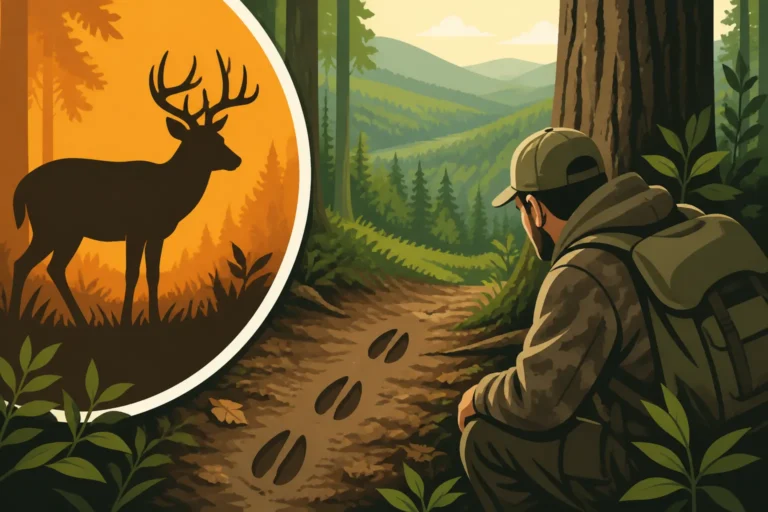
- Tracks: Look for three-toed tracks in soft dirt, mud, or even snow from late winter scouting. Tom tracks are generally larger than hens', with longer middle toes.
- Droppings: Gobbler droppings are typically J-shaped, while hen droppings are more coiled or blob-like. Fresh droppings indicate recent activity.
- Scratchings: Turkeys forage by scratching through leaf litter to uncover insects, acorns, and seeds. Look for fan-shaped patterns of overturned leaves in wooded areas, often on oak ridges or near food plots.
- Dusting Bowls: Turkeys take dust baths to remove parasites. Look for shallow, saucer-shaped depressions in dry, soft dirt, often found on sunny slopes or field edges.
Identifying prime feeding areas is also crucial. Turkeys are opportunists. In early spring, they'll often frequent fields where green-up is occurring, feeding on tender new growth. Acorn flats, especially those with white oaks, are consistent draws. Agricultural fields, particularly those with corn or soybean stubble, can be goldmines, and any natural chufa patches will certainly attract them. Knowing where they feed helps you predict their movements throughout the day, guiding your setup locations.
Using Technology for Effective Scouting
In today's age, technology offers powerful tools to enhance your scouting efforts, dramatically increasing your efficiency and understanding of the landscape. Mapping applications are your best friend here. Platforms like GoHunt, onX Hunt, or BaseMap allow you to digitally explore an area before ever setting foot in the woods.
With these apps, you can identify potential roosting areas (ridge points with mature timber), locate open fields and food plots, find natural funnels and pinch points that turkeys might use for travel, and pinpoint access points. You can mark waypoints for promising sign, property lines, and potential setup spots. GoHunt, for example, often provides detailed aerial imagery and public land boundaries, helping you find those less-pressured pockets that other hunters might overlook. You can even use these apps to analyze terrain features, like saddles or draws, that might influence how a gobbler approaches your calling setup. Many hunters use these tools to scout for Hunting Where the Antlerless Limit Drops to Two in deer season, but the same principles apply to turkeys.
Trail cameras, traditionally used for deer, are also excellent for turkey scouting. Set them up on known feeding areas, strut zones, or along travel corridors. Not only will they confirm the presence of turkeys, but they can also reveal patterns of movement, showing you when and where birds are most active. Just be sure to check regulations on trail camera use on public land, as rules can vary. Combining your boots-on-the-ground scouting with digital tools provides a comprehensive picture of the turkey activity in your chosen hunting area.
Proven Tactics for Public and Private Land
Once you've done your homework and the season has arrived, it's time to put those scouting insights into action. Turkey hunting, while seemingly simple, involves a dynamic chess match with a bird known for its keen senses and unpredictable nature. Adapting your tactics to the time of day and the specific temperament of the gobbler is crucial for success, whether you're on public ground or a private patch.
Morning Roost Setups and Fly-Down Hunting
There's nothing quite like the anticipation of opening morning, waiting in the darkness for that first gobble to shatter the silence. A well-executed morning roost setup is often your best bet for a quick harvest. The strategy is to get into position before first light, as close as you can comfortably get to a roosted gobbler without spooking him. This usually means setting up 100-150 yards away, within calling range, but far enough to avoid detection if he flies down in your direction.
Once in place, often with your back to a sturdy tree for concealment and safety, wait for the first light. As the woods brighten, start with soft, subtle tree yelps and clucks, mimicking a hen waking up on the roost. Your goal is to get him to gobble on the limb, acknowledging your presence. As the sun rises and he gets ready to fly down, increase your calling slightly, encouraging him to come to your position once his feet hit the ground. Many hunters will set up a decoy spread (often a single hen or a hen and jake) where they want the gobbler to land.
The moment of fly-down is critical. A gobbler will often fly down and strut, looking for the hen he just heard. If he flies down away from you, don't panic. He might circle around or come back later. If he hangs up, gobbling but not approaching, try a few soft clucks and purrs, or even go silent for a few minutes. Sometimes, pretending to walk away (making soft "fly-away" cackles with a mouth call while scratching in the leaves) can pique his curiosity enough to bring him in. Remember, a gobbler prefers to have the hen come to him. Our guide on Calling a Tennessee Gobbler Off the Roost offers even more specific techniques for this exciting time.
Mid-Morning Run-and-Gun Tactics
Once the morning fly-down action cools off, many hunters head home. But for those willing to cover ground, the mid-morning hours, from about 9 AM to noon, can be incredibly productive, especially on public land where birds might be more scattered or wary after initial pressure. This is where the "run-and-gun" tactic shines.
The idea is simple: cover ground, stop frequently to call, and listen for a gobble. You're effectively hunting for a lonesome gobbler that's either lost his hens, is still searching, or has bred his hens and is now looking for more action. Use loud, aggressive locator calls like crow calls or owl hoots to make a gobbler shock gobble from a distance. Once you get a response, quickly but quietly move in his direction, trying to close the distance without spooking him. Get into a good setup position quickly, using natural cover, and then begin your turkey calling sequence, starting with more aggressive yelps and cutts to pique his interest.
Often, you'll find these birds in transition areas, moving between roosting sites and feeding areas, or along ridge tops and creek bottoms. Don't be afraid to try different types of calls and varying volumes. Sometimes a subtle cluck and purr is all it takes to seal the deal, while other times you need loud, assertive calling to get his attention. This active hunting style is physically demanding but incredibly rewarding when you finally strike a hot bird. For comprehensive strategies on this approach, look into Run-and-Gun Turkey Tactics on Public Land.
Afternoon Strategies and Late-Season Gobblers
The afternoon, from noon until closing time, presents a different set of challenges and opportunities. Gobblers are often with hens during this period, or they've become silent and wary after a morning of calling pressure. Your tactics need to adapt accordingly. Instead of aggressive calling, focus more on observation and subtle persuasion.
In the afternoon, turkeys often head to open fields, food plots, or clearings to feed and strut. Instead of blindly calling, try to position yourself where you can observe these areas. Set up on the edge of a field, using a ground blind or natural cover, and patiently watch. If you see a gobbler, you can then try to call him in with soft clucks and purrs, or even by setting up a decoy spread if the situation allows. Sometimes, just being present in an area you know birds frequent is enough.
As the season progresses into late April and early May, the dynamic changes even more. Hens start nesting, which means gobblers are often more alone and actively seeking hens. This can be a fantastic time to find responsive birds. However, these late-season gobblers have also heard every call in the book and are often extremely wary. You'll need to be more patient, call less, and be incredibly subtle. Focus on soft, realistic hen sounds – clucks, purrs, and soft yelps – that convey a sense of genuine interest without being overwhelming. These birds are looking for a real hen, not a hunter. Understanding when and why When Tennessee Gobblers Go Quiet in May is vital for adapting your late-season approach. This often means trying to intercept them along known travel corridors or near their evening roosts.
Dealing with Pressured Birds and Tough Scenarios
Turkey hunting wouldn't be turkey hunting without those frustrating moments when a gobbler seems to have a PhD in evasion. We've all been there: a bird gobbles his head off, sounds like he's coming in, and then suddenly, silence. Or he's "hung up," gobbling at 100 yards but refusing to close the distance. These tough scenarios are common, especially on public lands in Tennessee, and require a different approach than simply yelping aggressively.
When Gobblers Hang Up or Go Silent
This is arguably one of the most maddening situations in turkey hunting. You've done everything right: located a bird, set up, called him in, and he's gobbling his head off, just out of range, at 70-100 yards, refusing to commit. This often happens because gobblers, especially older, wiser ones, prefer to have the hen come to them. They'll wait, gobbling, expecting you to close the distance.
The key here is patience and subtlety. Resist the urge to call louder or more aggressively. Often, the best move is to go silent for a while. Let him wonder where you went. After 5-10 minutes of silence, try a few very soft clucks and purrs, almost as if you're losing interest and walking away. This can sometimes pique his curiosity just enough to make him take those last few critical steps. Another tactic, if the terrain allows, is to try a very subtle "fading away" technique: make some soft clucks and scratch in the leaves, then slowly and quietly move 10-20 yards further away, then call again. This can make him think the hen is leaving, triggering him to come investigate.
If a gobbler suddenly goes silent after being responsive, several factors could be at play: he might have hens join him, he might have been spooked by something (a predator, another hunter), or he simply lost interest. In these cases, staying put for a good 20-30 minutes and trying soft, infrequent calls might work. If nothing, then it's time to relocate. Sometimes, a silent gobbler means he's coming in without gobbling, so always be on high alert even if he's quiet.
Hunting Near Hens and Competing Calls
Hunting a gobbler that's already surrounded by hens is a notorious challenge. He has everything he wants right there, so why would he abandon his flock to come to your calls? This is where your calling strategy needs to change dramatically.
Instead of trying to call the gobbler to you directly, you often need to call the hens to you. Hens are naturally curious and competitive. If you can get the lead hen interested, the gobbler will often follow. Use aggressive hen yelps and cutts, mimicking a boss hen challenging her dominance. Don't be afraid to get loud and assertive. The goal is to make the real hens feel threatened or curious enough to come investigate your "hen." If they come, the gobbler will almost certainly be right behind them.
Another approach is to try to be more subtle, mimicking a lonely hen. Sometimes, a series of soft, seductive clucks and purrs can appeal to a gobbler that's already tending hens, making him think there's an easy, willing hen just out of sight. This strategy is about being irresistible, not dominant. If you know the gobbler is moving through a particular area with his hens, try to get ahead of them and set up an ambush along their most likely travel path. This allows you to cut off their movement and potentially intercept the gobbler before he becomes completely committed to his existing harem. The art of Grunt Calls in Mature Tennessee Timber for deer can translate to understanding subtle vocalizations in turkeys too, although the calls themselves are different.
Public Land Pressure and Finding Secluded Spots
Tennessee offers a fantastic amount of public hunting land, from expansive areas like Cherokee National Forest and Land Between the Lakes to numerous WMAs. However, with that access comes the inevitable reality of hunting pressure, especially during the spring turkey season. Opening day and weekends can see significant hunter presence, making birds incredibly wary. Dealing with Hunting Pressure on Tennessee Public Land requires thoughtful planning and often a willingness to work harder.
The most effective way to escape pressure is to walk further. Most hunters won't venture more than a quarter or half-mile from a road or parking area. By studying maps (like those on GoHunt) and identifying remote areas, steep terrain, or less-traveled logging roads, you can often find birds that haven't been called to relentlessly. Don't be afraid to hike a mile or two back into a WMA; the effort often pays off with less pressured, more responsive birds.
Another strategy is to hunt during weekdays. Many hunters are limited to weekends, so mid-week hunts typically see significantly less pressure. Early mornings are always popular, so consider hunting later in the morning or during the afternoon lull when others have left the woods.
Lastly, look for overlooked terrain features. Many hunters focus on obvious clearings or ridge tops. However, deep hollows, thick creek bottoms, or dense areas of timber can hold turkeys seeking refuge from pressure. These spots might be harder to navigate, but they can offer solitude and a chance at a less-educated gobbler. Pay attention to how turkeys use wind and thermals on a ridge system; understanding these dynamics can also lead you to productive, unpressured areas.
Post-Harvest and Ethical Considerations
Successfully harvesting a wild turkey is the culmination of patience, skill, and a bit of luck. But the hunt doesn't end with the shot. Proper post-harvest care and adhering to ethical standards are just as crucial as the hunt itself. It ensures the meat is good, the bird is legally checked, and you've honored the animal and the tradition.
Ethical Shots and Recovery
When that gobbler finally steps into range, your goal should be a clean, ethical harvest. For turkeys, the vast majority of vital tissue is concentrated in the head and neck. Modern turkey loads, especially tungsten super shot, are designed to put a dense pattern of pellets into this small target area. Aiming for the head and neck ensures a quick, humane kill, often dropping the bird in its tracks. A shot to the body, while sometimes lethal, can lead to a wounded bird that runs off, making recovery difficult.
Even with a perfect shot, a turkey might flop and run a short distance. Always watch the bird after the shot and listen intently. If it runs, mark the spot where you last saw it and immediately go to that location. Look for feathers, blood, or disturbed leaves. Turkeys can be surprisingly resilient, and a strong-willed bird can disappear quickly. Take your time, systematically search the area, and expand your search pattern. If you're on public land, being prepared for Tracking a Deer Through Tennessee Leaf Litter or any game animal requires careful attention to detail.
Reporting Your Harvest
As mentioned earlier, reporting your turkey harvest is a mandatory legal requirement and a vital part of conservation efforts in Tennessee. It’s not just a formality; the data collected from hunter reports helps the TWRA manage turkey populations, track trends, and set future season limits and regulations. It’s how we ensure healthy turkey populations for generations to come.
The easiest way to report your harvest is through the Go Outdoors Tennessee app on your smartphone or via the TWRA website (gooutdoors.tn.gov). You'll need your customer ID, the date of harvest, the county where you harvested the bird, and details about the bird (bearded, male/female, etc.). Make sure you complete this process before moving the bird from the county of harvest and by 11:59 PM on the day you kill it. Failure to report your harvest is a violation of state hunting regulations. Our detailed guide on Tennessee Turkey Checking Requirements outlines every step of this process to ensure you’re always compliant.
Field Care and Transport
Once your bird is down and checked, proper field care is essential, especially given that spring turkey season can occur during warm weather. Heat is the enemy of wild game meat.
- Cooling: If the weather is warm, consider removing the entrails (field dressing) as soon as possible to allow the body cavity to cool. You can do this by making a small incision near the vent and pulling out the organs. Pack the cavity with ice or snow if available, or simply allow air to circulate.
- Feathers: Many hunters choose to pluck their turkeys for cooking. If you plan to do this, keep the bird cool and process it quickly. If you plan to breast it out, you can leave the feathers on during transport.
- Transport: Transport your turkey safely and cleanly. If it's a hot day, having a cooler with ice to store the breast meat and legs/thighs can prevent spoilage, especially if you have a long drive home. Even if you plan to get it processed immediately, keeping it cool is important. For those long days afield, ensure you have a pack that can comfortably carry a harvested bird, protecting the meat from dirt and debris.
Following these post-harvest steps ensures that your hard-earned wild turkey makes it to the table in prime condition, honoring the effort you put into the hunt.
Turkey Call Comparison
Understanding the different types of turkey calls and their primary uses can significantly enhance your hunting strategy. Each call has its strengths and weaknesses, making a diverse arsenal beneficial for various scenarios.
| Call Type | Description | Primary Use | Pros | Cons |
|---|---|---|---|---|
| Mouth Call | Thin latex reeds stretched in a frame, held in the roof of the mouth. | Soft clucks, purrs, yelps; hands-free calling when birds are close. | Versatile, hands-free, wide range of sounds. | Requires practice to master, can be uncomfortable for some, sensitive to moisture. |
| Slate/Pot Call | Striking a peg (striker) across a slate, glass, or ceramic surface. | Realistic yelps, clucks, purrs, cutting; good for medium to long range. | High realism, wide volume range, relatively easy to learn. | Requires two hands, can be affected by moisture (needs conditioning). |
| Box Call | Scraping a lid across the lip of a box. | Loud yelps, cutts; excellent for reaching distant birds. | Easy to learn, loud volume, very effective. | Bulky, requires two hands, can sound less natural up close if not used softly, can get wet. |
| Push-Pull Call | Simple plunger system, often with a box or slate. | Basic clucks and yelps; very easy to use. | Extremely user-friendly, great for beginners, good for soft calls. | Limited range of sounds, not as versatile as other calls, can be harder to control volume. |
| Locator Calls | Mimic owls, crows, coyotes; not actual turkey sounds. | Provoking shock gobblers to reveal their location. | Non-threatening to turkeys, effective for locating distant birds. | Does not bring birds in, only serves to locate; can be overused. |
Disclaimer
Hunting is an inherently dangerous activity. Always prioritize safety, follow all local, state, and federal regulations, and be aware of your surroundings. This guide is for informational purposes only and should not replace proper hunter education or professional instruction. Regulations can change, so always consult the latest Tennessee Wildlife Resources Agency (TWRA) guidelines before heading afield.