Tennessee Bear Cub Survival Rates
It's heartbreaking to hear about the struggles young wildlife face, and for many of us who cherish Tennessee's incredible black bear population, the thought of tiny bear cubs trying to make it in a tough world can be a real worry. We all want to see a healthy, thriving bear population across our beautiful state, from the rugged mountains of the Cherokee National Forest to the occasional wanderers venturing closer to urban fringes. Understanding the factors that impact Tennessee bear cub survival rates is absolutely critical to appreciating the health of the overall population and the conservation efforts dedicated to these magnificent creatures. This guide will dive deep into the challenges these little ones face and what contributes to their chances of making it to adulthood.
The Vulnerable Beginnings: Understanding Cub Survival Rates
When we talk about bear cub survival, we're really looking at the earliest, most fragile stages of a bear's life. These aren't just cute, fuzzy bundles; they are the future of the species, and their chances of making it through their first year are pivotal to the health and growth of Tennessee's black bear numbers. It's a tough world out there, and even with the best mama bear, many challenges lie ahead from day one.
Early Life in the Den
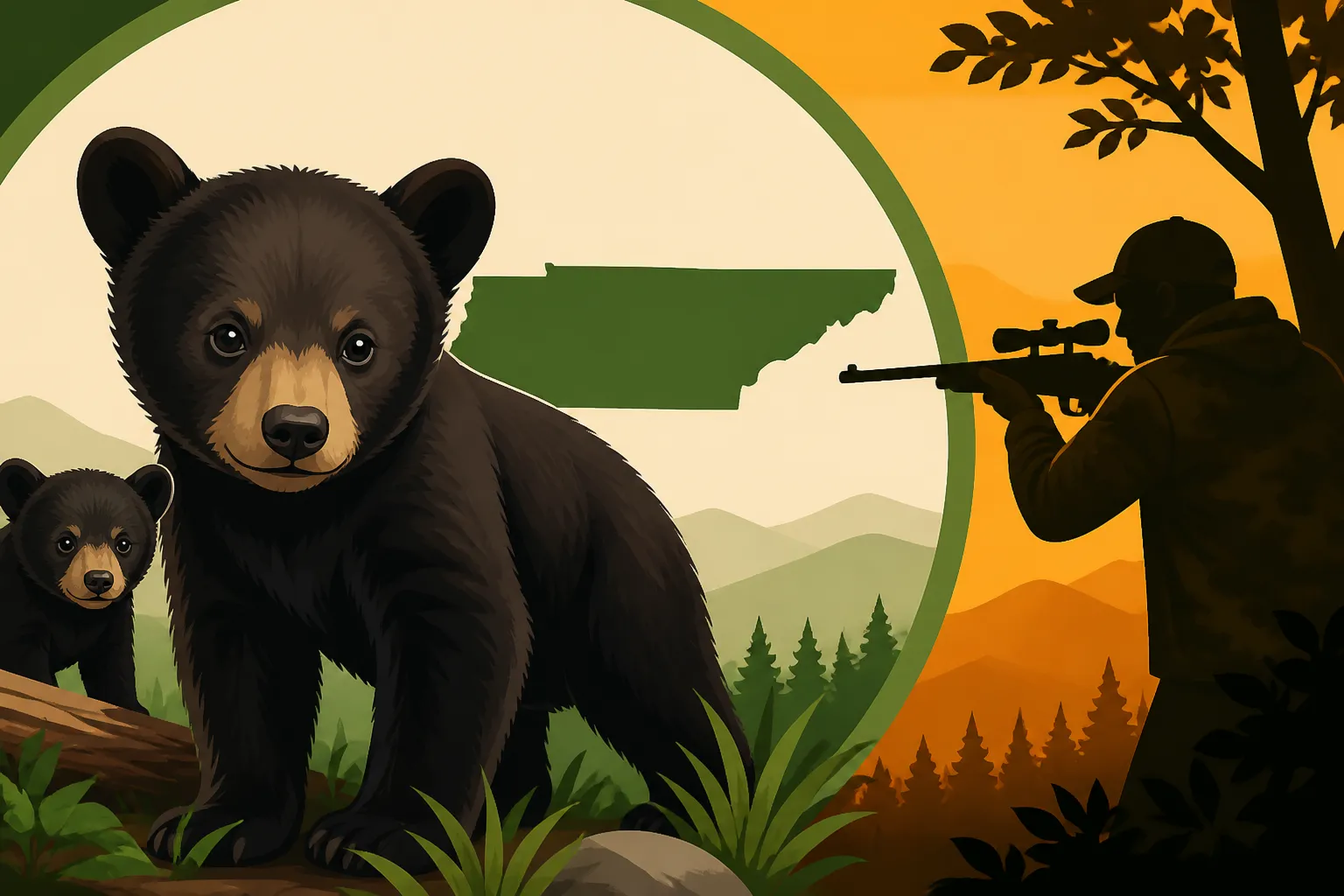
Bear cubs are born typically in late January or early February, deep within the safety of their mother's winter den. They are born blind, hairless, and incredibly tiny – often weighing less than a pound. At this stage, their survival is entirely dependent on the sow (female bear) and her ability to produce rich milk. A healthy sow, one who was able to put on ample fat reserves during the previous fall, is crucial. If the mother entered the den in poor condition, her milk production might be compromised, directly impacting the cubs' growth and vigor.
Denning locations vary wildly and play a significant role in their early protection. Some sows choose hollow trees, brush piles, or rock crevices, while others might dig out a den under the roots of a fallen tree or in a secluded cave. These dens offer insulation from the harsh winter elements and protection from potential predators. This critical period, generally lasting until late March or early April, is when the cubs grow rapidly, gaining strength before they ever see the outside world. Understanding Tennessee Bear Denning Behavior gives us a much clearer picture of these vital first weeks and months.
First Forays Out of the Den
When spring finally arrives, usually around late March or early April in Tennessee, the cubs emerge from the den with their mother. This is a momentous occasion, marking their first glimpse of the world, but it also ushers in a new set of dangers. They're still small and vulnerable, but now they are exposed to the elements, to a wider array of potential threats, and the complexities of foraging. The sow's job shifts from merely providing milk in a confined space to actively teaching them how to find food, recognize danger, and navigate their territory.
During these initial weeks outside the den, the cubs stick extremely close to their mother. She is their primary protector, guiding them, herding them, and acting as a formidable deterrent to anything that might pose a threat. They learn by mimicry, watching her forage for spring greens, grubs, and early berries. This period is a steep learning curve for the cubs, as they develop their motor skills, sense of smell, and instincts for survival. Any separation from their mother at this stage can be devastating, as they lack the skills and size to survive independently.
Major Threats to Tennessee Bear Cub Survival
The journey from a tiny, blind newborn to a self-sufficient yearling is fraught with peril. While a sow's protective instincts are fierce, she can't guard against every danger. Many factors, both natural and human-induced, conspire against young bears, significantly influencing the overall Tennessee's Black Bear Population trajectory.
Natural Predators and Accidents
Even in the wild, bears aren't at the top of every food chain. Smaller cubs, especially when briefly separated from their mother, can fall prey to various natural predators. Coyotes, bobcats, and even larger male black bears (boars) have been known to prey on cubs, a phenomenon called infanticide, which can occur when a male bear tries to bring a sow back into estrus. It's a harsh reality of the wild that we might find unsettling, but it's part of the natural balance.
Beyond predation, accidents account for a surprising number of cub fatalities. Falls from trees or steep terrain, drowning in swift creeks or rivers, and exposure to extreme weather conditions (sudden cold snaps or prolonged heavy rains) can all take a toll. Diseases, though less common in very young cubs, can also contribute. For instance, mange or other parasites, if severe in the mother, could potentially weaken her and subsequently the cubs. It's a constant battle against the odds, even in the relative safety of the wilderness.
Human-Related Dangers
Unfortunately, human activity introduces a whole different layer of threats to bear cub survival, and these can be particularly frustrating for those of us who value wildlife. One of the most significant human-related dangers is vehicle collisions. As bears, particularly sows with cubs, venture across roads in search of food or new territory, they become highly susceptible to being hit by cars. A sow killed on a road invariably means the orphanization and likely demise of her dependent cubs. It's a stark reminder of our impact on their world.
Another critical concern is the potential for orphanization due to human-bear conflicts. While rare for cubs to be directly targeted by poachers, the illegal killing of a sow for any reason leaves her cubs without a chance. Furthermore, situations where bears become habituated to human food sources, often labeled as "problem bears," can lead to intervention by wildlife agencies. If a sow needs to be removed or euthanized due to repeated conflicts, her cubs face a grim future. This is especially relevant in areas with increasing human encroachment, such as development expanding near wilderness areas like the Great Smoky Mountains where Bear Encounters Around Smoky Mountain Cabins are on the rise. We all have a role to play in minimizing these conflicts.
The Role of Habitat and Food Sources
Just like with any wild animal, the quality and availability of suitable habitat and reliable food sources are paramount to the survival of black bear cubs. Without these foundational elements, even the most vigilant sow will struggle to raise her young. Tennessee offers a diverse landscape, but specific areas are more critical than others for bear families.
Critical Habitat for Bear Families
For a sow to successfully raise cubs, she needs access to vast, undisturbed tracts of land that provide dense cover for security, multiple denning options, and a rich array of natural food. Areas like the Cherokee National Forest, with its extensive timber, rugged terrain, and numerous hollows, are prime examples of ideal bear habitat in Tennessee. These regions offer the seclusion necessary for denning and raising cubs away from human disturbance and the prying eyes of predators. The denser the cover, the more protection for the vulnerable little ones.
Mapping out these crucial habitats is something modern hunters and conservationists often utilize. Tools like the GoHunt app can be invaluable for understanding land features, identifying potential denning sites (though certainly not to disturb them!), and recognizing corridors bears might use. Knowing where bears prefer to establish their territories helps us advocate for the protection of these vital spaces. When scouting public lands, such as those discussed in Hunting the Cumberland Plateau or Hunting Near the Great Smoky Mountains, recognizing areas with good bear habitat helps in responsible outdoor recreation and minimizing accidental disturbance.
Food Availability and Sow Health
The health of a sow is directly tied to the availability of food, and her health directly impacts the survival of her cubs. Black bears are omnivores, and their diet consists of a wide variety of plants, insects, and some animal matter. Crucially, in late summer and fall, they focus heavily on hard mast (acorns, hickory nuts, walnuts) and soft mast (berries like blueberries, blackberries, elderberries). A bumper crop of these natural foods allows sows to pack on significant fat reserves, which are essential for sustaining them through hibernation and producing milk for their newborn cubs.
Conversely, a poor mast year can have devastating consequences. If the acorns and berries are scarce, sows enter their dens in poorer condition. This can lead to smaller litter sizes, weaker cubs, or in severe cases, the abandonment or failure of the sow to produce milk for her young. The health of the forest, therefore, directly dictates the health of the bear population. Hunters often monitor mast crops when planning their seasons, knowing that a good mast year means healthier animals, as discussed in detail in guides like Hunting Bears Over Natural Mast in the Mountains. It's a clear chain reaction that starts with the environment and ends with cub survival.
Conservation Efforts and Hunter Awareness
The long-term survival of Tennessee's black bear population, and specifically its cubs, relies heavily on ongoing conservation efforts and the informed, ethical participation of hunters and outdoor enthusiasts. It's a collaborative effort between wildlife agencies, scientific researchers, and the public.
Monitoring and Research
The Tennessee Wildlife Resources Agency (TWRA) plays a critical role in monitoring the black bear population across the state. Through various research methods, including den checks, tagging programs, and harvest data analysis, they gain insights into population trends, reproductive success, and cub recruitment rates. This data helps biologists understand how many cubs are surviving and contributing to the next generation. These studies provide invaluable information on how factors like habitat changes, disease, and human interaction impact cub survival.
The data gathered from hunter harvest reports, which detail age, sex, and location of harvested bears, also contributes to this broader picture. While bear hunting is carefully managed to ensure sustainable populations, the information gained from Tennessee Bear Harvest Numbers helps TWRA make informed decisions about season structures and bag limits. When hunters utilize tools like GoHunt to understand regulations and report their harvest accurately, they become active participants in this vital data collection.
Hunter's Ethical Role
Hunters in Tennessee have a significant ethical responsibility when it comes to black bears, especially concerning sows with cubs. Current regulations are designed to protect sows with dependent cubs, often prohibiting their harvest. Responsible hunters are acutely aware of these rules and make every effort to identify their target clearly before taking a shot. This commitment ensures that dependent cubs are not orphaned in the field.
Beyond regulations, ethical hunting involves a deep respect for the animal and its environment. This means understanding bear biology, recognizing signs of cubs being present, and making sound, responsible decisions afield. For hunters who spend time scouting areas like Cherokee National Forest Hunting, using mapping resources like GoHunt to learn terrain and potential bear activity zones can help them make ethical choices and avoid disturbing bear families. Ultimately, every hunter's actions contribute to the public perception and long-term viability of bear hunting and the health of the bear population itself.
Here's a quick look at some key factors influencing Tennessee bear cub survival:
| Factor | Impact on Cub Survival | Mitigation/Conservation Effort |
|---|---|---|
| Sow Health | Direct impact on milk production and ability to protect cubs. | Habitat preservation, monitoring mast crops, regulated hunting. |
| Den Quality | Protection from elements and predators during crucial early weeks. | Protection of denning habitats (e.g., hollow trees, rock crevices). |
| Natural Predation | Risks from coyotes, bobcats, or infanticide by male bears. | Healthy ecosystems, dense cover, strong sow protection. |
| Vehicle Collisions | Major cause of cub orphanization if sow is hit. | Wildlife crossings, public awareness campaigns, speed limit enforcement. |
| Human-Bear Conflict | Can lead to sow removal and cub orphanization. | Bear-proofing trash, avoiding feeding bears, public education. |
| Food Availability | Dictates sow's ability to fatten for winter and lactate. | Managing forest health for mast production, preserving diverse habitats. |
| Disease/Parasites | Can weaken cubs directly or through the sow. | Wildlife disease monitoring, healthy populations. |
Disclaimer
This article is for general informational purposes only and does not constitute professional advice. Laws, prices and regulations vary by location and change over time. Consult a qualified professional for guidance on your specific situation.