Crossbows Under Tennessee Rules
Navigating the ever-changing landscape of hunting regulations can feel like trying to track a mature buck through a briar thicket – confusing and often frustrating. Many hunters, especially those new to archery or looking for a way to extend their time in the woods, are understandably unsure about the precise rules surrounding crossbows in Tennessee. This guide is here to untangle those rules, clarify when and where you can use a crossbow, and help you understand the nuances of this popular hunting tool in the Volunteer State.
The Evolving Landscape of Crossbow Use in Tennessee
It wasn't always as straightforward as it is today when it came to using crossbows in Tennessee. For years, there were specific restrictions that limited who could use them, which often left a lot of hunters feeling left out or simply scratching their heads. But just like our deer herds have grown and spread, the regulations around crossbows have adapted, making them a more accessible option for hunters across the state.
A History of Changing Regulations
For a long time, crossbows in Tennessee were primarily reserved for hunters with certain physical limitations or those who met specific age criteria. This meant that if you didn't have a documented disability or weren't a senior hunter, you were likely sticking to your traditional bow or waiting for gun season. It created a bit of a divide and certainly a lot of questions. Many states, including Tennessee, have recognized the benefits of broader crossbow allowances for hunter retention and recruitment. It's tough enough to keep up with the daily grind, let alone a constantly shifting rulebook, so those changes were met with a mix of opinions. The intent, however, was generally to provide more opportunities without compromising the integrity of fair chase during archery season.
Why Crossbows Gained Popularity
The shift towards more liberal crossbow regulations didn't happen in a vacuum. Crossbows offer several compelling advantages that resonate with a wide variety of hunters. For starters, they are generally easier to learn and master than a vertical bow, requiring less demanding physical strength to draw and hold. This accessibility means that folks who might have hung up their bow due to age, injury, or simply lack of practice can get back into the archery season action. It also serves as a fantastic gateway for new hunters, allowing them to experience the close-range thrill of archery hunting with a shorter learning curve. Plus, for many, it simply extends their hunting careers, letting them spend more precious days in the field, whether that's during Bowhunting Tennessee's Long Archery Season or later in the fall.
Understanding Current Tennessee Crossbow Season Rules
Alright, let's get down to brass tacks. What are the rules now? The good news is that for most hunters in Tennessee, crossbows are a legitimate tool throughout much of the deer season, aligning them more closely with vertical bows than ever before.
Crossbows During Archery Season
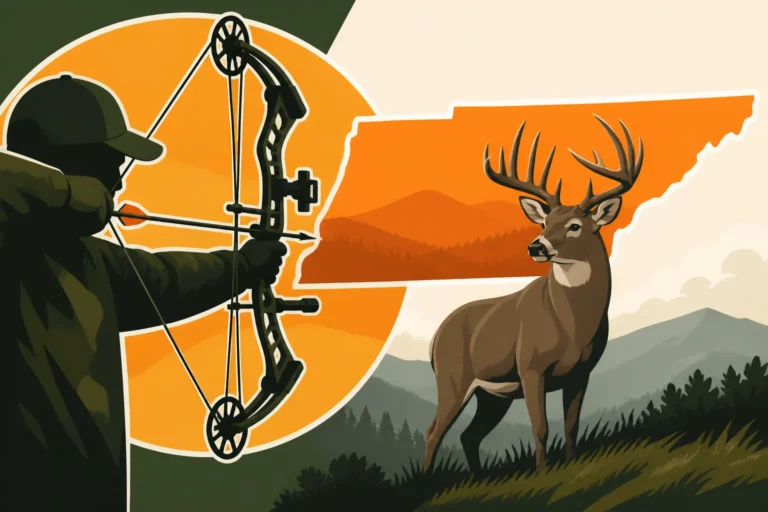
This is arguably the most significant change and the one that causes the most confusion. In Tennessee, crossbows are generally legal for deer hunting during the statewide archery-only deer season. This means you can be out there from the moment the archery season opens, flinging bolts at whitetails just like someone with a compound or recurve bow. This opens up a huge window of opportunity, especially during those early season weeks when deer are often still on predictable summer patterns and the woods are full of activity.
The implication for hunters is significant. You no longer have to wait for muzzleloader or gun season to utilize a crossbow. This allows for a much longer period of close-range hunting, which some argue still maintains the spirit of archery season's challenge. When considering your setup and approach, it's worth thinking about the nuances discussed in Crossbow Versus Vertical Bow in Tennessee. Your stand placement, shot distances, and overall strategy during archery season can now be planned with a crossbow in hand, knowing you have that advantage of a solid rest and consistent shot.
Crossbow Use in Muzzleloader and Gun Seasons
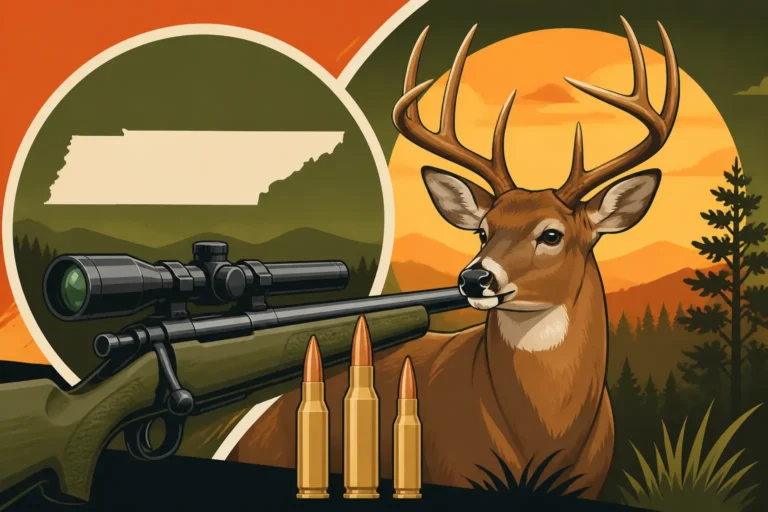
Once Tennessee's muzzleloader or gun seasons commence, you can absolutely continue to use your crossbow. Think of it this way: if a firearm is legal to hunt with, your crossbow is also fair game. This means that a crossbow is a versatile tool that can be used from the earliest archery dates all the way through to Tennessee's Gun Deer Season Into January for deer. It provides an uninterrupted hunting experience, allowing you to stick with the equipment you're most comfortable and proficient with throughout much of the fall and winter.
This makes a crossbow an excellent choice for a hunter who wants to participate in multiple seasons without switching primary weapons. It's especially handy in areas where shot distances might be shorter or stealth is paramount, even during gun season. Keep in mind that while generally allowed, there might be specific Wildlife Management Areas (WMAs) or special quota hunts that have unique restrictions, so it's always a good idea to double-check the latest TWRA regulations for your specific hunting location.
Crossbows for Other Game Species
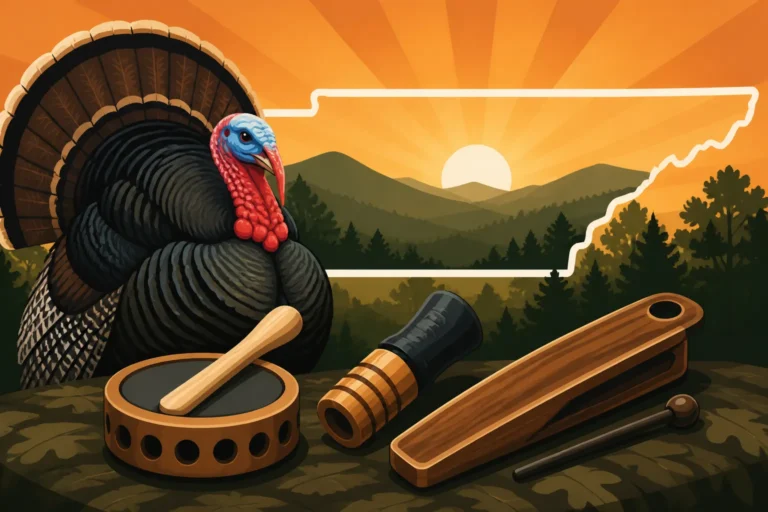
While deer hunting is often top-of-mind, crossbows can also be a viable option for other game in Tennessee. For example, during the spring turkey season, crossbows are typically permitted during the archery-only portions, offering a unique challenge for those looking to harvest a gobbler with a bolt. Similarly, if archery equipment is a legal method for species like wild hogs, small game, or even some furbearers, then your crossbow will generally fall under that umbrella.
It's crucial to always consult the current TWRA Hunting & Trapping Guide for precise regulations regarding each specific species you intend to hunt with a crossbow. Don't assume that because it's legal for deer, it's legal for everything else. This is where diligent research pays off, ensuring you're always hunting within the letter of the law. You wouldn't want to get caught off guard with a turkey, especially if you're out there during Tennessee Spring Turkey Season Rules.
Legal Requirements and Equipment Considerations
Just because crossbows are more widely accepted doesn't mean it's a free-for-all. There are still important legal requirements and equipment considerations you need to be aware of to ensure you're hunting safely and legally in Tennessee.
License and Permit Requirements
One common question is whether you need a special license or permit to hunt with a crossbow. The good news is no, you typically do not. If you're planning to hunt deer with a crossbow, you'll need the same general hunting license and big game permit that any other archer or firearm hunter would require. There isn't a separate "crossbow permit" that needs to be purchased. It simply falls under the broader category of archery equipment.
For a full rundown on what licenses you'll need, check out Tennessee Hunting Licenses and What They Cost. You can usually purchase these online through the Go Outdoors Tennessee website, or at licensed vendors across the state. Tools like GoHunt can be invaluable for scouting and planning, but remember your official license and permit come directly from the state's wildlife agency. Always ensure your license is current and that you have all the necessary stamps or permits for the game you're pursuing. Make sure you understand How Long a Tennessee License Stays Valid to avoid any hiccups in the field.
Crossbow Specifications and Legal Bolts
While Tennessee doesn't typically get into super granular detail about every crossbow specification, there are general expectations for ethical hunting. You'll want to ensure your crossbow is in good working order, with a reliable safety mechanism. For bolts, it's essential to use broadheads that are designed for hunting. Both mechanical and fixed-blade broadheads are generally legal and widely used for deer and other big game.
The key is to use a broadhead that creates a large cutting diameter for quick, humane kills. Always make sure your broadheads are razor-sharp. Dull broadheads can lead to poor penetration and unethical outcomes. When you're thinking about your overall setup, delve into resources like Broadheads for Timber Shots to make the best choice for the conditions you'll be hunting in. Ensuring your equipment is up to snuff is not just about following rules; it's about being a responsible, ethical hunter.
Safety and Ethical Hunting Practices
Using a crossbow, like any hunting tool, demands a high level of safety and ethical practice. Always treat a crossbow as if it were loaded, keep the safety on until you're ready to shoot, and never point it at anything you don't intend to shoot. Proper cocking and decocking procedures are paramount to prevent injury to yourself or damage to the bow. Always follow the manufacturer's instructions.
Just as with any other form of hunting, knowing your effective range is crucial. Practice regularly to understand your crossbow's capabilities and your own limitations. Ethical shot placement, aiming for the vital organs, is just as important with a crossbow bolt as it is with an arrow from a vertical bow or a bullet from a rifle. Remember, the goal is a quick, humane harvest. Even with the relative ease of shooting a crossbow, the true hunt is still about woodsmanship, stealth, and making that perfect shot when the opportunity finally arises.
Common Misconceptions and Troubleshooting
Despite the clearer rules, there are still some lingering myths and questions surrounding crossbow hunting in Tennessee. Let's tackle a few of them head-on.
Is it "Too Easy"? The Skill Debate
One of the most frequent criticisms leveled against crossbows is that they make hunting "too easy," taking away the challenge of traditional archery. While it's true that the physical demand of drawing and holding a vertical bow is eliminated, and the trigger pull is more akin to a rifle, suggesting crossbows require no skill is simply unfair. A crossbow hunter still needs to master marksmanship, understand bullet (or bolt) drop, compensate for wind, and make an ethical shot.
More importantly, the core challenges of hunting remain: finding the animal, getting into position without being detected, reading sign, and understanding deer behavior. A crossbow doesn't scout for you, nor does it guarantee you'll outsmart a wary old buck on the Cumberland Plateau Ridgelines. You still need to put in the time for Scouting Tennessee Public Land Before Season, perfect your entry and exit routes, and manage hunting pressure, especially on public land. The tool might be different, but the heart of the hunt—the woodsmanship and connection to nature—is very much alive and well.
Public Land and WMA Specifics
Most public hunting lands and Wildlife Management Areas (WMAs) in Tennessee allow crossbows anywhere traditional archery equipment is permitted. However, here's where it can get a little tricky: always double-check the specific regulations for the WMA or public land tract you plan to hunt. Some WMAs have very specific rules that can differ from statewide regulations, especially concerning equipment. You might find certain quota hunts or designated areas where crossbows are, for whatever reason, restricted.
It can be frustrating to navigate these varying rules, especially when you're just trying to enjoy a day afield. That's why consulting the latest WMA-specific guides, often found on the TWRA website or within their annual regulations booklet, is non-negotiable. Using mapping apps like GoHunt that layer public land boundaries and sometimes even WMA regulations can be incredibly helpful for a visual understanding of the rules. For a deeper dive, check out Tennessee Wildlife Management Areas and understand how diverse their rules can be.
Ensuring Compliance and Staying Informed
The bottom line for any Tennessee hunter using a crossbow is to prioritize compliance and stay informed. Regulations can and do change, sometimes even mid-season. Your most reliable source of information will always be the current year's official TWRA Hunting & Trapping Guide. Read it cover to cover, especially the sections pertaining to deer and archery.
Beyond the printed guide, the TWRA's website and the "Go Outdoors Tennessee" app are excellent resources for the most up-to-date information, including any emergency regulation changes. Make it a habit to check these resources before each season, and even periodically during the season if you're planning hunts in new areas or pursuing different species. Being a responsible hunter means being an informed hunter, and that peace of mind is invaluable when you're out there enjoying our beautiful Tennessee wilds.
| Feature / Consideration | Vertical Bow (Compound/Recurve) | Crossbow |
|---|---|---|
| Physical Demand | High (drawing, holding weight) | Low (cocking, holding negligible weight) |
| Learning Curve | Moderate to High | Low to Moderate |
| Accuracy (General) | High, but requires consistent form | High, often with scope-like precision |
| Effective Range | Generally 20-50 yards (hunter skill dependent) | Often 20-70 yards (faster bolt speeds possible) |
| Tennessee Archery Season | Legal | Legal |
| Tennessee Gun/Muzzleloader Season | Legal (alongside firearms) | Legal (alongside firearms) |
| Portability | Generally lighter, less bulky | Heavier, wider limbs can be cumbersome |
| Stealth | Very quiet draw and shot | Louder shot sound, but no movement during aim |
| Maintenance | String/cable wear, limb checks | String/cable wear, rail lube, limb checks |
| Ethical Considerations | Shot placement and range paramount | Shot placement and range paramount |
Disclaimer
This article is for general informational purposes only and does not constitute professional advice. Laws, prices and regulations vary by location and change over time. Consult a qualified professional for guidance on your specific situation.