Hunting Small Woodlots Near Suburban Nashville
Suburban Nashville hunting in small woodlots explains how to find overlooked deer land, use travel corridors, and gain landowner permission.
Close the distance.
Archery, muzzleloader, and firearm techniques — calling, stand placement, still-hunting, spot-and-stalk, and the weapon rules that change at the state line.

Suburban Nashville hunting in small woodlots explains how to find overlooked deer land, use travel corridors, and gain landowner permission.
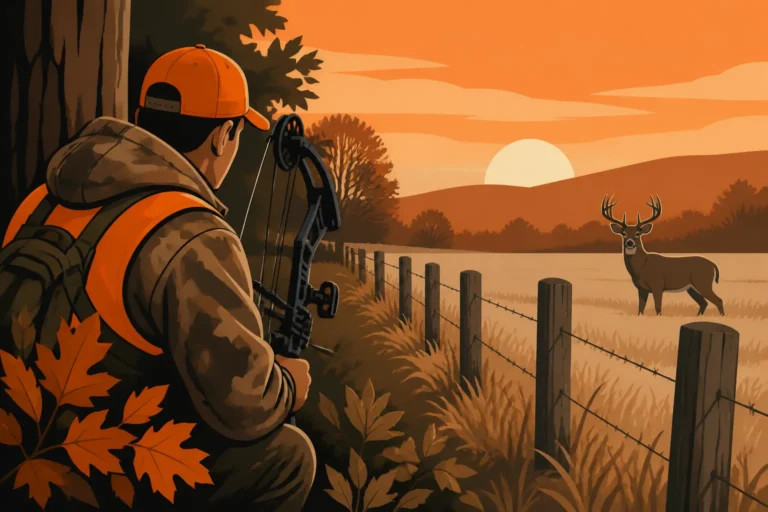
Late-season deer hunting in Tennessee depends on working fencerows for thermal cover, escape routes, and residual food sources.

Tennessee farm pond decoy placement strategies help hunters arrange duck and goose spreads to target wary waterfowl resting on shallow water.
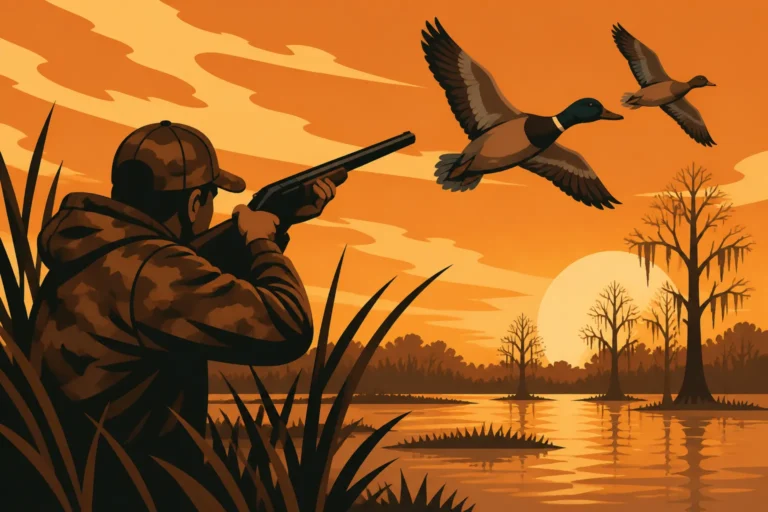
West Tennessee river bottom hunting strategies explain how seasonal floods, shifting water levels, and difficult mud impact game movement.

Cumberland Plateau ridgelines, steep terrain topography, and wind thermals explain deer movement patterns for Tennessee hunters.

Smoky Mountain foothill deer hunting strategies explain steep Tennessee terrain, bedding habits, and food sources for hunters.
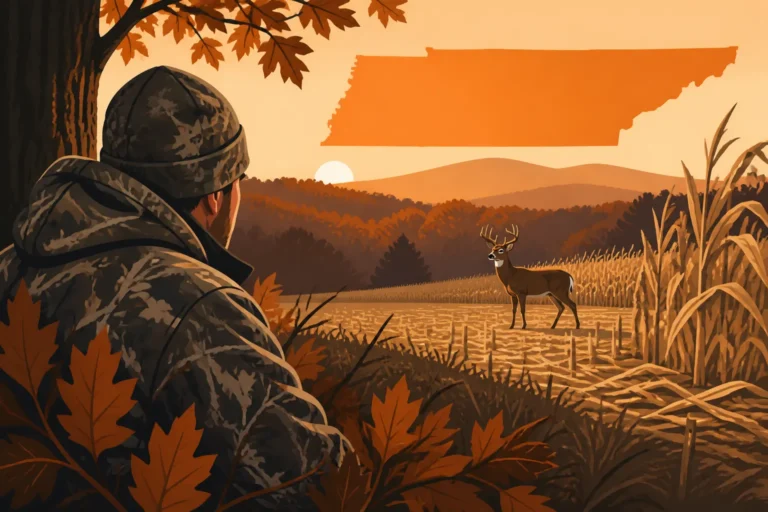
Tennessee late-season deer behavior around agricultural fields explains how cold-weather calorie needs drive predictable survival patterns and movement.
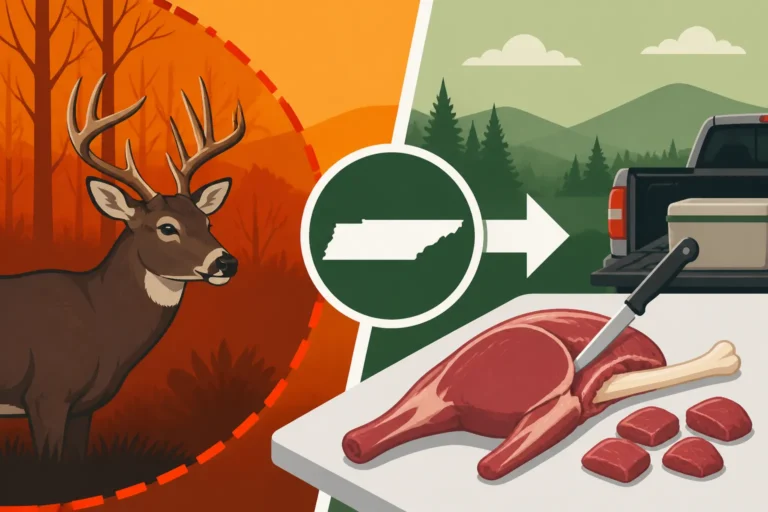
Tennessee deer hunters learning how to debone venison and remove high risk parts to legally transport meat from CWD zones.

Tennessee deer harvest reporting online instructions help hunters submit data through the Go Outdoors Tennessee platform.
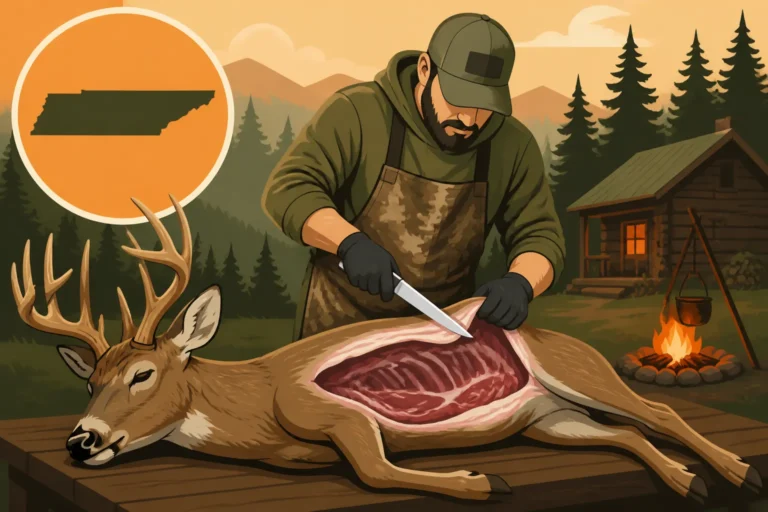
Tennessee deer processing at camp requires specific tools, proper positioning, and safe skinning techniques for quality meat.