Why the August Hunt Went Archery-Only
The Tennessee Wildlife Resources Agency shift to archery-only August deer hunts protects herd health and manages antlerless populations.

The Tennessee Wildlife Resources Agency shift to archery-only August deer hunts protects herd health and manages antlerless populations.
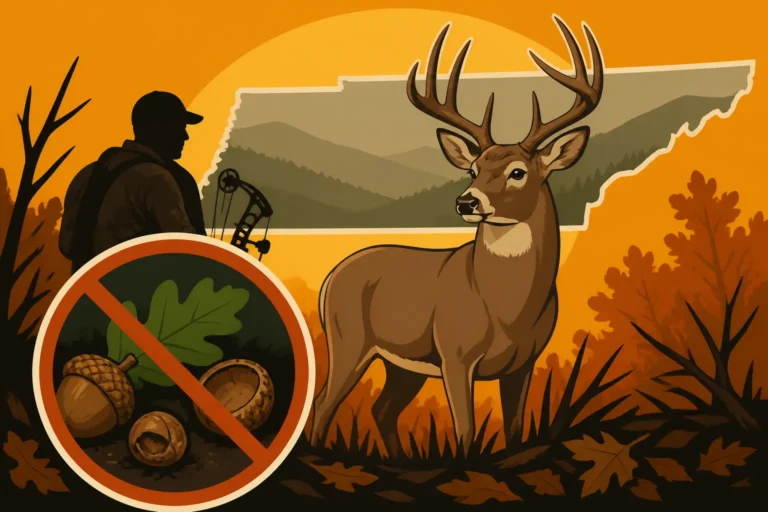
Tennessee deer hunters facing barren oak trees learn how poor mast crops shift whitetail movement patterns and affect herd health.

Logging road scrape lines in Tennessee reveal buck rutting activity, offering hunters strategic insights for finding deer.

Grunt calls help hunters locate, attract, and harvest elusive whitetails across mature Tennessee timber and dense woods.

Deer rattling volume adjustments in dense Tennessee timber help hunters pull mature whitetail bucks within thirty yards.
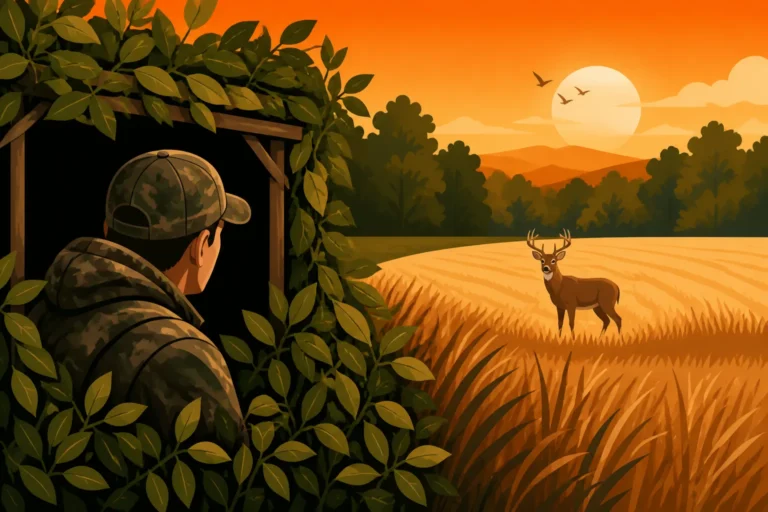
Brushing in ground blinds along field edges helps Tennessee hunters hide synthetic shapes from wary deer and mature bucks.
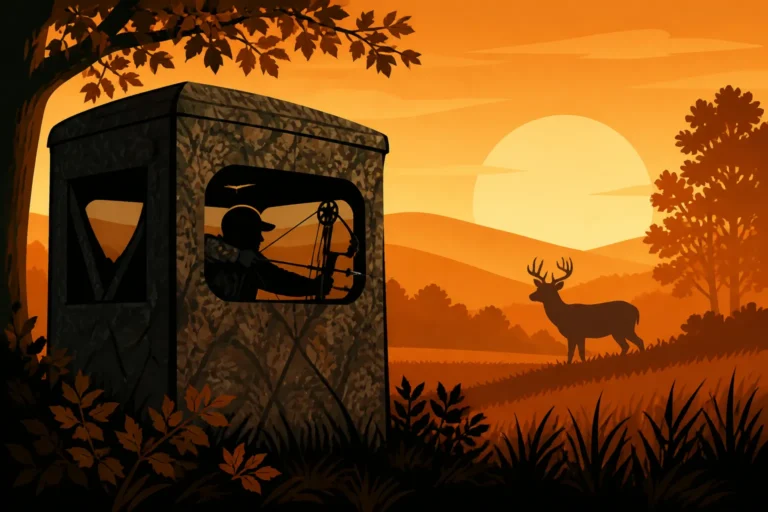
Ground blind use on Tennessee public land helps hunters stay concealed, adapt to difficult terrain, and manage scent in archery season.

Tennessee ridge topography shapes prevailing winds and thermals into localized micro-currents that dictate hunting success.
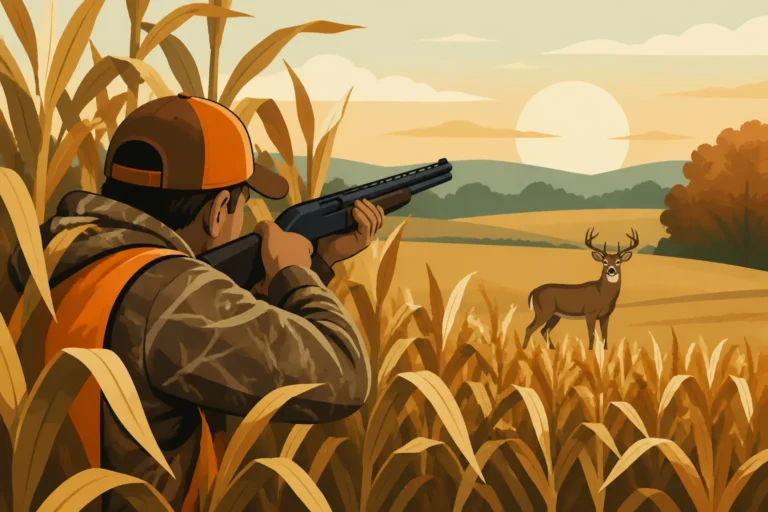
Tennessee farm country deer behavior in standing cornfields, including daily movement patterns and scouting strategies for hunters.
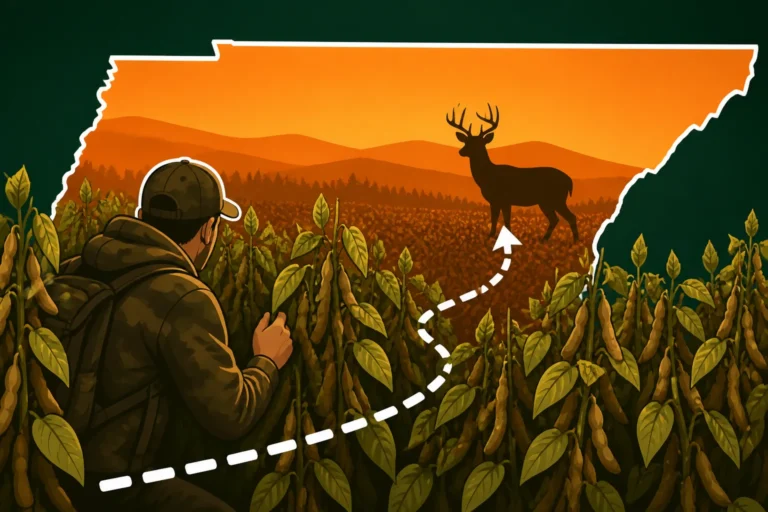
West Tennessee standing beanfield deer hunting entry strategies help hunters reach treestands without alerting whitetails.