Tennessee Bald Eagle Recovery Near the Rivers
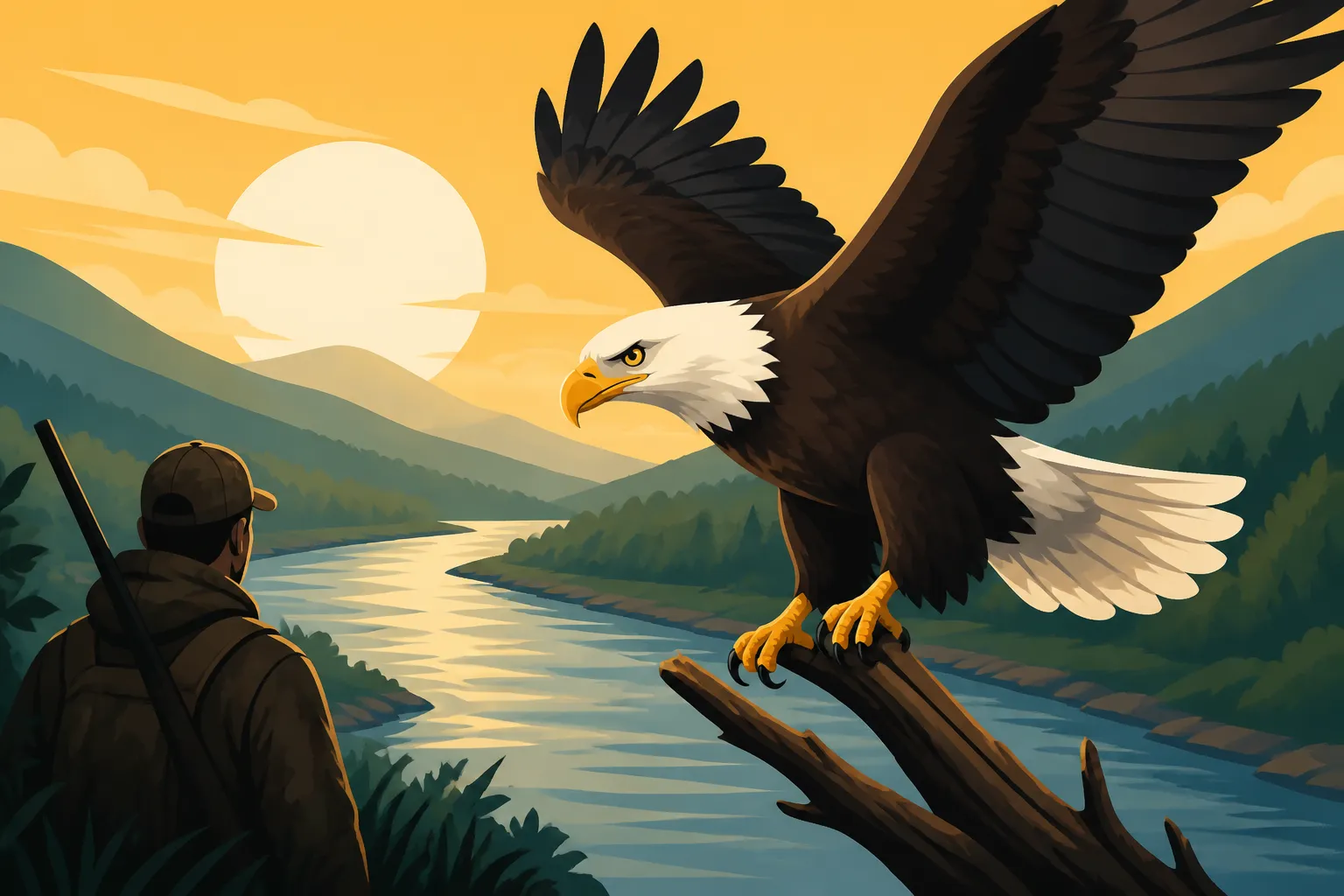
For years, the sight of a bald eagle soaring over a Tennessee waterway was a truly rare and breathtaking experience, almost a whispered legend among those of us old enough to remember when they were practically gone. Many hunters, myself included, felt a genuine pang of concern, wondering if we'd ever see our national bird truly flourish here again. But things have changed, and changed dramatically for the better. This guide will walk you through the incredible recovery of bald eagles in our state, focusing on where you're most likely to encounter these magnificent birds, how their increasing presence subtly impacts our outdoor pursuits, and what we can all do to help ensure their continued success in the wild places we cherish.
From the Brink: The Remarkable Return of Tennessee's Bald Eagles
It's hard to imagine now, but not so long ago, bald eagles faced a very uncertain future across North America, and Tennessee was no exception. Their decline wasn't a mystery; it was largely due to widespread pesticide use, particularly DDT, which severely weakened eggshells, making it impossible for chicks to survive. Add to that habitat loss and direct persecution, and you had a recipe for disaster. By the mid-20th century, their numbers plummeted to alarmingly low levels, pushing them to the very edge of extinction. It was a bleak time for wildlife conservation, and a stark reminder of humanity's impact on the natural world.
The turning point came with the ban of DDT in the early 1970s and the protections afforded by the Endangered Species Act. Tennessee, like many states, embarked on ambitious reintroduction programs. This wasn't just about releasing birds; it was a painstaking process of fostering chicks in artificial nests (known as hacking), protecting existing nests, and carefully monitoring populations. It took decades of dedicated effort from wildlife biologists, conservation groups, and even everyday citizens. Slowly but surely, the eagles began to respond, reclaiming their ancestral territories. The initial sightings were celebrated, a testament to what focused conservation can achieve. Now, seeing an eagle isn't an annual pilgrimage, but a fairly regular occurrence for those who spend time near our major waterways.
Where the Eagles Soar: Prime Habitats and Viewing Spots Across Tennessee
Tennessee's vast network of rivers, reservoirs, and wetlands has proven to be prime real estate for these recovering raptors. Bald eagles are inextricably linked to water; it's where they find their primary food source: fish. So, if you're looking to spot an eagle, or just want to understand their preferred haunts, you need to think big water. The grand dame of them all is the Tennessee River system, from its headwaters in East Tennessee to its slow, wide stretches in the western part of the state. Lakes like Watts Bar, Chickamauga, and Kentucky Lake are bustling with activity, offering abundant fish and towering trees for nesting and perching.
Beyond the Tennessee River, the Cumberland River and its various impoundments are also strongholds. You'll find active nests and foraging eagles along Percy Priest Lake, Old Hickory Lake, and Cheatham Lake, for instance. But it's not just the big lakes. Even smaller rivers and large creeks that feed into these systems can host eagles, especially during migration or when food sources are plentiful. In West Tennessee, the Mississippi River corridor is a critical migration route and wintering ground, with places like Reelfoot Lake Waterfowl Access offering incredible opportunities to see dozens of eagles during the colder months. These birds require large, mature trees for nesting, often close to water, where they can have an unobstructed view of their hunting grounds. Using a robust mapping tool like GoHunt can help you identify these large timber stands near water on public lands, giving you a better chance of finding suitable eagle habitat while you're out scouting for game. Knowing the lay of the land, especially around these vital water sources, is key.
Here’s a quick comparison of some common raptors you might see near Tennessee's waterways:
| Feature | Bald Eagle | Osprey | Red-tailed Hawk |
|---|---|---|---|
| Primary Diet | Mostly fish, some waterfowl, carrion | Almost exclusively fish | Small mammals, birds, reptiles |
| Hunting Style | Soars high, swoops to snatch fish from surface, scavenges | Dives feet-first into water to catch fish | Watches from high perch, glides to capture prey on ground |
| Habitat | Large lakes, rivers, coastal areas, open country | Large lakes, rivers, estuaries, any open water with fish | Open woodlands, fields, highways, varied habitats |
| Key ID Mark | White head/tail (adults), large size | White body, dark eye stripe, crooked wings in flight | Red tail (adults), broad wings |
You'll often find eagles near areas where Hunting Tennessee River Bottom Funnels exist, as these same geographic features tend to concentrate prey and offer convenient perching.
Hunters and Eagles: Understanding the Impact of a Shared Landscape
As hunters, we spend countless hours immersed in nature, often in the very habitats where eagles are making their grand comeback. This means we're often among the first to witness their majestic presence. For many, seeing a bald eagle circle overhead while waiting for a deer or calling a turkey is a profound experience, a symbol of wildness and successful conservation. Their presence is a powerful indicator of a healthy ecosystem, one capable of sustaining not just a robust game population, but also apex predators. This shared landscape means we, as outdoor enthusiasts, have a unique perspective and responsibility.
While bald eagles are a protected species and their nests are federally safeguarded, their recovery hasn't generally led to restrictive new hunting regulations for the average hunter. Instead, it’s more about awareness and respect. Understanding where eagles nest and forage encourages us to be mindful of our footprint. For instance, if you happen upon a very active nest during your scouting trips, it's always best to give it a wide berth to avoid disturbing the birds, especially during nesting season. Your role isn't just about pursuing game; it's about being a steward of the entire environment. When you're using tools like GoHunt to scout new areas or map out your routes, consider marking known or suspected eagle nesting trees (always at a respectful distance, of course) so you can avoid undue disturbance. This kind of careful planning enhances your hunt while safeguarding our wildlife heritage.
Being a Good Steward: Protecting Tennessee's Bald Eagles for Generations
The bald eagle's recovery is a conservation success story we should all be proud of, but it doesn't mean our work is done. Continued vigilance and responsible outdoor practices are essential. For hunters, this means adhering to all regulations, practicing ethical harvesting, and minimizing our impact on the environment. Understanding the habits of non-game species, like eagles, only makes us better, more informed hunters and conservationists. If you're out in the woods or along a river and spot an injured eagle, or any wildlife in distress, knowing who to contact (like the Tennessee Wildlife Resources Agency or a local wildlife rehabilitator) is crucial. You can often find contact information through resources like the Tennessee Wildlife Disease Monitoring program pages on the TWRA website.
Beyond direct action, simply being aware and appreciative of their presence goes a long way. The same healthy river bottoms where you might be Hunting a Funnel Between Two Bottoms for deer could also be vital foraging grounds for eagles. Using non-lead ammunition in areas where lead fragments could be ingested by scavenging birds is a choice many hunters are making to further protect eagles and other wildlife, especially near waterfowl hunting areas where they might scavenge on gut piles or unrecovered game. Every small choice we make adds up to a larger impact. By continuing to learn and adapt, we ensure that the majestic sight of a bald eagle soaring over Tennessee's rivers will remain a cherished experience for generations to come.
Disclaimer
This article is for general informational purposes only and does not constitute professional advice. Laws, prices and regulations vary by location and change over time. Consult a qualified professional for guidance on your specific situation.