Tennessee Canada Goose Population
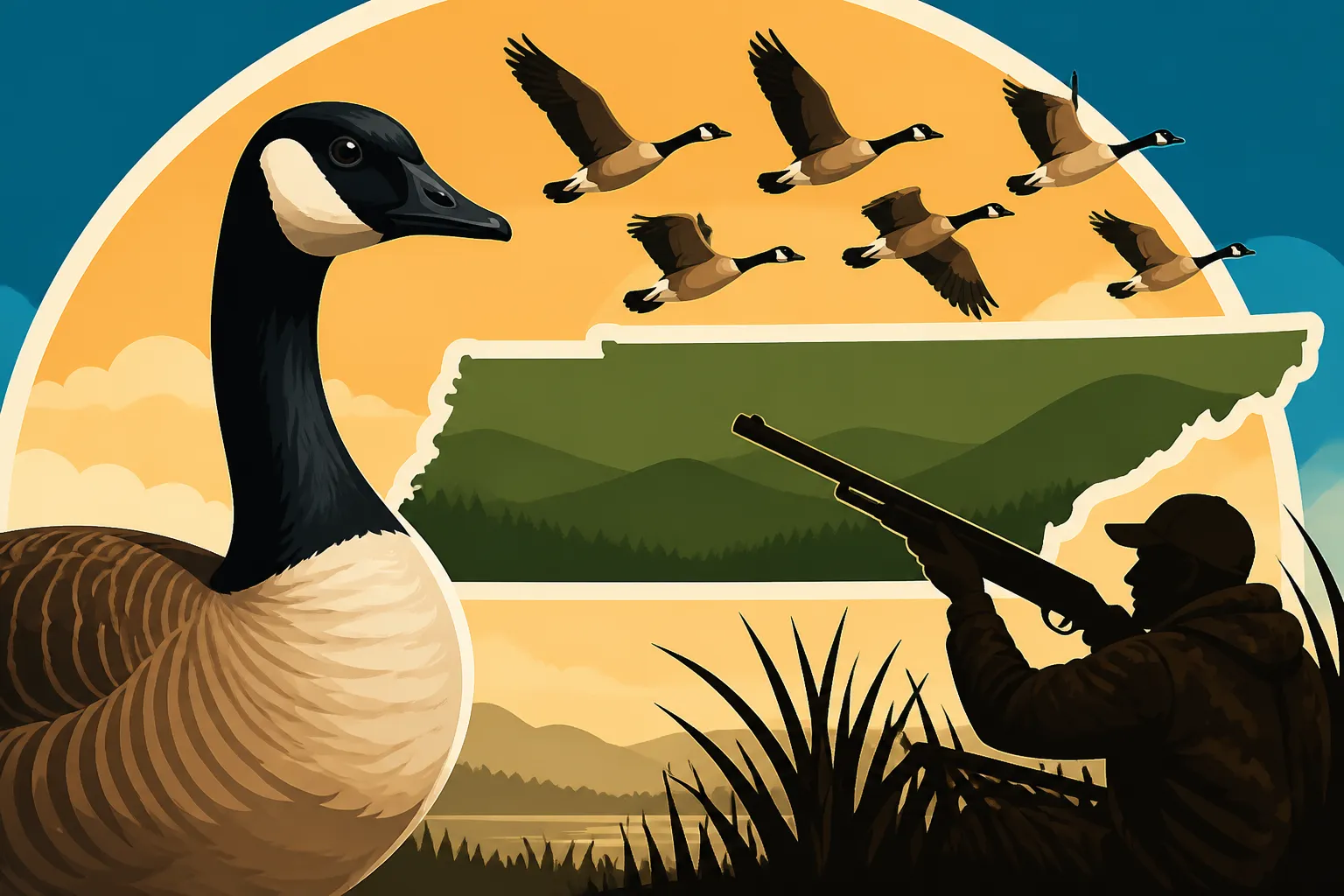
For many Tennessee hunters, chasing Canada geese is a mixed bag of excitement and sometimes, a little confusion. You see them everywhere, from manicured golf courses in the city to vast agricultural fields in West Tennessee, and it's natural to wonder if these are all the same birds, or where they're coming from. Understanding the dynamics of Tennessee's Canada goose population is key to successful hunting, and this guide will break down exactly what makes these big birds tick across the Volunteer State.
Understanding Tennessee's Canada Goose Dynamics
When you're out in the field, whether it's setting up decoys near a harvested cornfield or jump-shooting a small pond, it’s easy to look at a flock of Canada geese and assume they’re all cut from the same cloth. But the reality is a little more nuanced here in Tennessee. Our state hosts a diverse mix of geese, and knowing who you’re dealing with can drastically impact your hunting strategy and success.
Resident Versus Migratory Populations
One of the biggest distinctions we need to make is between our resident Canada geese and the migratory birds that pass through. If you’ve ever driven past a local park, a corporate campus pond, or an agricultural field any time of year and seen a flock of geese, chances are you’re looking at a resident population. These birds hatched right here in Tennessee, or a neighboring state, and typically don't migrate far, if at all. They’ve adapted to living year-round in our landscapes, often taking advantage of dependable food sources and relatively safe nesting and loafing areas, even in urban settings. They're the ones that can sometimes become a bit of a nuisance due to their sheer numbers and waste.
On the other hand, we have migratory Canada geese. These are the birds that breed far to our north, in places like Canada and the northern US, and then make their way down the Mississippi Flyway as winter approaches, seeking warmer climates and readily available food. These geese are often more wary, having run the gauntlet of hunting pressure all the way down the flyway. Their appearance in Tennessee is seasonal, typically peaking in late fall and winter. When you look at the Tennessee Canada Goose Season Closing Date, remember that these dates are set to accommodate both populations, but especially to allow opportunities on the influx of these northern migrants. It's a tale of two different sets of birds, even if they look identical in flight.
Key Factors Influencing Goose Numbers
The number of Canada geese you see, whether resident or migratory, isn't just a random occurrence. Several crucial factors play into their distribution and overall population health in Tennessee. Think about it: a goose needs food, water, and safety, just like any other creature.
First off, habitat availability is paramount. For resident geese, this often means areas with a mix of water (ponds, lakes, rivers), open grassy areas for grazing (lawns, pastures, golf courses), and safe nesting sites. Agricultural fields, particularly those with waste grain from harvested corn, wheat, or soybean crops, are massive draws for both resident and migratory birds. Large reservoirs and river systems also offer vital roosting and loafing areas where geese can feel secure.
Food sources are another huge driver. Waste grain in farm fields is like a golden buffet for geese, allowing them to replenish energy reserves during migration or simply sustain themselves through the leaner winter months. Even the manicured lawns of suburban developments provide a steady diet of tender grasses for resident birds. The abundance and distribution of these food sources can dictate where geese congregate in large numbers.
Then there's breeding success. For our resident populations, favorable weather conditions during nesting and brood-rearing, along with lower predation rates on nests and goslings, lead to higher numbers of birds surviving to adulthood. While this doesn't directly affect migratory numbers passing through, strong breeding success in northern regions means more birds heading our way. Finally, hunting pressure itself can influence goose numbers and behavior. Heavily hunted areas might see birds become more nocturnal or move to less accessible refuges, while areas with less pressure can hold birds longer and make for more consistent hunting. Understanding the overall Tennessee Waterfowl Migration Timing helps to anticipate when migratory birds will be most abundant.
Where the Geese Roam: Regional Distribution and Hotspots
Tennessee is a long, narrow state, stretching from the Appalachian Mountains in the east to the Mississippi River lowlands in the west. This diverse geography means that where and how you find Canada geese can vary dramatically depending on which part of the state you're hunting. Each region offers unique opportunities and challenges.
West Tennessee's Migratory Magnetism
If you're dreaming of massive flocks of Canada geese filling the sky, West Tennessee is often your best bet. This region sits squarely within the heart of the Mississippi Flyway, a major migratory corridor for waterfowl traveling from their northern breeding grounds to their wintering areas in the southern U.S. and beyond. The flat, agricultural landscape, punctuated by major river systems like the Mississippi and its tributaries, provides an irresistible draw for migrating geese.
Iconic locations like Reelfoot Lake, straddling the border of Lake and Obion counties, are legendary waterfowl destinations. Geese will funnel into these areas, using the large, open water for safety and roosting, then flying out to feed in the surrounding agricultural fields, especially those filled with waste corn and soybeans. Counties like Dyer, Lauderdale, and Tipton also see significant numbers of migratory geese, particularly later in the season. These birds are often highly patterned, moving between roost sites and feeding areas, making scouting absolutely crucial. Access to these prime spots can be a challenge, but public lands and careful negotiations for private land permission can pay off big. Using tools like GoHunt can be invaluable here, helping you identify public access points, understand property boundaries, and even analyze habitat features from aerial maps. If you're looking for a serious goose hunt, understanding Reelfoot Lake Waterfowl Access and employing strategies like Hunting the Mississippi Flyway Backwaters will be critical.
Middle and East Tennessee's Resident Dominance
While West Tennessee shines for migratory birds, Middle and East Tennessee are often where our robust resident Canada goose populations truly dominate. These birds, as discussed, are year-round residents, and they've found the gently rolling hills of Middle Tennessee and the river valleys and reservoirs of East Tennessee to be incredibly hospitable. You'll find them thriving around our major reservoirs – think Percy Priest Lake near Nashville, Chickamauga Lake near Chattanooga, and Watts Bar Lake in East Tennessee – where they have ample water, islands for nesting, and plenty of adjacent grassy areas.
These geese often integrate themselves into more developed landscapes, frequenting urban parks, golf courses, and the agricultural fields that pepper the exurban fringes. Because they're not undertaking arduous migrations, their behavior can be a bit more localized and predictable. However, they can also become quite wary of hunting pressure, especially if they've been targeted on their feeding grounds. Managing these resident populations is a significant goal for wildlife agencies, as their numbers can sometimes lead to agricultural damage or urban nuisance issues. This is why you often see seasons structured to allow for increased harvest opportunities on these local birds. If you've ever dealt with Resident Goose Problems Near Nashville, you know exactly what we're talking about! These birds are a resource, and ethical hunting helps keep their numbers in balance with the available habitat and human tolerance.
Population Trends, Management, and Hunter Impact
Understanding the historical context and ongoing management of Canada geese in Tennessee is important for any responsible hunter. These magnificent birds haven't always been as abundant as they are today, and their current status is a testament to successful conservation efforts, along with some adaptive behaviors on the part of the geese themselves.
Historical Perspective and Current Status
Back in the early to mid-20th century, many goose populations, including Canada geese, faced significant declines due to unregulated hunting and habitat loss. However, through dedicated conservation programs, strict hunting regulations, habitat restoration, and reintroduction efforts, these populations have rebounded dramatically. In Tennessee, while the migratory populations fluctuate year to year based on nesting success in the north and weather patterns during migration, our resident Canada goose populations have experienced significant growth and are generally considered robust and stable.
This success story means that Tennessee hunters have consistent opportunities to pursue geese, whether they're targeting the wary migrators in the western part of the state or helping manage the abundant resident birds closer to home. The sheer adaptability of Canada geese to human-altered landscapes, from sprawling farm fields to suburban green spaces, has also played a huge role in their widespread presence. The Tennessee Waterfowl Zones and Seasons are carefully crafted by wildlife biologists to reflect these population dynamics and ensure sustainable hunting opportunities while protecting the overall health of the species.
Management Strategies and Hunter's Role
The Tennessee Wildlife Resources Agency (TWRA) plays a critical role in monitoring and managing Canada goose populations. This involves a variety of strategies, including annual banding programs where individual geese are fitted with leg bands. If you ever harvest a banded goose, reporting that band number is incredibly valuable data that helps biologists track migration patterns, harvest rates, and survival. Surveys are also conducted to estimate breeding populations and monitor migratory movements.
The overall goal of management is multifaceted: to sustain healthy goose populations, provide recreational hunting opportunities, and mitigate conflicts with human interests, such as agricultural crop damage or nuisance issues in urban areas. Hunters are absolutely vital in this equation. Every hunting license and federal duck stamp purchased contributes directly to waterfowl research, habitat acquisition, and management efforts. Beyond the financial contribution, the harvest data hunters provide—through reporting kills and voluntarily submitting bands—is critical for biologists to make informed decisions about seasons and bag limits. When you step into the field with your shotgun, remember you're not just pursuing game; you're an active participant in conservation. Getting your Tennessee Migratory Bird Certification and purchasing a Tennessee Federal Duck Stamp Requirement are direct ways you contribute to this vital work.
The Hunter's Outlook: Making the Most of Tennessee's Geese
Now that we've covered the populations and their distribution, let's talk about how you, as a hunter, can increase your chances of success. Canada geese are intelligent and often wary birds, but with the right tactics and a good understanding of their behavior, you can put birds in the bag.
Decoy Spreads and Calling Tactics
Setting up an effective decoy spread and mastering your calling are two cornerstones of successful goose hunting. The type of spread you use might vary depending on whether you're targeting those wary migratory birds or the more habituated resident geese.
For migratory geese in large agricultural fields, you often need a bigger spread to get their attention. Think dozens, or even hundreds, of full-body decoys, silos, or shell decoys. Many hunters prefer creating "family groups" within the spread, with some decoys feeding, some looking around, to create a natural, inviting scene. Placing some decoys upwind of your blinds, with landing zones downwind, can be effective. When calling, these birds often respond to aggressive, loud hails and comeback calls, especially when they're distant. As they get closer, subtle clucks, moans, and murmurs of contentment can seal the deal. Remember, they've seen it all, so realism in your spread and calling is key. You might also find tactics used for ducks, like a well-placed Decoy Spreads for Reelfoot Mallards, can give you ideas for adapting to goose setups.
For resident geese, especially in smaller fields, near ponds, or even in urban fringes (where legal), you might not need as massive a spread. A dozen or two realistic full-body or shell decoys can be enough. Resident birds can sometimes be less wary, but they also learn quickly. Your calling might need to be less aggressive and more focused on confidence calls—soft clucks and murmurs that sound like contented geese feeding. Pay close attention to their flight patterns and adjust your spread to intercept them.
Scouting for Success
I can't emphasize this enough: scouting is the absolute number one factor in successful goose hunting. Geese, especially migratory birds, are creatures of habit. They will roost in safe, open water and then fly to specific feeding fields day after day until that food source is exhausted or they face too much pressure. Your job as a hunter is to find those patterns.
This means spending time, ideally days before your hunt, driving around, glassing fields, and observing flight paths. Look for areas where geese are actively feeding. Pay attention to what they're eating – is it waste corn, wheat, or just short grass? Note their entry and exit points from fields, and which direction the wind is blowing. Understanding their daily routine is paramount. A valuable resource here can be online mapping tools like GoHunt, which allows you to examine aerial photos, identify potential roosting and feeding areas, locate public access, and even assess topographical features.
Consider the time of day, too. Often, geese will leave their roosts shortly after sunrise, head to a feeding field, perhaps move to a "loafing" area (a safe field or water body where they rest), and then return to the roost before sunset. Identifying these key locations and timings is your ticket to success. Don't underestimate the power of knowing where the birds want to be. Scouting Tennessee Public Land Before Season is not just for deer; it's essential for geese too, especially if you're trying to find less pressured birds. For those in West Tennessee, combining your scouting with strategies for Layout Blind Hunting West Tennessee Fields can be incredibly effective. Sometimes, just knowing the general patterns for Early Goose Season Tactics in Tennessee can give you a leg up.
Remember, every day in the field is a learning experience. The Canada goose population in Tennessee offers fantastic hunting opportunities, whether you're chasing the migrators of the Mississippi Flyway or managing the robust resident birds closer to home. Stay persistent, stay sharp, and always keep learning from the birds themselves.
Resident vs. Migratory Canada Goose Characteristics
| Feature | Resident Canada Geese | Migratory Canada Geese |
|---|---|---|
| Typical Habitat | Urban/suburban ponds, golf courses, parks, agricultural fields, large reservoirs, river systems. | Large agricultural fields (waste grain), vast open water bodies (Reelfoot Lake), major river systems. |
| Movement Patterns | Minimal migration, often stay within a few miles year-round. | Long-distance seasonal migration along major flyways. |
| Breeding Grounds | Primarily local, within Tennessee or adjacent states. | Northern U.S. and Canada. |
| Waryness to Hunters | Can be wary, but sometimes more habituated to human presence. | Generally very wary, experienced with hunting pressure along migration route. |
| Peak Presence in TN | Year-round. | Late fall and winter (typically November – February). |
| Population Status | Robust, often increasing, can pose nuisance challenges. | Varies year to year based on northern breeding success and migration conditions. |
| Hunting Strategy | Focus on local patterns, subtle calling, smaller spreads. | Aggressive scouting, large spreads, strong calling, concealment. |
Disclaimer
This article is for general informational purposes only and does not constitute professional advice. Laws, prices and regulations vary by location and change over time. Consult a qualified professional for guidance on your specific situation.