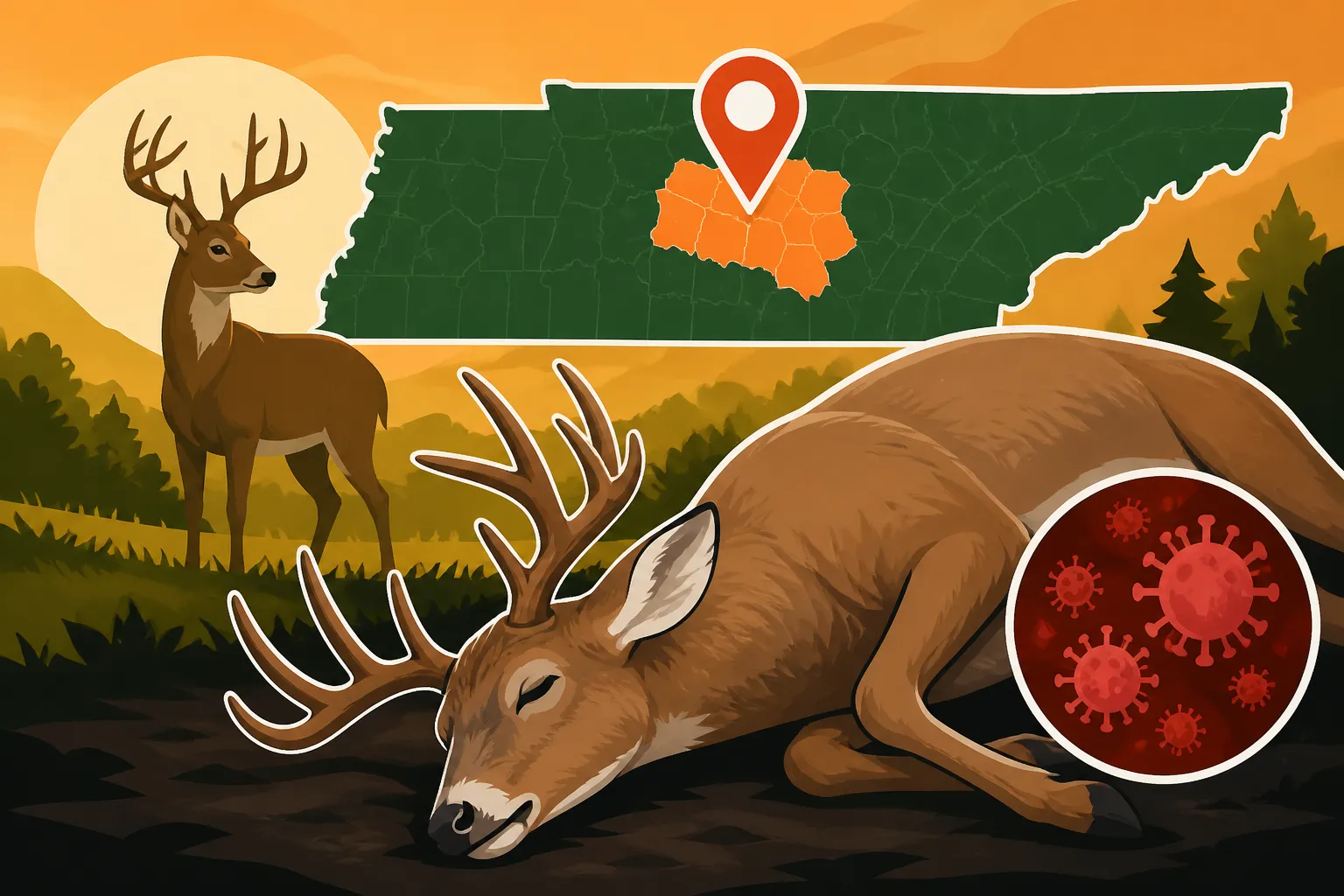
EHD Die-Offs in Tennessee Deer
Finding a deer that has succumbed to disease can be truly heartbreaking, especially when you've invested so much time and passion into understanding and appreciating these incredible animals in their natural habitat. Many Tennessee hunters have unfortunately experienced this firsthand, stumbling upon deceased deer near water sources, often with no obvious signs of trauma. This guide aims to shed some light on Epizootic Hemorrhagic Disease (EHD), a naturally occurring viral infection that causes these disheartening die-offs, helping you understand what it is, why it happens, and what it means for our cherished Tennessee deer herd.
Understanding Epizootic Hemorrhagic Disease (EHD) in Tennessee Deer
EHD might sound clinical, but for hunters, it often translates into the grim discovery of dead deer, particularly around late summer and early fall. It's a disease that can wipe out significant numbers of deer in localized areas, leaving a noticeable void and a lot of questions.
What is EHD and How Does it Spread?
Epizootic Hemorrhagic Disease is caused by a virus transmitted by tiny biting insects called midges, often referred to as "no-see-ums" or gnats. These aren't mosquitoes, and they aren't ticks; they're a completely different kind of pest. The virus itself, a type of orbivirus, cannot be transmitted directly from deer to deer. Instead, a midge has to bite an infected deer, pick up the virus, and then bite another susceptible deer, passing the infection along.
It's a bit like a relay race where the midges are the batons. The disease typically flares up when midge populations are high, usually during hot, dry periods in late summer and early fall. Why then? Because during these times, water sources become scarce, forcing deer to congregate around fewer, shrinking water holes. This concentration of deer, combined with ideal warm, moist conditions for midge breeding in the muddy edges of these same water sources, creates a perfect storm for rapid transmission. Once cooler weather arrives and the first hard frost kills off the midge populations, the spread of EHD grinds to a halt.
Recognizing the Signs: Symptoms of EHD in Deer
The symptoms of EHD can vary depending on the severity of the infection and the individual deer's immune response. In severe cases, the disease progresses rapidly, often leading to death within a few days. Deer suffering from EHD often develop a high fever, which drives them to seek out water—a common reason why carcasses are found near ponds, streams, and low-lying areas.
Other tell-tale signs include:
- Swelling: You might notice swelling of the head, neck, tongue, and eyelids. Their eyes might appear sunken or have a bluish tint.
- Hemorrhaging: The "hemorrhagic" part of the name refers to internal bleeding. This can manifest as ulcers or sores on the tongue, mouth, and stomach lining. Internally, organs can hemorrhage.
- Lethargy and Weakness: Infected deer often become very weak, disoriented, and lethargic. They may appear tame or unresponsive to human presence, struggling to walk or even stand.
- Respiratory Distress: Labored breathing, drooling, and a nasal discharge can also be observed.
- Hoof Problems: In deer that survive a mild infection, you might see growth interruptions or sloughing of the hooves weeks or months later. This is often an indication they battled the disease and recovered.
It's important to note that EHD symptoms can sometimes be confused with other diseases, particularly Chronic Wasting Disease (CWD), though CWD is a neurological disease with a much longer incubation period and different transmission methods. Understanding these distinctions is crucial, and you can learn more about Tennessee's Chronic Wasting Disease Management Zone in another one of our articles.
Table: Common Signs of EHD in Tennessee Deer
| Symptom Category | Specific Observations | Likelihood in EHD-Infected Deer |
|---|---|---|
| Behavioral | Lethargy, disorientation, excessive thirst | High |
| Physical Swelling | Swollen face, neck, tongue, eyelids | High |
| External Lesions | Ulcers or sores on tongue, mouth, or gums | Moderate |
| Internal Signs | Hemorrhaging in organs, fluid in body cavities | High (often seen post-mortem) |
| Hoof Abnormalities | Sloughing hooves, growth lines (in survivors) | Moderate (delayed appearance) |
| Seeking Water | Carcasses found near water sources | Very High |
Why EHD Occurs and Its Impact on Tennessee Deer Herds
EHD isn't a new phenomenon; it's been documented for decades across the Southeast and other parts of the country. However, its intensity and localized impact can vary greatly year to year, leaving some areas largely untouched while others suffer significant losses.
Environmental Factors and Outbreak Patterns
The primary drivers behind EHD outbreaks are environmental. As mentioned, hot, dry summers play a significant role. When we experience extended periods without substantial rainfall, creeks shrink, ponds recede, and even puddles dry up, forcing deer to concentrate around the few remaining water sources. These muddy, stagnant edges of ponds and creeks are prime breeding grounds for the tiny midges that carry the EHD virus. It’s a sad irony that the very thing deer need to survive—water—can become a hotspot for disease transmission during stressful drought conditions.
The severity of an outbreak can also depend on the local deer population density and their prior exposure to the virus. In areas where deer have been exposed to EHD in previous years, a certain level of immunity might build up, leading to less severe outbreaks. However, in regions where EHD hasn't been prevalent for a while, the deer population will have less natural immunity, making them highly susceptible to a significant die-off when the conditions are right. This dynamic is a constant challenge for wildlife biologists managing White-Tailed Deer Across Tennessee.
Immediate and Long-Term Herd Effects
The immediate effect of a severe EHD outbreak is a reduction in the local deer population. Hunters might notice fewer deer sightings in their favorite spots, or worse, find multiple dead animals. While this can be disheartening, it's important to remember that EHD is usually localized. An outbreak in one hollow or along one creek system might not affect the deer population just a few miles away.
In the long term, deer herds are remarkably resilient. While a significant die-off can certainly impact a specific area for a year or two, the remaining deer population, coupled with healthy fawn crops in subsequent years, can often rebound quicker than you might expect. The loss of older, more susceptible deer can also lead to a stronger, more resistant herd over time, as individuals with some natural immunity survive and reproduce. Factors like Tennessee Fawn Survival Rates become even more critical in the years following an EHD event. The TWRA carefully monitors Tennessee Deer Population Estimate and annual harvest reports to assess the health and trends of the herd, taking into account factors like EHD.
What Hunters Can Do When Facing EHD in Their Area
As hunters, we're often the first eyes and ears on the ground, and our observations are invaluable to wildlife management. When EHD strikes, our role shifts from purely harvesting to active participation in monitoring and reporting.
Reporting Sick or Dead Deer
If you encounter a deer exhibiting signs of EHD, or if you find multiple dead deer in a particular area, it is incredibly important to report it to the Tennessee Wildlife Resources Agency (TWRA). Your report provides crucial data that helps biologists track the spread and severity of the disease. They need to know where EHD is occurring to understand its impact and to inform management decisions. You can learn more about the proper procedures for Reporting a Sick Animal in Tennessee.
When reporting, be prepared to provide details such as:
- The exact location (GPS coordinates are best).
- The number of affected deer (sick or dead).
- Any observed symptoms.
- Date and time of observation.
The TWRA often has an online reporting system or a phone number for direct contact. Utilizing resources like the Scouting With the Tennessee TWRA App can often provide a direct channel for submitting these observations, along with mapping tools to pinpoint exact locations.
Hunting Considerations After an Outbreak
Finding evidence of EHD can certainly make you pause and wonder about your hunting plans. While EHD is generally not considered a threat to humans, cooking venison to an internal temperature of 160°F (71°C) is always recommended to ensure safety, just as with any wild game. The primary concern for hunters is the potential impact on the local deer population and the quality of the hunting experience.
If you know an area has experienced an EHD die-off, it's wise to adjust your expectations. Deer numbers might be lower, and you might see a shift in the age structure of the bucks, for instance, affecting the Tennessee Buck-to-Doe Ratio by Region. Scouting becomes even more critical. Pay close attention to remaining water sources and potential new food sources. Using advanced mapping tools like those offered by GoHunt, or simply by reviewing Reading Aerial Photos for Cumberland Plateau Deer, can help you identify areas that might have been less affected or areas where deer are now congregating due to altered resources. You might also reconsider your strategy for Hunting the Late-Season January Lull if local populations are significantly reduced.
When hunting after an EHD event, it's important to:
- Observe Carefully: Look for healthy-looking deer. Avoid harvesting any animal that appears sick or emaciated.
- Be Patient: Herd numbers might be down, so success rates could be lower.
- Adapt Your Tactics: Deer movement patterns may change as the remaining population adjusts to the new conditions and potentially increased available forage.
The Future of Tennessee's Deer Herd Amid EHD Concerns
EHD is a recurring challenge for deer populations, but understanding the disease and its natural course can provide reassurance that our deer herds are built to withstand these cycles.
Herd Resilience and Natural Immunity
Tennessee's deer herd, like most deer populations, has evolved to cope with natural stressors, including diseases like EHD. While outbreaks can be severe, they are usually localized, meaning pockets of deer are affected rather than the entire state population. The genetic diversity within the herd contributes to its resilience, as some deer may possess natural immunity or be more resistant to the virus. Those that survive an infection often develop antibodies, providing some level of immunity to future exposure. This process of natural selection helps to strengthen the herd's overall resistance over time.
It's a tough reality to witness, but these natural cycles are part of a healthy ecosystem. The deer that persist are often the strongest and most adaptable, ensuring that the population continues. This resilience is a testament to the robust nature of White-Tailed Deer Across Tennessee.
Ongoing Monitoring and Management Efforts
The TWRA plays a critical role in monitoring and managing the impact of EHD. Their biologists track reported cases, conduct research, and adjust management strategies as needed. This constant Tennessee Wildlife Disease Monitoring helps them understand trends, predict potential future outbreaks, and ensure the long-term health of the state's wildlife.
Hunters are crucial partners in these efforts. By promptly reporting sick or dead deer, we contribute directly to the data that informs these management decisions. Education and awareness are also key; understanding EHD helps us appreciate the natural challenges our deer face and allows us to make informed decisions as hunters. While diseases like EHD can be concerning, the collaborative efforts of wildlife agencies and informed hunters help ensure the continued health and abundance of Tennessee's deer for generations to come. This community effort is essential for maintaining the balance and vibrancy of our natural resources.
Disclaimer
This article is for general informational purposes only and does not constitute professional advice. Laws, prices and regulations vary by location and change over time. Consult a qualified professional for guidance on your specific situation.