Which County Found Tennessee’s First CWD Case
The news of Chronic Wasting Disease (CWD) reaching Tennessee sent a ripple of concern, if not outright panic, through the hunting community. For years, we’d watched its slow creep across the country, hoping our state would remain untouched. But in late 2018, that hope was dashed. This guide will walk you through the moment that changed deer hunting in Tennessee forever: the discovery of the very first CWD case, where it happened, and what that pivotal moment has meant for hunters and wildlife management in our beloved state.
The Alarming Discovery: Tennessee's First Confirmed CWD Case
It was a cold, quiet December in 2018 when the Tennessee Wildlife Resources Agency (TWRA) announced the devastating news: Chronic Wasting Disease had been detected in a white-tailed deer. This wasn't just another wildlife disease; CWD is a fatal neurological disease affecting deer, elk, and moose, and its presence can drastically alter hunting seasons, regulations, and even the deer herd itself. The initial confirmed case sent shockwaves, instantly changing the landscape of deer management and hunter responsibility.
The County That Changed Everything: Fayette County
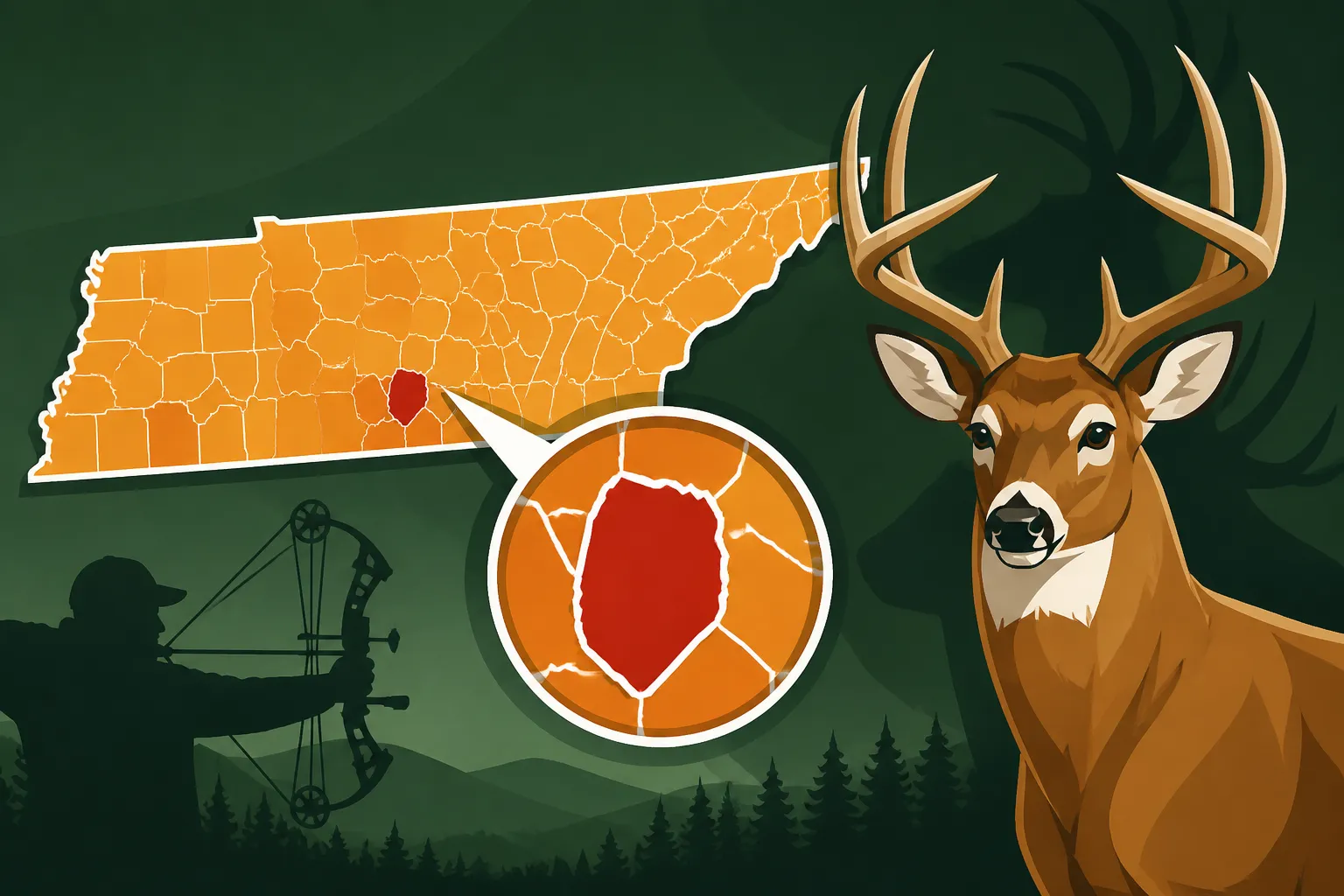
The fateful discovery was made in Fayette County, nestled in West Tennessee. This wasn't some isolated, deep-woods tract; it was an area with a strong deer hunting tradition, known for its mix of agricultural land and hardwood forests. The initial sample came from a hunter-harvested deer during the regular deer season. While the TWRA had been actively monitoring for CWD for many years, diligently collecting samples, this particular result was the one everyone had dreaded. It confirmed that the disease had indeed breached Tennessee’s borders, marking a new, challenging chapter for both hunters and wildlife professionals. The location in Fayette County, close to the Mississippi state line, immediately suggested a potential pathway for the disease's introduction from neighboring states where CWD had already been established.
Confirming the Diagnosis: A Rigorous Process
The process of confirming a CWD case is far from quick. When a hunter harvests a deer and brings it to a CWD sampling station or a TWRA official collects a suspect animal, specific tissue samples – typically from the brainstem and lymph nodes – are sent to a specialized laboratory for testing. In Tennessee, like many states, initial tests are conducted, and if those come back positive or inconclusive, confirmatory tests are run by a national reference lab. This multi-step process ensures accuracy, as a false positive would have immense, unwarranted consequences. When the final confirmation came back for that Fayette County deer, there was no denying it: CWD was here. It was a somber day for many who had dedicated their lives to Tennessee's wildlife, knowing the immense challenge ahead.
Immediate Fallout and TWRA's Rapid Response
The confirmation of CWD in Fayette County immediately triggered a cascade of actions from the TWRA. This wasn't a situation where they could simply observe and react slowly; rapid, decisive measures were paramount to try and contain the disease and gather more information. Hunters woke up to a new reality, and the state agency mobilized its resources like never before to address this unprecedented wildlife health crisis.
Establishing the CWD Management Zone and Special Regulations
One of the very first steps taken was the establishment of a CWD Management Zone (CMZ). Initially, this zone encompassed Fayette County and surrounding counties deemed at high risk for CWD spread. Within this zone, specific, often more restrictive, regulations were immediately put into place. Hunters accustomed to standard statewide rules found themselves navigating new mandates, such as mandatory testing for deer harvested in certain areas, restrictions on deer carcass movement, and increased antlerless harvest opportunities designed to help reduce deer densities. If you're hunting in any of these areas, it's crucial to understand Tennessee's Chronic Wasting Disease Management Zone. These rules are not just suggestions; they are critical components of the state's strategy to slow the spread.
The TWRA quickly ramped up its efforts for mandatory testing, setting up numerous voluntary and mandatory CWD sampling stations throughout the affected counties, particularly during opening weekends of deer season. Hunters were asked, and in some cases required, to bring their harvested deer (or at least the heads) to these stations. This data collection was, and remains, vital for understanding the prevalence and geographic spread of the disease. It also gave hunters a direct role in the fight against CWD, contributing critical information that informed future management decisions.
Hunter Education and Community Outreach
Alongside regulatory changes, the TWRA launched an intensive public awareness and education campaign. They recognized that successful CWD management depended heavily on informed and cooperative hunters. Workshops were held, informational materials distributed, and online resources provided, explaining what CWD is, how it spreads, and what hunters could do to help. The agency emphasized the importance of not feeding deer, proper carcass disposal, and reporting any deer that appeared sick. For many, this was their first real encounter with the intricacies of wildlife disease management, and it highlighted the shared responsibility we all have in protecting our deer herds. Understanding these responsibilities is key to contributing to healthy deer populations.
Long-Term CWD Management and Hunter Responsibility
The initial shock of CWD's arrival has settled into a sustained effort to manage its presence in Tennessee. The reality is that CWD is notoriously difficult to eradicate once established, so the focus shifts to containment, slowing the spread, and maintaining healthy deer populations for future generations of hunters. This long-term strategy requires ongoing vigilance, adaptability, and, perhaps most importantly, active participation from the hunting community.
Adapting to CWD Regulations and the Earn-a-Buck Program
As the disease continued to be monitored, the CWD Management Zone expanded, encompassing more counties as new detections occurred. This means hunters must consistently check the latest regulations, as they can change from season to season. A fantastic resource for this is the TWRA website or the Go Outdoors Tennessee app, where you can find detailed maps and rules. Companies like GoHunt provide excellent mapping tools and detailed hunt area breakdowns that can help hunters stay informed about specific CWD zones and regulations in their chosen hunting areas, making it easier to adapt.
One significant program introduced in response to CWD, particularly in some high-prevalence areas, is the Tennessee's Earn-a-Buck CWD Program. This initiative encourages hunters to harvest antlerless deer, often requiring the harvest and submission of an antlerless deer for CWD testing before they can harvest a buck. The goal is to reduce overall deer density, which can help slow disease transmission. While it might be a departure from traditional hunting strategies, it's a direct way to contribute to herd health in affected areas.
The map of affected counties has changed significantly since that first detection. If you're wondering Which Counties Sit Inside Tennessee's CWD Zone, you'll find it's a dynamic situation that demands regular checking of current TWRA resources.
The Critical Role of Testing and Carcass Management
Regular CWD testing remains the cornerstone of monitoring the disease. Hunters are strongly encouraged, and sometimes required, to submit deer for testing. This data allows the TWRA to track prevalence rates and detect new hotspots. Finding a convenient CWD sampling station is easier than ever, with many locations available during deer season. You can find out more about Submitting a Deer for Tennessee CWD Testing by checking the TWRA's official resources.
Another crucial aspect of CWD management is proper carcass disposal and movement. CWD prions (the infectious agents) can remain viable in the environment, particularly in lymphoid tissues like the brain and spinal cord. Therefore, strict rules are in place regarding the movement of deer carcasses out of the CWD Management Zone. Generally, only deboned meat, clean antlers, and certain taxidermy products can leave the zone. This is a vital step in preventing the inadvertent spread of CWD to unaffected areas. Learning Moving Deboned Venison Out of the CWD Zone is not just a recommendation; it's a legal requirement designed to protect our wildlife across the state. Using a detailed scouting tool like GoHunt can help you plan your hunts to avoid or navigate these zones effectively.
Living with CWD: What Every Tennessee Hunter Needs to Know
The discovery of CWD in Fayette County was a turning point for Tennessee hunting. While it presents significant challenges, it’s a reality we must adapt to. As hunters, we are often the first line of defense and our actions directly impact the health of the deer herd. Understanding these impacts and embracing new practices are crucial for the future of hunting in our state.
How Hunters Can Make a Difference
Every hunter has a role to play in CWD management. The simplest, yet most profound, step is to stay informed. Regularly check the TWRA website or use apps like GoHunt to get the latest regulations for your specific hunting unit, especially regarding CWD. Remember, regulations for Tennessee Deer Season Structure Explained can vary significantly within the CWD Management Zone.
- Report Sick Deer: If you observe a deer exhibiting signs of CWD (emaciation, abnormal behavior, drooling, neurological symptoms), do not harvest it. Instead, contact the TWRA immediately.
- Comply with Testing Requirements: Participate in voluntary and mandatory CWD testing. Your harvest data is invaluable.
- Proper Carcass Disposal: If you harvest a deer in a CWD zone, dispose of carcass parts (head, spinal column, etc.) in designated dumpsters or landfills within the C CWD Management Zone. Never leave them in the woods or transport them outside the zone.
- Debone in the Field: Consider learning the "gutless method" or deboning your deer in the field, especially if you hunt in a CWD-affected area and plan to travel. This minimizes the risk of transporting infectious materials. Many experienced hunters advocate for Deboning Venison Before Leaving the CWD Zone as a best practice.
- Support TWRA Efforts: The TWRA is working tirelessly to manage this disease. Your cooperation and understanding are essential.
Understanding the Landscape of CWD in Tennessee
CWD didn't stay confined to Fayette County. Since that initial discovery, it has been detected in a number of other counties, primarily in West and parts of Middle Tennessee. The spread has been a slow but persistent westward and eastward movement, highlighting the complex nature of wildlife disease transmission. This ongoing challenge requires the TWRA to constantly monitor, adapt, and refine its strategies. Hunters should consider using tools like the Scouting With the Tennessee TWRA App to stay updated on current CWD zones and testing locations, helping them make informed decisions before and during their hunts.
While the presence of CWD is a serious concern, it doesn't mean the end of deer hunting in Tennessee. It means a change in how we approach it. By being responsible, informed, and proactive, we can all contribute to mitigating the impact of CWD and ensuring that Tennessee's deer herds remain healthy and huntable for generations to come. Even when purchasing licenses, knowing what they cover in CWD zones is important; reviewing resources like Tennessee Hunting Licenses and What They Cost will keep you well-equipped and compliant.
| Year of First Detection | County | Region of Tennessee | Initial Source Hypothesis |
|---|---|---|---|
| 2018 | Fayette | West Tennessee | Spread from neighboring states |
| Subsequent years | Multiple | West & Middle TN | Local spread, additional introductions |
This table shows the pivotal first detection in Fayette County. While CWD has spread since then, Fayette County remains the historical marker for its entry into Tennessee.
Disclaimer
This article is for general informational purposes only and does not constitute professional advice. Laws, prices and regulations vary by location and change over time. Consult a qualified professional for guidance on your specific situation.