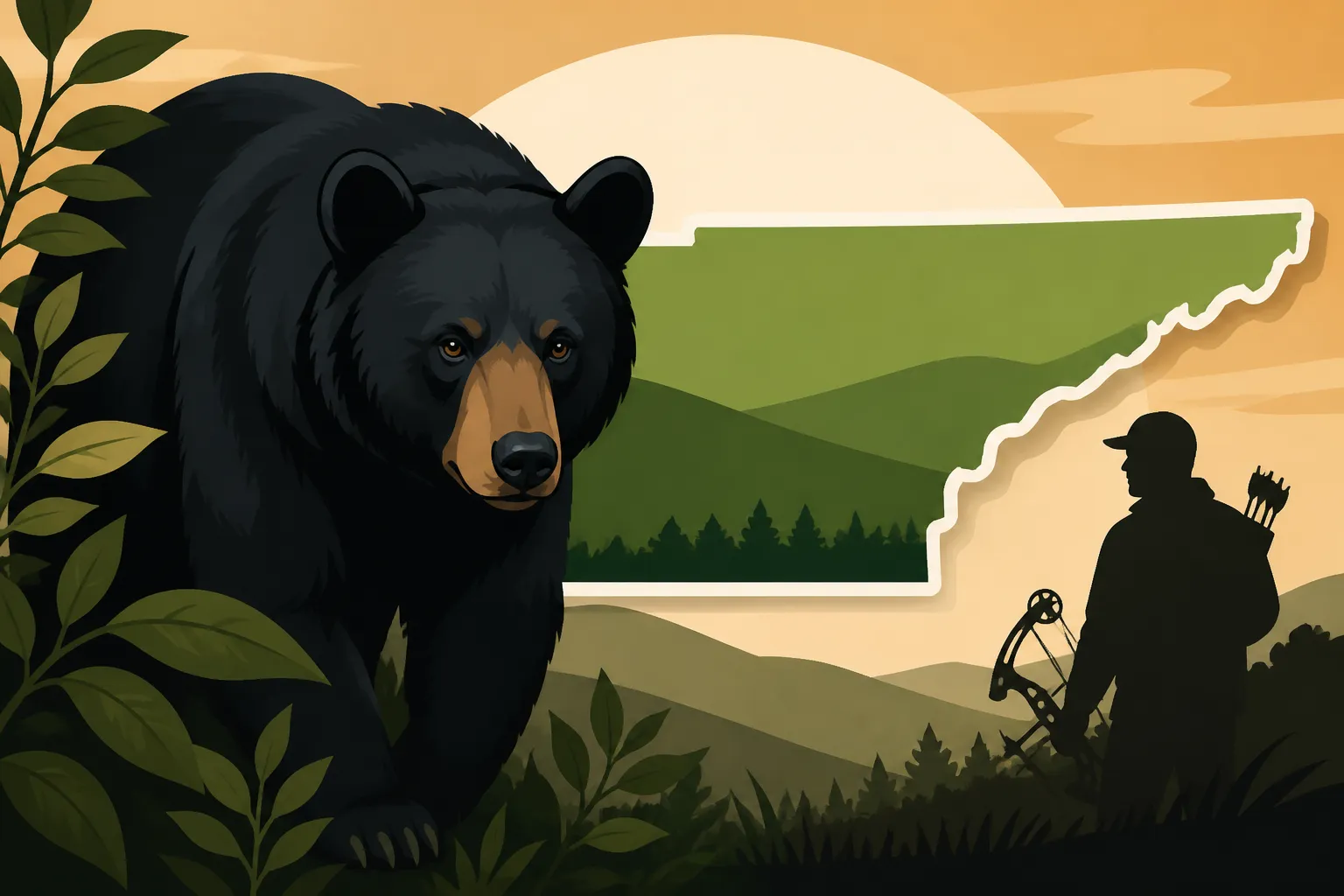
Bears Moving Into Middle Tennessee
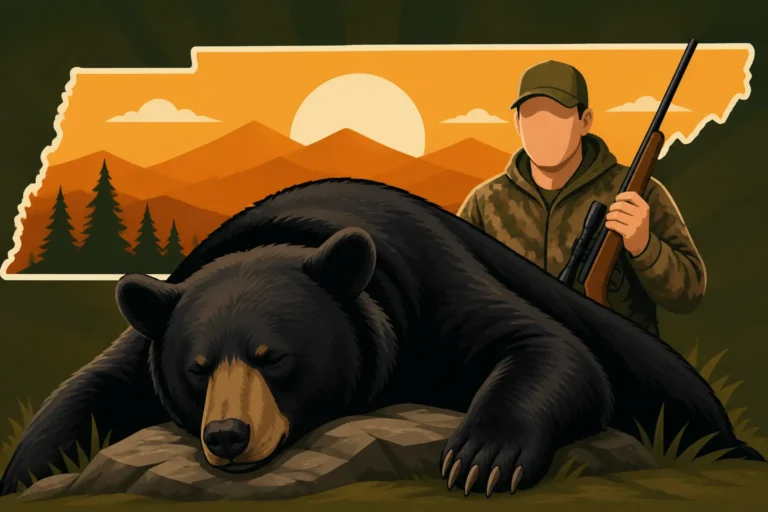
It can be quite startling, even a little unsettling, when you hear whispers or see photographic evidence of black bears popping up in parts of Tennessee where they traditionally haven't been common. For years, the idea of a bear meant the rugged mountains of East Tennessee, places like the Cherokee National Forest or the foothills of the Great Smoky Mountains. But now, folks in counties like Van Buren, Warren, and even as far west as parts of Hickman and Giles are starting to encounter these magnificent animals. This guide is here to shed light on this fascinating, and sometimes concerning, expansion of Tennessee's black bear population, helping both residents and hunters understand what's happening and how to adapt.
Understanding Tennessee's Black Bear Population Growth
The story of the black bear in Tennessee is truly one of conservation success. Not so long ago, their numbers were critically low, confined to the most remote corners of the state. Through dedicated efforts by the Tennessee Wildlife Resources Agency (TWRA) and partners, bears have made a remarkable comeback, far exceeding what many thought possible just a few decades ago.
Historical Context of Bear Restoration
Back in the early to mid-20th century, black bears faced immense pressure from habitat loss, unregulated hunting, and human encroachment. Their populations dwindled dramatically, becoming isolated to small pockets in the Appalachian Mountains. Recognizing the dire situation, conservationists began implementing strategies to protect and restore these iconic animals. This included establishing sanctuaries, enforcing hunting regulations, and reintroducing bears into suitable habitats. Slowly but surely, these efforts began to pay off. The population started to stabilize and then, excitingly, to grow. This success story isn't unique to Tennessee, but it's particularly pronounced here, given the state's diverse geography and passionate wildlife community. It's a testament to what can be achieved when wildlife management is given the resources and public support it needs.
Current Population Estimates and Strongholds
Today, Tennessee's black bear population is thriving. While exact numbers are always challenging to pinpoint for elusive creatures like bears, estimates suggest a healthy and growing population, particularly in the eastern part of the state. The primary strongholds remain the rugged, forested areas of East Tennessee, including the Cherokee National Forest and the lands surrounding the Great Smoky Mountains National Park. These regions provide vast expanses of dense cover, abundant food sources, and relatively low human population density, offering ideal bear habitat. You can learn more about Tennessee's Black Bear Population and its overall health across the state. However, the term "stronghold" is becoming a bit more fluid, as bears are increasingly being observed far from these traditional territories, expanding their range in unexpected directions. It's not just a subtle creep; it's a noticeable spread that's catching the attention of many.
Factors Contributing to Bear Success
Several key factors have contributed to the black bear's impressive resurgence. First and foremost is robust habitat protection and restoration. Large tracts of forest, both public and private, have been preserved or allowed to regenerate, providing the necessary cover and resources for bears to thrive. Secondly, conservative hunting regulations, including specific seasons and zones, have helped manage populations sustainably, ensuring that harvest levels don't jeopardize the overall health of the herd. The Tennessee Bear Harvest Trends show a careful balance between population management and recreational opportunities. Education and public awareness campaigns have also played a role, helping people understand bear behavior and how to reduce human-bear conflicts. Finally, the adaptability of black bears themselves cannot be overstated. They are intelligent, opportunistic omnivores capable of utilizing a wide range of food sources and habitats, allowing them to adjust to changing environments and expand into new territories. This inherent adaptability is a major reason why we're now seeing them in places previously thought to be outside their normal range.
The Eastern Expansion: Why Bears Are Moving West
The most exciting, and perhaps puzzling, aspect of Tennessee's bear population growth is their westward movement. For those in Middle Tennessee, sightings are no longer a rare anomaly but an increasing reality. This expansion isn't random; it's driven by a combination of ecological pressures and the bears' natural tendencies.
Habitat Saturation in Traditional Zones
One of the primary drivers of this westward spread is what biologists call habitat saturation in their traditional eastern strongholds. As bear populations have grown within areas like the Cherokee National Forest and the Great Smoky Mountains, the carrying capacity of those habitats is being pushed. Simply put, there are more bears than the immediate area can comfortably support in terms of food and territory. Young, dispersing bears, especially males, are naturally pushed out to seek new territories where competition for resources is less intense. These young males can travel considerable distances, sometimes over 100 miles, in search of new homes. While the traditional zones, such as Where Cherokee Forest Bears Range, remain critical, the sheer number of bears now means some must look elsewhere. This natural dispersal mechanism is a healthy sign of a thriving population, but it does mean new areas will inevitably start seeing more bear activity.
Abundant Food Sources in New Territories
Middle Tennessee, particularly the Highland Rim and Cumberland Plateau regions, offers a surprising abundance of food sources that are highly attractive to dispersing bears. These areas feature extensive hardwood forests rich in acorns, hickory nuts, and other mast crops, which are critical components of a bear's diet. Beyond natural foods, agricultural areas, even suburban fringes, can provide opportunistic feeding grounds. Think of cornfields, fruit trees in old orchards, and even unsecured garbage cans. While bears primarily rely on natural foods, these supplemental sources can be a powerful draw for a hungry, dispersing bear. As these opportunistic feeders move into new areas, they quickly discover these caloric goldmines, which further encourages them to establish territories there. It’s not just about finding a place to live; it's about finding a place to eat well, and Middle Tennessee offers that in spades.
Corridor Use and Dispersal Patterns
Bears don't just magically appear in new areas; they utilize natural travel corridors to move from one habitat to another. River systems, unbroken stretches of timber, and even less-traveled road networks can act as highways for dispersing bears. For Tennessee, the Cumberland Plateau acts as a crucial bridge, connecting the mountains of East Tennessee with the rolling hills and river bottoms further west. These forested ridges and valleys offer continuous cover and a natural pathway for bears to move undetected over long distances. While a specific individual might roam far, the population expansion is more of a gradual ripple effect, with established populations slowly extending their range along these corridors. Understanding these Scouting Tennessee Public Land Before Season techniques can also apply to figuring out where bears might be moving, as they often follow similar landscape features that deer use. The increasing frequency of sightings in counties along the Plateau, such as White, Putnam, and Van Buren, clearly illustrates this corridor usage.
Identifying Bear Presence in Unexpected Areas
So, how do you know if bears are actually moving into your neck of the woods, beyond just the occasional rumor or social media post? Understanding the signs of bear activity is crucial, whether you're a homeowner, a hiker, or a hunter.
Common Bear Sign to Look For
Bears leave a lot of clues about their presence, even if you never actually see the animal itself. Here are some of the most common signs:
- Tracks: Bear tracks are distinct, with five toes on each foot and a large heel pad. Front paws are wider than they are long, while hind paws are longer and narrower, often resembling a human footprint. You'll find these in muddy areas, along creek banks, or dusty trails.
- Scat: Bear droppings vary widely depending on their diet. In the spring, they might contain grass and plant matter. In late summer and fall, you'll often see berries, seeds, and nuts. They can be cylindrical and segmented, or looser and more dispersed.
- Tree Rubs and Claw Marks: Bears often rub against trees to mark territory or scratch an itch. Look for hair left on the bark, or long, parallel claw marks where they've climbed or sharpened their claws. These can be particularly evident on soft-barked trees like pines.
- Foraging Evidence: Bears are powerful foragers. Look for overturned rocks, torn-apart logs, and dug-up ground where they've rooted for insects, grubs, or roots. They'll also strip bark from trees or break branches to get at nuts or berries. If you're out Hunting Bears Over Natural Mast in the Mountains, these signs are paramount.
- Damaged Beehives, Bird Feeders, or Trash Cans: These are classic signs of a bear's opportunistic feeding habits. If your bird feeder is regularly torn down, or trash cans are ransacked, and you're in an area with potential bear presence, it's a strong indicator.
Understanding Bear Behavior Near Human Habitation
When bears move into areas closer to people, their behavior can adapt. Naturally, they are shy and tend to avoid humans, but food can be a powerful motivator. Bears that frequent human-populated areas often become nocturnal to minimize encounters, making them harder to spot during the day. They're also incredibly smart and learn quickly where to find easy meals. This can lead to them becoming habituated to human presence, losing their natural fear, which is where problems can arise. It’s important to remember that a bear seen near a subdivision isn't necessarily aggressive; it's often just looking for food. However, habituated bears can become bolder and more persistent in their search for calories, necessitating a change in human behavior.
Reporting Sightings to TWRA
If you spot a bear in an unexpected location, especially in Middle Tennessee, it's really helpful to report it to the TWRA. These reports help wildlife biologists track the expansion of the bear population, identify new dispersal corridors, and understand the extent of their range. This data is critical for effective management, whether it's setting hunting seasons or developing public education initiatives. You can usually find a direct contact or an online reporting form on the TWRA website. Don't assume someone else will report it; every piece of information helps paint a clearer picture of Tennessee's Black Bear Population movements. When you make a report, be prepared to provide details like the date, time, location, number of bears, and any observed behavior. This information is invaluable to their ongoing research.
Coexisting with Bears in Middle Tennessee
As bears expand their range, living alongside them becomes a new reality for many Tennesseans. The key to minimizing conflicts and ensuring the safety of both bears and humans lies in understanding their needs and adjusting our own behaviors.
Securing Attractants Around Your Home
The single most effective thing you can do to prevent bear conflicts around your home is to remove or secure all potential food attractants. Bears are driven by their stomachs, and if your yard offers an easy meal, they'll keep coming back.
- Garbage: Store garbage in sturdy, bear-resistant containers, ideally inside a garage or shed until collection day. If you have curbside pickup, put your cans out as close to pick-up time as possible.
- Bird Feeders: While lovely to watch, bird feeders are prime bear attractants. Take them down during spring, summer, and fall when bears are most active. If you must feed birds, use a platform feeder that's difficult for bears to access, and clean up any spilled seed daily.
- Pet Food: Don't leave pet food bowls outside, especially overnight. Feed pets indoors or bring their dishes in after they've eaten.
- Grills: Clean outdoor grills thoroughly after each use to remove food residue and grease. Store them in a secure location if possible.
- Compost Piles: Avoid composting meat, dairy, or other strong-smelling foods that might attract bears.
- Fruit Trees and Berry Bushes: Harvest ripe fruit and berries promptly. Clean up any fallen fruit from the ground. Consider electric fencing for orchards if bear problems are persistent.
- Livestock Feed: Store livestock and poultry feed in bear-resistant containers or buildings. Bears will absolutely raid chicken coops or feed sheds if they can.
By being diligent about securing attractants, you can teach bears that your property isn't a reliable food source, encouraging them to move on and stick to natural foraging.
What to Do During a Bear Encounter
Encountering a bear, especially when you're not expecting it, can be a startling experience. It's crucial to know how to react calmly and safely.
- Do Not Approach: Never, ever approach a bear, especially a sow with cubs. They are wild animals and can be unpredictable. Maintain a safe distance.
- Make Yourself Known: If a bear is unaware of your presence, speak in a calm, assertive voice, make noise, and wave your arms. This lets the bear know you're human and not a threat or prey.
- Back Away Slowly: If the bear sees you, back away slowly while continuing to talk and make yourself appear as large as possible. Do not run, as this can trigger a chase instinct.
- Don't Drop Your Pack: If you're hiking and carrying food, don't drop your backpack. This only teaches the bear that humans mean food.
- Stand Your Ground and Fight Back: In the rare event of an attack, fight back aggressively. Use anything you have – sticks, rocks, or your fists – to hit the bear's face and snout. Black bear attacks are almost always defensive, but a predatory attack should be met with full force.
- Carry Bear Spray: If you're hiking in bear country, especially in areas where bears are known to be active or habituated, carrying bear spray can be a very effective deterrent. Know how to use it safely and quickly.
Most bear encounters are uneventful, with the bear quickly moving away once it realizes a human is present. Staying calm and following these guidelines can help ensure a safe outcome.
Educating Neighbors and Community
The expansion of bears into new areas requires a community-wide effort. It's not enough for just one household to secure attractants; if a neighbor leaves out pet food or trash, it can still draw a bear to the area, creating issues for everyone. Talk to your neighbors, friends, and community groups about bear awareness. Share information about securing attractants and what to do during an encounter. Many local TWRA offices or wildlife organizations offer educational materials or presentations that can be helpful. A unified approach helps ensure that bears don't become problematic in the long term, protecting both human safety and the future of Tennessee's thriving bear population.
Hunting Considerations in Emerging Bear Zones
For hunters, the westward movement of bears presents new opportunities and challenges. While bear hunting has historically been focused on East Tennessee, the increasing presence of bears in Middle Tennessee means hunters need to be aware of regulations and ethical practices in these evolving zones.
Bear Hunting Opportunities and Regulations
As the bear population expands, the TWRA continually evaluates hunting zones and regulations to manage the population effectively. Historically, bear hunting in Tennessee has been concentrated in three distinct zones, each with specific rules. You can find detailed information on Tennessee's Three Bear Hunting Zones. However, as bears push west, new opportunities for harvest may arise, and it's critical for hunters to stay up-to-date on the latest regulations, which can change annually. Some areas may still fall under Bear Zone One rules, while others might be newly designated or have specific restrictions. The TWRA's Go Outdoors Tennessee app or website is your best friend for checking current regulations, boundaries, and reporting requirements. Always confirm what's legal in your specific hunting county or WMA before heading into the field.
Scouting for Bears in Deer Country
Many hunters in Middle Tennessee traditionally scout for deer, but now, a keen eye for bear sign is becoming increasingly important. Bears and deer often utilize similar habitat features, especially for food. When you're out Reading Aerial Photos for Cumberland Plateau Deer or walking timber, expand your focus to include bear rubs, scat, and overturned logs. Look for areas with abundant mast crops like oak flats or hickory ridges. Creek bottoms and areas with thick cover can also be travel corridors for bears. Using mapping tools like GoHunt, which can show you satellite imagery and topo lines, can help identify potential bear habitat and travel routes, even if it's primarily used for deer scouting. Pay attention to game cameras; what you thought was just a deer trail might now be a bear highway. Adjusting your scouting mindset to include signs of bear activity will greatly increase your chances of an encounter, whether you're hunting bears or just want to know if they're in your area.
Responsible Hunting Practices Near Developed Areas
As hunting opportunities for bears expand into areas closer to human habitation, ethical and responsible hunting practices become even more paramount. This isn't just about legality; it's about maintaining a positive public image for hunting and ensuring the safety of all.
- Know Your Target and Backstop: Always be absolutely certain of your target and what lies beyond it. In areas with mixed public and private land, and potentially closer proximity to homes, this diligence is critical.
- Respect Property Lines: Adhere strictly to property boundaries. Using a GPS or an app like GoHunt with property line overlays is essential. Make sure you have permission if hunting on private land, and understand all Tennessee Trespass and Permission Law requirements.
- Carcass Management: If you harvest a bear, especially in an area with a higher human population, consider the logistics of retrieving and processing the animal. Don't leave gut piles or carcasses in highly visible areas or close to homes, as this can attract other animals and cause public concern. Pack out as much as you can, and bury or disperse remains away from trails and residences.
- Public Perception: Be mindful that many non-hunters may not understand or appreciate bear hunting. Conduct yourself professionally and ethically in the field to uphold the reputation of all hunters.
- Bear Recovery and CWD: If you harvest a bear, be prepared for potential recovery challenges, especially in rough terrain. Also, be aware of any CWD testing requirements if deer or elk in your area are subject to it, though bears are not known to carry CWD. Always check the latest Tennessee Bear Checking Requirements for what's needed after a harvest.
By embracing these responsible practices, hunters can play a vital role in the continued, sustainable management of Tennessee's black bear population, even as these amazing animals explore new horizons across the state.
Navigating Bear Season Regulations
Understanding the nuances of Tennessee's bear hunting regulations is crucial for any hunter hoping to pursue these animals. The TWRA's regulations are designed to manage the population sustainably, considering both population density and public safety.
Bear Zone Specifics and Season Dates
Tennessee is divided into specific bear zones, each with its own set of rules and season dates. These zones primarily reflect the differing population densities and habitat types across the state.
| Bear Zone | Primary Location | Hunting Method | Season Start | Season End | Bag Limit | Special Notes |
|---|---|---|---|---|---|---|
| Zone 1 | Northeast TN (Cherokee National Forest) | Archery, Muzzleloader, Gun, Dog | September (Archery) | December (Gun/Dog) | 1 Bear | Traditional stronghold, includes early archery |
| Zone 2 | Southeast TN (Cherokee National Forest) | Archery, Muzzleloader, Gun | Mid-September (Archery) | Mid-December (Gun) | 1 Bear | Population growth, limited dog hunting |
| Zone 3 | South Cherokee (Specific Units) | Dog Hunting | Late September | Mid-October | 1 Bear | Restricted to dog hunting in specific areas |
| Bear Management Units | Expanding Areas | Archery, Muzzleloader, Gun | October (Archery) | December (Gun) | 1 Bear | Dates vary, check specific county/WMA |
Note: This table provides a general overview. Always consult the current TWRA hunting guide for exact dates, specific county regulations, and any changes.
For example, Tennessee Bear Zone One Rules are typically the most extensive, reflecting the robust bear population in the northeastern mountains. As you move south and west, zones like Tennessee Bear Zone Two Rules might have slightly different dates or method restrictions. The emergence of bears into Middle Tennessee often falls under broader "Bear Management Unit" rules, which can be county-specific and highly variable. This means hunters can’t assume the rules for East Tennessee apply across the board. You need to verify the specific regulations for the county or WMA you plan to hunt in, as these can be updated annually based on bear activity and population trends.
Permit Requirements and Harvest Reporting
Beyond a standard Tennessee hunting license and big game permit, there may be specific permit requirements for bear hunting, depending on the zone or WMA. Always check the current TWRA regulations carefully. For instance, some managed hunts or specific WMAs might require a separate quota hunt application.
Equally important is harvest reporting. All legally harvested bears in Tennessee must be reported to the TWRA. This is a crucial step in wildlife management, providing biologists with essential data on harvest numbers, locations, and biological information. Failure to report a harvest is a violation of state law. Reporting typically involves online submission through the Go Outdoors Tennessee system, often within a specified timeframe after the kill. You may also be required to physically check the bear at a designated TWRA check station, particularly if biological samples are needed. This data directly influences future season structures and conservation efforts, making accurate and timely reporting a critical responsibility for every bear hunter.
Safety Protocols for Bear Hunters
Hunting bears carries unique safety considerations, especially in rugged terrain and areas where bears may be less habituated to human presence.
- Blaze Orange Requirements: Be aware of Tennessee's Tennessee Blaze Orange Requirements. While not always mandated for archery seasons, it is generally required during gun seasons on public lands and is always a good idea for visibility, especially if other hunters are in the vicinity or you're near hiking trails.
- Field Dressing and Retrieval: Bears are large, heavy animals. Have a plan for field dressing and retrieval before you even pull the trigger. Consider the terrain – a bear in a steep hollow can be a monumental task to get out. Tools like deer carts, sleds, or even game bags for deboning can be invaluable. If you're in a remote area, having a First Aid Kits for Remote Cherokee Forest Ground is a smart precaution.
- Weapon Choice: Ensure your firearm or archery equipment is appropriate and powerful enough for bear. While black bears aren't as large as grizzlies, they are incredibly tough animals, and proper shot placement with adequate stopping power is essential for a clean, ethical harvest and to avoid tracking a wounded bear.
- Hunting with Dogs: For those who engage in Running Hounds for Cherokee Forest Bears, additional safety protocols apply, including the use of GPS collars for dogs and understanding the specific rules for dog hunting within designated zones.
By adhering to these safety protocols, bear hunters can enjoy their pursuit responsibly while minimizing risks to themselves and others.
Disclaimer
Please remember that hunting regulations, seasons, and licensing requirements can change. Always consult the current Tennessee Wildlife Resources Agency (TWRA) hunting guide or their official website for the most up-to-date and accurate information before planning any hunting trip. This content is for informational purposes only and should not be considered a substitute for official TWRA documentation.